Hidden Hematite in Ordinary Martian Soil Reveals Ancient Global Water From Spirit Rover
Spirit rover data reanalysis uncovers mineral signs of a wetter ancient Mars, reshaping our view of the planet’s early climate.
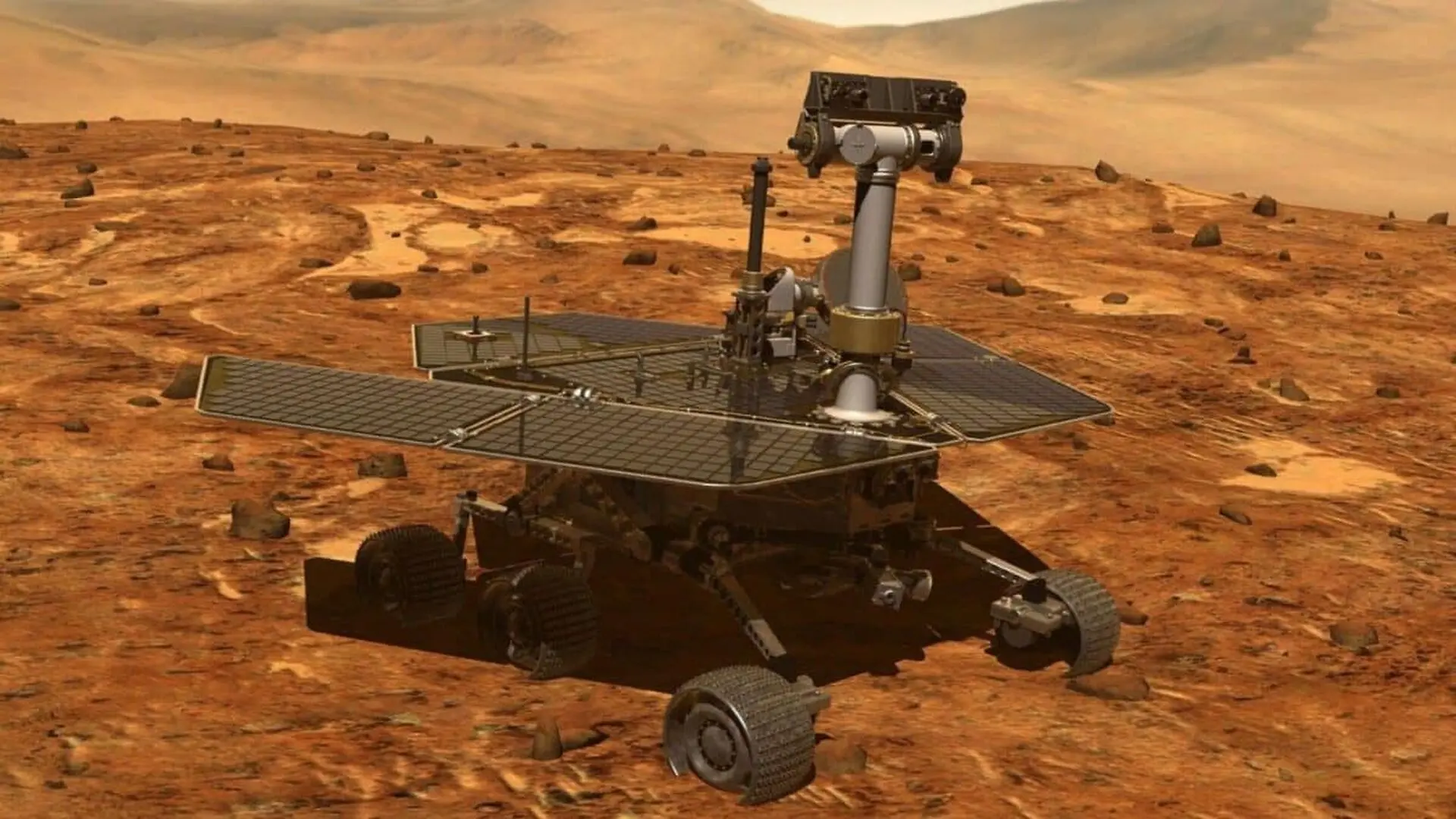
A fresh look at data gathered by NASA’s Spirit rover has uncovered mineral clues that point to extensive water activity on ancient Mars, according to a study released in Interactions. By recombining measurements taken between 2004 and 2010, researchers have identified signatures that were previously invisible in the original analysis.
Iron‑Rich Minerals Reveal Hidden Wet Episodes
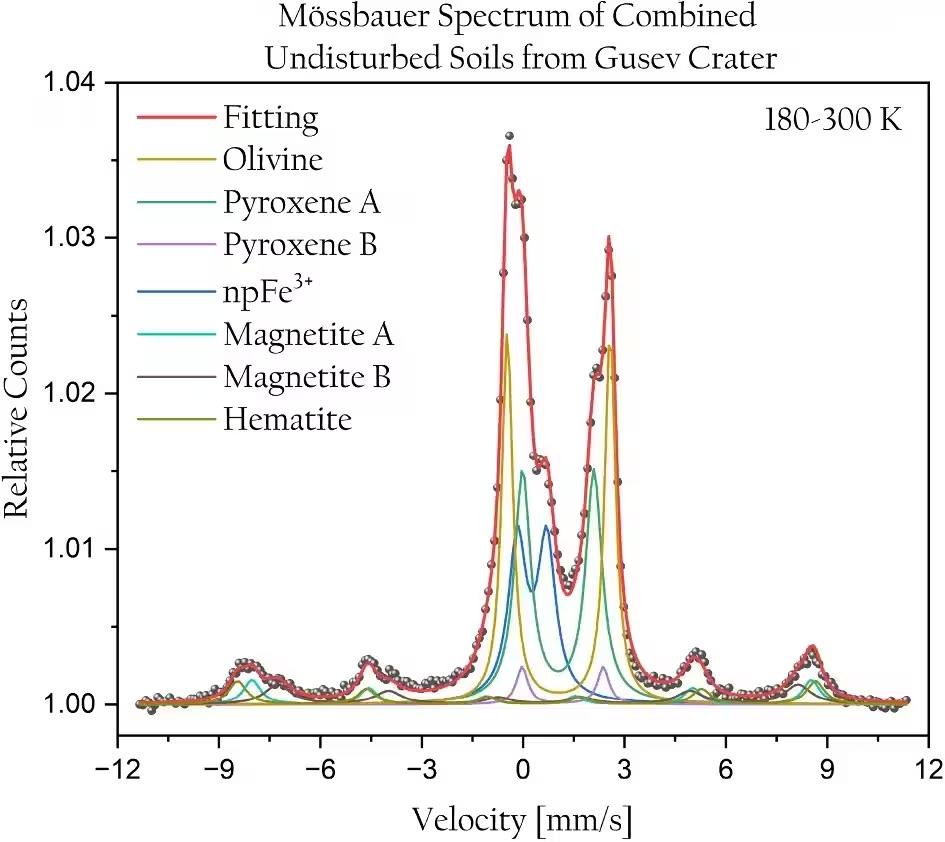
Scientists from Edith Cowan University examined 32 pristine soil spots in Gusev Crater and merged hundreds of individual readings to produce an unprecedented profile of iron‑bearing minerals in typical Martian regolith. Their work highlighted the presence of hematite and chemically altered magnetite—minerals that form when water interacts with rocks and sediments.
“Detecting crystalline hematite in everyday Martian soil is a major breakthrough,” Professor de Souza explained.
He added that the widespread distribution of these minerals suggests not only the past presence of water but also that large swaths of the planet may once have been submerged.
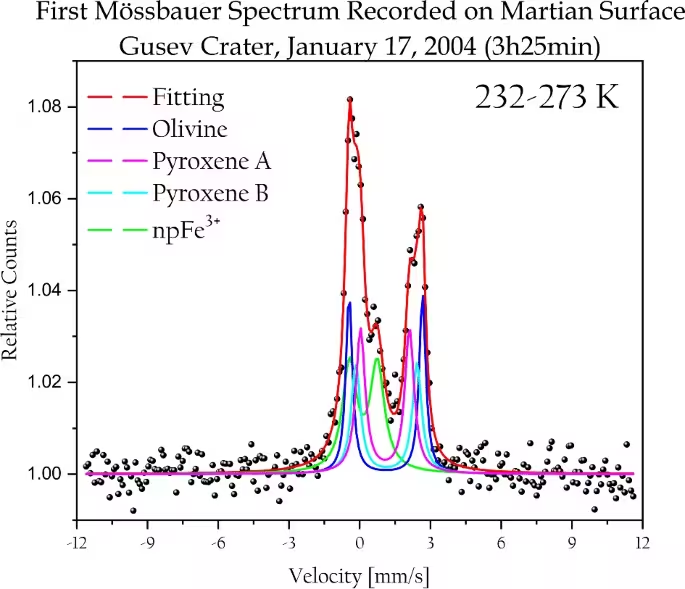
Revisiting Spirit’s Legacy Data
The Spirit rover roamed Mars for more than 2,000 days, gathering information on rocks, soils and the thin atmosphere before its mission concluded. Limitations in power, time and instrument aging meant that many individual measurements lacked the resolution needed to spot trace minerals.
Applying modern analytical techniques, Professor de Souza’s team re‑evaluated those same data sets, extracting subtle signals that fell below the detection threshold of earlier single‑observation studies.
“The original rover observations were constrained by time, power and the gradual aging of the instrument,” he said.
“When we pooled the data and applied a new analysis, hidden mineral information emerged.”
The outcome demonstrates that legacy missions can still generate fresh scientific insights without launching new spacecraft, simply by reinterpreting existing archives with updated methods.
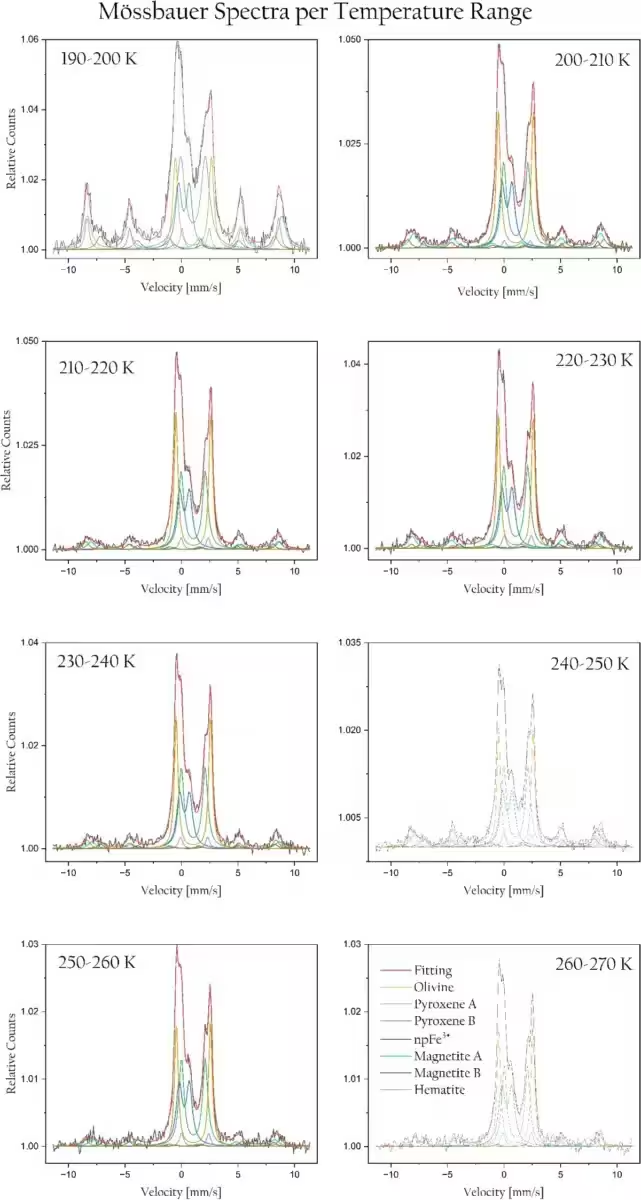
Implications for a Once‑Wet Martian Landscape
The detection of hematite in routine soil samples adds to a growing body of evidence that Mars once hosted environments capable of sustaining liquid water. Prior discoveries of ancient valleys, lake deposits and hydrated minerals already indicated episodic water flow; this new study suggests that such processes may have affected far broader regions than previously thought.
Researchers propose that interactions among water, rock and atmosphere could have been widespread, leaving a subtle mineral imprint across the planet’s dusty mantle. Understanding these subtle signatures helps future missions target sites where traces of past habitability are most likely to be preserved.
Legacy Datasets Remain Scientific Goldmines
The paper published in Interactions underscores the value of preserving and re‑examining archives from earlier exploration campaigns. As planetary science increasingly blends historic observations with cutting‑edge analysis, findings like these illustrate that major breakthroughs can arise from revisiting old data with fresh perspectives.
“Important discoveries are not always the result of new measurements,” Professor de Souza noted.
“Sometimes they emerge when we look at existing data through a better analytical lens.”
With upcoming missions aiming to return Martian samples to Earth and to hunt for signs of ancient habitability, the enduring relevance of datasets from rovers like Spirit is clear. The latest results remind the scientific community that the Red Planet may still be holding answers within observations made more than twenty years ago.
This article has been fact checked for accuracy, with information verified against reputable sources. Learn more about us and our editorial process.
Last reviewed on .
Article history
- Latest version
Reference(s)
- de Souza, Paulo. “A consolidated Mössbauer spectrum for undisturbed soils from Gusev Crater, Mars.” Interactions, vol. 247, no. 1, June 26, 2026 Springer Science and Business Media LLC, doi: 10.1007/s10751-026-02625-4. <https://link.springer.com/article/10.1007/s10751-026-02625-4>.
Cite this page:
- Posted by Karan Das