China’s Chang’e‑7 Aims for First Moon South‑Pole Landing and Ice Hunt with Hopping Robot
China’s hopping robot will explore Moon’s darkest craters, aiming for discoveries that could reshape the next era of lunar exploration.
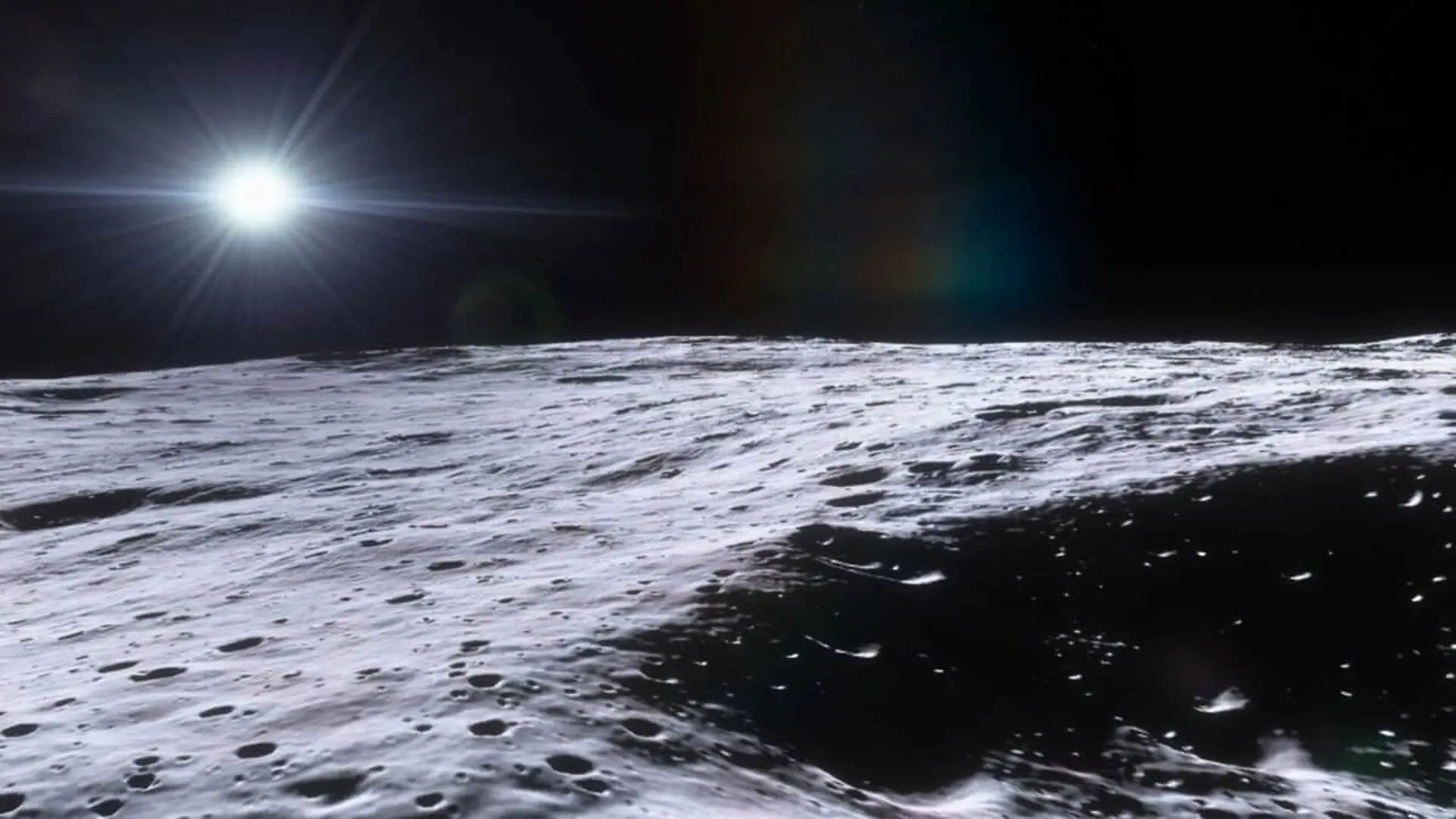
China is gearing up for what it describes as its most demanding lunar expedition to date. The Chang’e‑7 probe, slated for a late‑August 2026 launch, aims to achieve the first touchdown at the Moon’s south pole and will deploy a five‑element robotic suite to explore one of the Solar System’s most challenging regions.
A primary driver of the mission is the search for water ice. While orbiting instruments have long hinted that permanently shadowed craters near the pole could harbor frozen volatiles, no land‑based experiment has yet confirmed their existence. Chang’e‑7 will place scientific payloads directly in those shadowed environments, employing both a rover and a hopper to investigate open terrain and crater interiors during a single flight.
The heavy‑lift Long March‑5 Y14 launch vehicle arrived at the Wenchang Spacecraft Launch Site in Hainan Province in mid‑July 2026 and is now undergoing final integration with the Chang’e‑7 spacecraft, which was delivered to the site in April. A lunar landing attempt is planned for the end of 2026.
Coordinated Fleet of Five Spacecraft Elements
The mission architecture comprises an orbiter, a lander, a rover, a relay satellite, and a hopping vehicle. Together they enable a comprehensive survey: the orbiter maps the pole from orbit, the lander touches down, the rover traverses the surrounding plain, the hopper leaps into permanently shadowed craters, and the relay satellite maintains continuous communication with Earth despite the pole’s obstructed line‑of‑sight.
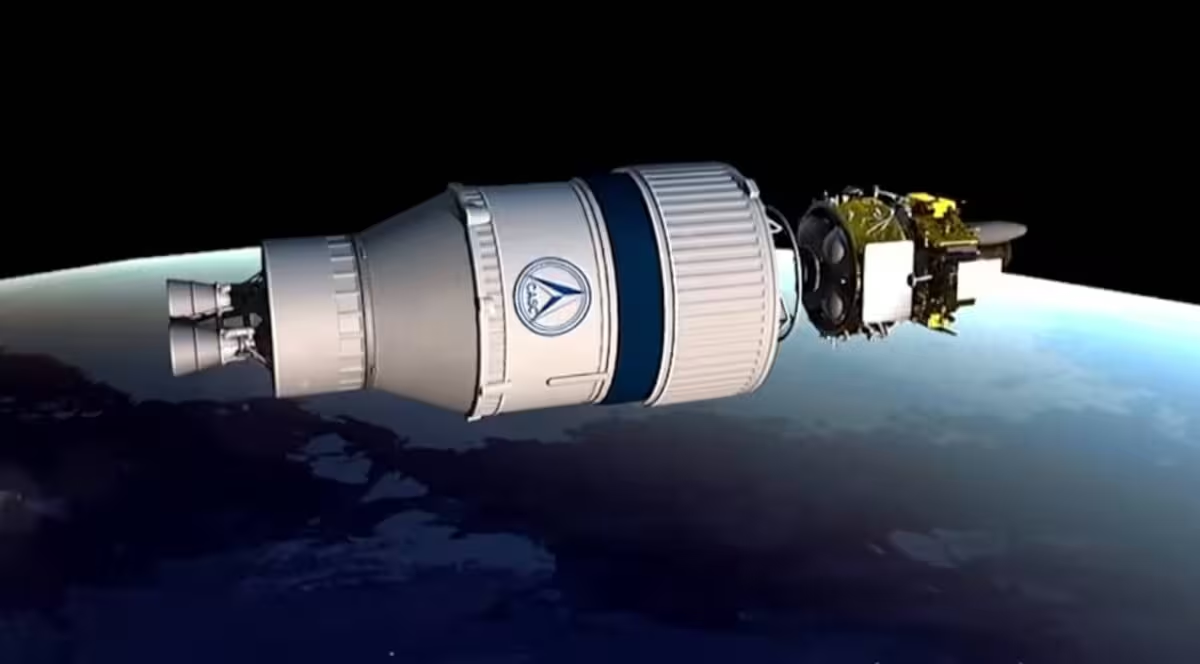
The hopper represents the mission’s most novel component. Instead of wheels, it employs articulated legs and short hops to access terrain that a conventional rover cannot reach, particularly the dark interiors of permanently shadowed craters where temperatures remain low enough for ice to endure for geologic timescales.
According to the China Manned Space Agency, the core technical objectives include high‑precision soft landing, legged mobility, hopping capability, and crater exploration. Achieving all four within a single mission would mark a significant advance for China’s lunar program, which to date has operated rovers only on sunlit, open ground.
Seeking Frozen Water in Lunar Shadows
Detecting water ice at the lunar south pole is the mission’s central scientific aim. Ye Peijian, an academician of the Chinese Academy of Sciences, told China Central Television that “Scientists worldwide suspect water on the Moon, but no one has confirmed it yet. China will now search, using methods that span surface measurements to crater interior exploration.”
Orbital data have consistently pointed to permanently shadowed craters as the most promising ice reservoirs, yet remote sensing cannot definitively prove their presence. By deploying a lander equipped with instruments capable of probing the immediate subsurface, Chang’e‑7 hopes to provide direct evidence that orbit‑based observations alone cannot deliver.

The rover will map the accessible terrain around the touchdown site, while the hopper will descend into the deepest shadows where ice concentrations are expected to be highest. Conducting both investigations concurrently eliminates the need for a separate follow‑up mission to address the environments the first vehicle cannot reach.
By merging surface and crater‑interior exploration in a single flight, the mission seeks to produce a more complete inventory of resources and hazards at the pole than any prior robotic effort has achieved.
Global Partnerships and the Path to Human Exploration
The CMSA described Chang’e‑7 as an “integrated exploration approach… that also incorporates international cooperation.” While specific foreign payloads have not been disclosed, the mission framework explicitly includes collaborative experiments, signaling China’s openness to multinational participation.
China’s broader lunar strategy envisions a crewed landing by 2030, with Chang’e‑7 serving as a robotic precursor that will map terrain, assess resources, and evaluate surface conditions ahead of any human descent. Recent milestones such as a low‑altitude test of the Long March‑10 heavy‑lift rocket and a high‑dynamic‑pressure abort trial for the crewed Mengzhou spacecraft underscore the momentum of the program.
Future steps include a technical verification flight of the Long March‑10, followed by inaugural launches of the Mengzhou crew capsule and the Lanyue (“Embracing the Moon”) lunar lander. Data gathered by Chang’e‑7 will directly inform site selection and mission planning for these subsequent human‑focused endeavors.
Countdown at Hainan’s Wenchang Launch Complex
By mid‑July 2026, the CMSA reported that all systems at the Wenchang launch complex were progressing on schedule. The Long March‑5 Y14 booster and the Chang’e‑7 spacecraft are being mated at the facility, preparing for a launch window that opens in late August.
The relay satellite accompanying Chang’e‑7 follows a communications architecture first demonstrated by the Chang’e‑4 mission, which relied on the Queqiao relay to bridge the far side of the Moon with Earth. A similar relay will be essential at the south pole, where the Moon’s topography blocks direct line‑of‑sight to ground stations.
Ensuring continuous contact between the surface assets and mission control is a critical element of the overall plan, allowing scientists to receive real‑time data from both the rover and the hopper as they operate in the pole’s permanently shadowed regions.
This article has been fact checked for accuracy, with information verified against reputable sources. Learn more about us and our editorial process.
Last reviewed on .
Article history
- Latest version
Reference(s)
- “Carrier rocket for China's Chang'e-7 lunar probe arrives at launch site - People's Daily Online.” <https://en.people.cn/n3/2026/0714/c90000-20477310.html>.
- “PHOTO 2 China Moon Change 7 Landing Region.” <https://www.leonarddavid.com/wp-content/uploads/2026/01/PHOTO-2-china-moon-change-7-landing-region.jpg>.
Cite this page:
- Posted by Karan Das