SpaceX Dragon returns with bioprinted organs, fuel tech, DNA‑inspired materials
SpaceX Dragon departs ISS with groundbreaking research and hardware that could revolutionize space exploration and medicine.
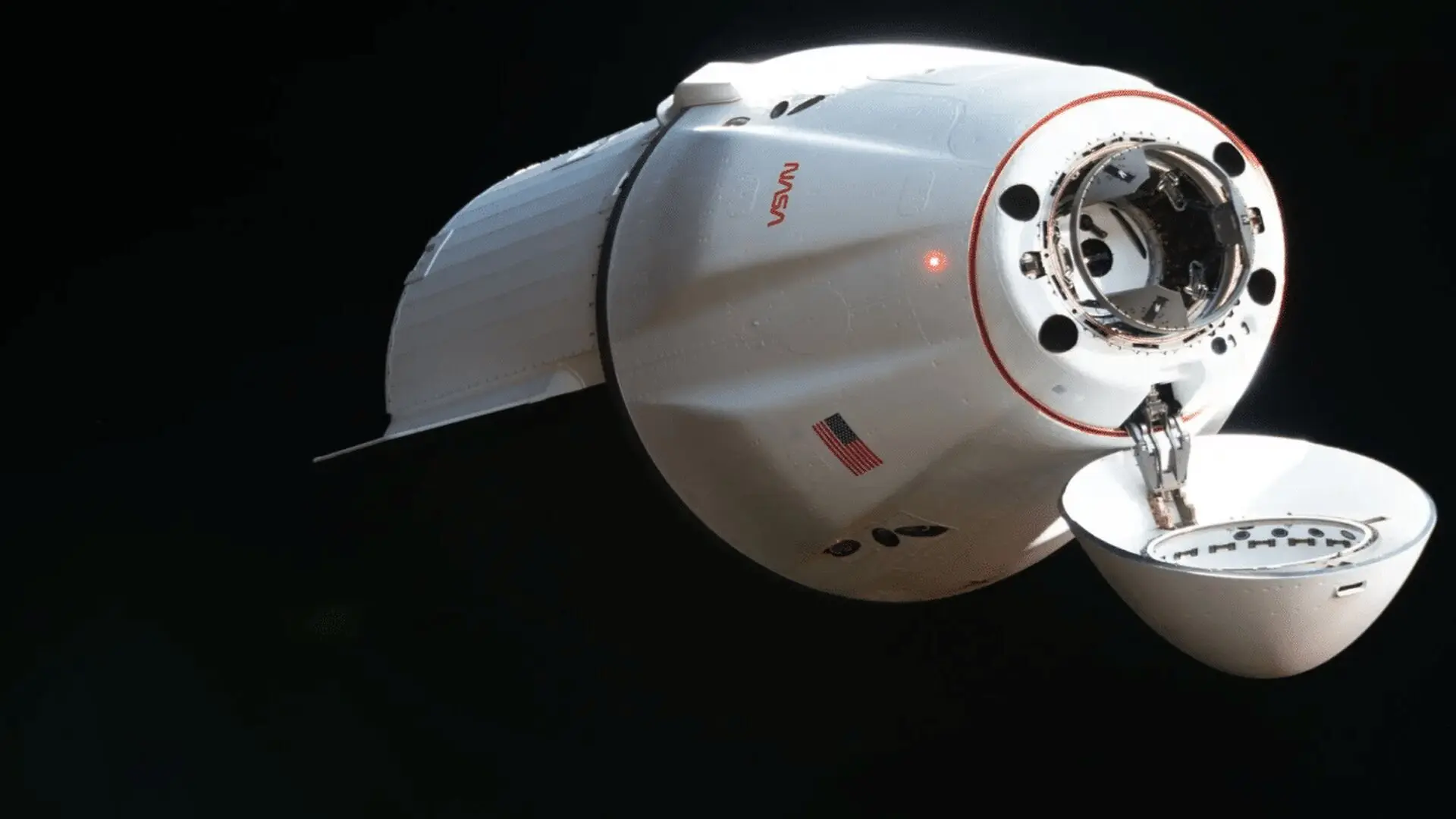
A SpaceX Dragon cargo capsule is set to depart the International Space Station (ISS) with a substantial collection of scientific experiments, research samples, and hardware slated for Earth. NASA indicates the vehicle will separate from the station on June 16, re‑enter the atmosphere, and splash down off California’s coast on June 17. This return flight is notable for the breadth of investigations aboard, ranging from bioprinted tissue work to next‑generation fuel storage studies and DNA‑inspired material research.
Dragon Ready to Bring Back High‑Impact Research
The upcoming undocking concludes SpaceX’s 34th commercial resupply mission to the orbiting laboratory. After delivering close to 6,500 pounds of supplies in May, the Dragon spacecraft now carries a fresh set of samples and hardware gathered during its stay.
What sets Dragon apart is its ability to return sizable payloads safely to the surface, a capability essential for experiments that need detailed analysis after exposure to microgravity.
On board are biological specimens, technology demonstrators, and station components that engineers plan to scrutinize after prolonged operation in space. Each item represents extensive planning and months‑long research efforts.
The flight highlights the deepening collaboration between commercial launch providers and the global scientific community. As Dragon pulls away, it transports not only hardware but also data sets that could shape future missions beyond low‑Earth orbit. Researchers aim to begin analysis as soon as recovery teams complete the splashdown.
A science-packed @SpaceX Dragon spacecraft is scheduled to depart the orbital outpost on Tuesday, June 16, for return to Earth. Live undocking coverage begins at 11:45am ET on @NASA+. More… https://t.co/Qyqq1q13hypic.twitter.com/H6ZMhfx1n9
— International Space Station (@Space_Station) June 12, 2026
Experiments That May Influence Medicine and Deep‑Space Travel
One of the most watched payloads involves bioprinted organ and cartilage samples. Researchers are exploiting the microgravity environment to fabricate structures that are challenging to produce under Earth’s gravity, with potential applications in regenerative medicine.
Another high‑profile project examines improvements to cryogenic fuel storage, a technology deemed critical for extended lunar and Martian missions where efficient long‑term fuel management is paramount.
In addition, the cargo includes materials modeled on DNA configurations that scientists are evaluating for possible roles in cancer‑therapy development. Together, these studies underscore the expanding scope of ISS‑based science.
Key Hardware Returning for Post‑Flight Assessment
NASA notes that the Dragon capsule also transports several pieces of station hardware for detailed inspection. Among them is an ocular imaging instrument designed to track astronaut vision changes during prolonged missions, a crucial research area as agencies plan flights lasting many months.
The payload also features an absorbent bed intended to capture trace contaminants from the cabin air, contributing to crew health and safety. Additionally, a separator pump from the waste‑management system will be examined to better understand wear patterns after extended exposure to the space environment.
Analyzing these components helps engineers refine life‑support systems and enhance overall spacecraft reliability for future exploration.
The ISS Continues to Yield Ground‑Breaking Science
For over 25 years, the International Space Station has served as a continuous platform for astronauts and cosmonauts to conduct research in orbit. The laboratory has generated breakthroughs across biology, medicine, materials science, and engineering.
Its role as a testbed extends to technologies that will underpin the Artemis lunar program and eventual missions to Mars. Cargo flights like this one demonstrate how experiments performed hundreds of kilometers above Earth can produce outcomes with worldwide impact.
Each returning Dragon vehicle delivers not only tangible samples but also valuable insights into how humans can sustainably live and work farther from our planet.
This article has been fact checked for accuracy, with information verified against reputable sources. Learn more about us and our editorial process.
Last reviewed on .
Article history
- Latest version
Reference(s)
- “https://go.nasa.gov/4xFs5km.” <https://t.co/Qyqq1q13hy>.
- “https://twitter.com/Space_Station/status/2065462680882749867/photo/1.” <https://t.co/H6ZMhfx1n9>.
Cite this page:
- Posted by Karan Das