NASA’s AstroPix to Test Gamma‑Ray Detector in Orbit, Could Revolutionize Space Astronomy
NASA’s AstroPix detector launches aboard a robotic mission to boost observations of the universe’s most energetic events
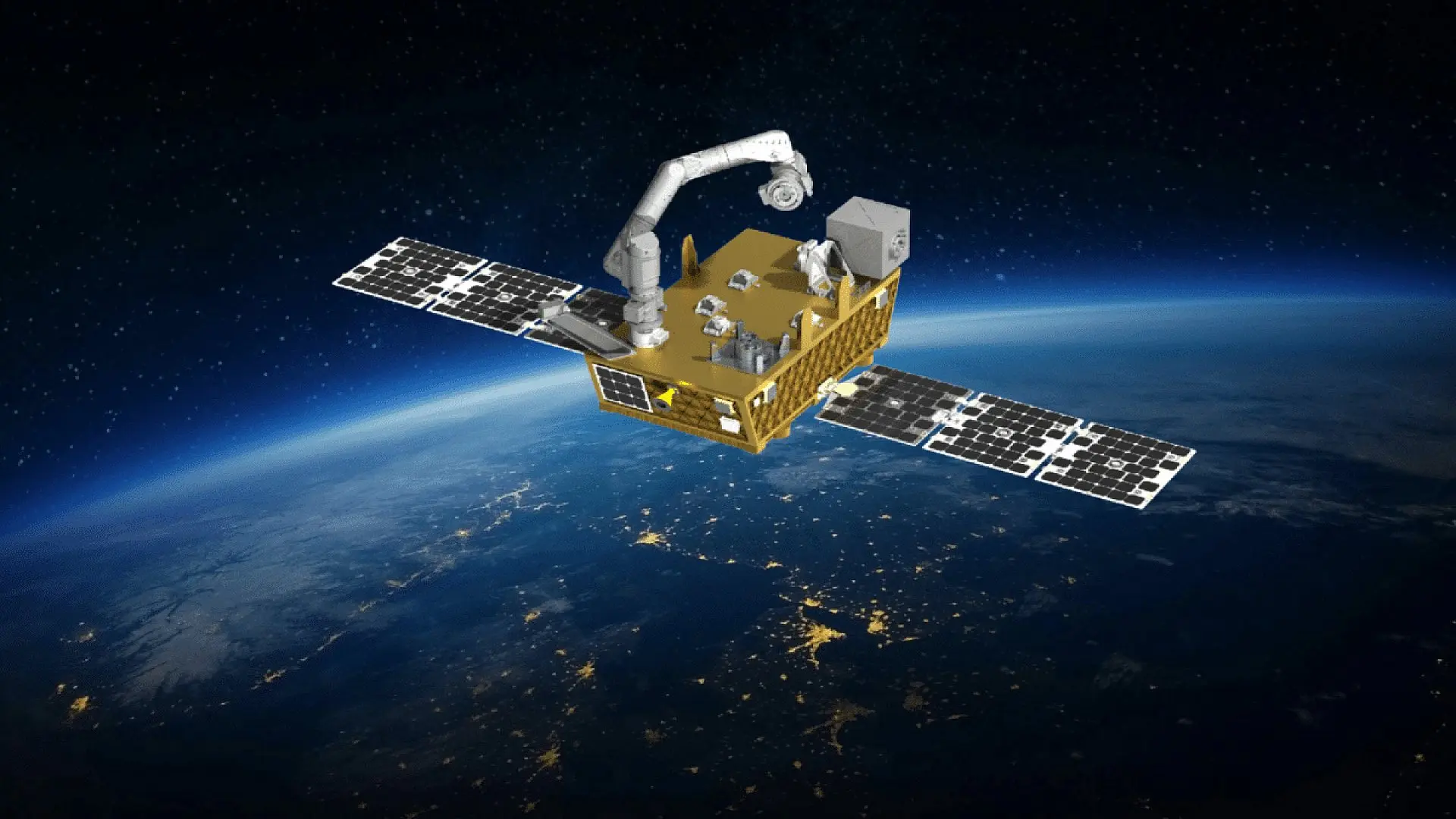
A fresh gamma‑ray sensing platform named AstroPix is slated to ride on NASA’s Fly Foundational Robots mission, with a launch window set for late 2027. Though the payload is modest in size, its success could seal a long‑standing blind spot in high‑energy astrophysics, paving the way for sharper observations of gamma‑ray bursts, supermassive‑black‑hole‑driven galaxies, and other extreme cosmic events.
Closing the Gap in High‑Energy Light Detection
Gamma rays constitute the most energetic form of electromagnetic radiation, emerging from violent stellar deaths, intense solar flares, and collisions that occur billions of light‑years away. Existing observatories struggle to capture certain portions of the gamma‑ray spectrum, leaving scientists with incomplete pictures of these powerful phenomena.
AstroPix targets precisely those missing bands. Its sensors respond to photons in the 20 000‑to‑700 000 eV interval, with a particular focus on the 500 000‑to‑1 000 000 eV window where many gamma‑ray bursts unleash their peak output. By eventually clustering several AstroPix units, researchers hope to build larger instruments capable of probing these energies with unprecedented clarity, shedding light on matter under extreme conditions and the mechanisms that drive the universe’s most energetic engines.
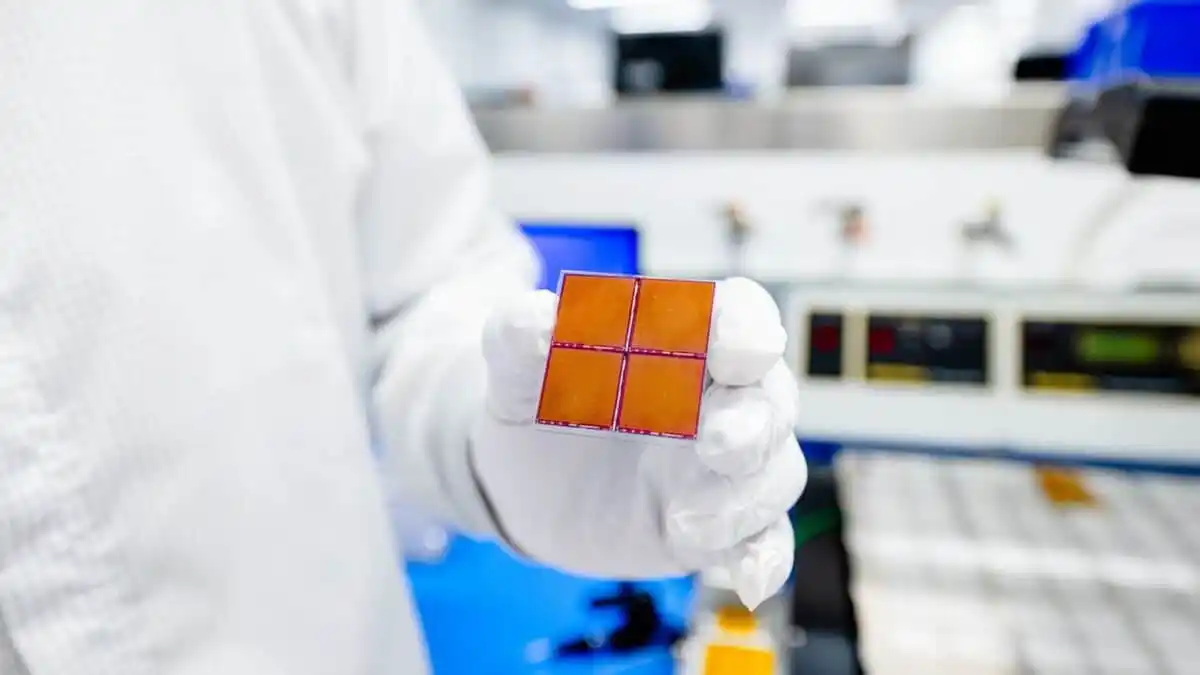
Image courtesy of Argonne National Laboratory
Orbit‑Based Validation: A Rare Opportunity
Putting experimental hardware on a true orbital trajectory remains one of the toughest hurdles for space‑based technology programs. While many prototypes are limited to high‑altitude balloons or short‑duration sounding‑rocket flights, AstroPix will benefit from a prolonged stint aboard an operational spacecraft.
“The Fly Foundational Robots spacecraft is also a technology demonstration, so the projects were a good fit for each other,” said Dan Violette, an AstroPix team member and post‑doctoral fellow at NASA’s Goddard Space Flight Center in Greenbelt, Maryland.
“We need to thoroughly test AstroPix’s performance before we can use the sensors in future science missions. We’ve flown comparable technologies on a scientific balloon mission, and the current prototype eventually will be part of a sounding rocket payload. Many of those flight opportunities only reach near space, though. It’s not often that technology demonstrations like ours can find a ride into orbit.”
An orbital environment will let engineers monitor detector behavior under realistic conditions while harvesting valuable scientific data. The insights gained could shape the architecture of next‑generation gamma‑ray observatories and decide whether AstroPix will be integrated into larger science missions later this decade.
Robotic Servicing Platform Deploys the Experiment
The AstroPix trial, officially dubbed the AstroPix Satellite Technology dEmonstration Payload (A‑STEP), will be mounted inside an Orbital Replacement Unit built by Rocket Lab Robotics. Rather than merely hitching a ride, the payload becomes part of a broader demonstration of in‑orbit component swapping.
A robotic manipulator supplied by Rocket Lab will reposition the replacement unit during the mission, after which AstroPix will begin its data‑gathering phase. This approach mirrors a growing industry trend toward spacecraft that can be upgraded on the fly, potentially extending mission lifetimes and trimming operational costs.
Each AstroPix chip houses four silicon gamma‑ray detectors, with every detector containing 1 225 individual pixels. The design echoes imaging sensors found in smartphones, though it is tuned to register high‑energy photons rather than visible light. The payload also incorporates the necessary electronics for power distribution, data handling, and communications while in orbit.
NASA’s Vision for Servicing‑Ready Satellites
Beyond its scientific objectives, the mission serves as a proving ground for technologies that could transform how future satellites are maintained and upgraded after launch.
“The unit already had the volume, power, and data needed to support the AstroPix team’s design,” said Bo Naasz, senior technical lead, In-space Servicing, Assembly, and Manufacturing in the Space Technology Mission Directorate at NASA Headquarters in Washington. “One of our major goals with Fly Foundational Robots is to demonstrate robotic changeout of payloads in orbit, enabling upgrades or improvements to satellites and space instruments at a fraction of the cost of a full mission. Allowing AstroPix to complete its own technology demonstration in orbit is a bonus.”
As highlighted by NASA, the capacity to replace instruments in space could dramatically reshape the economics of exploration and research. Instead of launching entirely new missions whenever a superior component becomes available, future spacecraft could receive upgrades through robotic servicing, accelerating innovation while curbing costs for both scientific and commercial ventures.
This article has been fact checked for accuracy, with information verified against reputable sources. Learn more about us and our editorial process.
Last reviewed on .
Article history
- Latest version
Reference(s)
- Kazmierczak, Jeanette. “NASA Robotic Tech Demo Will Advance Prototype Gamma-Ray Detectors - NASA Science.”, June 11, 2026 NASA <https://science.nasa.gov/missions/tech-demonstration/nasa-robotic-tech-demo-will-advance-prototype-gamma-ray-detectors/>.
Cite this page:
- Posted by Karan Das