NASA Names Crew For Artemis III Mission, Marking A Bold Step Back To The Moon
NASA’s Artemis III mission set for 2027 will test astronauts’ lunar readiness with new spacecraft and commercial landers in orbit
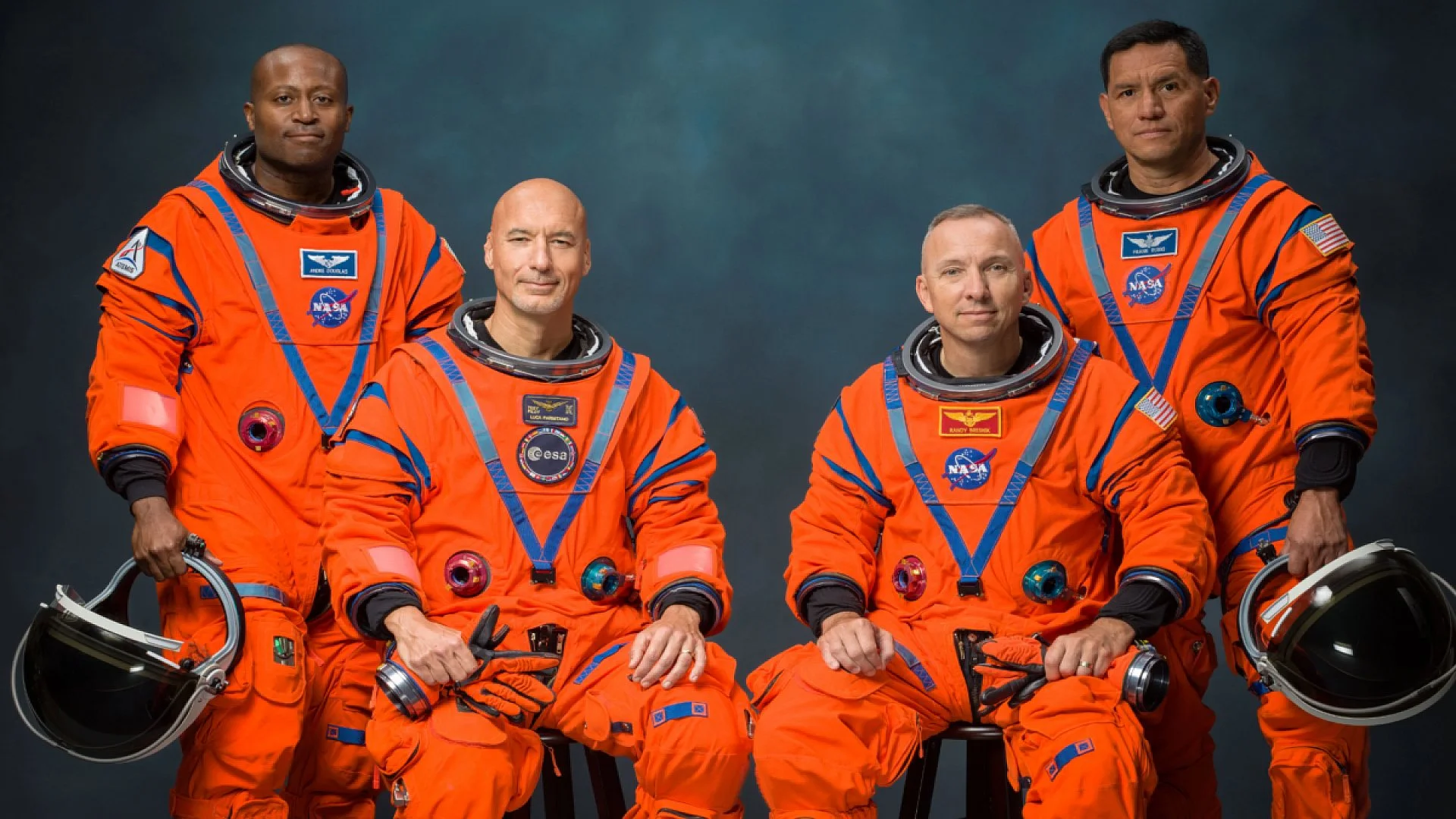
NASA has unveiled the astronaut roster for its Artemis III flight, slated for 2027, moving the agency a step closer to landing humans on the Moon again. The upcoming mission will validate key spacecraft functions while showcasing technologies that will underpin later lunar and deep‑space endeavors.
Crew Line‑up and Mission Scope
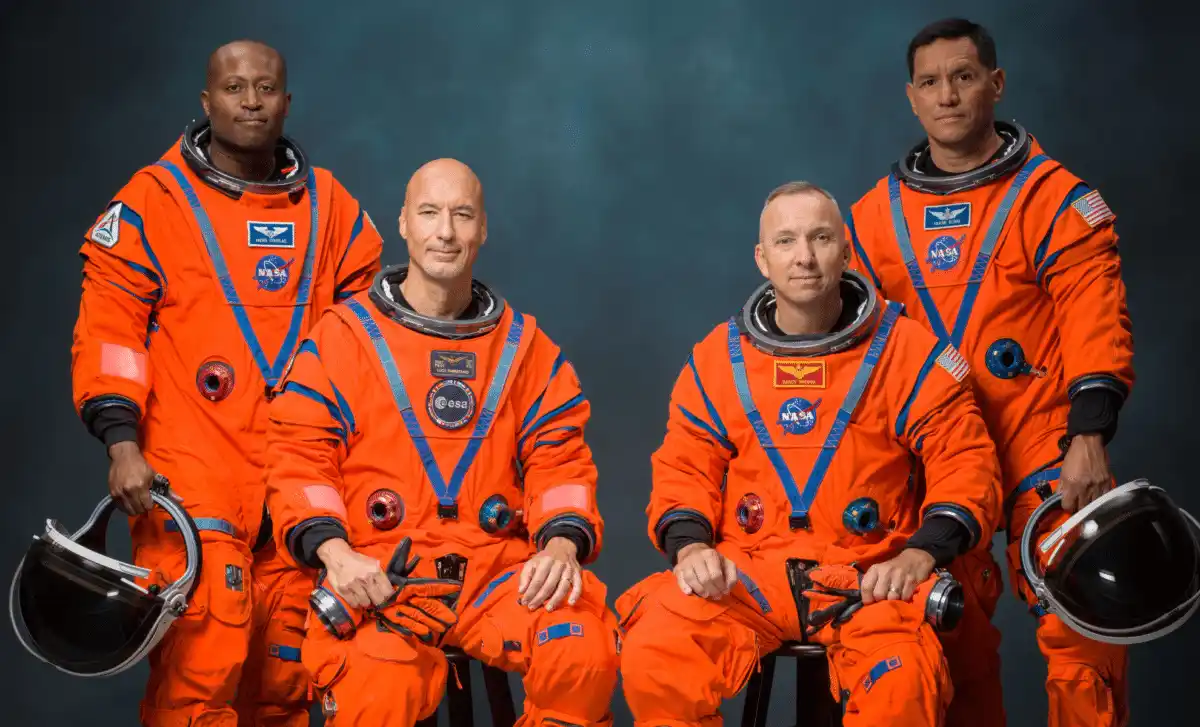
NASA confirmed that the core team consists of commander Randy Bresnik, pilot Luca Parmitano, and mission specialists Andre Douglas and Frank Rubio, with Bob Hines designated as the backup astronaut. Their itinerary includes a series of demanding tasks such as rendezvousing and docking with prototype lunar landers built by Blue Origin and SpaceX.
The flight also marks the first time a European astronaut will fly on an Artemis mission, underscoring the expanding multinational effort to return to the Moon. Training will kick off immediately, concentrating on Orion’s systems and supporting the development of the test landers. Artemis III will evaluate the seamless interaction of hardware, software, propulsion and communications components while in Earth orbit.
Strengthening Global Partnerships
The Artemis III effort highlights deepening ties between NASA and its overseas partners, especially the European Space Agency. ESA’s contributions, notably the European Service Module that powers Orion, remain central to the mission’s success.
“Artemis III will push the boundaries of spacecraft operations in orbit. Luca’s assignment as pilot reflects the depth of European expertise in human spaceflight and draws on his extensive operational experience in high‑pressure situations,” said ESA Director General Josef Aschbacher. “At the same time, ESA’s European Service Module will once again provide the critical capabilities that power Orion, demonstrating Europe’s enduring role at the very heart of the Artemis program.”
Introducing Artemis III.
Four astronauts. Three launches. Two dockings. One splashdown.
In 2027, the Artemis III mission will practice docking the Orion spacecraft with two lunar landers in low Earth orbit — the capability we need to return humanity to the Moon’s surface. pic.twitter.com/8uhMUxuuWX— NASA (@NASA) June 9, 2026
Jared Isaacman, NASA Administrator, highlighted the mission’s collaborative spirit: “Today we take another bold step in humanity’s return to the Moon, building on the extraordinary foundation laid by the Artemis II astronauts. Their achievements reignited global excitement for exploration, and now they pass the torch to the Artemis III team, Randy, Luca, Frank, and Andre. Artemis III will demonstrate the power of American innovation and international partnership as we test complex rendezvous and docking operations and advance the technologies that will one day carry us deeper into the solar system. This mission will require the most awe‑inspiring coordination of heavy‑lift rocket launches in history, drawing on the talent and capability of teams across government and the spaceflight community. The Artemis III astronauts, alongside ESA and our other international partners, are ushering in a new Golden Age of exploration, carrying forward the hopes and dreams of the next generation just as the Apollo astronauts did for so many of us.”
Mission Architecture and Timeline
The flight will launch Orion atop NASA’s Space Launch System from Kennedy Space Center, followed by system checks in low Earth orbit. The crew will then dock with Blue Origin’s lunar lander test vehicle for approximately two days of evaluation. After that, Orion will rendezvous with SpaceX’s Starship test craft, spending roughly a day testing docking interfaces, communications and integrated operations.
Overall, the mission is planned to last about two weeks, with the exact schedule contingent on real‑time coordination of launches and docking maneuvers. This tightly choreographed sequence of heavy‑lift launches and orbital dockings will provide a rigorous stress test for hardware and procedures, laying the groundwork for Artemis IV and the first crewed landing at the lunar South Pole, targeted for 2028.
Astronaut Backgrounds
The crew’s collective experience spans decades of spaceflight and aviation. Randy Bresnik is a two‑flight veteran who previously commanded an International Space Station expedition. Luca Parmitano also served as ISS commander, becoming the first Italian to do so. Frank Rubio holds the American record for the longest single‑duration spaceflight, while Andre Douglas specializes in systems engineering and autonomous vehicle testing. Backup astronaut Bob Hines brings a strong background as a research pilot and as the pilot of SpaceX Crew‑4.
These varied skill sets are crucial for the mission’s demanding objectives, which include docking maneuvers, hardware validation and assessment of commercial lander performance. Their expertise embodies NASA’s focus on precision, safety and global cooperation.
Credit: NASA/Bill Stafford
Commercial Lander Development
Blue Origin and SpaceX are each delivering lunar lander prototypes for Artemis III. Blue Origin’s “Blue Moon” vehicle and SpaceX’s Starship lunar configuration will serve as orbital testbeds, allowing the crew to rehearse docking and boarding procedures. NASA engineers are closely involved in design, testing and evaluation to ensure the commercial hardware meets the stringent standards of crewed spaceflight.
In addition to lander tests, the mission will assess Orion’s heat shield, service module integration and docking mechanisms. This holistic approach aims to generate valuable data and operational experience for upcoming crewed lunar missions while advancing the commercial lunar economy.
This article has been fact checked for accuracy, with information verified against reputable sources. Learn more about us and our editorial process.
Last reviewed on .
Article history
- Latest version
Reference(s)
- “NASA Marches Toward Artemis III Mission in 2027, Names Crew Members - NASA.” NASA <https://www.nasa.gov/news-release/nasa-marches-toward-artemis-iii-mission-in-2027-names-crew-members/>.
- “https://twitter.com/NASA/status/2064422103416238295/video/1.” <https://t.co/8uhMUxuuWX>.
Cite this page:
- Posted by Karan Das