An Amateur Astronomer Built a Backyard Observatory for Two Years, Now It’s Revealing Stunning Galaxy Images From Deep Space
Amateur astronomer’s decade-long effort yields breathtaking galaxy images from a backyard observatory
A Vermont‑based amateur astronomer has produced high‑resolution photographs of the galaxy known as the Croc’s Eye as well as the Whirlpool galaxy, after accumulating dozens of observing hours and applying meticulous image‑processing techniques.
Obtaining detailed pictures of distant galaxies demands clear skies, patience and dedicated equipment. While large observatories routinely study such objects, dedicated hobbyists are increasingly able to reveal fine structures by stacking long‑exposure frames.
This is exactly what Michele Hernandez Bayliss accomplished from her backyard observatory in Weybridge, Vermont. A seasoned visual observer who only recently turned to astrophotography, she spent two years constructing her telescope station before targeting some of the night sky’s most iconic spirals.
Twenty Hours of Exposure Uncover Croc’s Eye Details
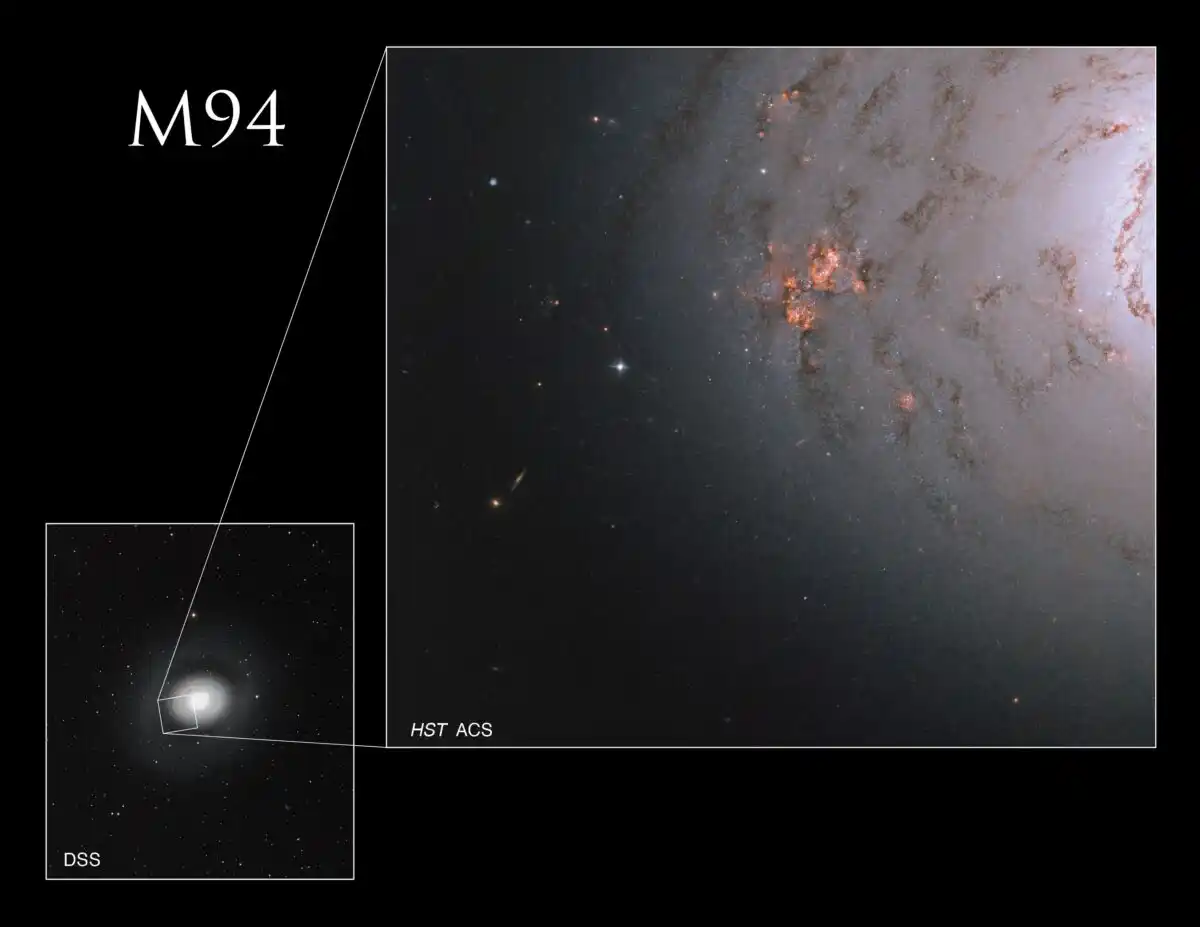
One of Bayliss’s recent projects focused on Messier 94, the Croc’s Eye galaxy situated in the Canes Venatici constellation roughly 34 million light‑years from Earth. NASA’s description of the object notes:
“M94 was initially believed to be roughly 30,000 light-years in diameter, two faint spiral arms were recently discovered outside of its core region that extend far out into space. This discovery has effectively tripled the galaxy’s known diameter. M94 is also notable for its deficiency of dark matter relative to other galaxies.”
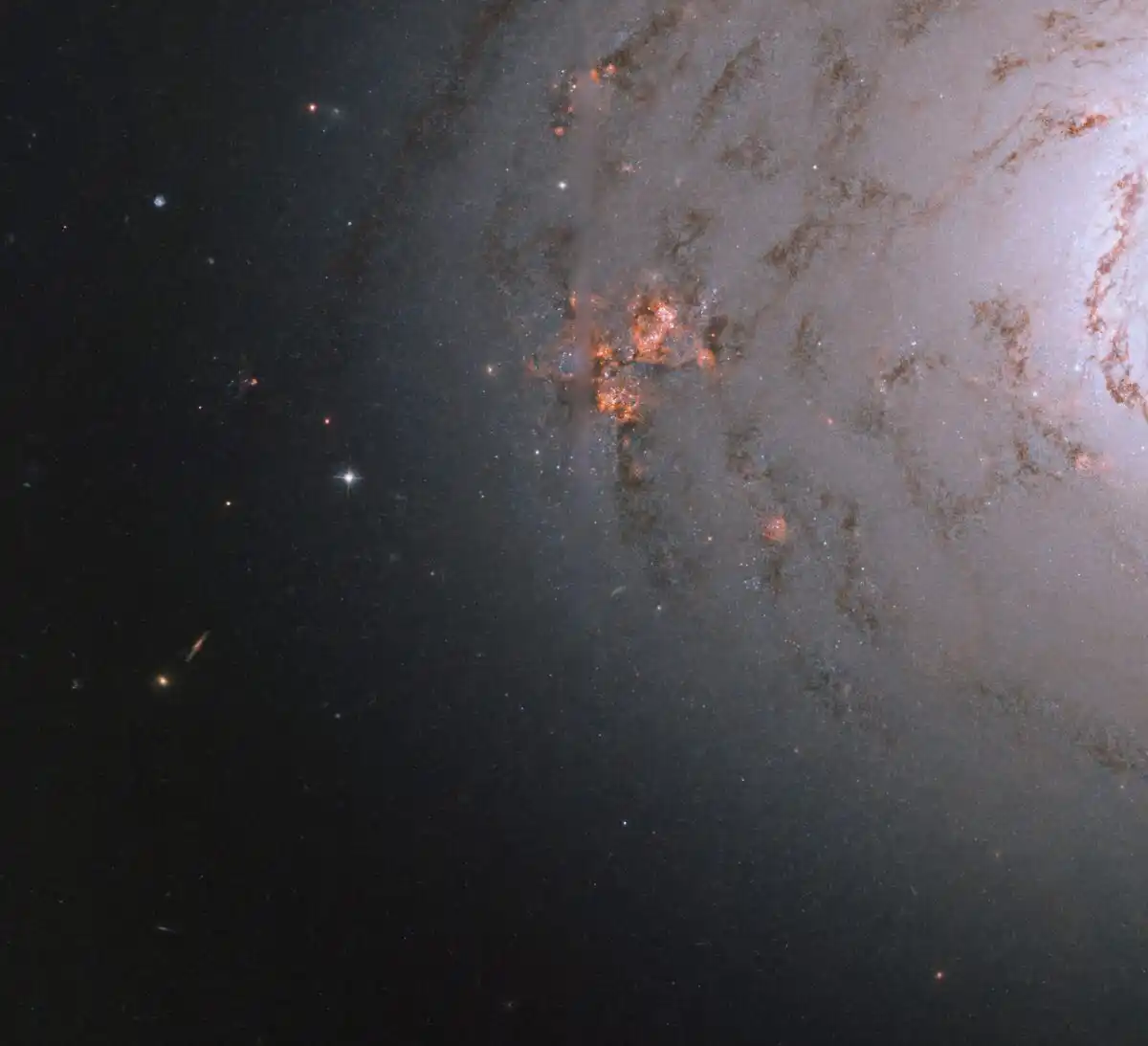
According to Space.com, the final picture was assembled from roughly 20 hours of data gathered through separate luminance, red, green and blue filters, later merged into a single colour composite that showcases the galaxy’s bright core and surrounding arms.
Bayliss noted that the object appeared smaller than she expected when viewed through her 990 mm telescope, adding an extra layer of difficulty during post‑processing.
“The tricky part about galaxies is the processing — for the Croc eye, the challenge was that it was a lot smaller than I thought in my 990mm scope but I was able to crop in a bit,” she explained.
Balancing Bright Core and Faint Outer Arms
Creating a balanced image of M94 required handling a large contrast gap between its luminous nucleus and the dimmer outskirts. Bayliss employed HDR compression to lift details in the centre while preserving the faint structures, and paid special attention to the synthetic luminance channel derived from the LRGB data set.
Vermont’s weather added another obstacle, as deep‑sky imaging thrives on moonless, cloud‑free nights. Bayliss remarked that obtaining two consecutive clear evenings without lunar interference was a rare occurrence.
“The other challenge is getting dark nights with no moon for galaxies and clear nights as we don’t get that many clear nights in Vermont — so it was awesome to get two nights in quick succession with no clouds, no moon and clear skies — a miracle!”
Whirlpool Galaxy Captured Using the Same Gear
Prior to tackling Messier 94, Bayliss turned her telescope toward Messier 51, the Whirlpool galaxy. Observations carried out in February employed standard RGB filters together with hydrogen‑alpha, accumulating a total of 16 hours of exposure before the final composite was produced.
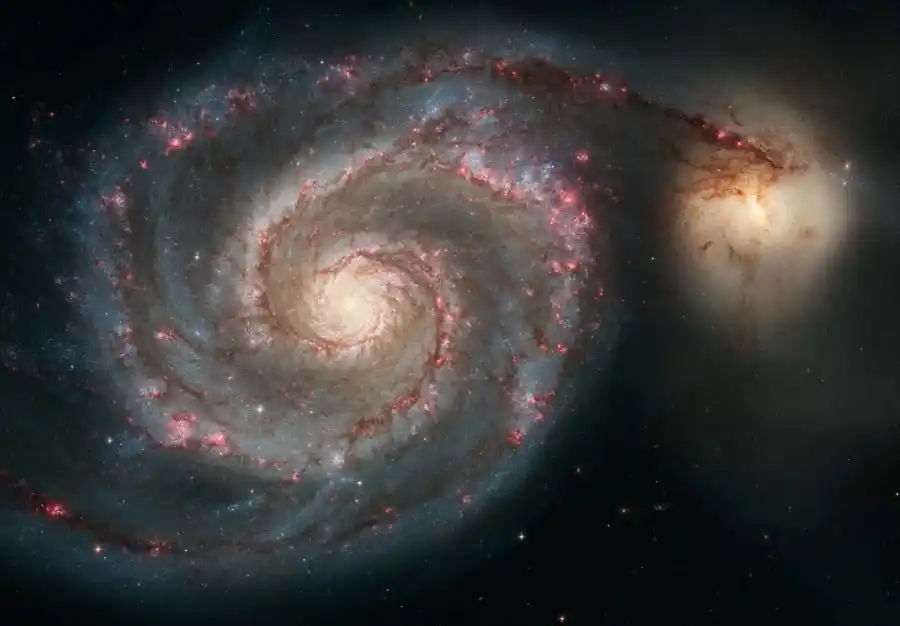
The composition also includes NGC 5195, a smaller companion galaxy that lies near one of M51’s arms. NASA notes that past close encounters with NGC 5195 may have amplified the Whirlpool’s striking spiral pattern.
This article has been fact checked for accuracy, with information verified against reputable sources. Learn more about us and our editorial process.
Last reviewed on .
Article history
- Latest version
Reference(s)
- Wood, Anthony. “Amateur astronomer captures detailed photos of Croc's Eye and Whirlpool galaxies from backyard observatory.”, April 29, 2025 Space <https://www.space.com/stargazing/amateur-astronomer-captures-detailed-photos-of-crocs-eye-and-whirlpool-galaxies-from-backyard-observatory>.
Cite this page:
- Posted by Karan Das