NASA’s X-59 Completes Its First Supersonic Flight, Marking a Major Milestone in Aviation
NASA’s X-59 revolutionizes air travel by achieving supersonic speeds quietly, paving the way for future commercial flights
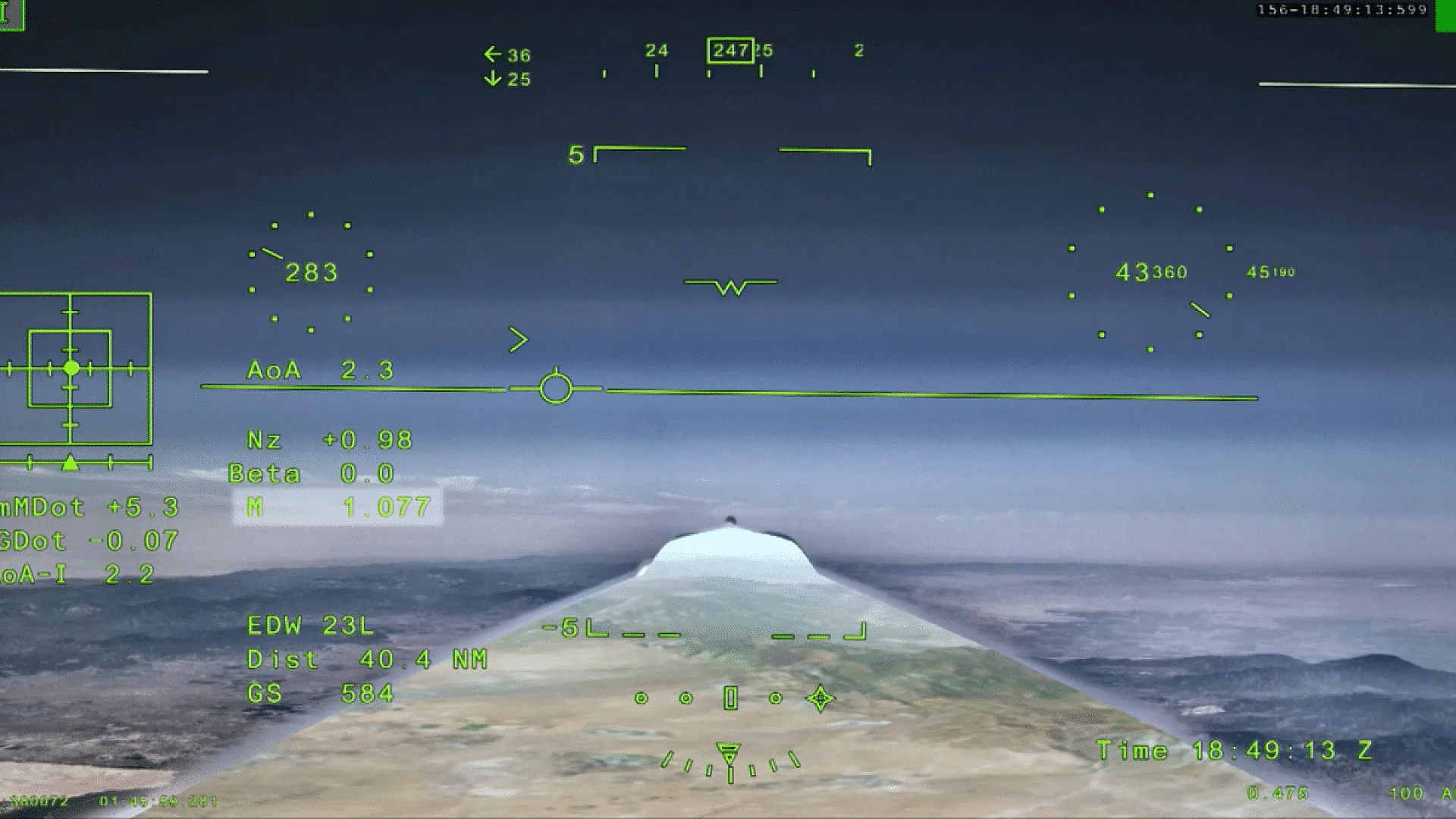
On June 5, 2026, NASA’s X‑59 experimental aircraft broke the sound barrier while keeping its acoustic signature unusually low, a development that could reshape commercial aviation by allowing supersonic flights over land without loud booms.
Breakthrough in Low‑Boom Supersonic Flight
The aircraft, part of NASA’s Quesst research effort, generated a soft “thump” instead of a traditional sonic boom, giving researchers a chance to assess how communities might react to quieter supersonic travel and to collect data needed for future noise regulations.
Details of the First Supersonic Run
At 11:08 a.m. PDT, test pilot Jim “Clue” Less guided the X‑59 into a flight that lasted 81 minutes and climbed to 43 400 feet. During the ascent the plane accelerated past Mach 1, reaching a peak speed of Mach 1.1 while maintaining stable handling in both subsonic and supersonic phases.
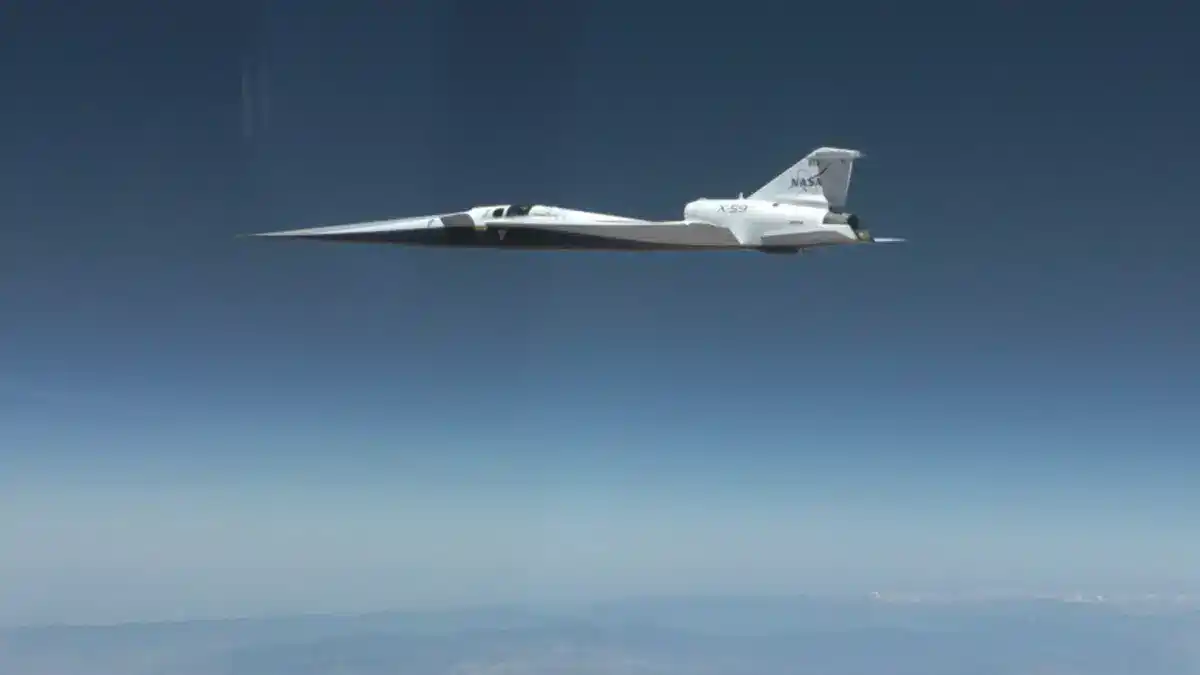
Credit: NASA / Lori Losey
Plans to Reach Higher Speeds
NASA Administrator Jared Isaacman highlighted the program’s rapid cadence, noting that the team has logged 16 flights in the past three months since the debut on Oct. 28, 2025. The next test aims to push the X‑59 to Mach 1.4 at roughly 55 000 feet, a condition that mimics realistic cruise scenarios for future overland supersonic routes. A chase aircraft will accompany the test to record performance metrics and verify acoustic data.
Government Perspective on the Project
Michael Kratsios, Assistant to the President for Science and Technology, praised the achievement as evidence of continued U.S. leadership in aerospace innovation, linking the milestone to broader efforts to revive supersonic travel under the current administration.
“The X‑59’s first supersonic flight is a testament to America’s enduring leadership in science, engineering, and aerospace innovation. This achievement comes as the Trump Administration continues work to unleash supersonic flight and enable American ingenuity.”
Implications for Future Airliners
The Quesst mission aims to deliver design tools and validated low‑boom technologies to commercial manufacturers, paving the way for aircraft that can cross the country at supersonic speeds while meeting emerging noise standards. Data gathered from the X‑59 will be shared with national and international regulators to help shape science‑based limits on sonic signatures.
If the program succeeds, airlines could eventually offer faster point‑to‑point service without disturbing communities below, potentially reshaping passenger expectations and airline business models.
This article has been fact checked for accuracy, with information verified against reputable sources. Learn more about us and our editorial process.
Last reviewed on .
Article history
- Latest version
Cite this page:
- Posted by Karan Das