Laser Origami Could Slash Costs And Cargo For Moon Missions
Scientists bend lunar glass with lasers to advance off-world construction and on-demand manufacturing
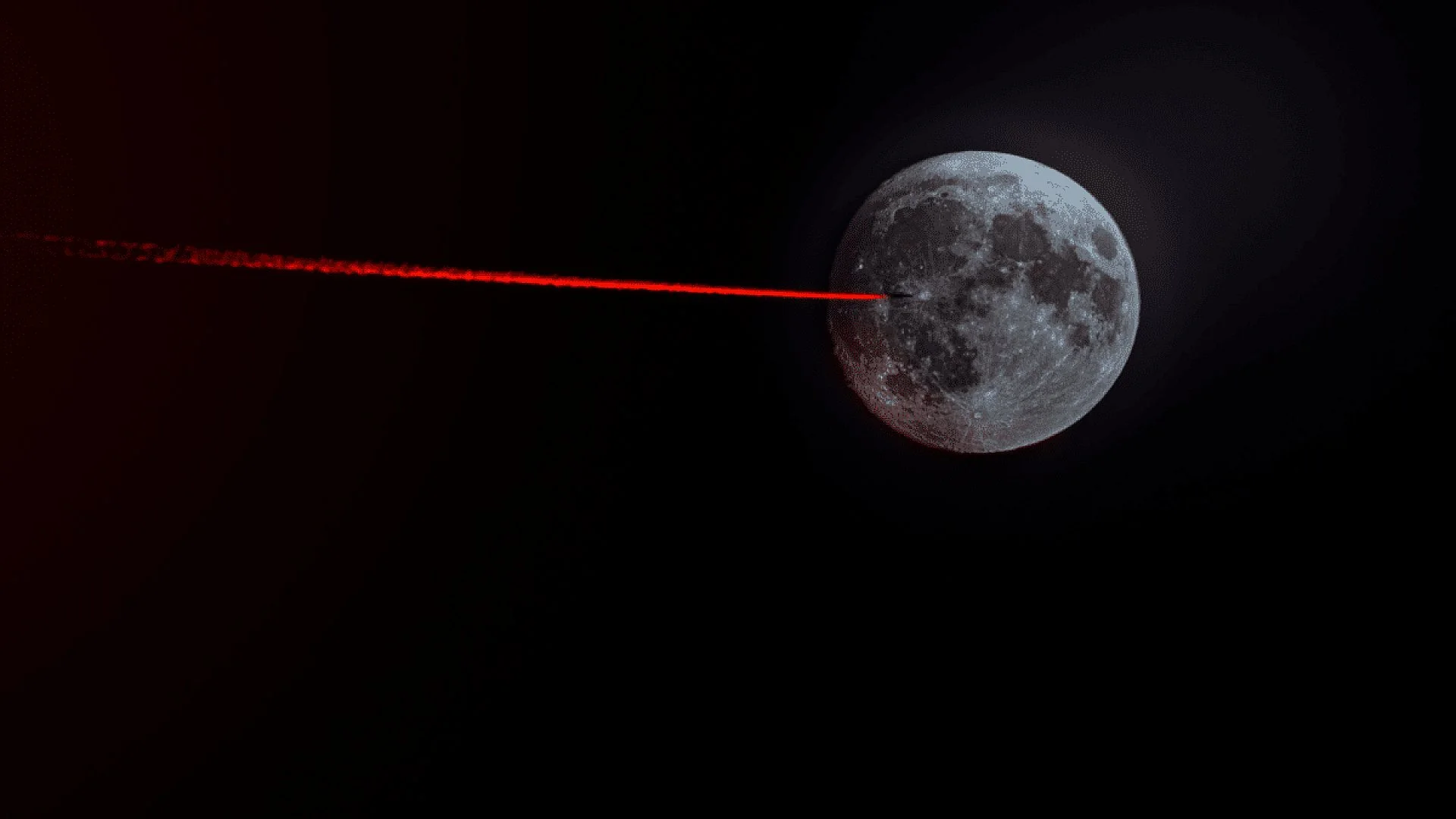
Researchers at the University of Florida have demonstrated a laser‑driven technique that can reshape lunar regolith into glass components, offering a pathway for astronauts to fabricate structures directly on the Moon using locally sourced material.
Laser‑Based Fabrication Could Enable Moon‑Built Structures
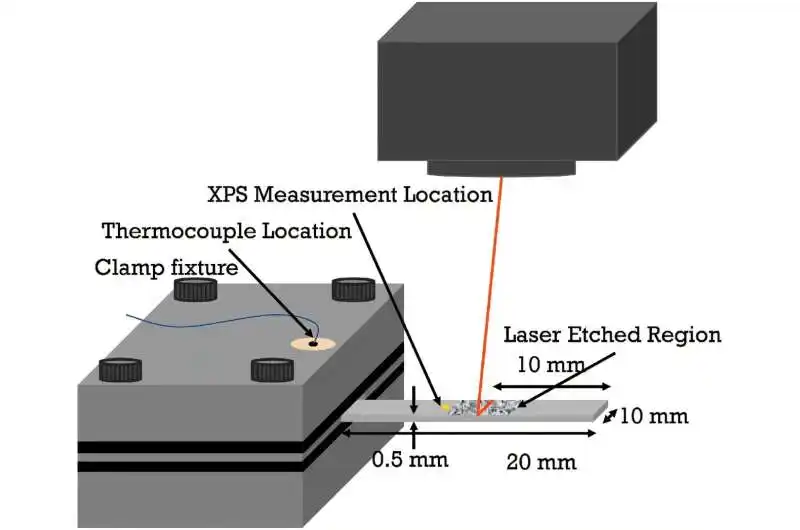
Conventional Earth manufacturing depends on large‑scale machinery and molds, which are impractical for off‑world projects. Laser forming relies on a focused beam of light to heat, bend, and reshape material without physical contact. By tuning laser power, scan speed and the number of passes, operators can produce components that match exact design specifications.
Project leader Victoria M. Miller, Ph.D., highlights the broader relevance: “It is also for Earth applications. We’re focused on flexible manufacturing for defense applications.” The same approach could streamline on‑demand production in remote or high‑security settings.
.@UFAstraeus researchers are exploring how lasers could help astronauts build structures on the moon using materials already available there. https://t.co/DtOnnvNfoI
— FLORIDA (@UF) June 4, 2026
Cutting Launch Weight Through On‑Demand Part Production
Shipping construction hardware to orbit is extremely expensive and logistically demanding. Miller notes the challenge: “When something breaks in space, you don’t want to have to carry, you know, three spares of every part. It would be really convenient if you could just make a spare part on demand.”
Laser forming delivers a lightweight, compact alternative. Because it eliminates the need for bulky Earth‑based equipment, the system adds only a modest mass to a spacecraft, an important advantage when every kilogram counts.
“So when we build things on Earth, we have machinery,” Miller said. “And just massive amounts of machinery and weight and volume are not really constraints when we’re doing conventional manufacturing on Earth.”
Testing Laser Bending Under Simulated Lunar Conditions
The University of Florida team evaluated laser performance across different atmospheric environments, a prerequisite for operation in the vacuum of space. Trials with a lunar regolith simulant showed that the material can be vitrified and subsequently bent with precise laser heating.
“One of the experiments that we did, was having a collaborator make a piece of glass out of lunar soil simulant,” Miller said. “And then we used our laser bending technology to bend the lunar glass.”
The study, published in Lasers in Manufacturing and Materials Processing, indicates that astronauts could fabricate shelters, tools and replacement components directly from Moon surface material, dramatically lowering payload mass and mission expense.
This article has been fact checked for accuracy, with information verified against reputable sources. Learn more about us and our editorial process.
Last reviewed on .
Article history
- Latest version
Reference(s)
- “https://news.ufl.edu/2026/06/laser-origami/.” <https://t.co/DtOnnvNfoI>.
- Hinds, Emily. “How laser “origami” could build structures in space.”, June 3, 2026 <https://news.ufl.edu/2026/06/laser-origami/>.
Cite this page:
- Posted by Karan Das