Scientists Have Been Tracking This Whale for 40 Years and Still Don’t Know Its Species
Scientists finally decode the mysterious deep-sea whale song heard for 40 years
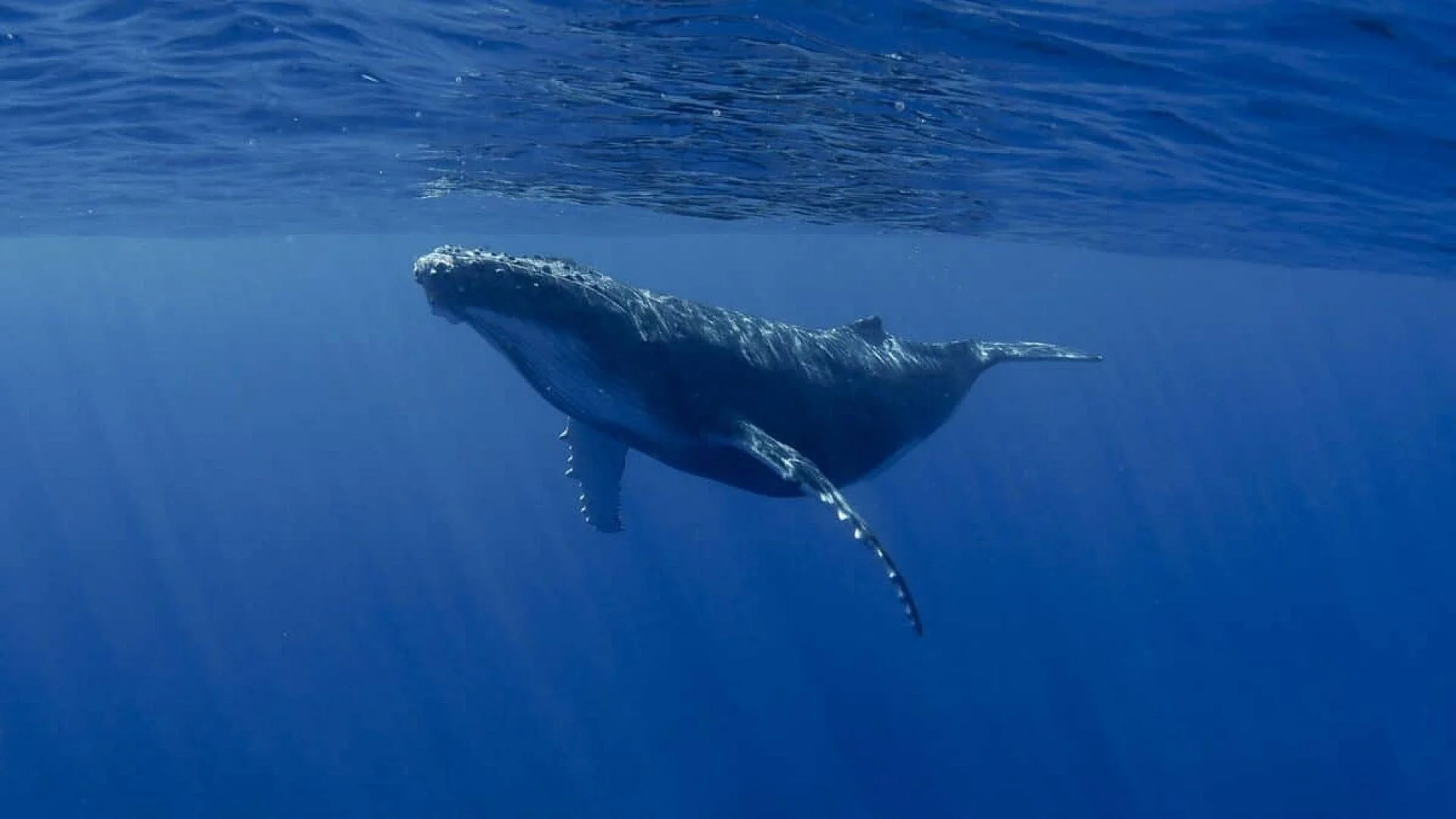
For close to forty years a mysterious acoustic pulse has been drifting across the North Pacific, confounding marine scientists. The tone sits at 52 hertz—well above the range recorded for any known whale species—and the creature that produces it, informally called “52 Blue,” has become known as the ocean’s most solitary cetacean because no other animal has been heard echoing the same frequency.
The first detection occurred in December 1992 when Joe George, a technician stationed at Naval Air Station Whidbey Island, intercepted the odd signal while operating the Sound Surveillance System (SOSUS). Originally designed to locate submarines during the Cold War, the array unintentionally captured a vocalization that lay far beyond the 10‑40 hertz band typical of blue and fin whales.
A few years earlier, scientists at the Woods Hole Oceanographic Institution had recorded a comparable tone while surveying the North Pacific in 1989. After the Navy declassified those recordings, researchers were able to study them in depth, leading to a 2004 analysis published in Deep‑Sea Research. The paper noted:
“it is perhaps difficult to accept that if this was a whale, that there could have been only one of this kind in this large oceanic expanse, yet in spite of comprehensive, careful monitoring year-round, only one call with these characteristics has been found anywhere, and there has been only one source each season.”
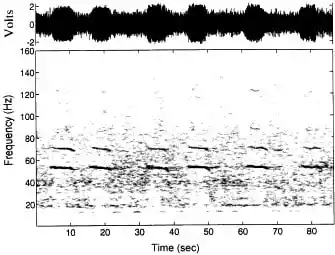
The 52 hertz frequency is striking because no known whale species produces sounds that high. Cornell University’s marine‑biology expert Christopher Clark explained that the call retains many of the hallmarks of a classic blue‑whale song, yet it sits at an unheard‑of pitch. He remarked:
“The animal’s singing with a lot of the same features of a typical blue whale song. Blue whales, fin whales and humpback whales: all these whales can hear this guy, they’re not deaf. He’s just odd.”
One line of speculation suggests the animal might be a deaf blue whale attempting to broadcast despite impaired hearing, but the persistence of species‑specific song elements means the puzzle remains unsolved.
Hybrid Origins and a Shifting Ocean
Another theory proposes that the signal could belong to a hybrid between blue and fin whales—a so‑called “flue” whale. Fin whales are far more abundant than their blue counterparts; recent counts near Iceland report roughly 37 000 fin whales compared with only about 3 000 blue whales. NOAA marine biologist Aimee Lang highlighted the implications:
“Three thousand is not a very high density of animals. So you can imagine if a female blue is looking for a mate and she can’t find a blue whale but there’s fin whales all over the place, she’ll choose one of them.”
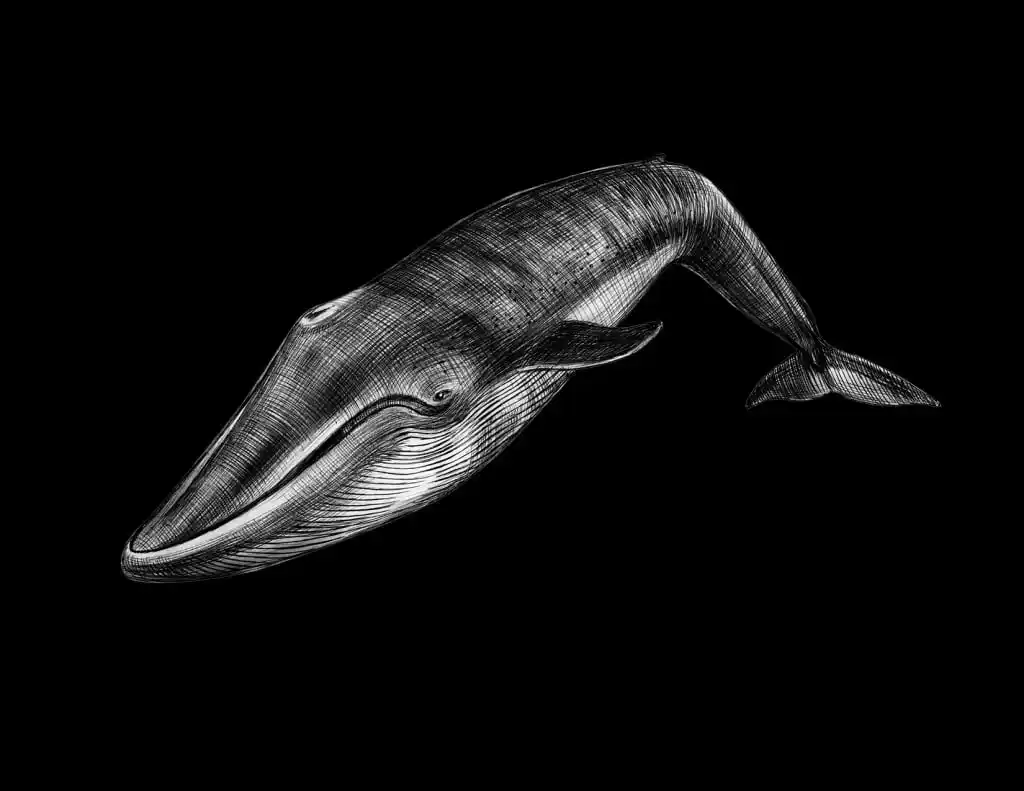
As oceanic conditions evolve, populations may become more fragmented, increasing the likelihood of inter‑species breeding and potentially altering the acoustic landscape of these giants.
The Power Behind Whale Songs
Blue whales can generate sounds exceeding 188 decibels—louder than a jet engine—allowing their calls to travel thousands of miles beneath the surface. These immense vocalizations serve multiple functions, from navigation to coordinated feeding, and help maintain social cohesion across vast ocean basins.
Remarkably, the 52 hertz call has persisted for nearly four decades, suggesting a relentless effort by the lone singer to reach any listeners. Ongoing research into cetacean acoustics is beginning to decode the intricate patterns embedded in such songs, offering fresh insights into the communication strategies of the deep‑sea megafauna.
This article has been fact checked for accuracy, with information verified against reputable sources. Learn more about us and our editorial process.
Last reviewed on .
Article history
- Latest version
Reference(s)
- Chinnery, Chadwick. “Home - Woods Hole Oceanographic Institution.”, April 25, 2023 Woods Hole Oceanographic Institution <https://www.whoi.edu/>.
- Watkins, William A.., et al. “Twelve years of tracking 52-Hz whale calls from a unique source in the North Pacific.” Deep Sea Research Part I: Oceanographic Research Papers, vol. 51, no. 12, December 1, 2004, pp. 1889-1901. Elsevier BV, doi: 10.1016/j.dsr.2004.08.006. <https://www.sciencedirect.com/science/article/abs/pii/S0967063704001682>.
- “Aimée Lang, Ph.D..” NOAA <https://www.fisheries.noaa.gov/contact/aimee-lang-phd>.
Cite this page:
- Posted by Karan Das