Why Your Feed Shows More Skydiving Than Sitting at Home and the Hidden Rarity Bias
Social media constantly showcases rare events, leading users to overestimate their frequency and feel compelled to share similar experiences.
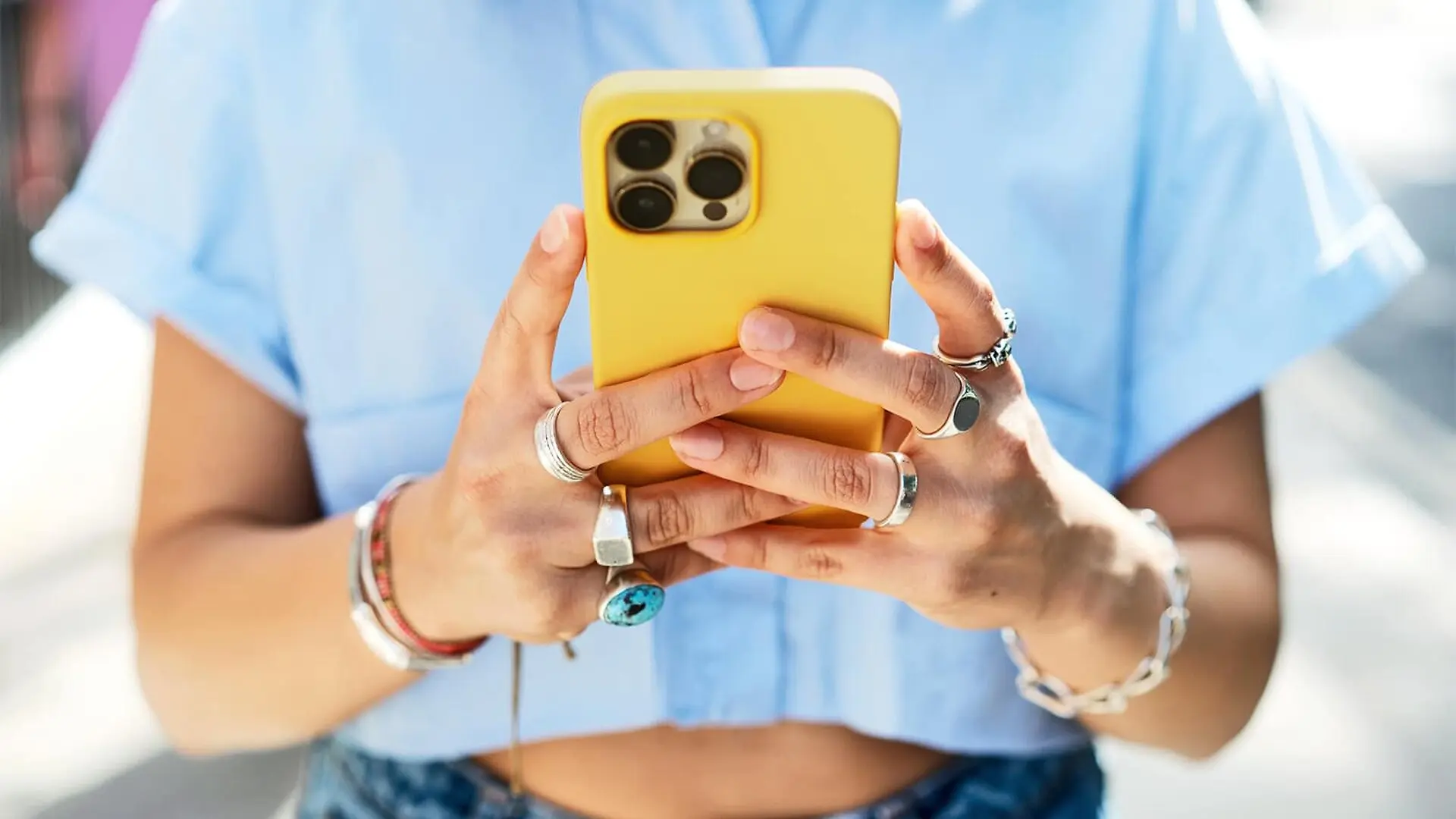
New research from Virginia Tech reveals that people’s innate attraction to novelty fuels a systematic distortion in social‑media feeds, prompting users to over‑share rare experiences and underestimate everyday reality.
Assistant professor Alice Jang and business‑information‑technology chair Viswanath Venkatesh, both of the Pamplin College of Business, coined the term “rareness bias diffusion” to describe how the constant stream of exotic travel photos, extreme sports clips, and other sensational content leads users to believe such events are far more common than they truly are.
“Many users assume everyone else is jet‑setting to Paris or undertaking thrilling adventures, while they themselves are simply going about ordinary routines,” Jang explains. “That perception gap makes ordinary lives feel inadequate, even though most people post only the highlights.”
The pair conducted six controlled experiments to probe why users gravitate toward the extraordinary. Participants were shown fictional narratives about a dystopian city besieged by various monsters. When certain scenarios were presented less frequently, those rarer stories were more likely to be shared, underscoring the preference for novelty.
To extend the findings beyond the laboratory, the researchers built a simulated network of thousands of virtual users interacting with uniquely generated content. The model confirmed that, even without algorithmic amplification, human tendencies alone can propel rare items to wide circulation while everyday moments fade from view.
“This bias is entrenched and not easily remedied,” Jang notes. “Much of the existing literature treats users as rational actors, overlooking the fundamental psychological drivers at play.” Venkatesh adds that awareness of the bias may help individuals recognize social media as a curated highlight reel, potentially mitigating negative self‑comparisons.
Published in MIS Quarterly, the study challenges the notion that algorithmic design is the sole culprit behind misinformation spread. Instead, it points to a baseline human bias that platforms cannot fully correct, placing the onus on users to critically evaluate the content they consume.
Understanding that feeds are saturated with extraordinary posts because of personal engagement patterns can empower users to adjust expectations and protect themselves from the skewed reality that social media often presents.
This article has been fact checked for accuracy, with information verified against reputable sources. Learn more about us and our editorial process.
Last reviewed on .
Article history
- Latest version
Reference(s)
- Jang, Alice Jayoung., et al. “Information Sharing on Social Media: Introducing the Role of Exposure Frequency and Its Emergent Effects.” MIS Quarterly, January 28, 2026, pp. 1-29. MIS Quarterly, doi: 10.25300/MISQ/2026/17766. <https://doi.org/10.25300/MISQ/2026/17766>.
- Posted by Asif Iqbal