Canadian Wildfire Smoke Slashes Bird Sightings Across New York
Rising wildfire smoke threatens birds—learn how climate‑driven pollution impacts avian health and survival.
Smoke from Canadian Forest Fires Reduces Bird Records in New York
A recent investigation reveals that airborne particles from large‑scale fires in Canada have measurable effects on avian activity reported by birdwatchers throughout New York State.
Air‑Quality Deterioration Mirrors Decline in Species Detectability
Researchers examined concentrations of fine particulate matter (PM2.5) during the 2021‑2023 breeding periods, noting that 2023 experienced the most severe spikes as smoke from record‑setting Canadian wildfires lingered over the region in June and July. At several points, measured levels surpassed World Health Organization limits by up to eightfold.
Citizen‑Science Data Integrated with Pollution Metrics
By aligning the PM2.5 readings with close to 99,000 observation lists from Cornell University’s eBird platform, the team assessed how air quality variations influenced reported bird presence. The analysis focused on 84 species, employing stringent data‑screening protocols to mitigate observer bias.
Nearly Half of Examined Birds Show Reduced Visibility
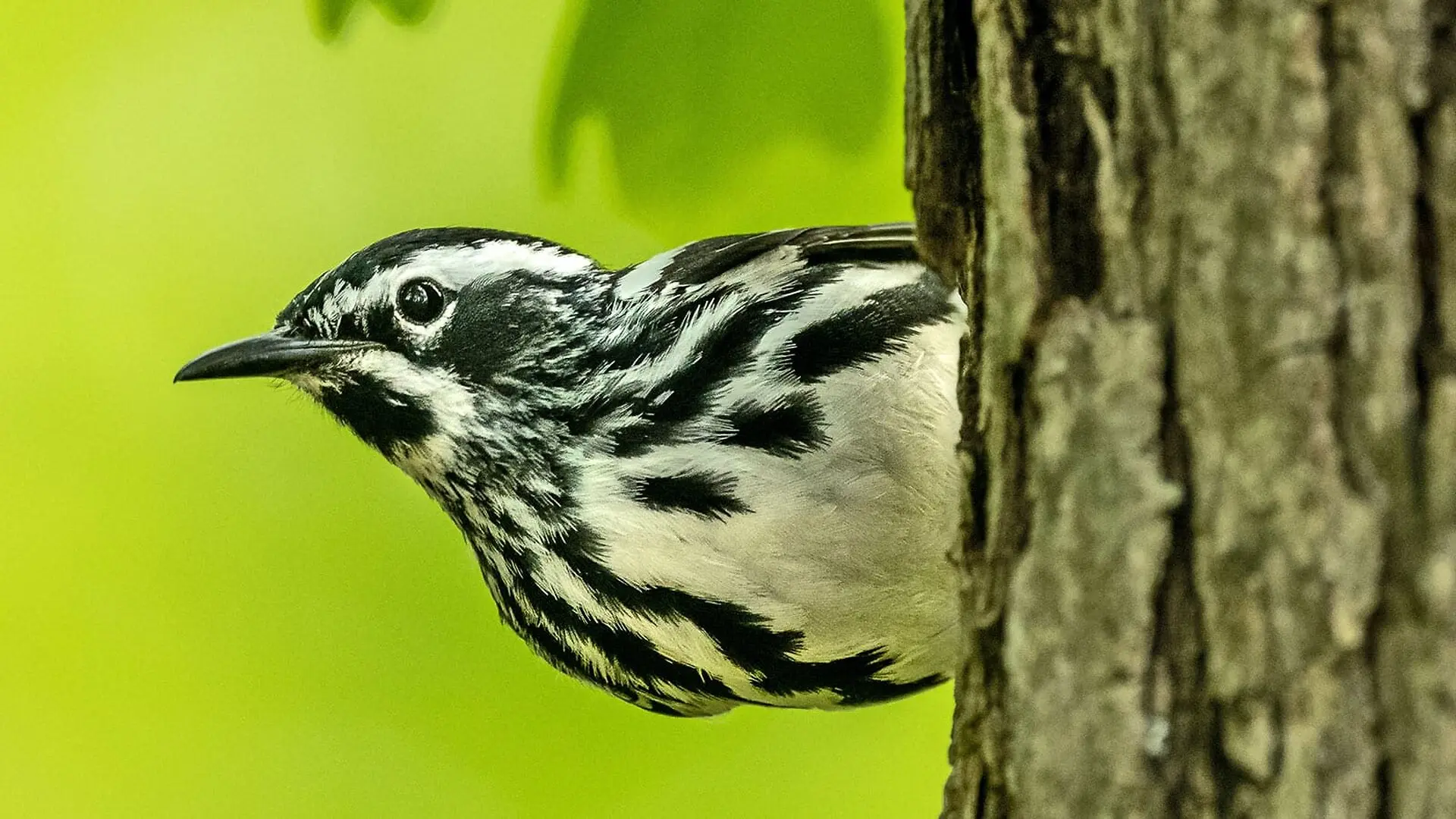
The study identified 40 species whose likelihood of being documented fell as particulate concentrations rose. This group predominantly comprised migratory forest dwellers such as warblers, thrushes and vireos. One possible explanation offered by the lead author, Festus Adegbola, a doctoral candidate at the University at Buffalo, is that smoky conditions may suppress vocalization and limit movement, causing birds to remain hidden within dense canopy layers.
Some Species Appear More Frequently, Yet Context Matters
Conversely, 15 taxa were recorded more often during higher PM2.5 episodes, while 29 showed no statistically significant change. Many of these are aerial insectivores or wetland specialists. Co‑author Adam Wilson cautions that increased sightings likely reflect altered observer locations rather than a direct benefit to the birds themselves, noting that open‑habitat species may become more conspicuous when birders adjust their routes in response to haze.
Implications for Biodiversity Monitoring
The findings underscore the importance of distinguishing between genuine population shifts and temporary reductions in detectability caused by atmospheric pollutants. As climate change drives more intense fire seasons, understanding how smoke exposure influences bird behavior becomes essential for accurate conservation assessments.
“This work serves as an early step toward clarifying species responses to wildfire‑related air contamination,” Wilson added.
Additional contributors to the research are affiliated with both the University at Buffalo and the Cornell Lab of Ornithology.
This article has been fact checked for accuracy, with information verified against reputable sources. Learn more about us and our editorial process.
Last reviewed on .
Article history
- Latest version
Cite this page:
- Posted by Vikram Desai