18 Coastal Egyptian Tombs Near Mediterranean Reveal Sealed Granite Coffin and 24 Gold Tongues
Archaeologists uncover hidden Egyptian burial complex with unusual tombs and 2,000‑year‑old discoveries, revealing new insights into ancient life.
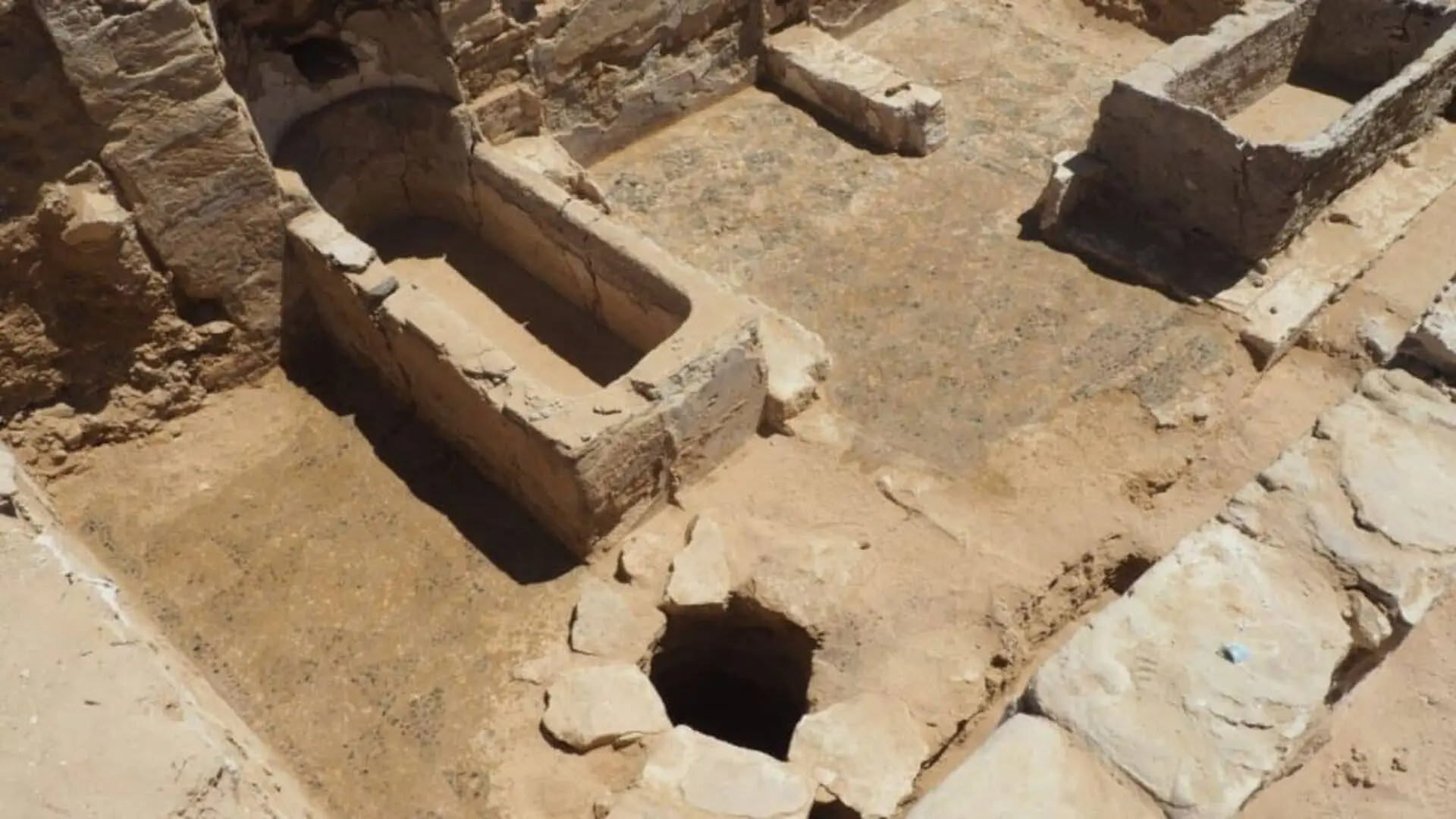
Archaeologists working along Egypt’s Mediterranean shoreline have uncovered a cluster of eighteen tombs at the ancient site of Marina el‑Alamein, revealing a cache of twenty‑four gold ornaments that appear to have been placed in the mouths of the deceased. The discoveries illuminate the complex funerary rites practiced during an era when Egyptian, Greek and Roman customs intertwined.
Located roughly one hundred kilometres west of Alexandria, the burial complex dates to either the Ptolemaic dynasty (322‑30 B.C.) or the subsequent Roman occupation (30 B.C.‑395 A.D.), according to the Egyptian Ministry of Tourism and Antiquities.
Newly Revealed Tombs Uncover Diverse Burial Techniques
The ministry’s translated statement described two distinct construction styles among the excavated graves: eleven were hewn deep into the earth, while the remaining seven were built nearer the surface.
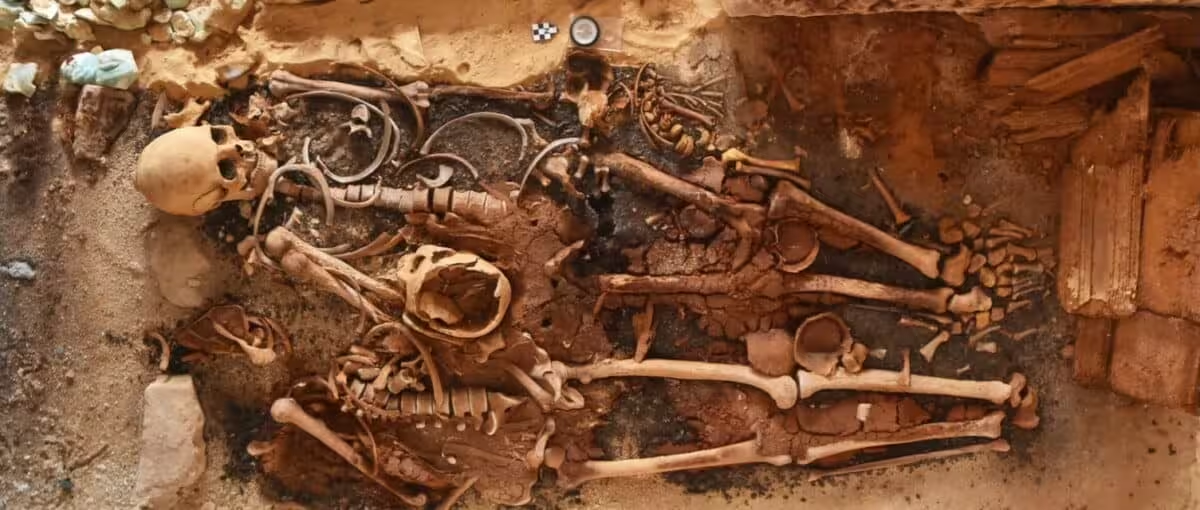
Within the burial chambers, investigators recovered a range of funerary items, including human skeletal remains, an offering altar, and a massive granite sarcophagus. At least two skeletons were identified, although it remains unclear whether the bodies had undergone mummification.
One of the sarcophagi measured roughly eight‑point‑two feet (2.5 m) in length, its lid still sealed at the moment of discovery. Researchers are now analysing the contents of the sealed coffin.
These findings build on earlier work at Marina el‑Alamein, a locale that has repeatedly demonstrated how Egyptian and Graeco‑Roman cultures co‑existed.
Gold Ornaments Reveal Afterlife Beliefs
Among the most striking artifacts are the twenty‑four gold pieces, likely intended to be placed on the lips of mummified bodies. In antiquity, gold was regarded as divine flesh, and such “gold tongues” were thought to enable the departed to speak before Osiris, the ruler of the underworld.
“Gold tongues are a well‑documented feature of some burials dating to the Ptolemaic and Roman periods in Egypt,” he said, adding that they “are generally interpreted as symbolic funerary amulets intended to enable the deceased to speak in the afterlife.”
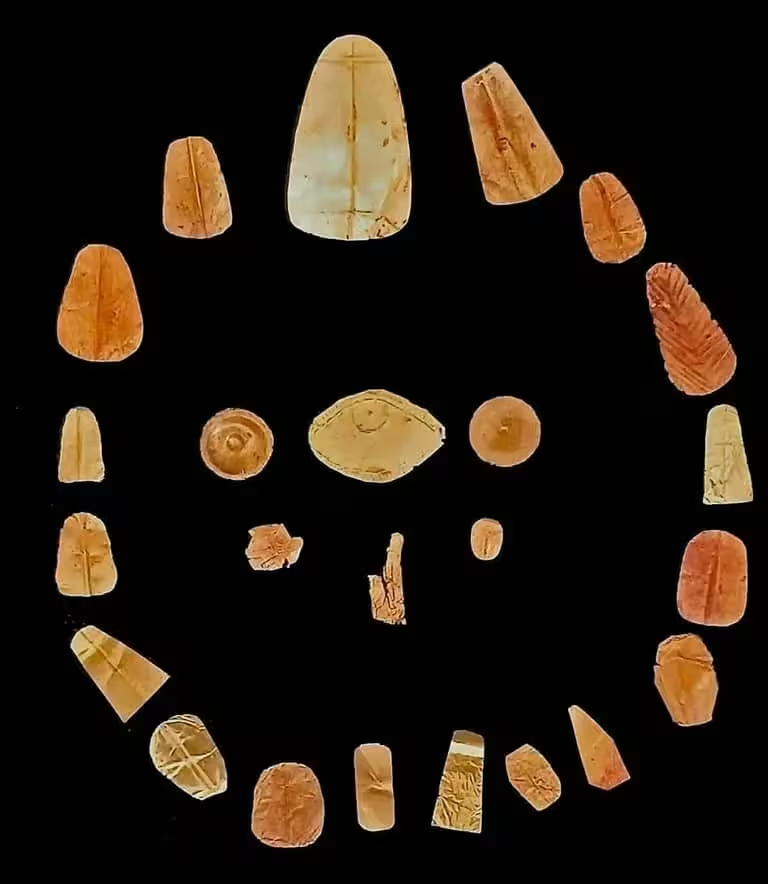
One piece bears the Eye of Horus, a motif traditionally linked to protection. Not all objects have been definitively identified; Attilio Mastrocinque, formerly of the University of Verona, noted that an item resembling a grain ear could instead represent a wheat symbol, a design also common in Greek and Roman iconography.
Statue and Altar Illustrate Cultural Fusion
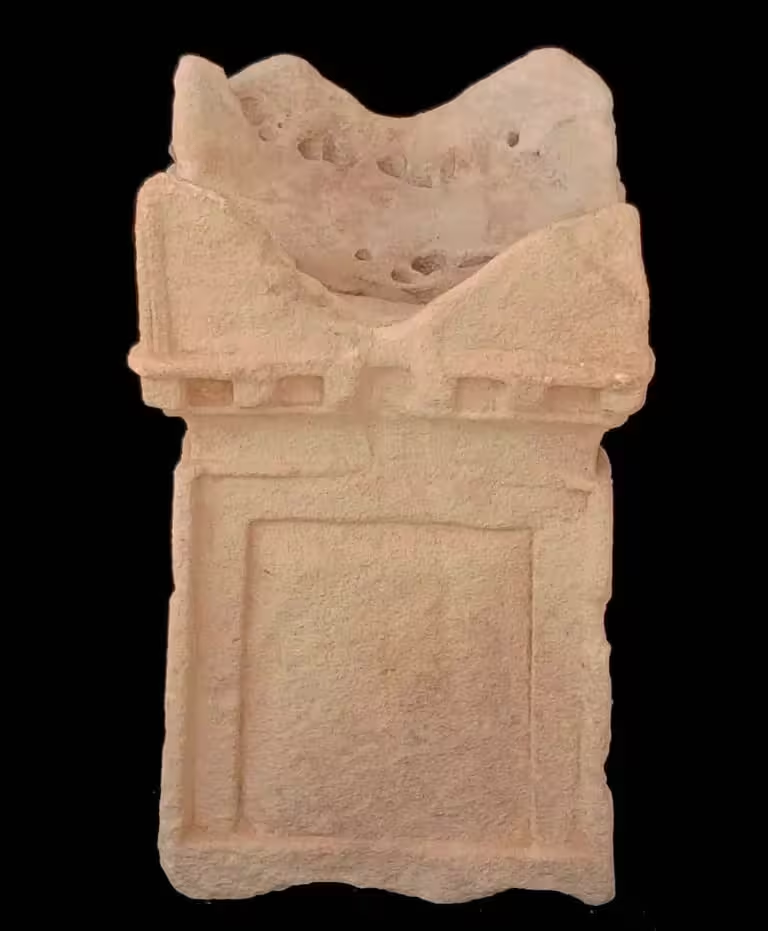
Among the ancillary finds is an offering altar whose base mimics an Egyptian “false door,” an element that historically symbolized a passage between the world of the living and that of the dead.
“The false door is one of the oldest and most recognizable elements of ancient Egyptian funerary architecture. In traditional Egyptian belief, it symbolized the interface between the worlds of the living and the dead, through which the deceased could spiritually receive offerings presented by the living,” explained Hussein.
Krzysztof Jakubiak of the University of Warsaw, who previously worked at Marina el‑Alamein, cautioned that the altar may still be unfinished and urged further analysis before equating it with classic false doors.
The team also recovered a fragmentary statue of Aphrodite, underscoring the penetration of Greek artistic influence into Egyptian burial contexts during the Ptolemaic era.
Dorota Dzierzbicka, director of the Polish‑Egyptian Archaeological Mission, highlighted in a press release from the Polish Centre of Mediterranean Archaeology that the assemblage reflects Marina el‑Alamein’s role as a multicultural hub where Egyptian and Graeco‑Roman traditions merged in both daily life and mortuary practice.
This article has been fact checked for accuracy, with information verified against reputable sources. Learn more about us and our editorial process.
Last reviewed on .
Article history
- Latest version
Cite this page:
- Posted by Vikram Desai