Five‑Ton Roman Sarcophagus Unearthed in Croatia After 1,500 Years Sealed Underground
A sealed sarcophagus uncovered beneath an ancient Croatian cemetery, offering one of the country’s rarest archaeological finds.
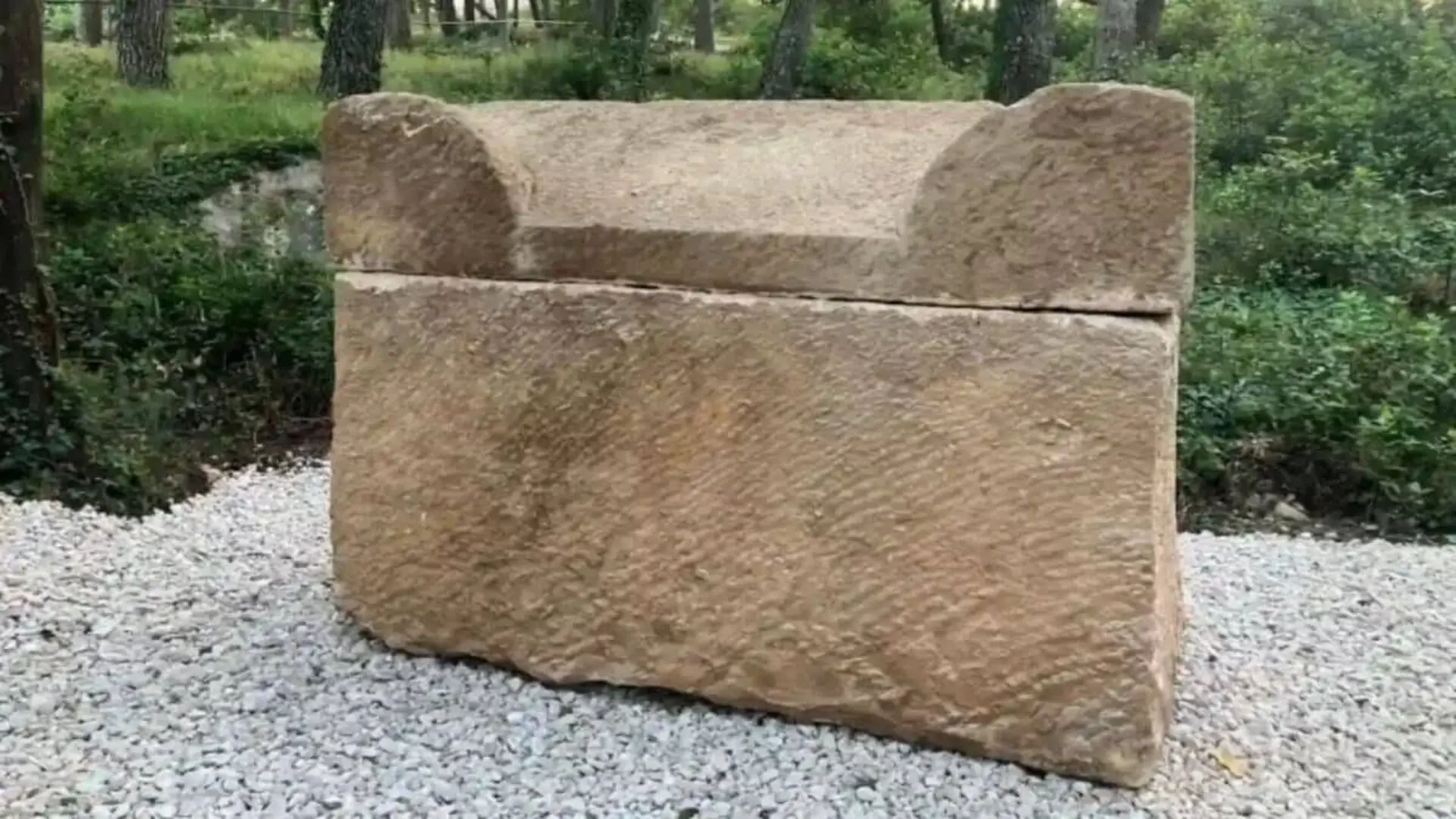
Archaeologists have uncovered a Late Roman stone sarcophagus beneath the historic centre of Cavtat, Croatia, where it remained sealed for roughly 1,500 years. The tomb, discovered in the ancient necropolis of Epidaur, is already being described as one of the country’s most consequential archaeological finds in recent memory.
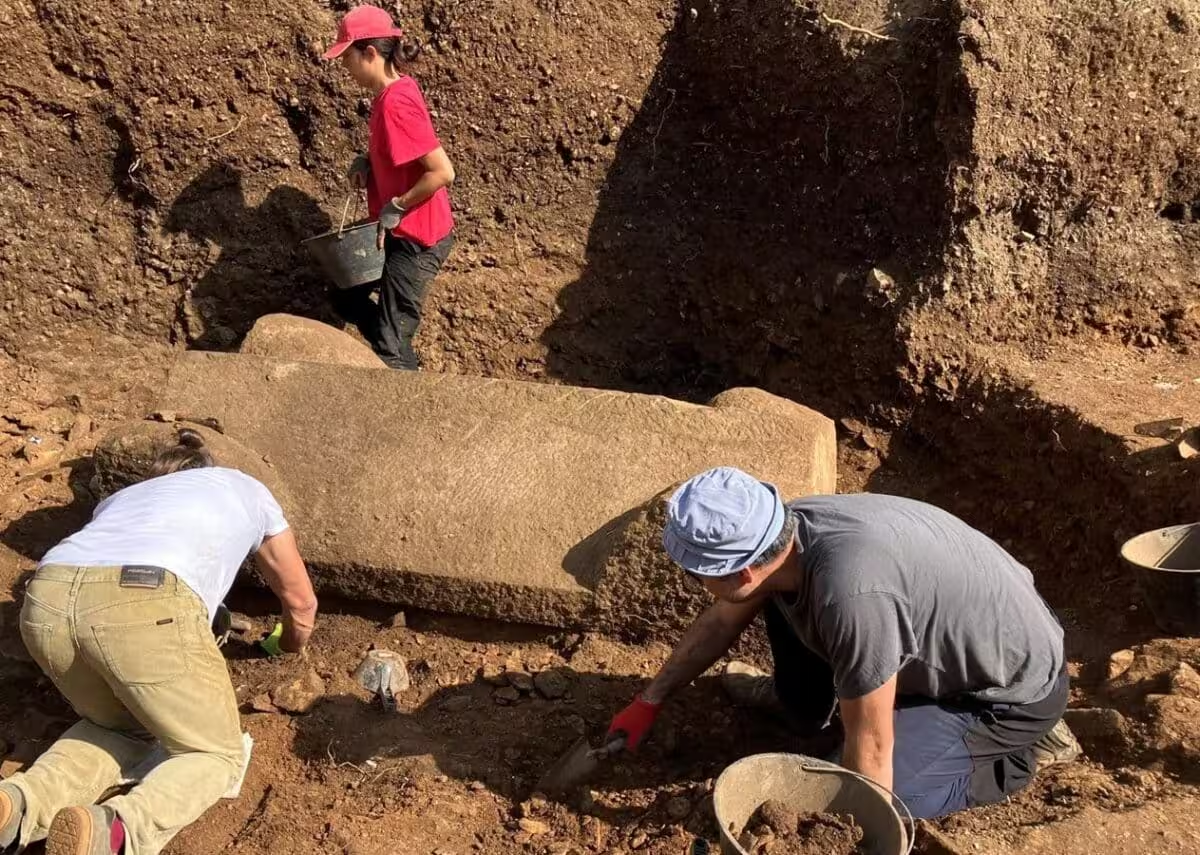
The coffin emerged during work at the Zorina 8 site, where researchers have been probing a segment of the cemetery belonging to the former Roman colony of Epidaur. While a variety of burial types were documented, one particular find quickly captured attention.
According to the Museums and Galleries of Konavle, the stone container stayed in its original setting and had never been opened since antiquity. Even faint traces of the lime mortar that originally sealed the lid were still visible, underscoring how untouched the burial remained through the centuries.
An Intact Roman Tomb Unearthed After Millennia
The sarcophagus is a large Salonitan‑type stone coffin dating to the 4th‑6th centuries AD. It lay about three metres beneath the modern surface and weighs close to five tonnes, making it one of the few fully sealed Late Roman interments identified in Croatia.
When the massive lid was finally raised for transport, archaeologists confirmed that the chamber held the remains of a single individual who had been the primary inhumation. Although the skeleton is poorly preserved, the burial itself shows no signs of disturbance.
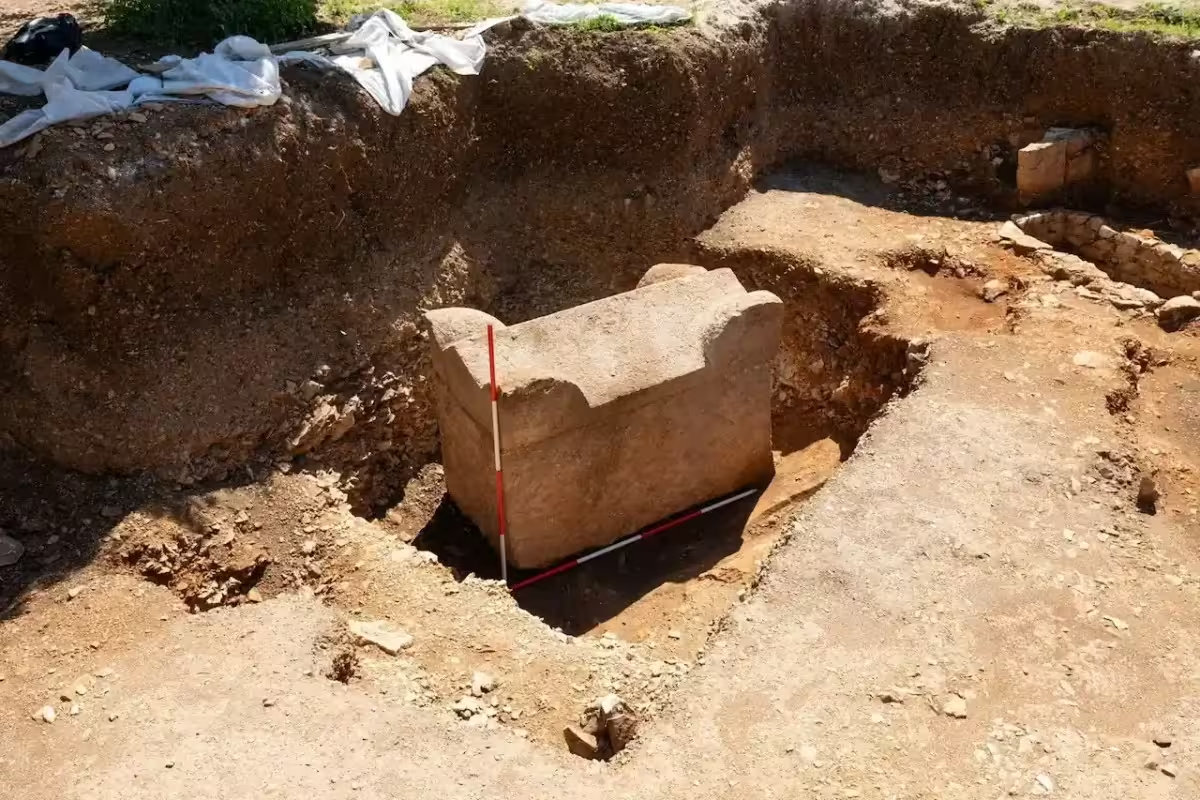
In a translated statement, the excavation team noted that the tomb’s pristine condition offers a rare chance to study a burial that has never been opened since it was originally sealed.
Initial Analyses and Future Laboratory Work
The human remains are described as fragile and fragmented, preventing researchers from establishing the deceased’s age or sex during the first inspection. Nevertheless, organic deposits and other associated materials were retrieved from within the coffin.
These samples, together with fragments of the original lime mortar, have been secured under strict chain‑of‑custody protocols for further study. Planned laboratory work includes radiocarbon dating, spectrometric testing and micromorphological analysis to characterise both the biological remains and the burial matrix.
Even though the skeletal material is not well‑preserved, the organic residues and mortar fragments may yield fresh insights into funerary practices and daily life during the waning centuries of Roman rule in the region.
Conservators Manage Careful Extraction
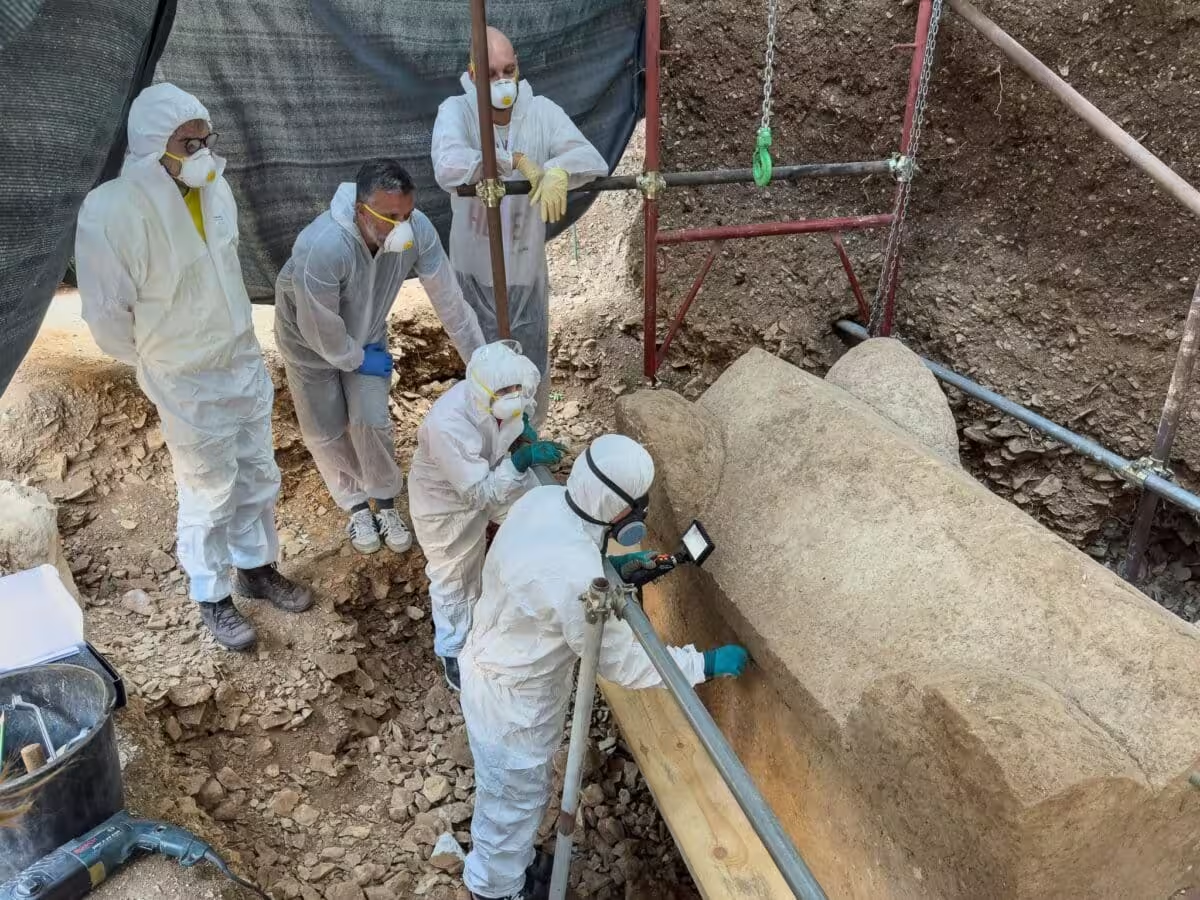
Moving the monument required a meticulously planned operation. First, the heavy stone lid was taken aside, after which the five‑tonne sarcophagus was lifted and transported while preserving its structural integrity. Every step was designed to minimise the risk of damage and keep the ancient burial as intact as possible.
The process was overseen by conservator‑restorer Siniša Bizjak, who worked alongside sculptor Tomislav Šalov and a specialist team responsible for the safe extraction, conveyance and long‑term preservation of the artifact.
This article has been fact checked for accuracy, with information verified against reputable sources. Learn more about us and our editorial process.
Last reviewed on .
Article history
- Latest version
Cite this page:
- Posted by Vikram Desai