New Northern Green Anaconda Species Unveiled in Amazon During Will Smith Nat Geo Filming
Amazon researchers uncover a hidden giant anaconda lineage, DNA shows it diverged nearly 10 million years ago.
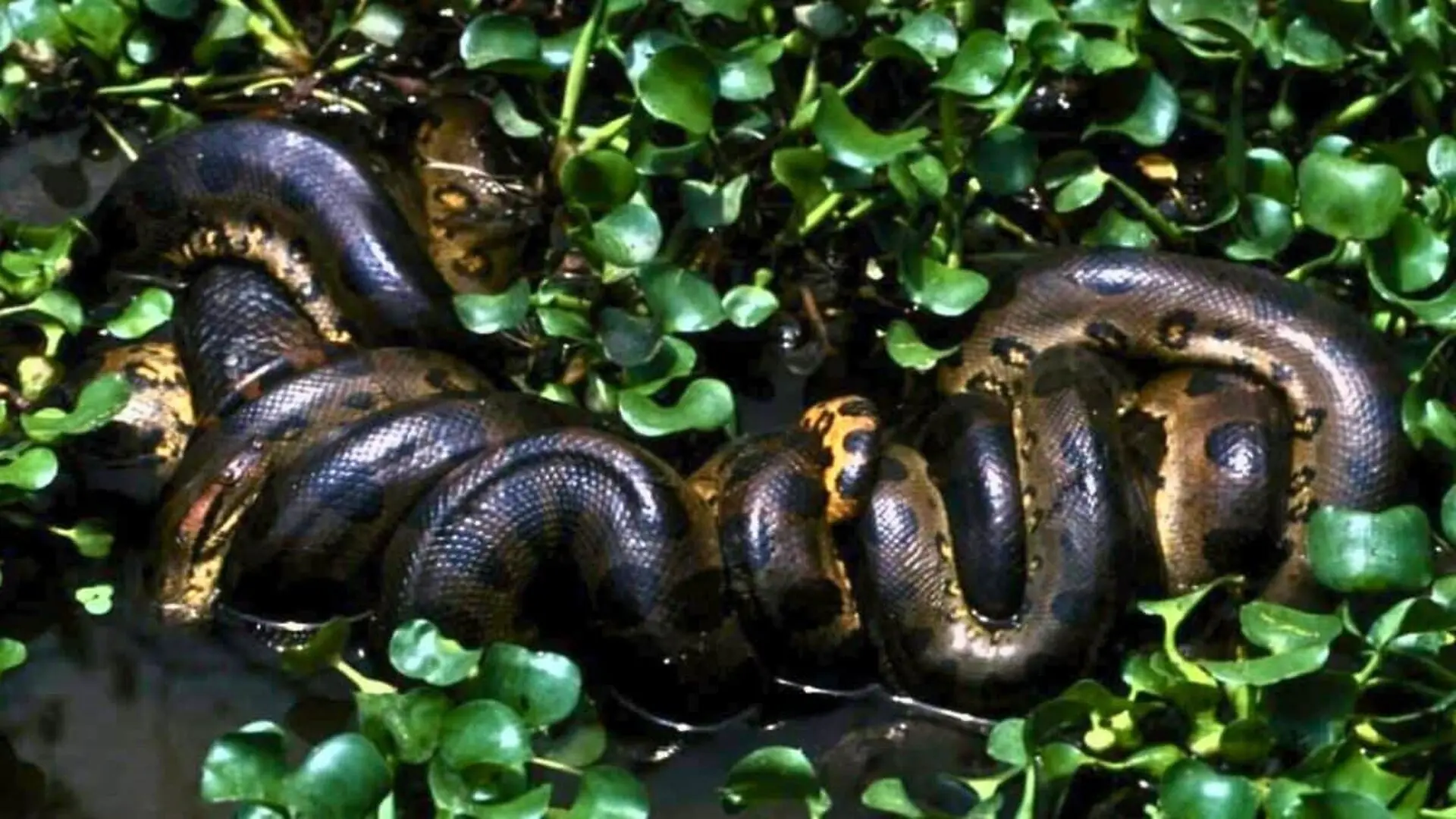
A joint team of researchers and Waorani guides has announced the discovery of a genetically distinct lineage of green anaconda in Ecuador’s Amazon basin, formally described as the northern green anaconda (Eunectes akayima). The finding emerged from a ten‑day canoe expedition that coincided with filming for a National Geographic series featuring Will Smith in Waorani territory.
Fieldwork Deep in Waorani Lands
Led by Professor Bryan Fry of the University of Queensland, the expedition included anaconda specialist Dr. Jesus Rivas of New Mexico Highlands University and a group of Waorani hunters who navigated the river systems of the Baihuaeri Waorani Territory, particularly the Bameno region. Chief Penti Baihua welcomed the scientists, and the indigenous collaborators are listed as co‑authors on the resulting scientific paper.
Genetic Data Split the Species
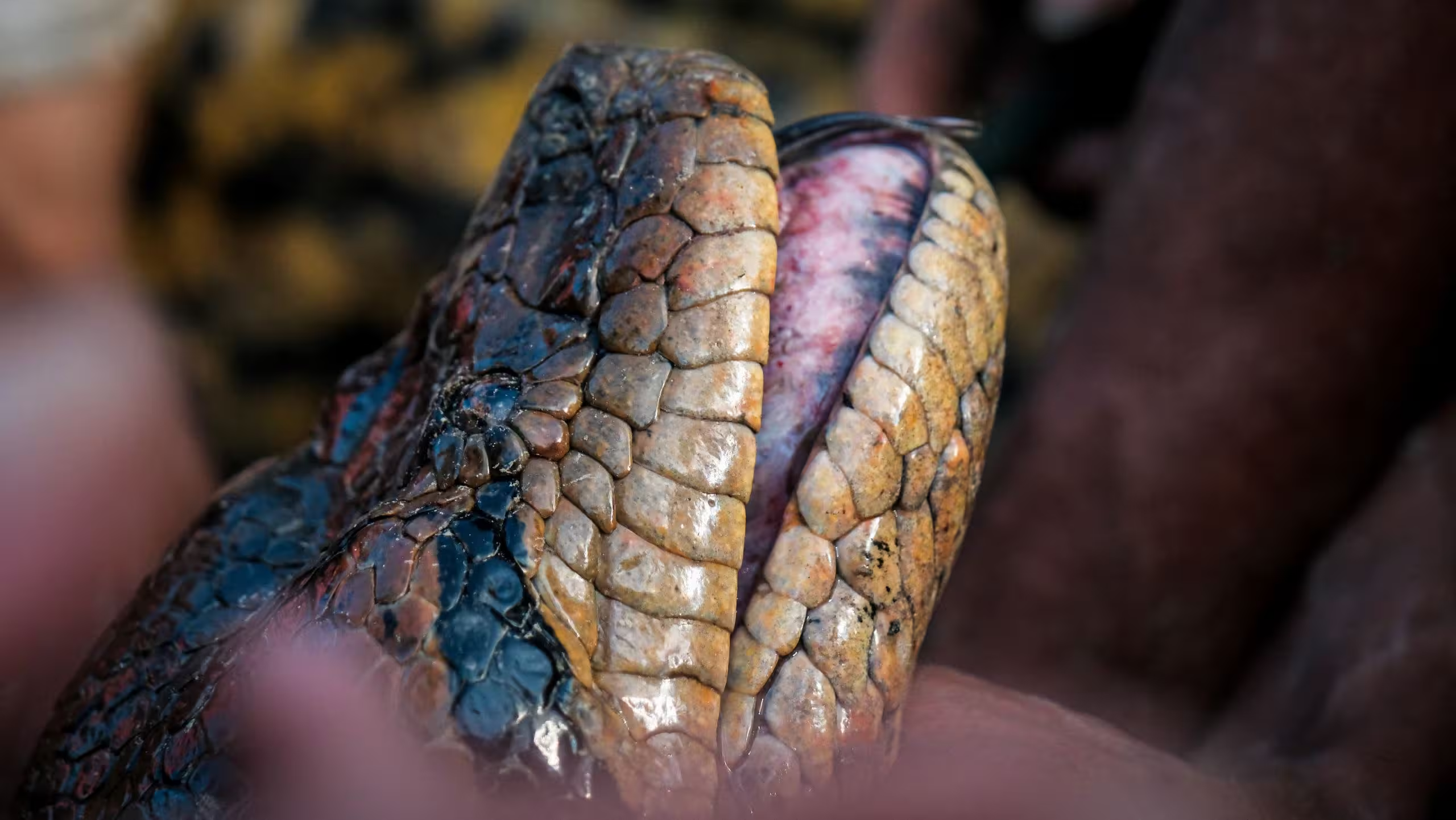
DNA collected from anacondas in northern South America showed a clear separation from populations further south. The analysis revealed a 5.5 % genetic divergence between E. akayima and the southern green anaconda (Eunectes murinus), suggesting the two lineages diverged roughly ten million years ago. Although the snakes are virtually indistinguishable in appearance and behavior, the genetic evidence warranted recognition of a separate species, a result now published in the journal Diversity.
Previous classifications had treated all South American green anacondas as a single species. Genetic sampling from Ecuador and Brazil produced two distinct groups, prompting the formal naming of the northern population as Eunectes akayima while retaining Eunectes murinus for the southern form.
Size Estimates Vary Across Sources
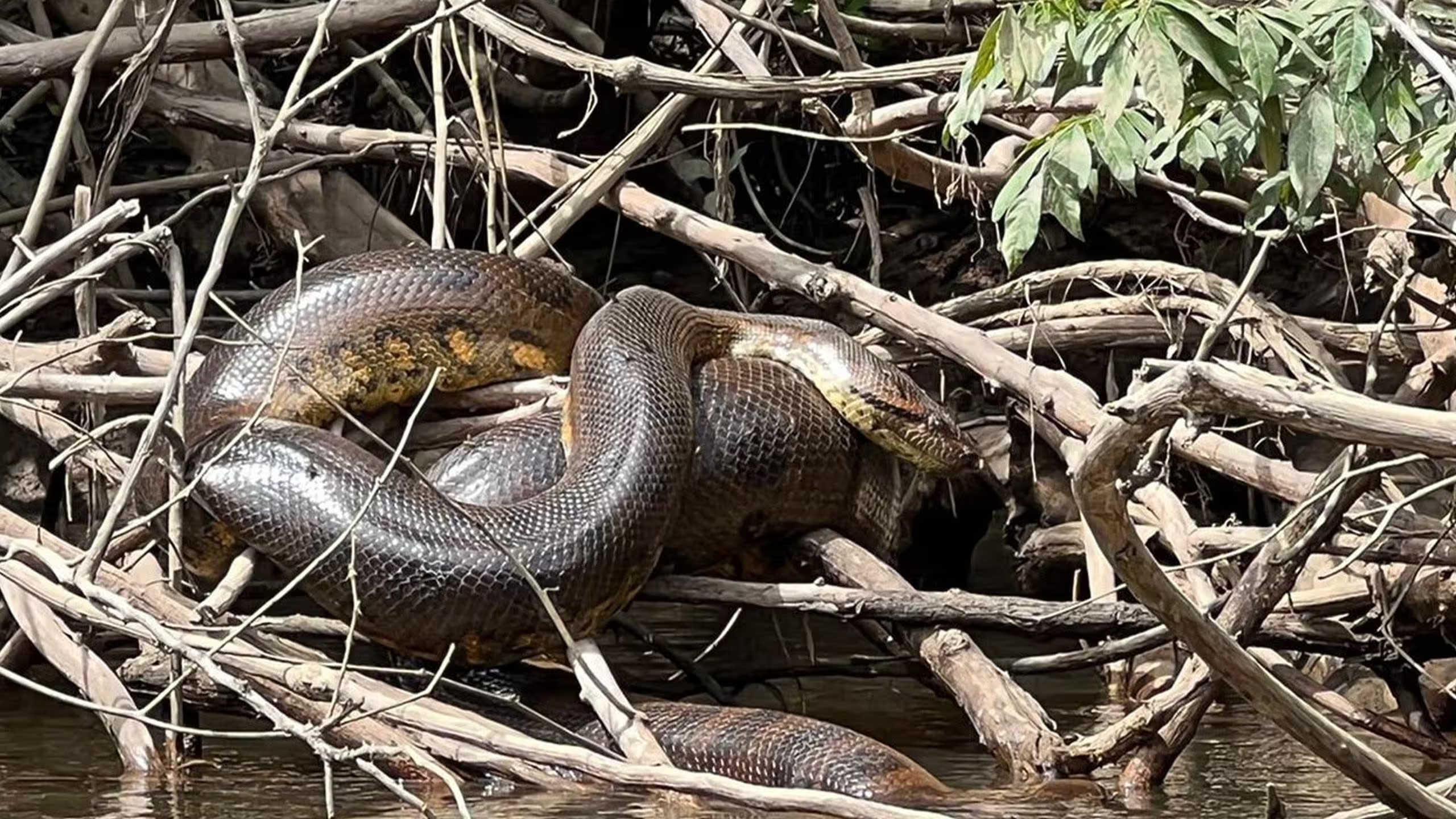
Reports from the field differ on the maximum length of the specimens encountered. One account cites a female measuring 6.3 meters (20.7 feet), a figure directly quoted by Fry: “The size of these magnificent creatures was incredible – one female anaconda we encountered measured an astounding 6.3 metres long.” Other local reports attribute lengths of up to 7.5 meters (24.6 feet) and weights near 500 kilograms (1,100 pounds) to the species, though these numbers stem from anecdotal observations rather than documented measurements.
Oil‑Related Contaminants Detected in Anacondas
In parallel with the taxonomic work, Fry’s team examined the impact of oil extraction on regional wildlife. Tissue analysis revealed that male anacondas carried up to ten times more lead and cadmium than females, linking the reptiles to broader patterns of heavy‑metal pollution in the Amazon.
The researchers note that the Waorani’s ancestral lands, situated between the Curaray and Napo rivers about 80 kilometers south of El Coca, have endured oil‑industry pressure and illegal logging since the 1940s. Some Waorani groups, such as the Tagaeri and two Taromenane factions, remain in voluntary isolation.
Future Directions: Assessing Petrochemical Effects
Fry indicated that upcoming research will focus on how petrochemical residues from oil spills influence fertility and reproductive biology in anacondas and other Amazonian species, aiming to deepen understanding of the long‑term ecological consequences of resource extraction in the region.
This article has been fact checked for accuracy, with information verified against reputable sources. Learn more about us and our editorial process.
Last reviewed on .
Article history
- Latest version
Reference(s)
- Putol, Rodielon. “Scientists were exploring the Amazon with Will Smith when they came across something extraordinary.”, August 10, 2026 Earth.com <https://www.earth.com/animals/scientists-exploring-amazon-will-smith-came-across-something-extraordinary/>.
Cite this page:
- Posted by Hassan Raza