Armored Warrior Crocodile Roamed Brazil 240 Million Years Ago as a Pre-Dinosaur Predator
Brazilian fossil reveals 240‑million‑year‑old creature with odd features, reshaping our view of pre‑dinosaur life.
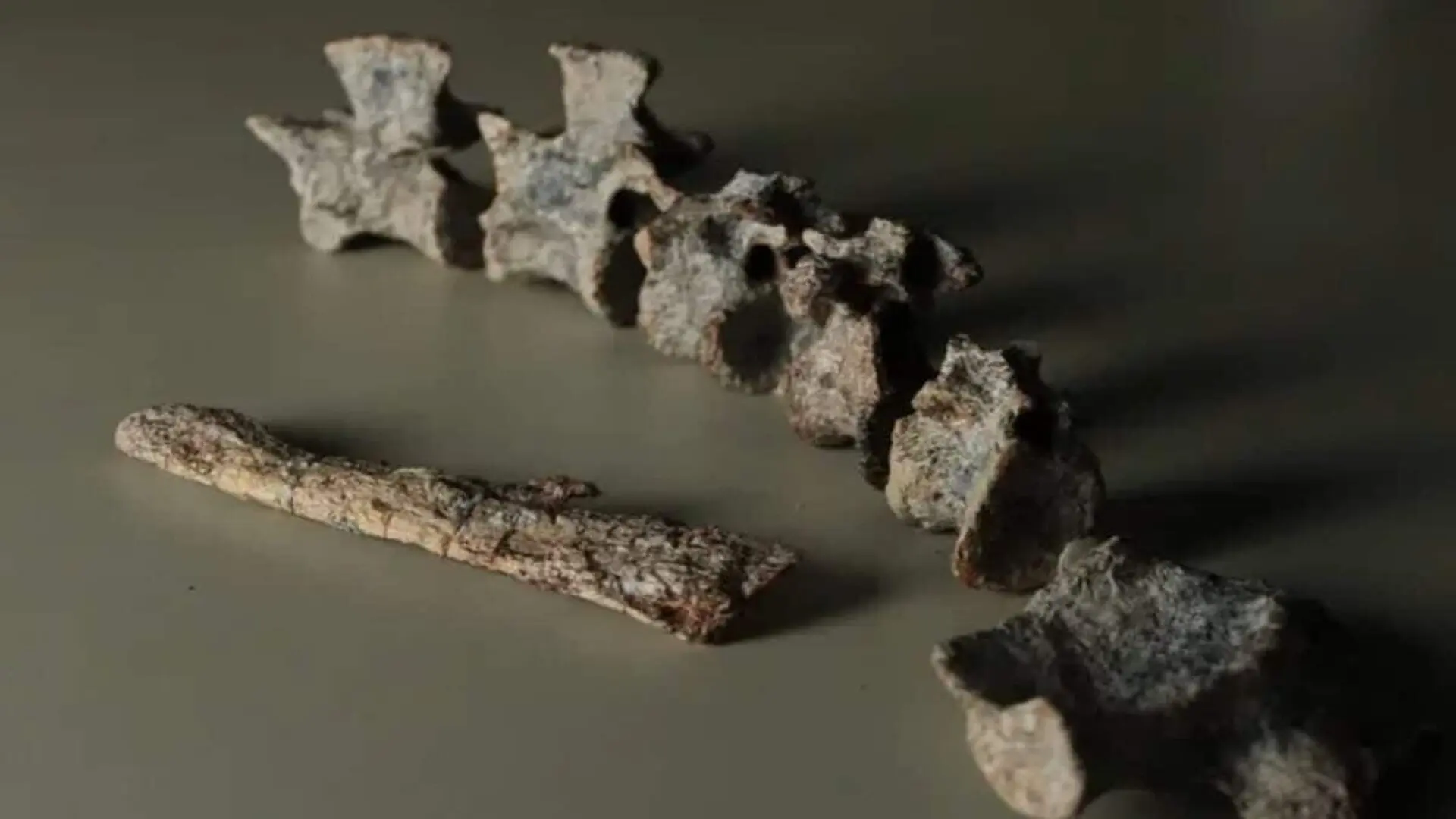
Scientists have uncovered a new armored reptile from Brazil that lived roughly 240 million years ago, just before the rise of the dinosaurs. The creature, named Tainrakuasuchus bellator, belongs to a lineage that would eventually give rise to modern crocodiles, yet its silhouette closely resembles that of a dinosaur, highlighting the unexpected variety of Triassic life.
Triassic fossil from southern Brazil fills a gap in reptile evolution
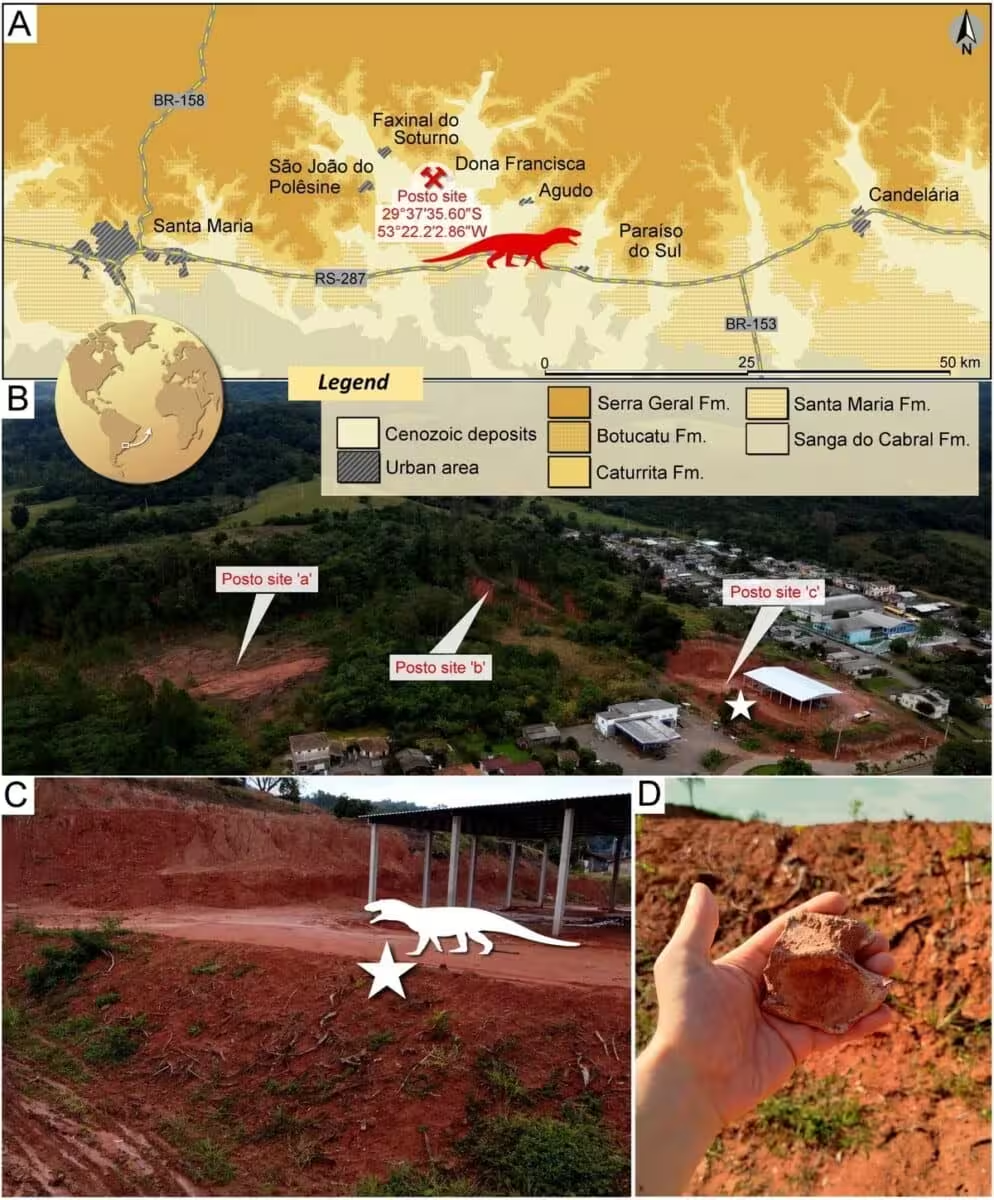
The remains were recovered in the municipality of Dona Francisca, Rio Grande do Sul, and consist of a partial lower jaw, sections of the vertebral column and parts of the pelvis. Researchers say the find clarifies the composition of early archosaur communities, a time when multiple reptile groups vied for ecological dominance. The specimen is assigned to Pseudosuchia, the crocodile‑related branch of archosaurs, and more specifically to the obscure poposauroid clade, whose fossils are scarce in South America.
Armored “warrior” with a dinosaur‑like profile
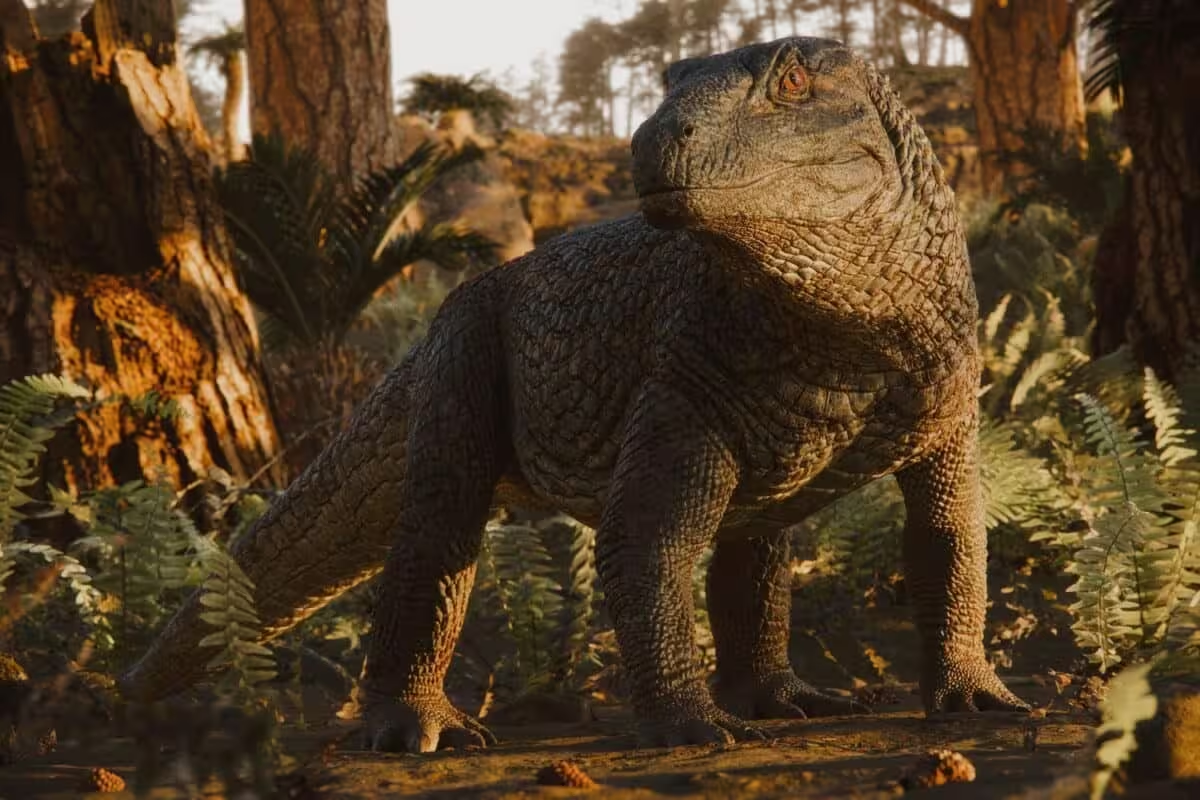
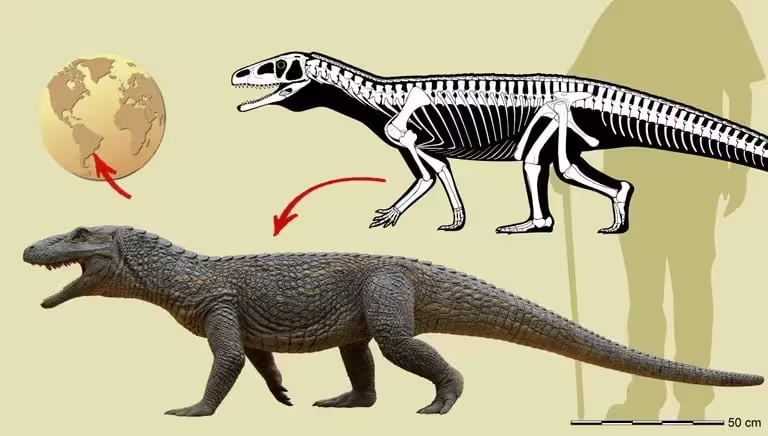
At an estimated length of 2.4 meters (about 7.9 feet) and a mass near 60 kilograms (130 pounds), Tainrakuasuchus bellator was modest in size for its era. Its anatomy featured a long neck, a slender jaw lined with sharp teeth, and a back shielded by bony plates known as osteoderms—structures also present in contemporary crocodiles, indicating an early origin for this defensive armor.
Continental bridges link Brazil’s fauna to ancient Africa
When Tainrakuasuchus bellator roamed the landscape, South America and Africa remained conjoined as part of the supercontinent Pangaea, allowing species to disperse across regions that are now separated by oceans. The Brazilian reptile shows a close relationship to Mandasuchus tanyauchen, a poposauroid discovered in Tanzania and dated to about 245 million years ago. This connection underscores how Triassic ecosystems spanned vast distances, sharing common elements across present‑day continents.
A glimpse into a world before dinosaur dominance
Lead author Rodrigo Temp Müller, a paleontologist at the Federal University of Santa Maria, notes that pseudosuchians were already highly diversified during the Middle Triassic, yet their fossil record remains fragmentary. “This animal was an active predator, but despite its relatively large size, it was far from the largest hunter of its time with the same ecosystem home to giants as big as seven meters long,” he explained.
“At that time, the continents were still united, which allowed the free dispersal of organisms across regions that are now separated by oceans,” Müller said. “As a result, the faunas of Brazil and Africa shared several common elements, reflecting an intertwined evolutionary and ecological history.”
The study, published in the Journal of Systematic Palaeontology, highlights how pre‑dinosaur ecosystems were already populated by a range of specialized predators. The Brazilian find adds a new chapter to the deep evolutionary history of crocodile relatives, demonstrating that remarkably distinct forms emerged long before the iconic dinosaurs took center stage.
With its armored back, razor‑sharp teeth and crocodile ancestry, Tainrakuasuchus bellator enriches our understanding of the diverse reptilian lineages that flourished long before the age of dinosaurs.
This article has been fact checked for accuracy, with information verified against reputable sources. Learn more about us and our editorial process.
Last reviewed on .
Article history
- Latest version
Reference(s)
- Müller, Rodrigo Temp., et al. “Osteology, taxonomy and phylogenetic affinities of a new pseudosuchian archosaur from the Middle Triassic of southern Brazil.” Journal of Systematic Palaeontology, vol. 23, no. 1, November 12, 2025 Informa UK Limited, doi: 10.1080/14772019.2025.2573750. <https://www.tandfonline.com/doi/full/10.1080/14772019.2025.2573750?_gl=1*mvgoh4*_gcl_au*MTg0NzEzNTk3Ni4xNzg2NDU0NTc5*_ga*MTEyODAyMDgxMy4xNzg2NDU0NTc5*_ga_0HYE8YG0M6*czE3ODY0NTQ1NzgkbzEkZzAkdDE3ODY0NTQ1NzgkajYwJGwwJGgw>.
Cite this page:
- Posted by Hassan Raza