AI Uncovers 303 Hidden Nazca Geoglyphs Doubling Known Relief Figures
AI guides archaeologists to a hidden Nazca desert trove of ancient figures, revealing a far larger discovery than anticipated.
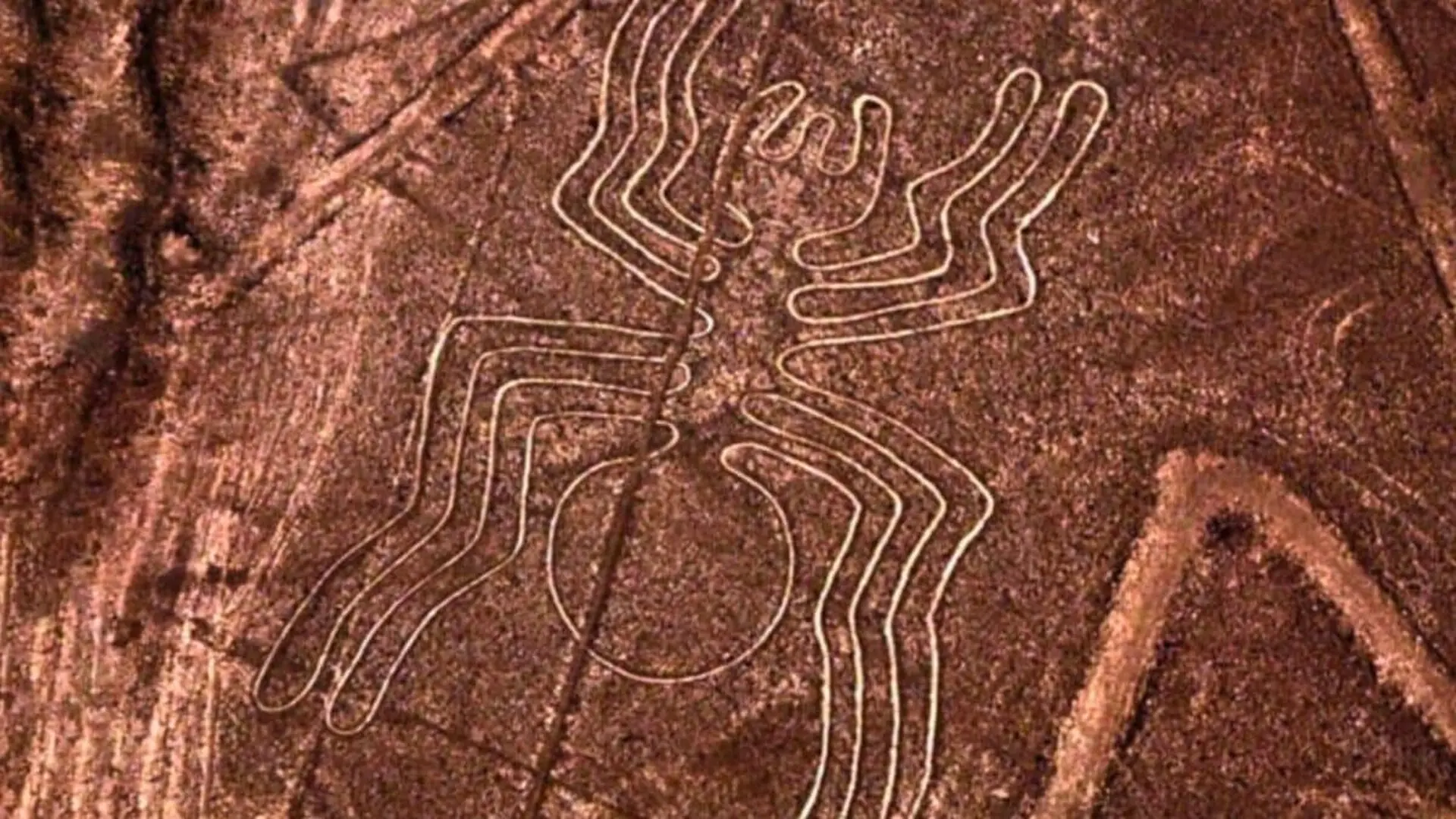
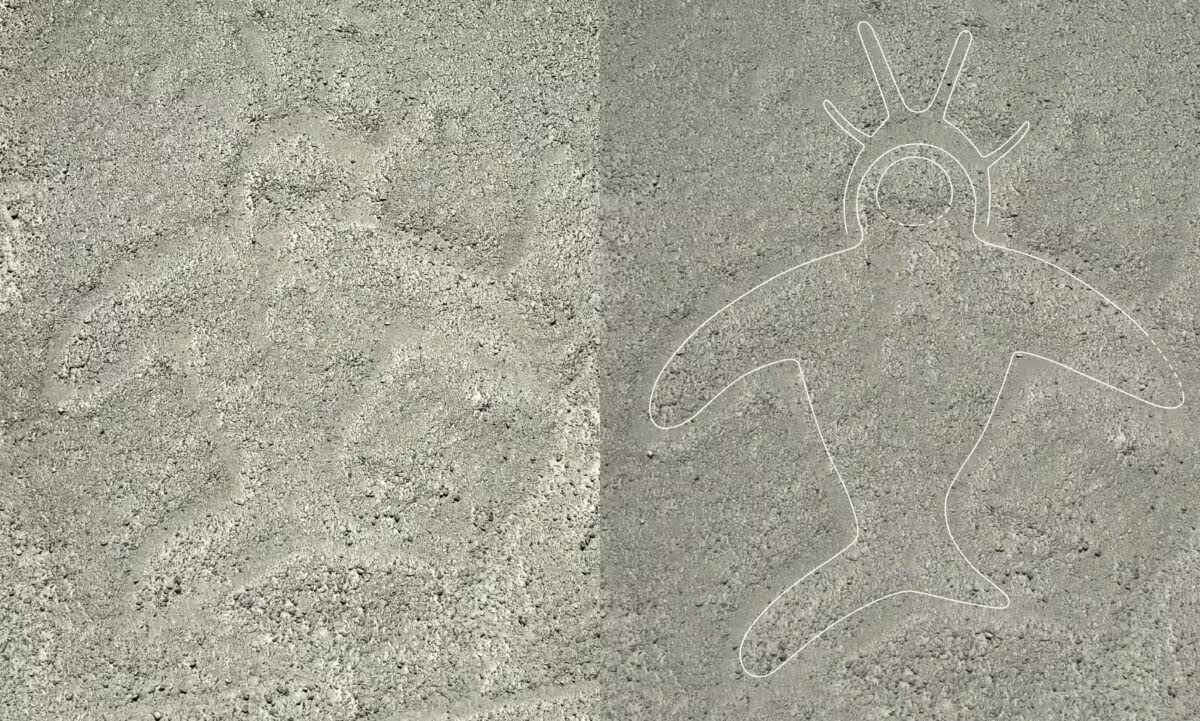
Finding the tiniest Nazca geoglyphs has long challenged archaeologists, as these relief figures, typically around 9 meters long, blend into the desert landscape and escape detection in conventional aerial surveys.
A team working across the Nazca Pampa employed a machine‑learning pipeline to sift through tens of thousands of candidate sites within 629 square kilometers of high‑resolution imagery. The algorithm flagged promising locations, allowing field teams to concentrate their on‑the‑ground investigations.
The focused effort resulted in the verification of 303 new figurative geoglyphs over a six‑month campaign, nearly doubling the catalog of known relief‑type designs. Findings were released on 23 September 2024 in the Proceedings of the National Academy of Sciences.
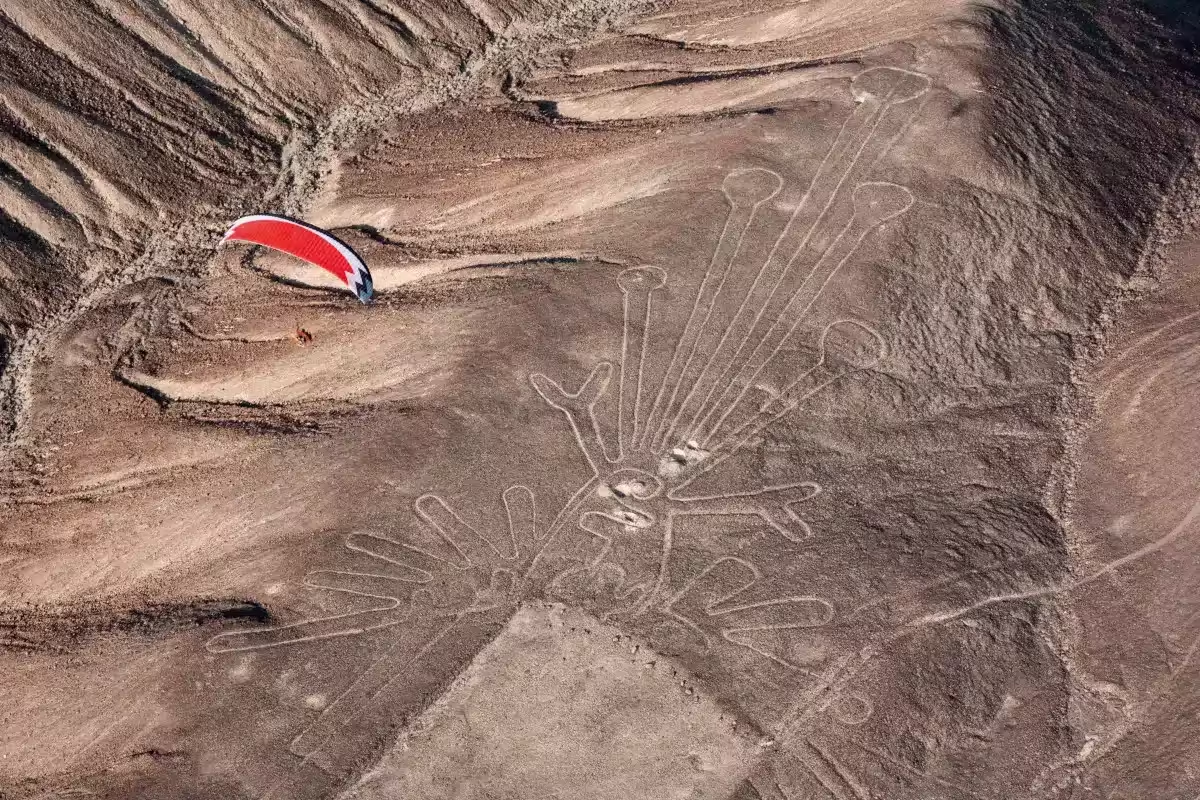
Prior to this work, researchers had recorded 430 figurative Nazca geoglyphs—380 relief‑type and 50 expansive line‑type figures. The new additions raise the total examined in the study to 733 figurative geoglyphs, including 683 relief‑type examples.
Machine Learning Streamlines a Massive Survey
The difficulty lay not merely in spotting familiar shapes but in training a model with a limited dataset of known relief geoglyphs. To overcome this, scientists adapted an AI system originally trained on natural photographs and fine‑tuned it for archaeological imagery.
The refined model generated 47,410 bounding boxes that could contain geoglyphs. After visual screening, researchers narrowed the list to 1,309 high‑confidence candidates.
Armed with this shortlist, field crews conducted site visits from September 2022 through February 2023, securing permission from Peru’s Ministry of Culture to explore 341 locations.
Reviewing the AI output required roughly 1,200 labor hours, while on‑site verification added another 1,440 hours.
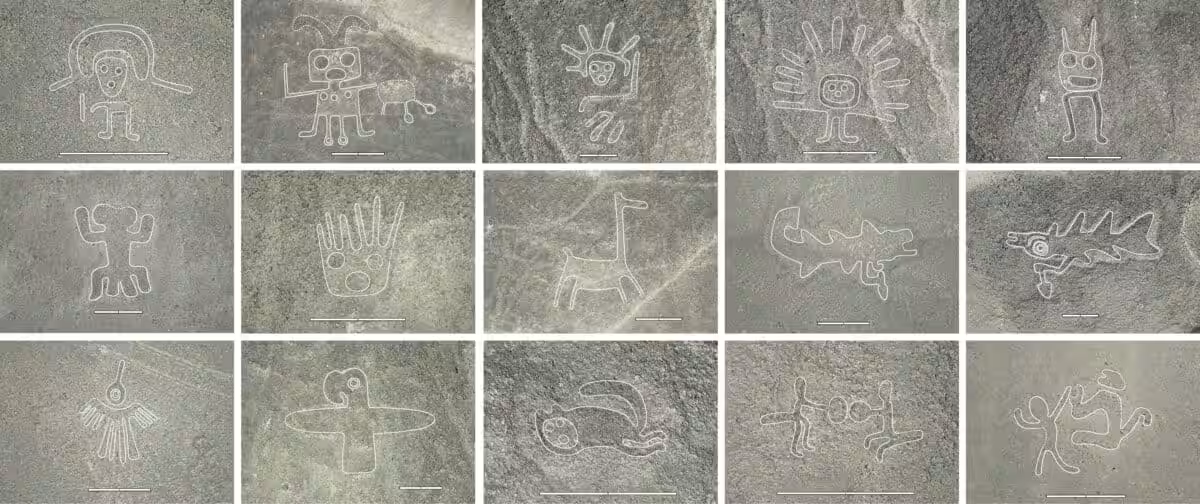
Among the 303 confirmed new figures, 178 were directly pinpointed by the AI. An additional 66 emerged from clusters where the algorithm highlighted at least one nearby geoglyph, and 59 were discovered during fieldwork independent of AI predictions.
The expedition also recorded 42 previously unknown geometric designs.
Scale Influences Subject Matter
With the enlarged sample, scholars compared the small relief figures to the much larger line‑type monuments. The data reveal that 81.6 % of relief‑type geoglyphs portray humans or human‑modified entities. Within this group, humanoids represent 33.8 %, decapitated heads 32.9 %, and domesticated camelids 14.9 %; wild animals account for only 6.9 %.
In contrast, the 50 line‑type figurative geoglyphs are dominated by depictions of wild fauna, with 64 % illustrating animals. Newly catalogued relief designs expand the motif range to include killer whales, birds, felines, and scenes of human‑animal interaction.
Masato Sakai, distinguished research professor at Yamagata University and co‑author of the study, lists the paper among his publications on his ResearchGate profile. The project also involved collaborators from IBM Research.
Spatial Patterns Reveal Different Uses
The expanded dataset clarifies where each geoglyph type clusters across the Nazca Pampa. Relief‑type figures tend to appear in groups an average of 43 meters from the nearest ancient trail. Single figures are visible from the trails, while some clustered designs become apparent only after approaching neighboring geoglyphs.
Researchers propose that these smaller monuments were likely produced and observed by individuals or small parties, possibly conveying information linked to the human activities they depict. The authors note that this interpretation is not definitive.
Conversely, the larger line‑type figures are situated an average of 34 meters from the nearest line or trapezoid within the formal geometric network, suggesting community‑scale creation and use, perhaps for ritual purposes.
The study highlights how size, subject matter, and landscape context differ markedly between the two geoglyph families, offering fresh insights into the social and ceremonial fabric of ancient Nazca culture.
This article has been fact checked for accuracy, with information verified against reputable sources. Learn more about us and our editorial process.
Last reviewed on .
Article history
- Latest version
Reference(s)
- Sakai, Masato., et al. “AI-accelerated Nazca survey nearly doubles the number of known figurative geoglyphs and sheds light on their purpose.” Proceedings of the National Academy of Sciences, vol. 121, no. 40, September 23, 2024 National Academy of Sciences, doi: 10.1073/pnas.2407652121. <https://www.pnas.org/doi/full/10.1073/pnas.2407652121>.
- <https://www.researchgate.net/profile/Masato-Sakai>.
- “IBM Research.”, August 12, 2026 IBM Research <https://research.ibm.com/>.
Cite this page:
- Posted by Hassan Raza