How Five Cows Spawned a 2,000‑Head Herd: DNA Uncovers Mixed Ancestry and Unexpected Size
DNA reveals the secret genetic twist that let five founding cattle create a 2,000‑strong herd and survive 140 years on an isolated island.
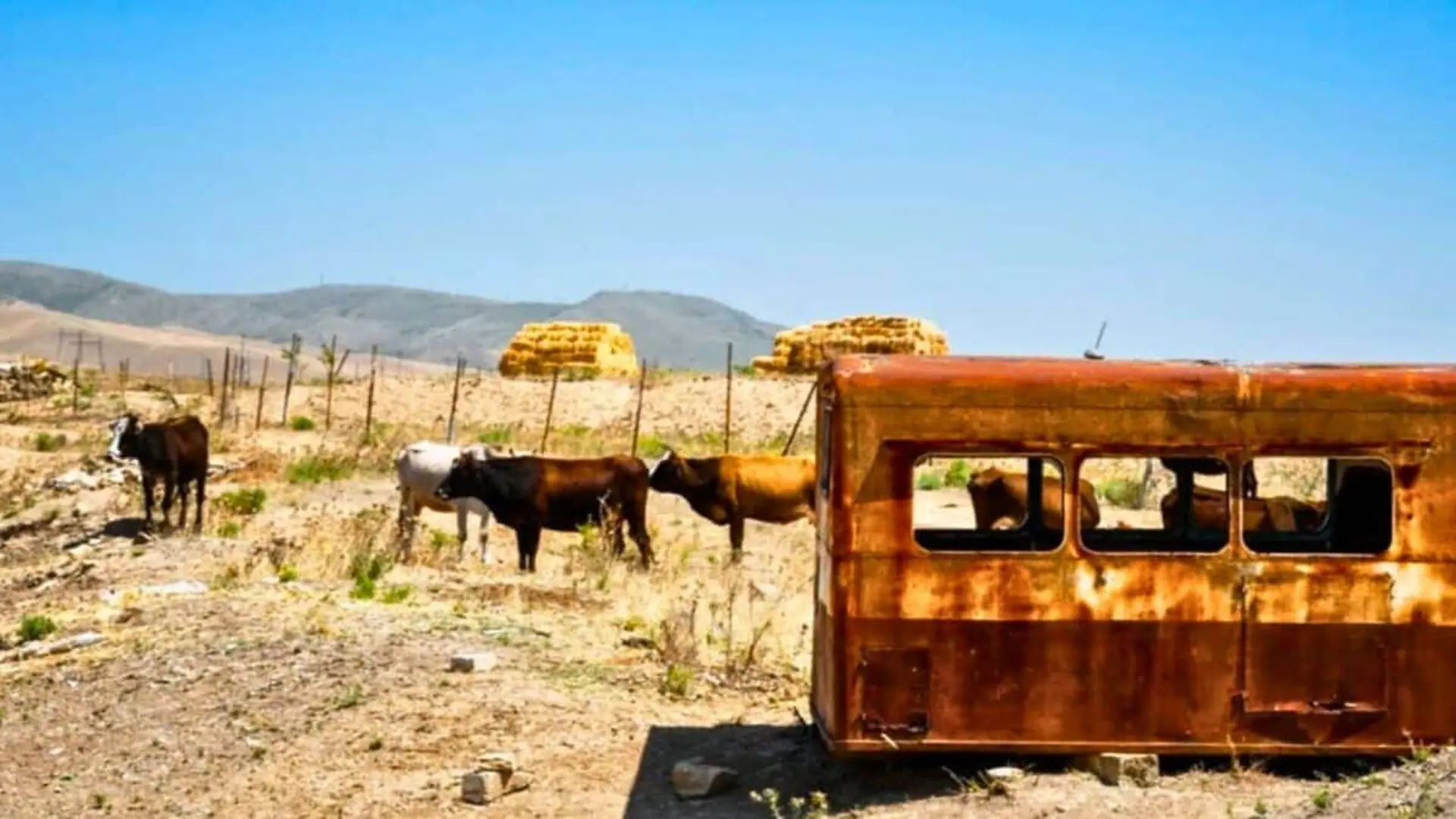
In 1871, five cattle were shipped to the isolated Amsterdam Island, setting the stage for a feral population that would swell to roughly 2,000 individuals despite an extreme genetic bottleneck.
The herd persisted for nearly a century and a half before the last animal was eliminated in 2010. Prior to their removal, scientists had archived DNA from 18 specimens, providing the raw material for a detailed genetic reconstruction of the island’s unique cattle lineage.
Genomic Analysis Reveals Mixed European and Indian Ocean Roots
Researchers examined DNA from 18 Amsterdam Island cattle, including twelve samples from 1992 and six from 2006. Whole‑genome sequencing was possible for eight of the older specimens.
The resulting genomes indicated that about three‑quarters of the herd’s ancestry traced back to European taurine cattle, while the remaining portion aligned with Indian Ocean zebu lineages. Among the European breeds examined, Jersey cattle emerged as the closest genetic match.
All eight fully sequenced animals also carried a mitochondrial haplogroup typical of African cattle, suggesting that the founders had already interbred with local breeds before being transported from La Réunion.
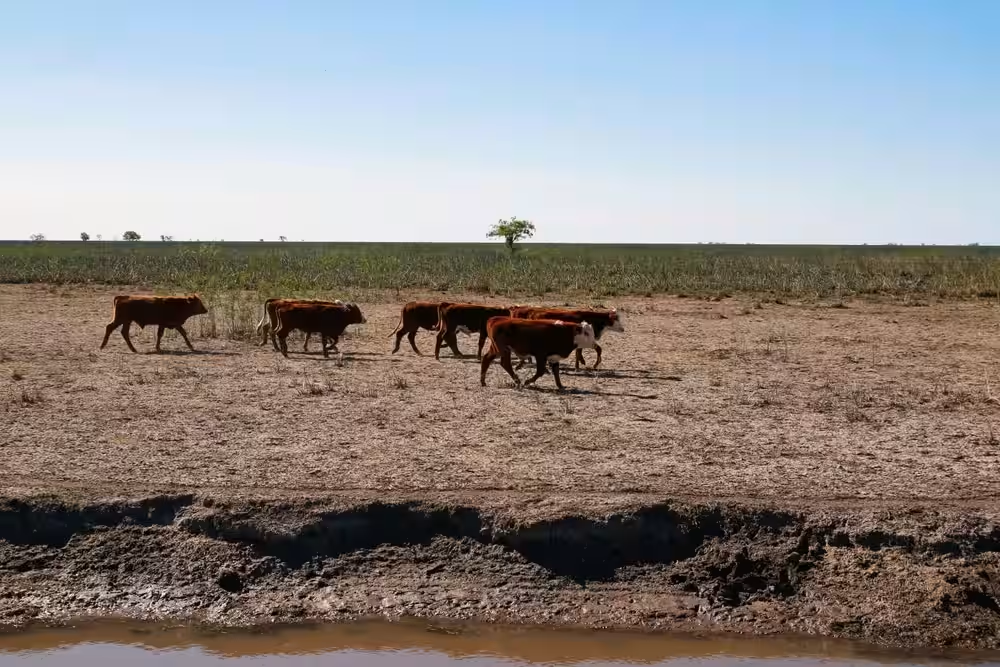
Historical records corroborate a severe bottleneck consistent with the five‑animal founder event, followed by rapid expansion that peaked at roughly 2,000 cattle in both 1952 and 1988.
Despite generations of isolation and elevated inbreeding, the genomes displayed only a modest decline in overall diversity, and there was no clear signal that deleterious mutations had been purged.
Size Reduction Attributed to Ancestral Traits, Not Island Dwarfism
The 2024 genomic investigation, however, points to a different explanation. The herd’s size aligns with that of its closest ancestral groups—Jersey cattle and Madagascar zebu—without invoking a post‑colonization shrinkage.
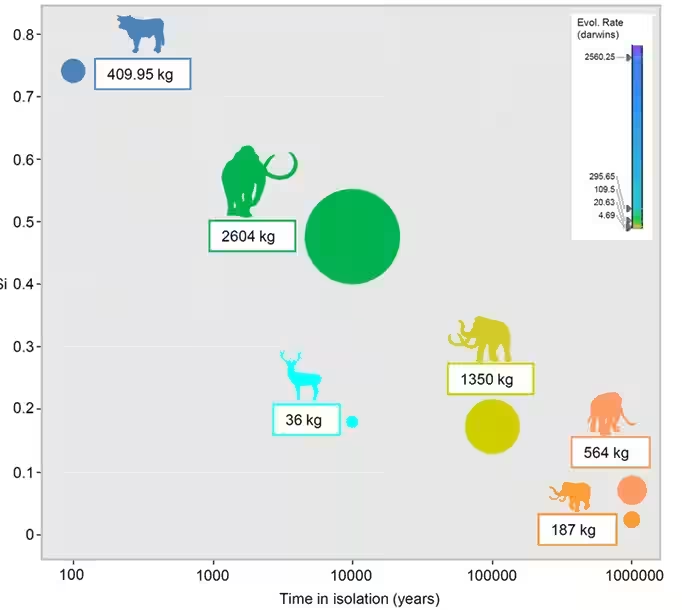
Analysis of height‑associated genetic variants placed the island cattle between Madagascar zebu and Jersey cattle, well below the stature of Holsteins. No enrichment of short‑stature alleles was detected, suggesting that natural selection did not drive dwarfism on the island.
The authors therefore conclude that the animals’ modest size primarily reflects the dimensions of their source populations rather than an adaptive response to insular conditions.
Genomic Footprints of Feralization
Beyond body size, the team searched for genetic signatures of the transition from domesticated livestock to a self‑sustaining feral herd. Several candidate genes under selection related to nervous‑system development, hinting at behavioral adaptations associated with feral living.
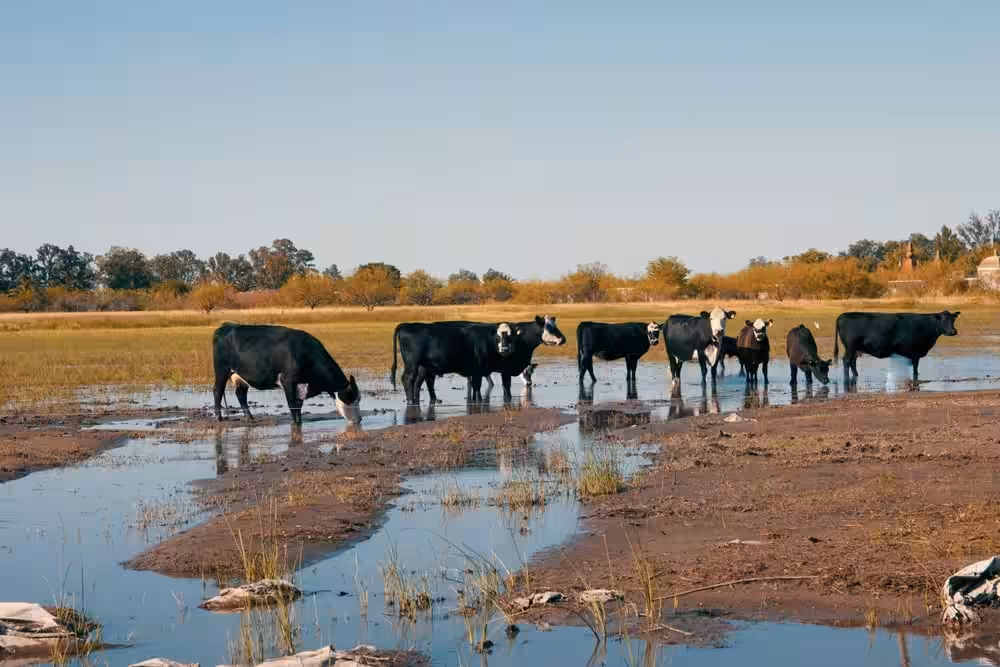
Historical observations described a structured social organization: females and young males formed one group, adult and sub‑adult males another, with mixed aggregations appearing during the breeding season.
The authors caution that feralization is a multifaceted process, not simply the reversal of domestication, and that the limited sample size constrains definitive conclusions.
Conservation Measures Led to Eradication in 2010
While the herd weathered its genetic bottleneck, its presence threatened native flora and fauna on Amsterdam Island. Management actions, including culling and fencing, were implemented under the Agreement on the Conservation of Albatrosses and Petrels, to protect endemic species.
The final cattle were killed in 2010. Restoration efforts also involved planting native Phylica arborea trees and removing invasive plant species.
No new biological material was collected during the eradication; the genetic portrait of the herd relies entirely on the archived samples from 1992 and 2006, which captured a lineage that began with five founders in 1871 and persisted for 139 years.
This article has been fact checked for accuracy, with information verified against reputable sources. Learn more about us and our editorial process.
Last reviewed on .
Article history
- Latest version
Reference(s)
- “Agreement on the Conservation of Albatrosses and Petrels - Bye-bye moo-cows and bye-bye Mouflons! Recent conservation and restoration efforts at the French sub-Antarctic islands.” <https://www.acap.aq/news/news-archive/2012-news-archive/bye-bye-moo-cows-and-bye-bye-mouflons-recent-conservation-and-restoration-efforts-at-the-french-sub-antarctic-islands>.
Cite this page:
- Posted by Hassan Raza