Lost Megalodon Vertebrae Resurface After Decades, Supporting 79‑Foot Shark Size
Long‑lost Megalodon fossils reappear, offering fresh clues about the giant shark that scientists thought were gone forever.
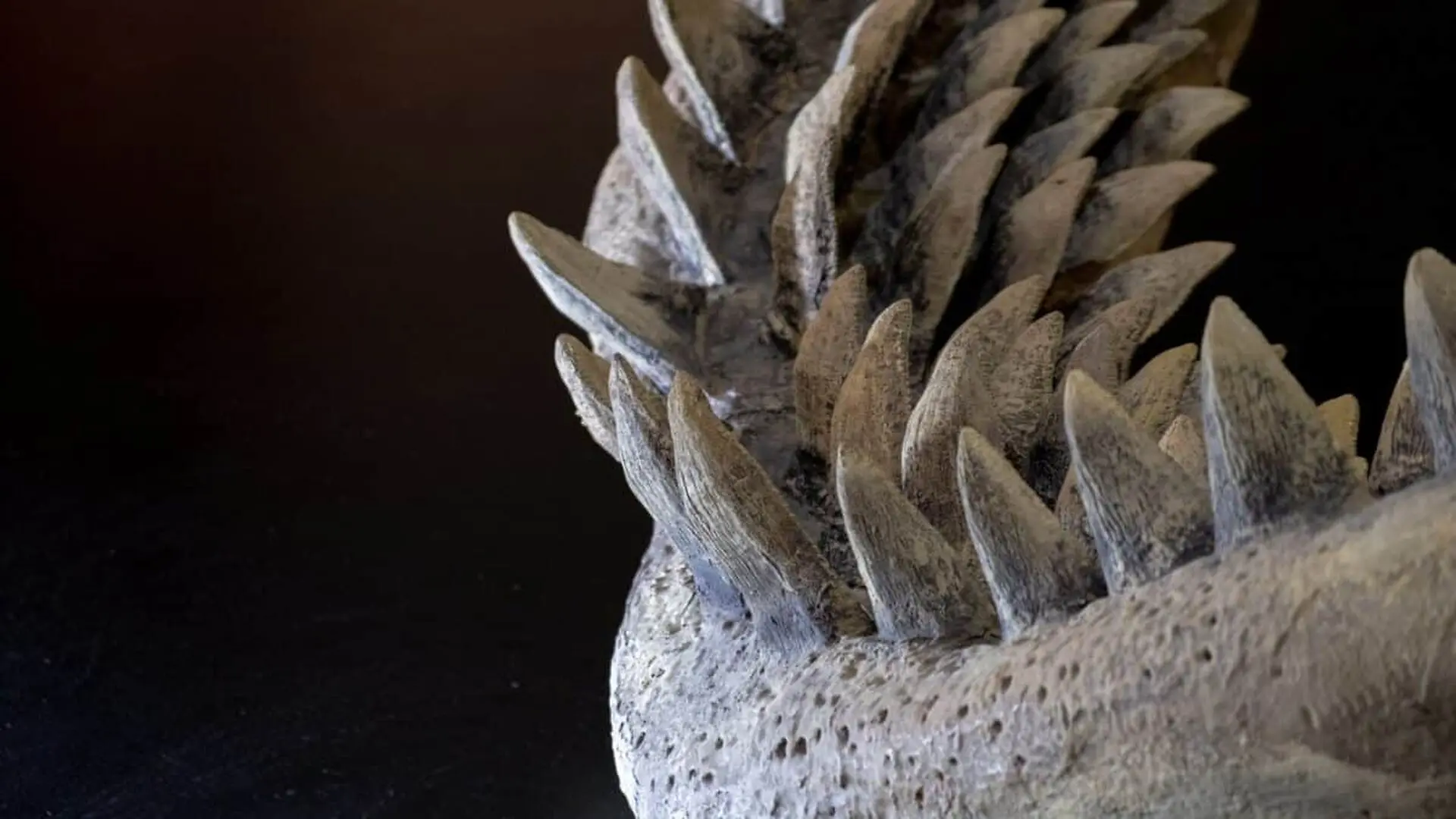
A pair of fossilized vertebrae belonging to the extinct giant shark Otodus megalodon have reappeared after being presumed lost for more than three decades. Dating to roughly 11 million years ago, the specimens bolster estimates that the predator could have reached lengths beyond 24 meters (79 feet), while newborn individuals may already have measured about 3.6 meters (12 feet).
Because shark skeletons are primarily cartilage, fossilized vertebrae are rare and provide a valuable window into the dimensions of individual animals. In this case, the bones were not uncovered by a fresh dig; they had lain unnoticed on a museum shelf for years.
Rediscovered Megalodon Vertebrae Reveal Extreme Size Potential
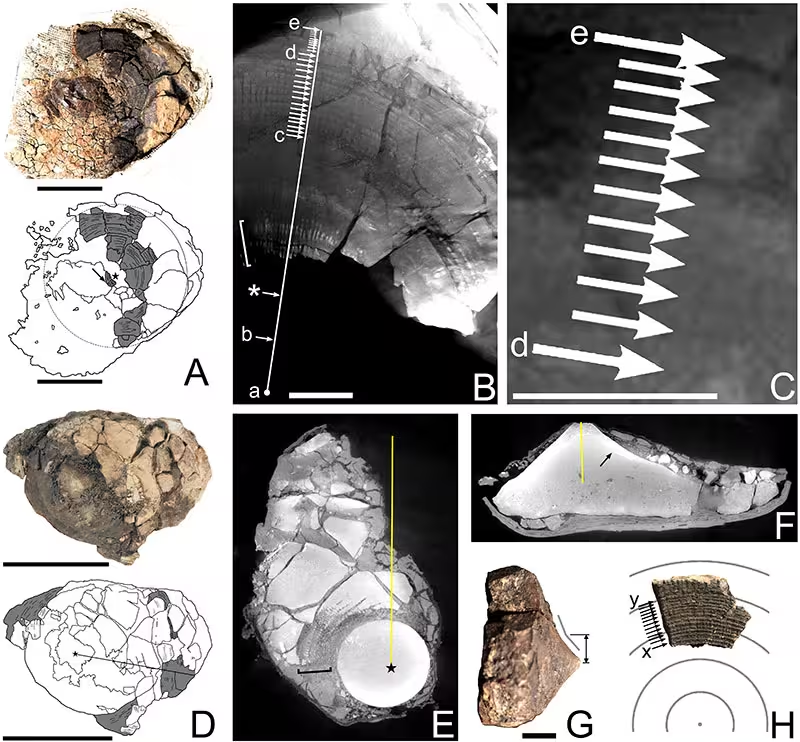
The two vertebrae originate from a single O. megalodon specimen recovered in Denmark and are attributed to the Upper Miocene Gram Formation. Initially housed by the Geological Museum of Copenhagen—now part of the Natural History Museum of Denmark—they were transferred to the Museum of Southern Jutland in 1989 and thought to have been destroyed. Decades later, the bones resurfaced, offering the first physical evidence beyond photographs and written descriptions.
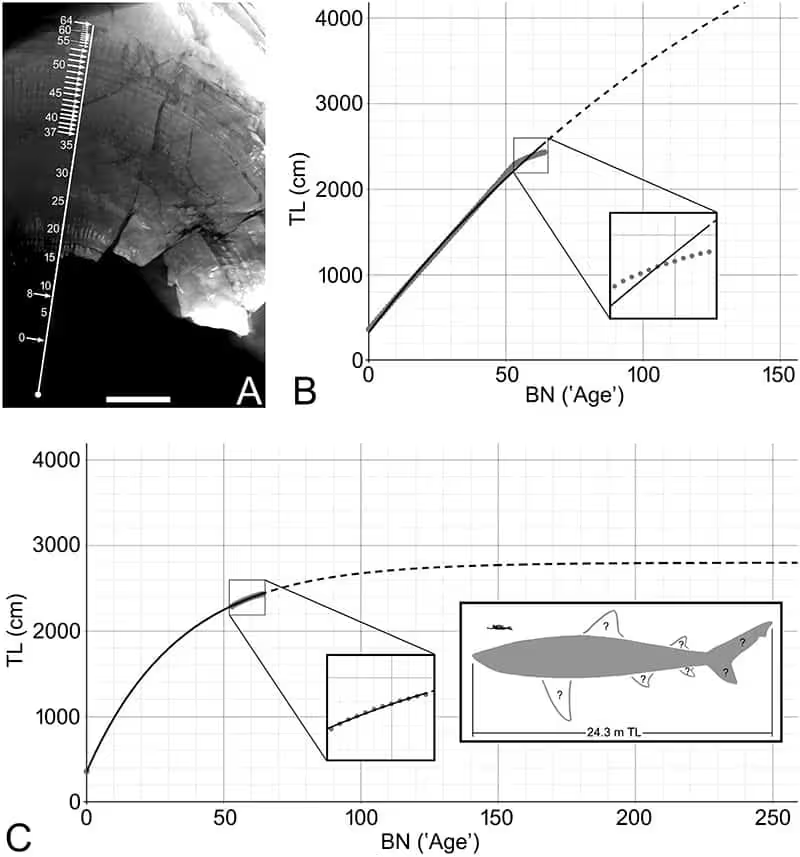
According to a study published in Palaeontologia Electronica, the vertebrae measure roughly 23 centimeters (9 inches) in diameter, making them the largest known spinal elements assigned to O. megalodon. Their size allows researchers to refine previous length projections for the species, which inhabited the oceans between about 15 million and 3.5 million years ago.
The authors caution that, despite the impressive dimensions, the fossil record remains too fragmentary to pinpoint a definitive maximum size for the species. They emphasize that a more complete skeleton—ideally with associated teeth—would be necessary to settle the debate.
“A more complete skeletal specimen of O. megalodon, ideally with associated teeth, is required for any further discussion of the maximum possible size of the species,” the researchers wrote.
Newborn Megalodon May Have Measured 12 Feet
Growth modeling based on the vertebrae suggests that a hatchling could have been about 3.6 meters (12 feet) long, and that the shark might have lived for nearly a century. These figures add biological depth to an animal whose fossil record is dominated by isolated teeth rather than extensive skeletal remains.

For comparison, the famously exaggerated sharks of the Jaws franchise reached only about 10.5 meters (34 feet), far short of the dimensions supported by the new analysis.
The rarity of such vertebrae underscores their importance: because cartilage rarely fossilizes, vertebrae provide a more direct gauge of body size than teeth alone.
When Fossils Vanish Inside Museums
The Danish specimens join a long list of paleontological treasures lost to war, disaster, or simple misplacement. The original remains of the sail‑backed dinosaur Spinosaurus were destroyed during an Allied bombing raid on Munich in 1944, while parts of the early dinosaur Thecodontosaurus were lost in Bristol after an Axis attack in 1940.
A maritime mishap also claimed fossils: the British liner SS Mount Temple sank in 1916 while transporting dinosaur material from Alberta to the United Kingdom, leaving the exact inventory of specimens forever uncertain.
Even the world’s largest natural history institutions can struggle with cataloguing. The Natural History Museum in London alone houses around 80 million objects, creating ample opportunities for individual items to slip through the cracks.
This article has been fact checked for accuracy, with information verified against reputable sources. Learn more about us and our editorial process.
Last reviewed on .
Article history
- Latest version
Reference(s)
- Shimada, Kenshu. “Otodus megalodon vertebrae from Denmark.”, vol. 29, no. 2, June 28, 2026, pp. 1-25. Palaeontologia Electronica, doi: https://doi.org/10.26879/1674. <https://palaeo-electronica.org/content/2026/5872-otodus-megalodon-vertebrae-from-denmark>.
Cite this page:
- Posted by Hassan Raza