Underwater Cave Bones Reveal Hidden Environmental Fingerprints Unlocking Megafauna Mysteries
Ancient Australian cave bones reveal new clues to a long‑standing mystery, sparking fresh scientific investigation.
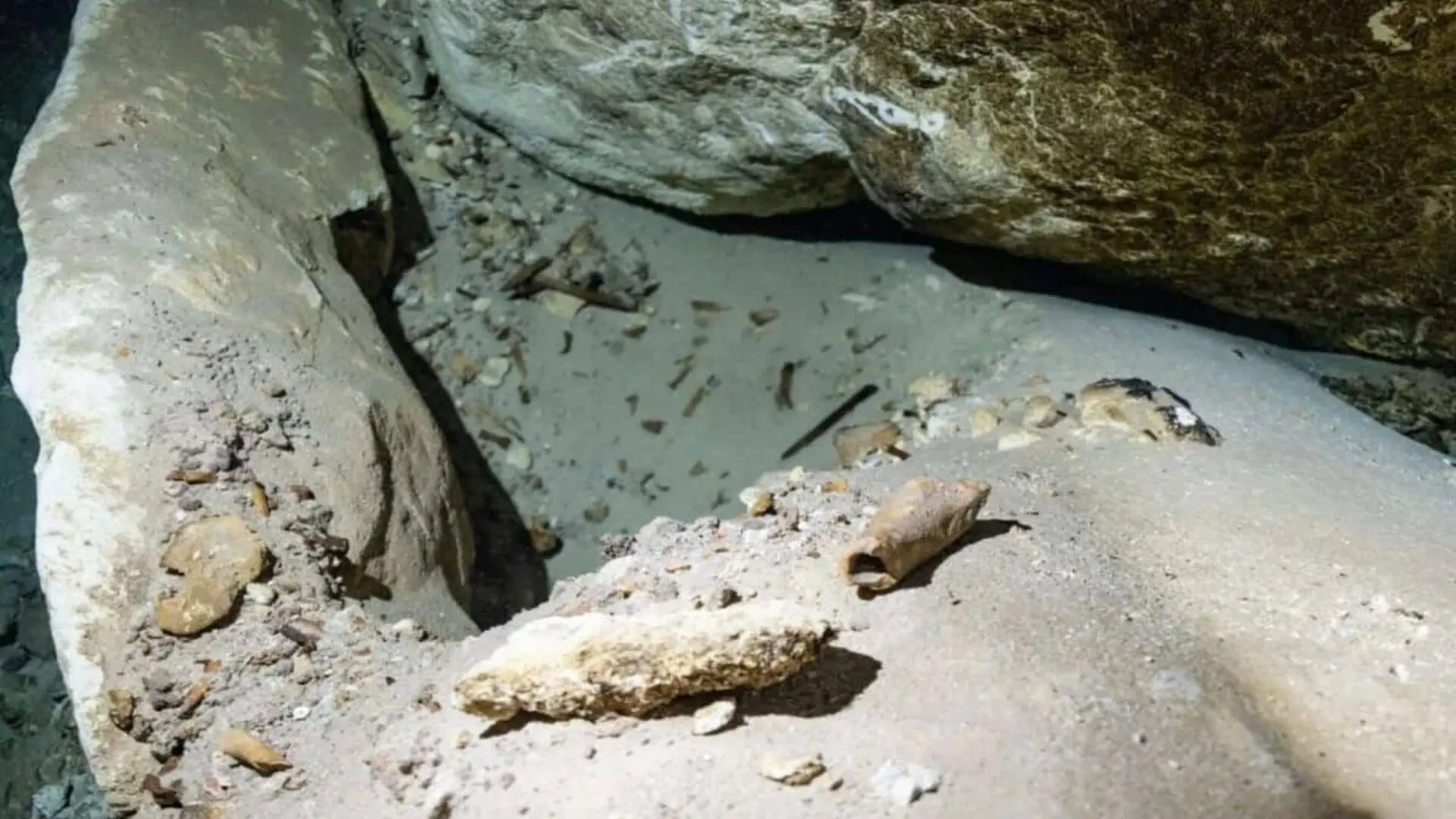
Deep beneath the surface of South Australia, skeletal remains recovered from flooded caverns are providing researchers with a novel method to track the post‑mortem history of extinct giants. By analysing the subtle imprints left on these bones, scientists can now infer the environmental forces that acted upon them after they entered the subterranean water system.
The investigation, coordinated by scholars at Griffith University, focused on the trace signatures embedded in bones from two submerged karst sites – Green Waterhole and Gouldens Sinkhole – located near Mount Gambier. The team integrated a suite of techniques, ranging from spatial mapping of bone placement to microscopic surface examinations, elemental profiling, and the detection of residual proteins.
How Submerged Cave Conditions Encode Bone Histories
Results, published in PLOS One, demonstrate that underwater cave environments can preserve skeletal material with remarkable fidelity. Many specimens retained their original morphology and fine‑scale surface features, offering a window into the processes that followed the animals’ deaths. The study noted that distinct zones within the caves imparted different alteration patterns; entrance zones exposed to daylight produced different signatures than the pitch‑black depths.
In sections where ambient light reached the water, algae and other photosynthetic organisms colonised the bone surfaces, leaving recognizable bio‑signatures that marked a period of exposure to a relatively illuminated aquatic habitat. By contrast, bones retrieved from the permanently dark chambers exhibited minimal biological overgrowth, preserving cleaner surfaces.
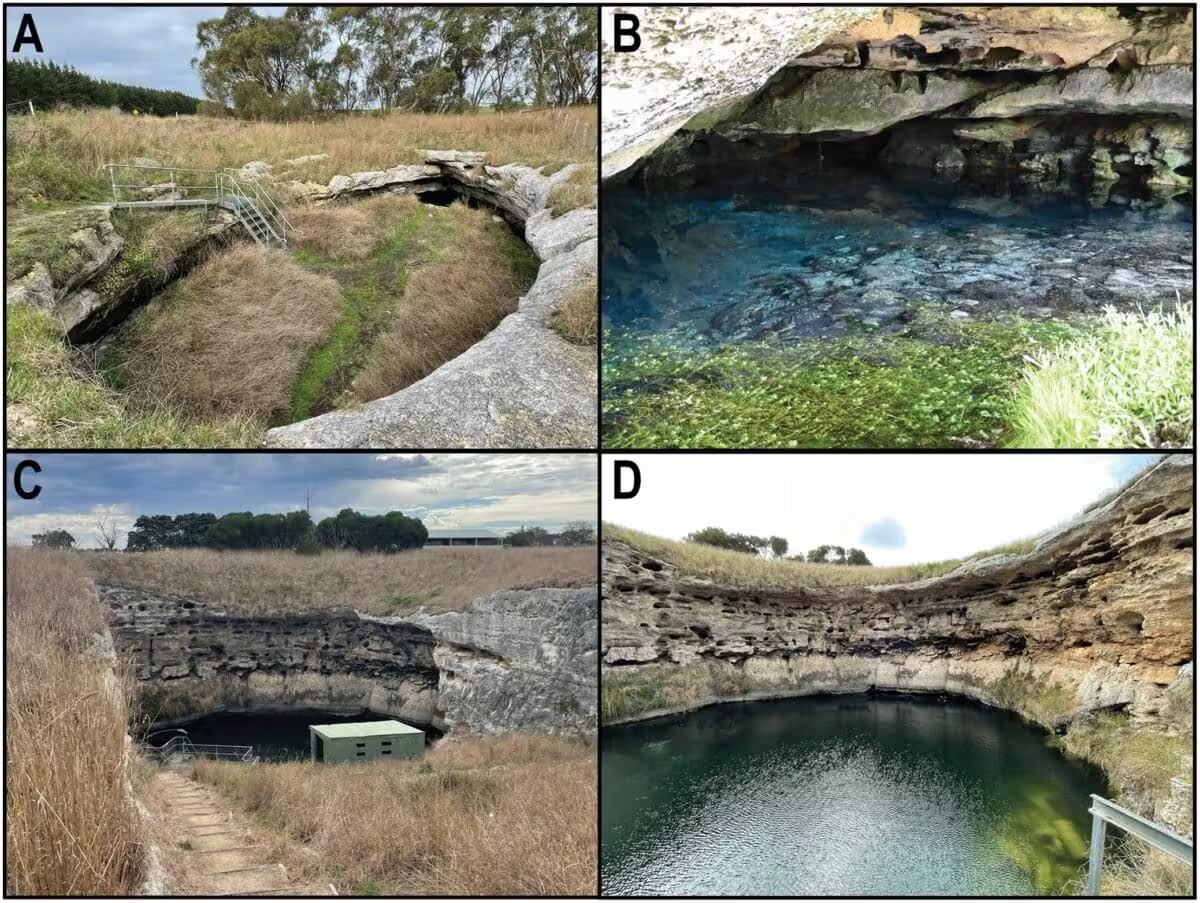
When compared with specimens from terrestrial caves, the underwater samples displayed clear divergences. Dry‑cave bones bore marks typical of surface exposure, including bacterial etching and root‑induced grooves, whereas the submerged remains lacked such features.
Meg Walker, the project’s principal investigator, explained that radiocarbon dating of the bones allowed the team to track accumulation patterns over several centuries, distinguishing the underwater taphonomic pathways from those operating in arid settings.
“Using a range of methods, from the macro to the micro, we looked at features associated with wet and dry caves. Things like spatial distributions of the bones and their surfaces, down to elemental compositions and proteins trapped in ancient cells,” she said in a statement.
Modern Remains as a Baseline for Ancient Megafauna
To calibrate their analytical framework, the researchers first examined relatively recent animal bones recovered from the same sites. The collection included specimens of kangaroos, emus, cattle, sheep, pigs, dingoes, rabbits, possums, quolls and swamp rats.
Some of these individuals likely date to the early period of European settlement in the 1840s, providing a temporal anchor for interpreting how fauna become entrapped within submerged karst systems.
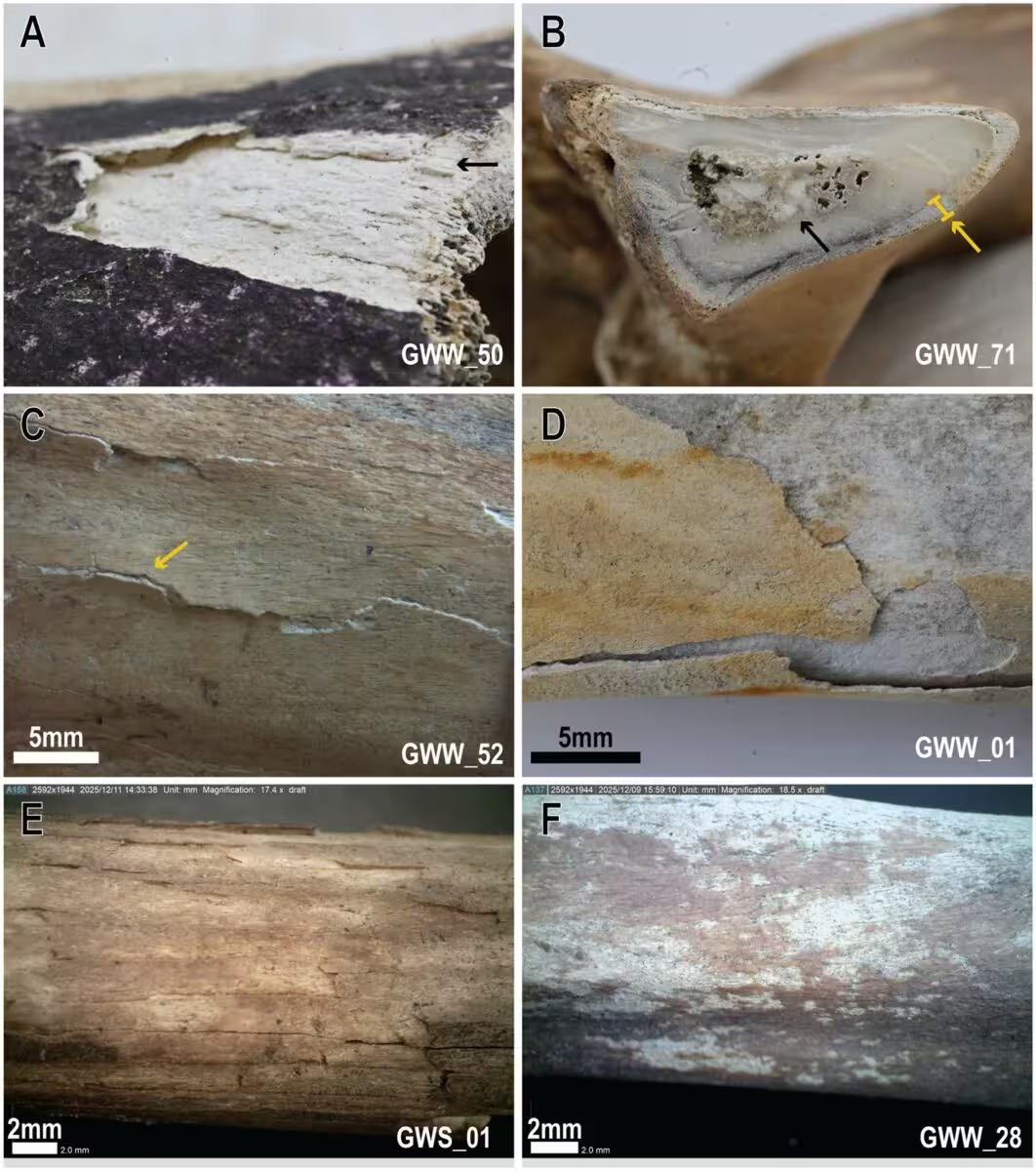
By documenting how these recent bones degraded under known conditions, the team refined criteria that can be applied to much older specimens of extinct megafauna, shedding light on how such giants may have entered and persisted within underwater cave networks.
The fieldwork relied heavily on expert cave divers from the Cave Divers Association of Australia, whose specialized skills enabled the retrieval of samples from otherwise inaccessible submerged chambers.
A Revised Toolkit for Submerged Fossil Analysis
The study proposes a shift from traditional bone‑centric examinations toward a holistic approach that incorporates surface micro‑marks, elemental signatures, and residual biomolecules. Meg Walker highlighted that this “new framework” equips paleontologists with a more nuanced lens for interpreting how large‑bodied fossils were altered and preserved beneath water.
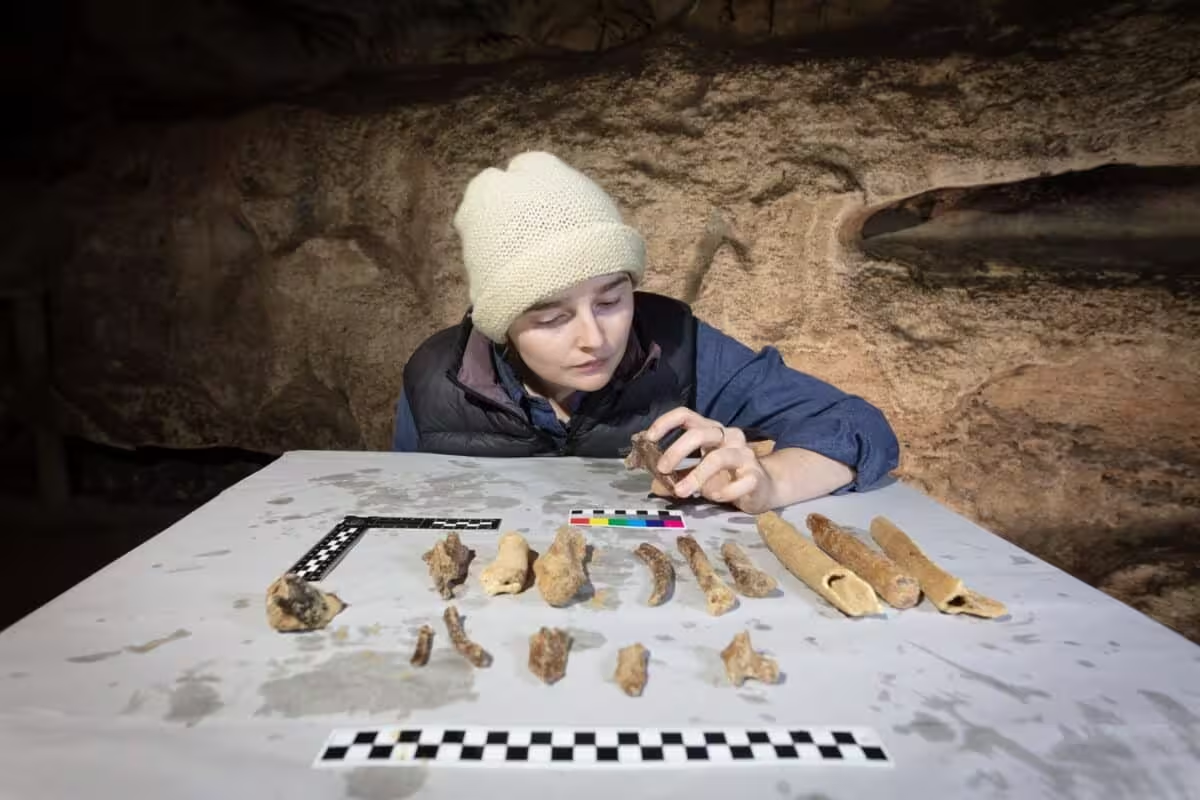
The methodology promises to illuminate ancient ecosystems and the post‑mortem pathways that governed fossil preservation in flooded karst environments, offering insights into the chemical and biological interactions that protected these remains over millennia.
“It will provide archaeologists and palaeontologists worldwide with a powerful new tool for reconstructing past environments and histories in these challenging conditions.”
This article has been fact checked for accuracy, with information verified against reputable sources. Learn more about us and our editorial process.
Last reviewed on .
Article history
- Latest version
Reference(s)
- Walker, Meg. “Neotaphonomic characteristics of vertebrate site formation in underwater caves.”, vol. 21, no. 7, pp. e0343896, doi: 10.1371/journal.pone.0343896. <https://journals.plos.org/plosone/article?id=10.1371/journal.pone.0343896>.
- Rosengreen, Carley. “Bone ‘fingerprints’ unlock hidden stories of underwater caves.”, July 16, 2026 Griffith News <https://news.griffith.edu.au/2026/07/16/bone-fingerprints-unlock-hidden-stories-of-underwater-caves/>.
- “Home.” <https://www.cavedivers.com.au/>.
Cite this page:
- Posted by Hassan Raza