Drone Captures Rare First Live Humpback Whale Birth Near Kingscliff
Drone captures first aerial footage of a humpback whale birth off the NSW coast, showing newborn calf surfacing in blood‑red water.
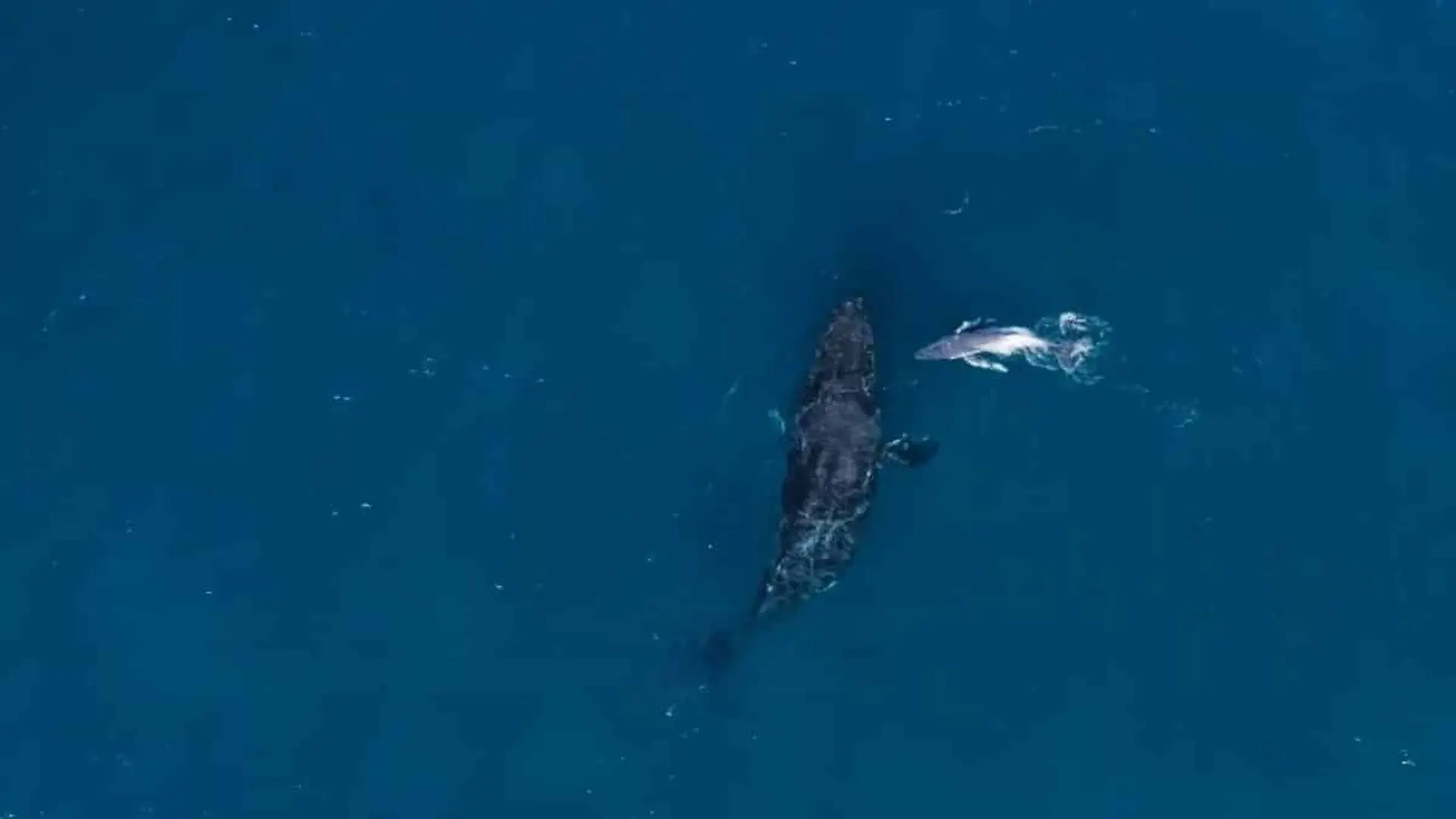
On 28 July, a drone operator captured a rare live birth of a humpback whale near Kingscliff on the New South Wales coastline, during the species’ annual migration. The high‑resolution footage will soon be examined by scientists and could be submitted for peer‑reviewed publication, providing an unprecedented glimpse of a newborn whale in its natural environment.
Drone Pilot Spots an Atypical Whale and Triggers a Unique Observation
Alexander Forrest, a commercial drone pilot affiliated with the Organisation for the Rescue and Research of Cetaceans in Australia (ORRCA), was surveying a pod of migrating humpbacks when he noticed a solitary female lagging behind the group. He described the animal’s pace as “super slow, consistent, almost labored” near the surf break, prompting him to keep the drone aloft for closer monitoring.
While tracking the whale from above, a reddish plume surfaced around her, initially suggesting a predator interaction. The plume soon gave way to a pale form that broke the water’s surface—a newborn humpback calf.
The birth took place roughly 700 meters (about 0.4 miles) from the shoreline at Kingscliff, with the mother delivering the calf after drifting apart from her pod.
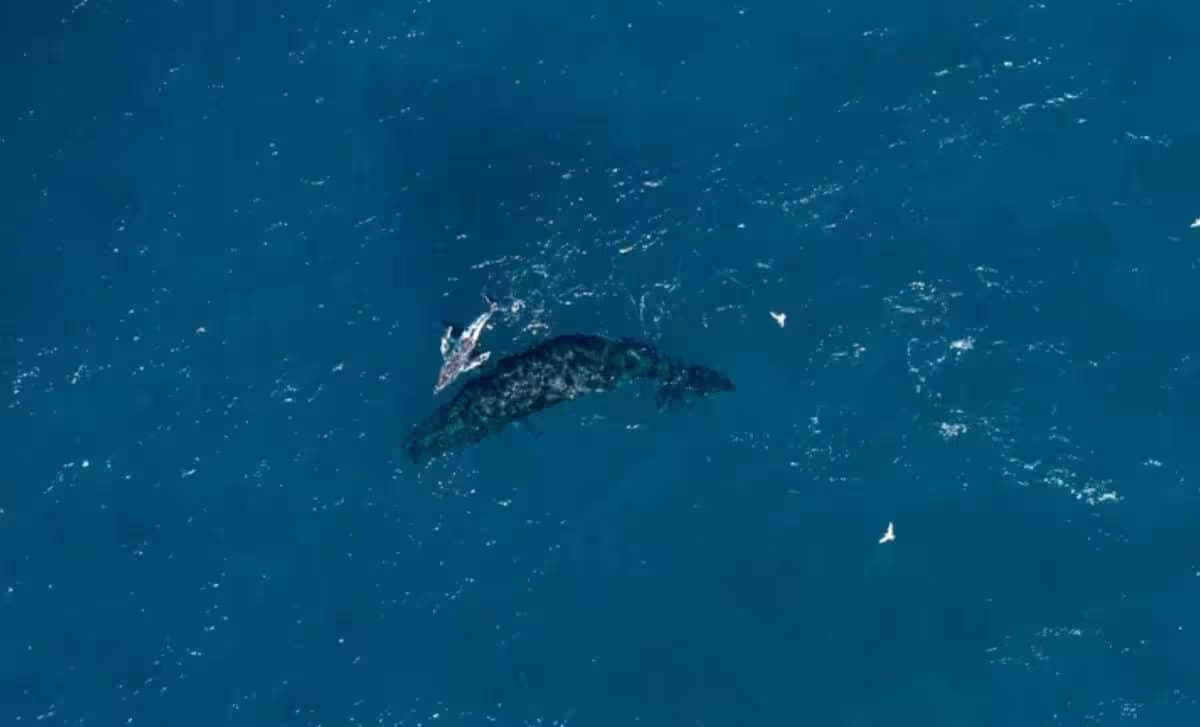
Forrest noted that the video may represent the first drone‑recorded complete live birth of a humpback whale. An ORRCA spokesperson added that only three other recordings of humpback births exist, making this the fourth documented instance.
After confirming the event, Forrest alerted fellow ORRCA drone operator Tanya Snowden and researcher Dominic Cotter‑Dephoff. The team continued to monitor the mother‑calf pair for several hours, gathering visual data and behavioral notes until sunset.
Observations showed the mother staying close to the calf, which initially seemed disoriented. At times the newborn drifted up to three meters away, but the pair generally remained together. The calf focused intently on surfacing to breathe—a conscious action required for all cetaceans.
What the New Footage Reveals About Early Whale Development
The recording offers scientists a rare window into the first moments of a humpback calf’s life, documenting maternal care immediately after birth. Live Science highlighted that the mother gave birth while isolated from her pod, a scenario that researchers will compare with other recorded births where females remain surrounded by conspecifics.
A contrasting case involved a 2023 drone capture of a sperm whale birth, during which ten adult females formed a protective circle and assisted the newborn in reaching the surface.
The New South Wales event occurred amid the east‑coast humpback migration, a seasonal movement of roughly 50,000 individuals traveling from Antarctic feeding grounds toward tropical breeding areas. While most calves are born nearer the equator, this female delivered her offspring before completing the northward trek.
Newborn humpbacks typically weigh between 1 and 1.5 tons (900–1,360 kg) and measure 3–5 meters (10–16 feet) in length. While nursing, a calf can gain about 45 kg (100 lb) each day, a rapid growth rate that prepares it for the extensive migrations—up to 8,000 km (5,000 miles) round‑trip—between polar feeding zones and warm breeding waters.
Forrest and ORRCA are now cataloguing the extensive visual material and field observations collected during the encounter. The dataset is slated for analysis and eventual submission to a scientific journal, where it may enrich current knowledge of humpback whale parturition, maternal behavior, and the earliest stages of calf development in open ocean conditions.
This article has been fact checked for accuracy, with information verified against reputable sources. Learn more about us and our editorial process.
Last reviewed on .
Article history
- Latest version
Cite this page:
- Posted by Hassan Raza