Owl Monkey Fingerprints Reveal Surprising Uniformity Across Hands and Feet
A new study of Neotropical primates uncovers distinct friction ridge patterns and unique microscopic skin features across three monkey genera.
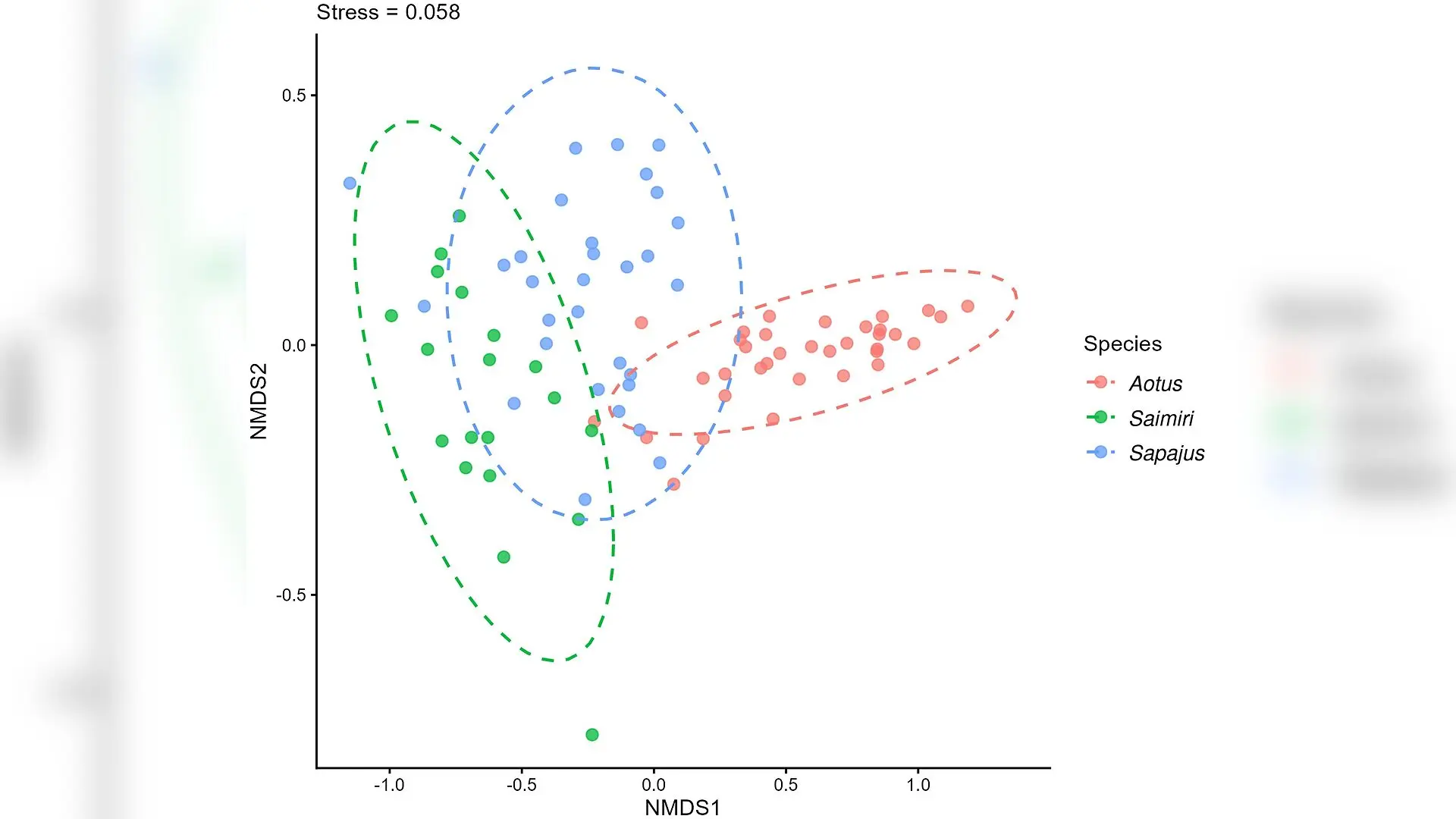
Owl monkeys display surprisingly uniform fingerprint patterns on their hands and feet compared to other primate species, according to a recent morphological analysis. Researchers examined the palmar and plantar friction ridge patterns of 116 individual non-human primates across three different groups to uncover how skin ridges vary among South American species.
The study, published in PLOS One on November 11, 2026, was conducted by Juliana Vieira Flores Sales and colleagues. The team evaluated animals from three distinct Neotropical genera: Aotus infulatus (owl monkeys), Saimiri collinsi (squirrel monkeys), and Sapajus spp. (capuchin monkeys). While owl monkeys showed high homogeneity with whorl patterns dominating their hands and feet, squirrel monkeys and capuchin monkeys displayed much greater diversity in their friction ridge formations.
How Primate Fingerprints Were Collected Safely
Obtaining skin impressions from non-human primates requires careful coordination with veterinary routines to ensure animal welfare. The researchers collected epidermal prints during previously scheduled clinical examinations or routine management procedures that already required chemical restraint, thereby avoiding any extra anesthesia solely for research purposes. Animals were temporarily sedated using established protocols, such as tiletamine and zolazepam or isoflurane inhalation, while veterinary teams monitored their vital signs.
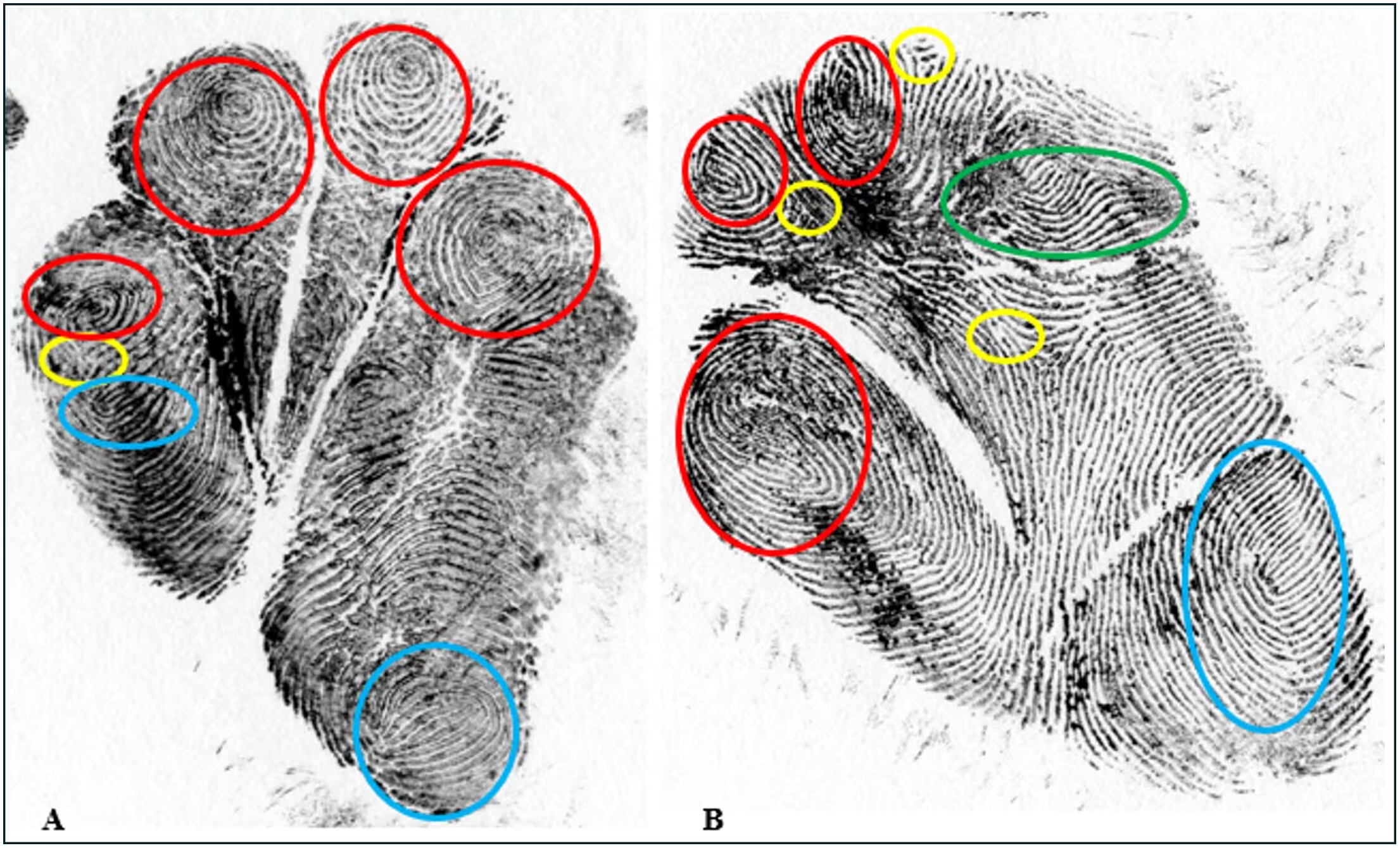
The technical staff gently cleaned the palmar (hand) and plantar (foot) surfaces with water and dried them before applying a thin layer of commercial ink typically used for human fingerprinting. The inked hands and feet were carefully pressed onto white paper sheets, which were subsequently scanned at a high resolution of 2400 pixels per inch. This noninvasive approach allowed scientists to study delicate skin features without causing harm, and no animals were euthanized for the project.
What Global Ridge Patterns Reveal About Taxonomy
The team analyzed friction ridges across two distinct levels of detail, starting with Level I, which covers global ridge arrangements such as arches, loops, and whorls, alongside triangle-shaped points called deltas. The analysis showed that whorl patterns predominated in Aotus infulatus, accounting for 99.5 percent of palmar regions and 96.7 percent of plantar regions. In contrast, squirrel monkeys and capuchin monkeys showed a higher frequency of loops on their feet.
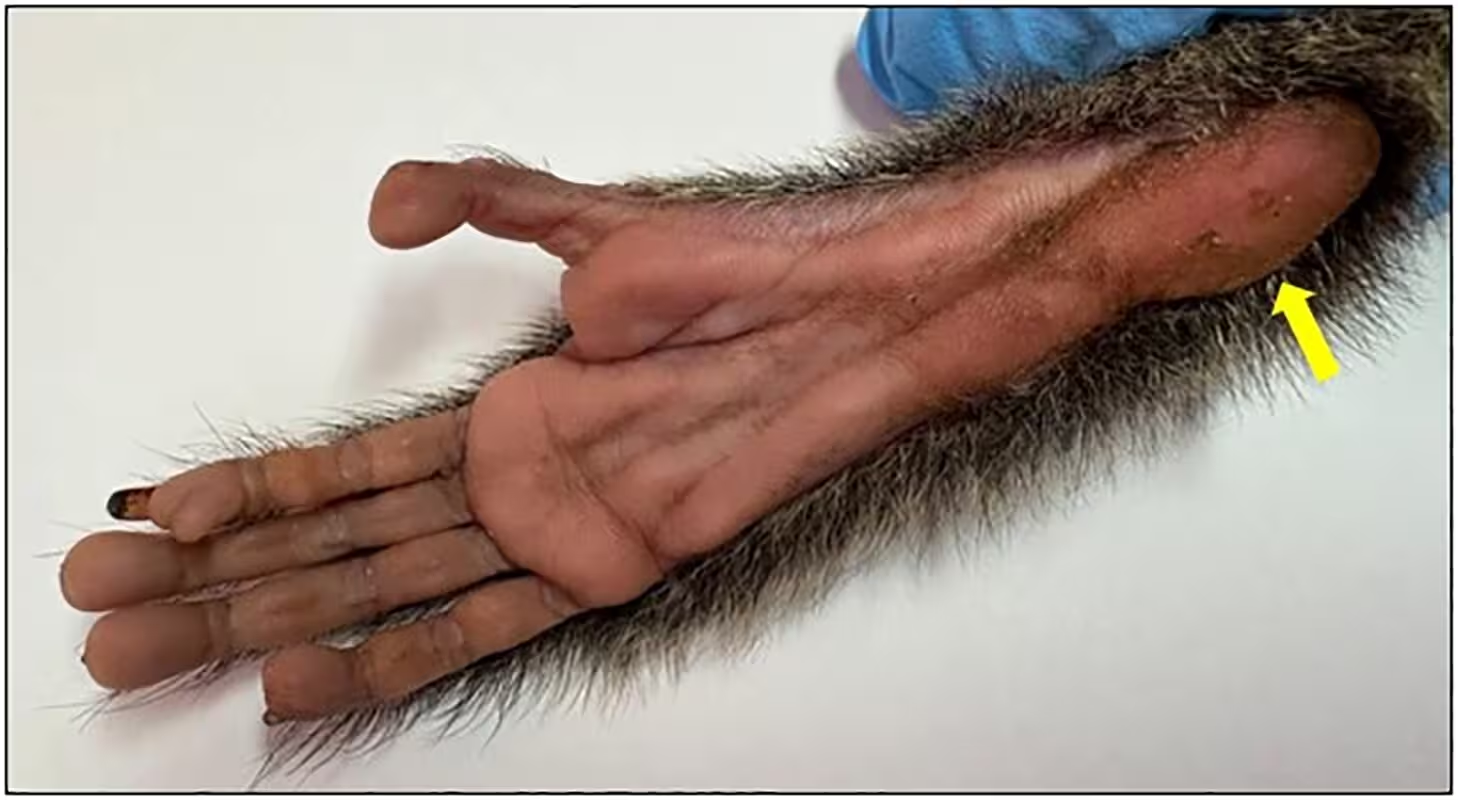
Statistical evaluations revealed significant differences among the three taxa, driven largely by the number of deltas found in specific areas like the hypothenar region on the outer palm. Interestingly, the calcaneal region on the heels of all owl monkeys featured a hyperkeratinized callus-like structure. The researchers attributed this local skin thickening to the time the animals spent resting on wire mesh flooring and wooden platforms inside their enclosures, as this condition does not appear in wild-living populations.
Microscopic Minutiae and Individual Variations
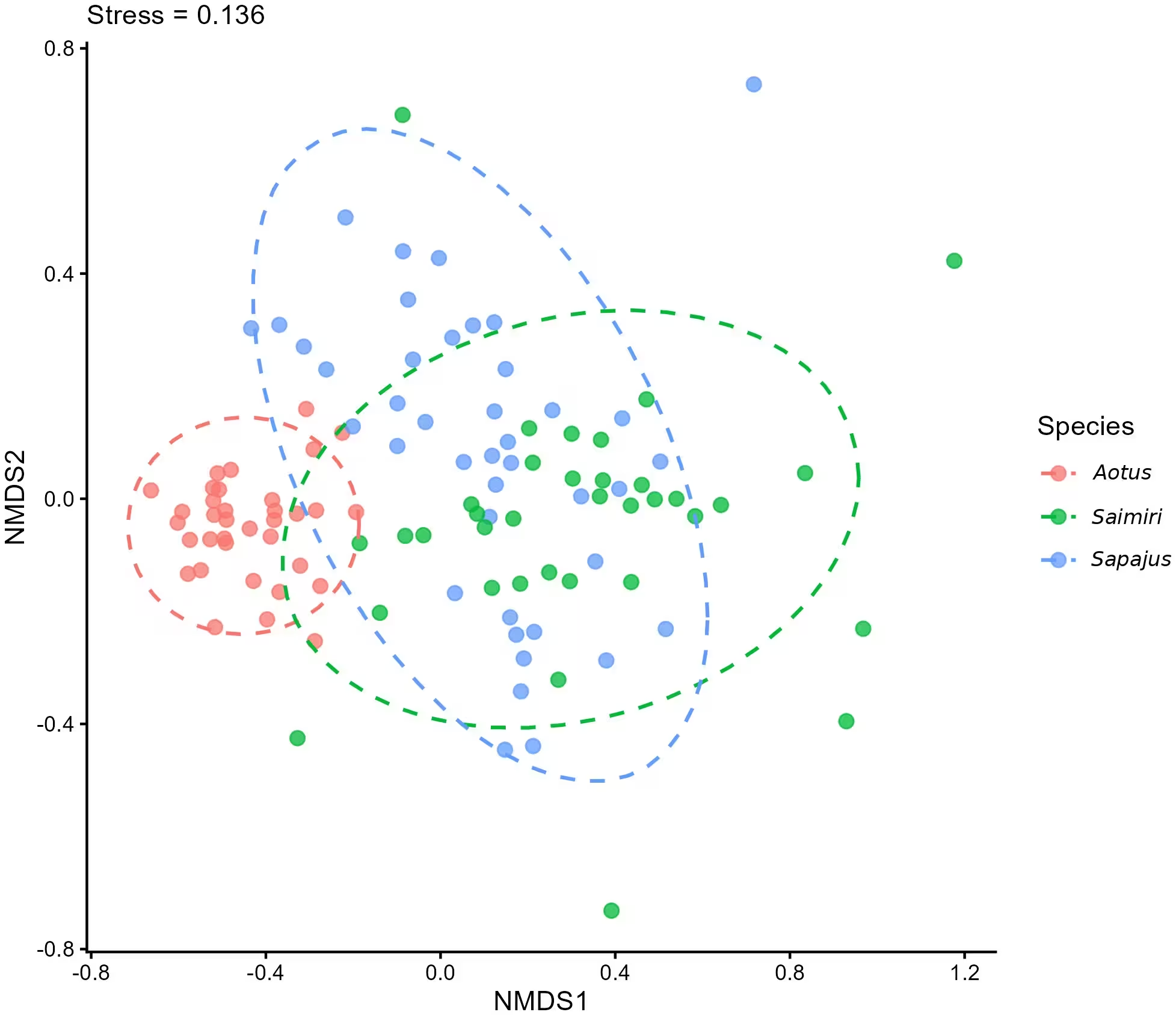
At Level II, the researchers zoomed in on microscopic ridge details known as minutiae, counting a total of 39,258 individual features across the hypothenar areas. They identified 17 distinct minutiae types, including ridge endings, bifurcations, fragments, and tiny dots on the ridges. Ridge endings were the most frequent feature across all taxa and limbs, appearing in every single analyzed group.
However, the specific dominant minutiae varied by species. While capuchin and squirrel monkeys frequently exhibited standard bifurcations, owl monkeys were distinguished by an exceptionally high prevalence of dots directly on the ridges, known as P-IN minutiae, which appeared in 99.2 percent of their samples. Crucially, when comparing 12 mapped minutiae per impression, the team found no identical configurations between any two individual animals in the entire sample.
Limitations and Future Biometric Horizons
The authors noted important limitations in their work, pointing out that ecological interpretations should be treated as exploratory rather than causal. Because the studied animals lived under human care and belonged to only three specific taxa, factors such as diet, climbing behavior, and enclosure substrates were closely tied to species identity, making it impossible to separate environmental influences from evolutionary traits. Furthermore, some paw impressions had to be excluded due to smearing or excess ink.
Despite these caveats, the distinct taxonomic variations suggest that primate friction ridge data could eventually support advanced computer vision and machine learning applications. With larger reference databases, similar biometric techniques could assist wildlife forensic investigations, primate research centers, and conservation programs seeking to identify seized animals or preserved specimens.
The research was published in PLOS One on November 11, 2026.
This article has been fact checked for accuracy, with information verified against reputable sources. Learn more about us and our editorial process.
Last reviewed on .
Article history
- Latest version
Reference(s)
- Sales, Juliana Vieira Flores., et al. “Taxon-related variation in palmar and plantar friction ridge patterns among Aotus infulatus, Saimiri collinsi and Sapajus spp.: Individual-level variation and implications for identification.” PLOS One, vol. 21, no. 11, November 11, 2026, pp. e0360621 Public Library of Science (PLoS), doi: 10.1371/journal.pone.0360621. <https://doi.org/10.1371/journal.pone.0360621>.
- Posted by Hassan Raza