Simple Blood Test Score Reveals Hidden Heart Risks in Dialysis Patients
A routine metabolic index calculated from blood glucose, lipids, and body mass successfully flags elevated cardiovascular mortality risks.
Patients with end-stage renal disease who rely on peritoneal dialysis face an elevated risk of heart-related death, yet common nutritional tests often fail to predict these life-threatening outcomes. A simple metabolic scoring system originally designed to measure how the body responds to insulin might help doctors identify individuals facing the highest cardiac dangers long before symptoms strike.
What is the metabolic score for insulin resistance and how does it work?
Insulin resistance occurs when cells fail to respond properly to the hormone insulin, which normally helps manage blood sugar and fat metabolism. While measuring this condition accurately usually requires expensive and complex clinical procedures, researchers rely on a mathematical formula called the metabolic score for insulin resistance, or METS-IR, as a practical alternative.
This index combines four routine health measurements into a single score: fasting blood glucose, triglycerides, high-density lipoprotein cholesterol, and body mass index. Because these values are already tracked during standard clinic visits, calculating the score requires no extra testing or added costs for patients receiving long-term renal replacement therapy.
How did researchers evaluate the link with cardiac mortality?
Between January 2003 and June 2017, medical teams tracked 553 patients who commenced peritoneal dialysis treatment at the Department of Nephrology at Changhua Christian Hospital in Taiwan. The cohort included 265 men and 288 women with a mean age of 52.5 years, all followed until death, kidney transplantation, or the end of the observation period. The findings are published in PLOS One as part of an investigation into long-term survival factors.
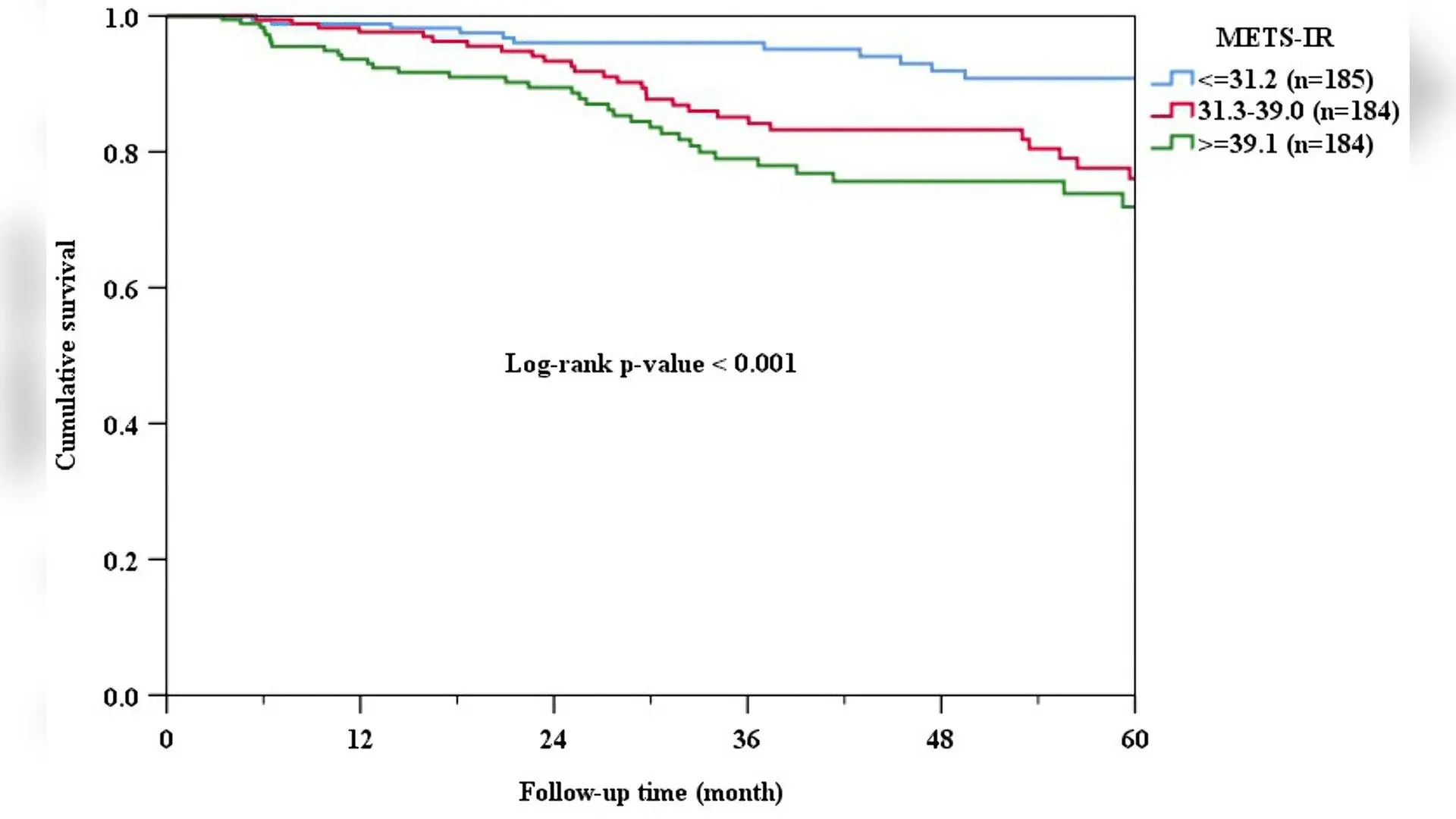
Investigators divided the participants into three equal groups based on their baseline METS-IR tertile values. The first group included scores below 31.3, the second group ranged from 31.3 to 39.0, and the third group contained scores exceeding 39.0. Statistical evaluations used Cox proportional hazards regression models and Fine-Gray competing risk analyses to control for age, sex, underlying health conditions, and various dialysis parameters.
What did the survival data reveal about high scores?
During a median follow-up period of 35.7 months, 142 patients died, with 89 of those deaths attributed directly to cardiovascular causes such as heart failure, myocardial infarction, and stroke. The unadjusted cardiac death rate climbed significantly across the groups, rising from 8.6 percent in the lowest tertile to 17.4 percent in the middle group and 22.3 percent in the highest score category.
Even after adjusting for multiple confounding variables, patients in the highest tertile faced nearly double the risk of cardiovascular death compared to those in the lowest group. Continuous score modeling confirmed that every upward shift in the metabolic index corresponded to a measurable increase in cardiac mortality risk.
Why does insulin dysfunction threaten heart health?
Chronic insulin resistance and the resulting state of excess circulating insulin trigger a cascade of damaging biological changes throughout the cardiovascular system. These metabolic disruptions accelerate plaque buildup inside arteries, foster systemic inflammation, promote oxidative stress, and cause structural thickening of the heart muscle walls.
For individuals undergoing dialysis, these physiological pressures compound existing vascular strains. Traditional glucose-containing dialysis solutions can further influence metabolic balance over time, making early risk assessment vital for improving long-term care strategies.
What are the main limitations of this retrospective study?
Because the investigation relied on retrospective data collected from a single medical center in Taiwan, the findings may not apply directly to broader populations in other countries. Furthermore, the observational nature of the work establishes an association rather than a direct cause-and-effect relationship between the index values and fatal cardiac events.
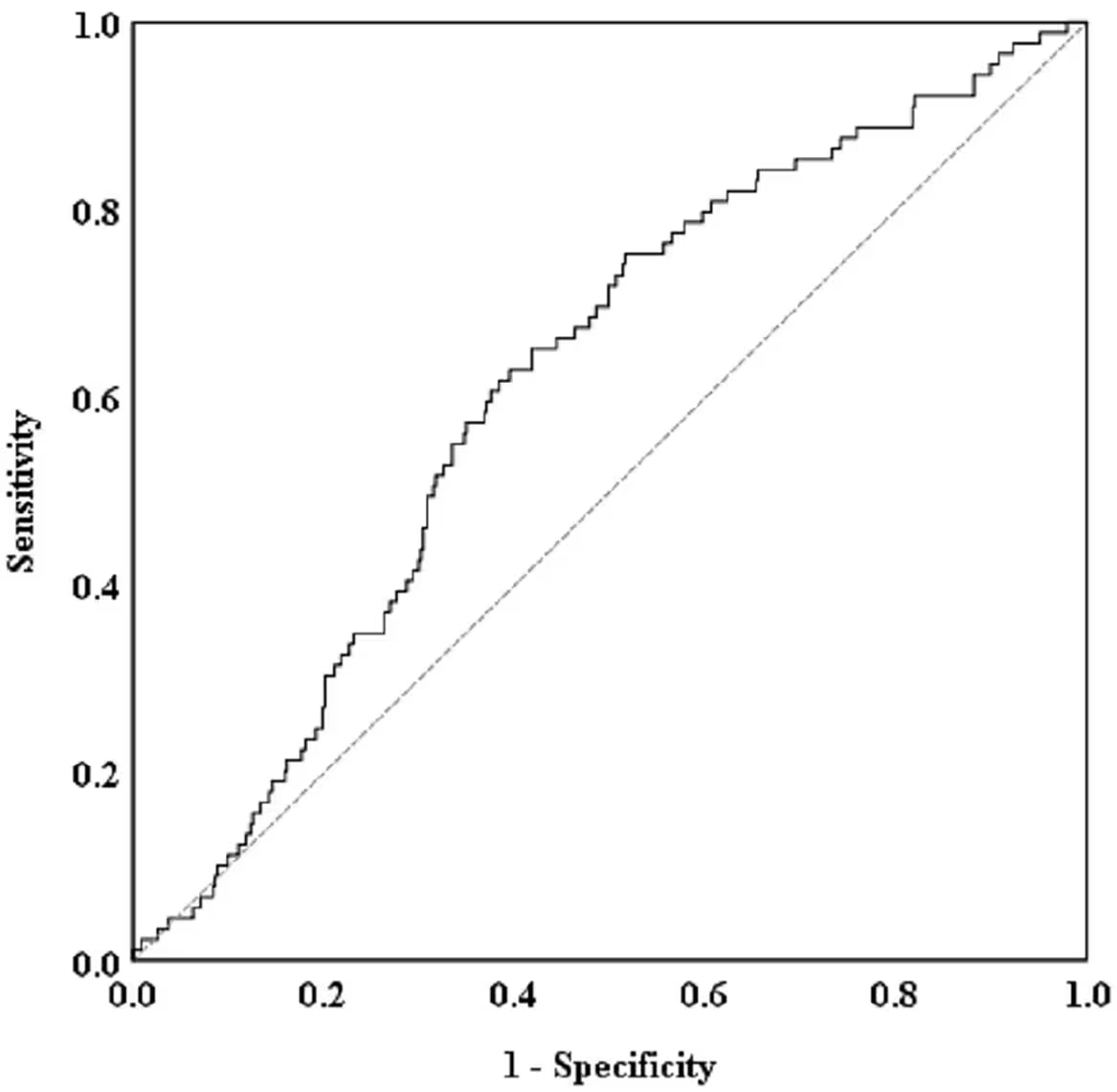
The scoring system also demonstrated modest predictive discrimination when used on its own, suggesting it functions best as a broad risk indicator rather than a standalone diagnostic tool. Researchers emphasize that while the score cannot replace comprehensive clinical evaluations, it offers an accessible warning sign that can help medical professionals prioritize high-risk patients for targeted cardiovascular interventions.
The research was published in PLOS One on November 11, 2026.
This article has been fact checked for accuracy, with information verified against reputable sources. Learn more about us and our editorial process.
Last reviewed on .
Article history
- Latest version
Reference(s)
- Tsai, Chun-Chieh., et al. “Associations of metabolic score for insulin resistance (METS-IR) with cardiovascular mortality risk in peritoneal dialysis patients.” PLOS One, vol. 21, no. 11, November 11, 2026, pp. e0349680 Public Library of Science (PLoS), doi: 10.1371/journal.pone.0349680. <https://doi.org/10.1371/journal.pone.0349680>.
Cite this page:
- Posted by Priya Sharma