Metabolic Health Score Fails to Predict Repeat Heart Interventions
Data from over one thousand patients reveal that a popular insulin resistance marker does not signal returning arterial blockages after primary procedures.
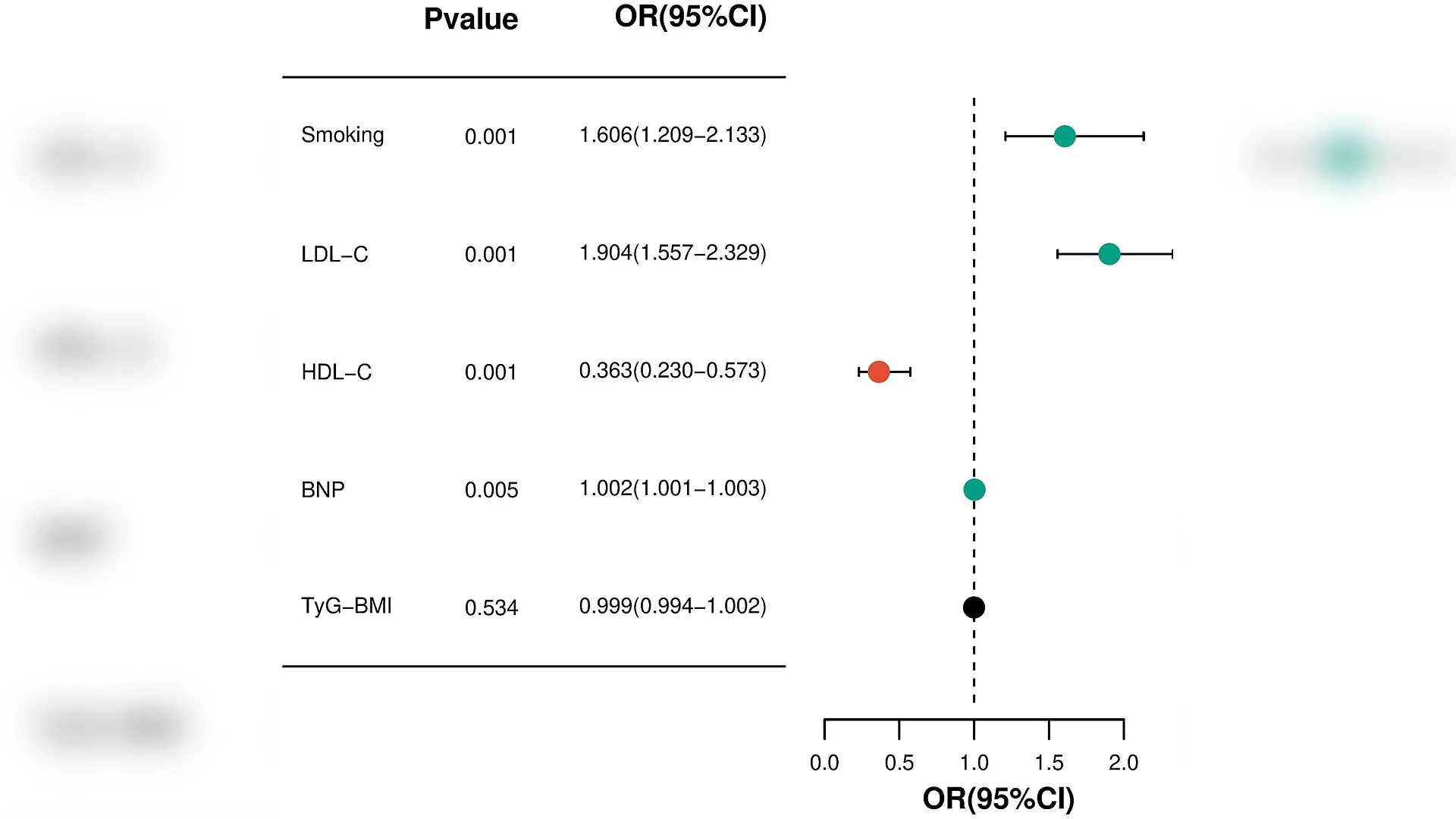
A commonly used metabolic health score fails to predict which patients will need a second heart procedure after clearing a major cardiovascular blockage, according to a recent retrospective analysis. The marker, known as the triglyceride glucose-body mass index or TyG-BMI, combines fasting blood sugar, blood fats, and body weight into a single numerical value to estimate insulin resistance and hidden fat accumulation. Researchers expected higher scores to signal a greater danger of blocked arteries returning, but data from 1,020 patients revealed no such connection.
Coronary heart disease remains a leading global cause of mortality and disability, often treated with a procedure called percutaneous coronary intervention, where doctors thread a tiny balloon and wire mesh tube into narrowed arteries to restore blood flow. Although this mechanical fix and subsequent drug treatments successfully improve short-term recovery, many patients eventually require a repeat intervention due to scar tissue growth or new plaque buildup. Finding reliable warning signs to spot vulnerable individuals early remains a major goal for preventative medicine, prompting scientists to test whether integrated metabolic indicators could forecast long-term complications.
Looking at Metabolic Scores and Repeat Heart Procedures
To investigate whether metabolic markers can forecast future vessel blockages, investigators examined resident health-record follow-up records from the Yipeng Community Health Service Center covering the decade between January 2015 and January 2025. Out of an initial pool of 2,561 patients diagnosed with coronary heart disease who underwent primary intervention, the team applied strict inclusion and exclusion criteria, removing cases involving cancer, immune system disorders, or individuals who died within the past decade. The final study cohort comprised 1,020 participants with a mean age of 62.31 years, split evenly between 453 individuals who experienced a repeat intervention and 567 controls who did not. The complete findings are published in PLOS One as part of an evaluation led by Weiqiang Fei and colleagues.
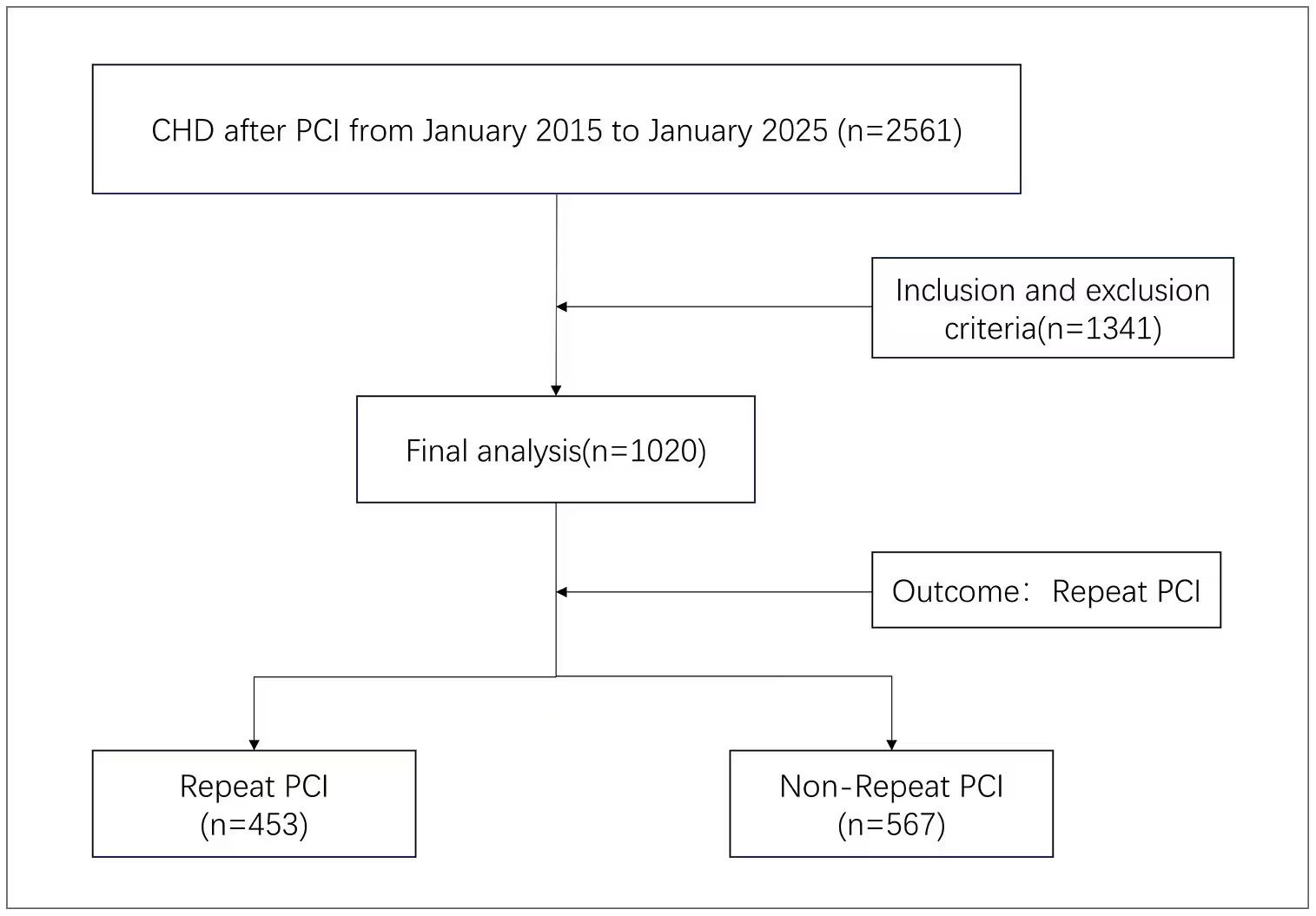
The research team calculated preoperative body mass index using height and weight measurements, alongside the triglyceride-glucose index derived from fasting blood glucose and triglyceride laboratory values. Baseline glucose-metabolism status was categorized into normal glucose metabolism, prediabetes, and diabetes according to established clinical guidelines. Statistical evaluations utilized multivariate logistic regression models alongside restricted cubic spline analyses to detect potential linear or nonlinear relationships between the composite metabolic score and the necessity for secondary procedures.
Why Standardized Care May Mask Metabolic Risks
Contrary to expectations, the statistical models demonstrated that the triglyceride glucose-body mass index was not an independent predictor of repeat heart interventions. When evaluating the continuous index values within regression models and spline curves, the researchers observed no statistically significant linear or nonlinear dose-response trends linking higher scores to increased procedural risk. Furthermore, when dividing participants into subgroups based on their baseline blood sugar regulation, no significant associations emerged within normoglycemic, prediabetic, or diabetic strata.
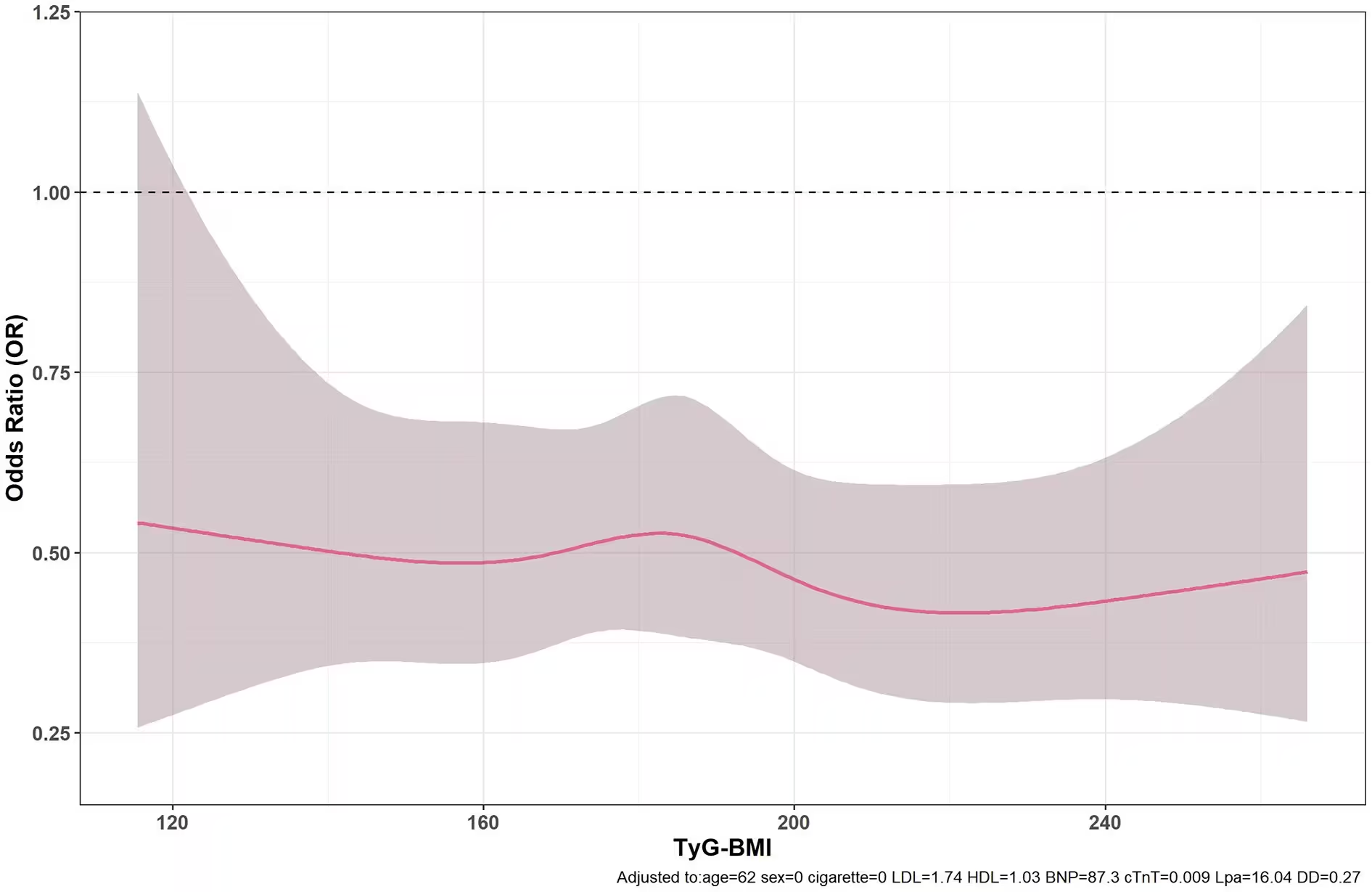
The authors suggest several reasons for these unexpected null results. First, the mechanical intervention itself and rigorous post-procedural medication regimens, including dual antiplatelet therapy and statins, fundamentally alter the natural progression of coronary disease. While metabolic scores clearly correlate with initial plaque formation in untreated populations, intensive secondary prevention successfully mitigates much of the residual risk, narrowing differences between patient groups. Second, needing another procedure stems from complex, multi-factorial causes such as localized tissue proliferation, stent thrombosis, or disease progression in entirely different vessel segments, meaning a single metabolic index accounts for only a small fraction of the overall risk.
Study Limitations and Future Research Directions
The study authors noted important limitations that should be considered when interpreting the findings. Because the retrospective design relied entirely on survivors who returned for community health follow-ups and excluded individuals who suffered in-hospital mortality, survivor bias may have influenced the effect estimates. Additionally, the electronic health records lacked detailed procedural data such as specific stent types, lesion complexity scores, inflammatory biomarkers, and long-term medication adherence metrics. These unmeasured anatomical and procedural variables could potentially mask subtle metabolic influences, highlighting the need for future prospective trials with comprehensive clinical datasets.
The research was published in PLOS One on November 11, 2026.
This article has been fact checked for accuracy, with information verified against reputable sources. Learn more about us and our editorial process.
Last reviewed on .
Article history
- Latest version
Reference(s)
- Fei, Weiqiang., et al. “Association between TyG‑BMI and repeat percutaneous coronary intervention (PCI) risk: exploratory stratification by glucose metabolism status.” PLOS One, vol. 21, no. 11, November 11, 2026, pp. e0362761 Public Library of Science (PLoS), doi: 10.1371/journal.pone.0362761. <https://doi.org/10.1371/journal.pone.0362761>.
Cite this page:
- Posted by Priya Sharma