Mapping Genomic Tolerance Reveals Which Cattle Genes Resist Change
Analysis of over 21,000 genes shows how purifying selection guards fundamental cellular machinery while immunity and olfaction embrace diversity.
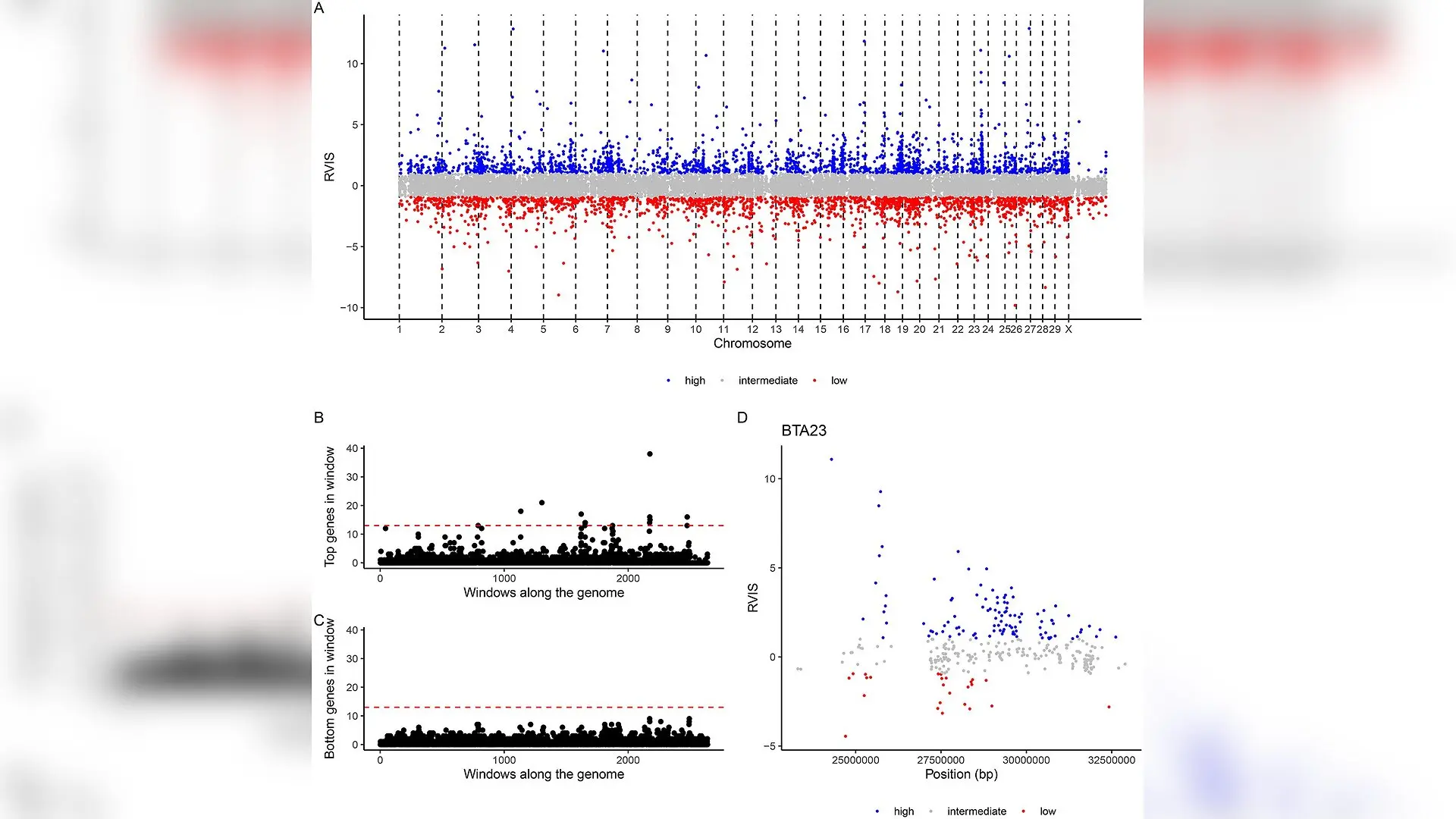
Cattle possess over 21,000 protein-coding genes that quietly carry the evolutionary history of their domestication and survival across millennia. By analyzing DNA data from 1,038 animals, researchers have mapped which bovine genes tolerate genetic changes and which remain fiercely protected by natural selection. This map reveals a striking divide in the livestock genome, where immune defenses and senses of smell embrace mutation, while fundamental cellular machinery rejects even minor alterations.
How Genomic Tolerance Reveals Evolutionary Pressures
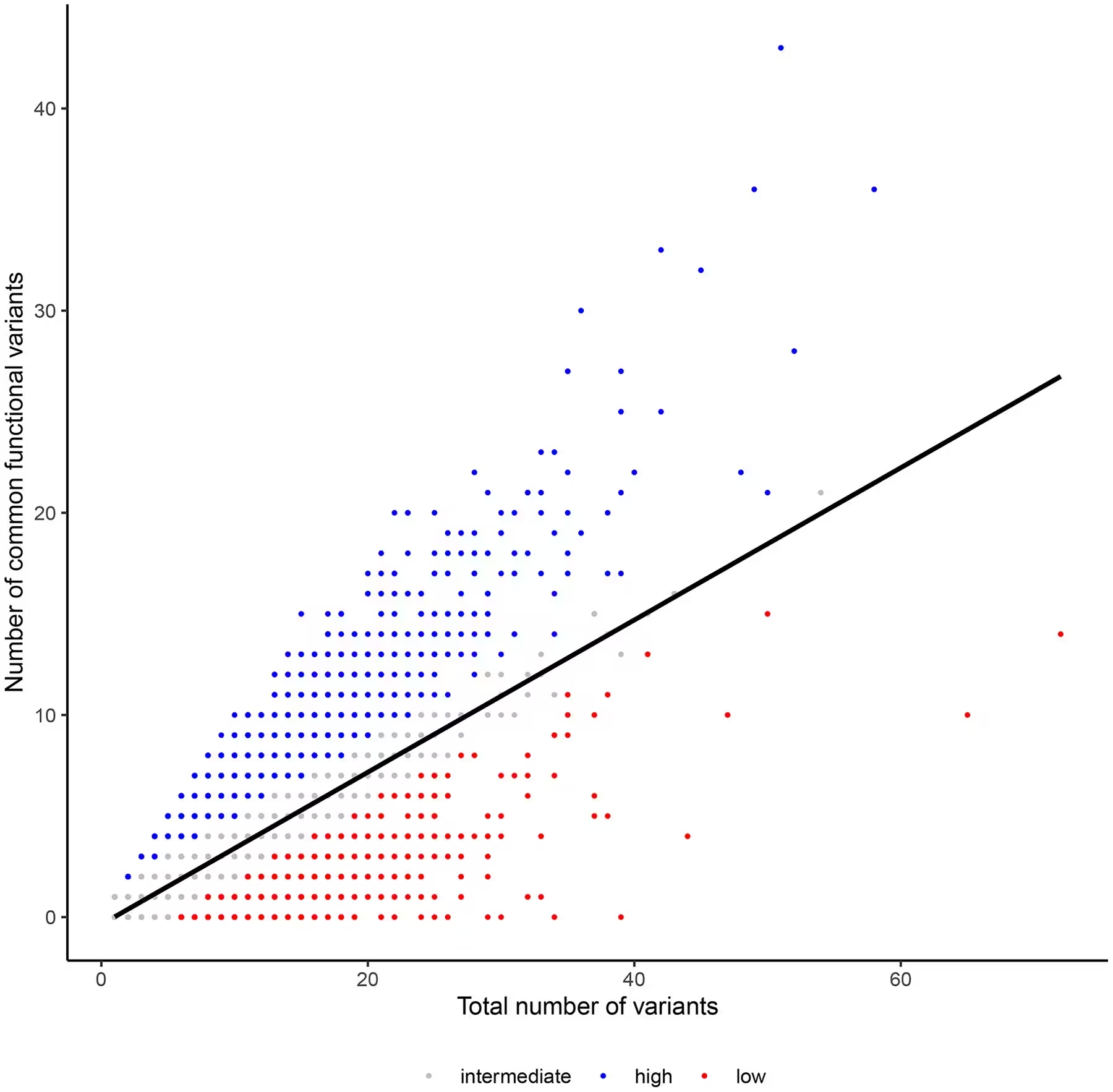
To uncover these patterns, the scientific team utilized sequence variation data from the public 1000 Bull Genomes project, encompassing a diverse worldwide sample of cattle. They calculated residual variation intolerance scores, a statistical method that compares the number of common functional genetic variants to the overall mutational input within each gene. Genes that accumulate fewer functional changes than expected are deemed intolerant, meaning natural selection actively purges mutations because they impair vital survival or reproductive functions. Conversely, highly tolerant genes accumulate diverse mutations without detrimental effects, often due to balancing selection or relaxed constraints.
The researchers analyzed over 21,000 genes using Ensembl and NCBI annotations, alongside protein domains predicted by the Pfam database. They also tested how alternative allele frequency thresholds affected the results, finding robust correlations above 0.90 across different filtering criteria. The complete findings are published in PLOS One, providing a foundational resource for farm animal genetics.
Which Genes Resist Change and Which Embrace It
At the gene level, estimated intolerance scores ranged from minus 9.81 to 12.9. The gene with the highest tolerance score was MKI67, which encodes a protein involved in cell proliferation and chromatin organization. Other highly tolerant genes included ABC-transporter genes and immune-related protein tyrosine phosphatases. When examining protein domains, class II major histocompatibility complex antigen domains and olfactory receptor domains dominated the most variant-tolerant categories. This high tolerance in immune and sensory genes reflects evolutionary pressures that favor diversity, allowing animals to adapt to shifting pathogens and environmental cues.
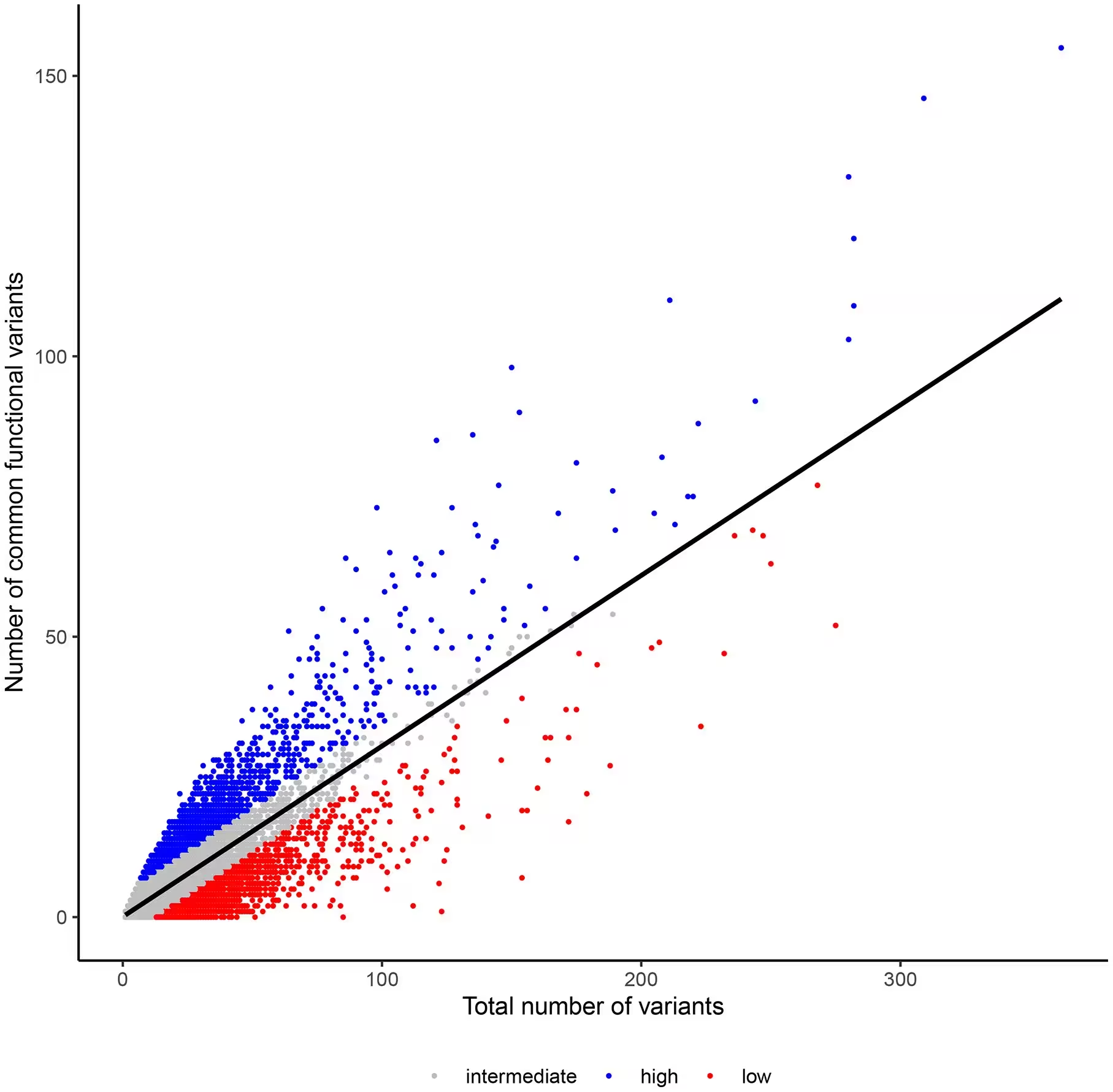
On the opposite end of the spectrum, the most variant-intolerant gene identified was TRRAP, which helps build histone acetyltransferase complexes essential for gene regulation. Other heavily constrained genes included ryanodine receptors like RYR1 and RYR2, which govern critical calcium-ion transport in muscle and nerve tissues. Domain-level analysis similarly highlighted myosin tails, heat-labile chaperone proteins, and rhodopsin domains as heavily guarded against variation. These constrained elements manage fundamental cellular housekeeping and structural integrity, where mutations typically prove fatal or severely disadvantageous.
How Cattle and Human Genomes Compare
When the authors aligned their bovine findings with one-to-one orthologous human genes, they uncovered a moderate positive Spearman rank correlation of 0.49. This score points to broad similarities in evolutionary constraint across mammalian species while highlighting intriguing biological divergence. Certain neural-related genes, such as those governing voltage-gated calcium channels, showed greater tolerance in cattle but higher constraint in humans. Conversely, specific muscle-related genes and dynein components displayed tighter constraints in cattle than in their human counterparts.
Genomic clustering analysis further revealed that variant-intolerant genes spread out relatively evenly across chromosomes, while variant-tolerant genes formed distinct clusters. The most prominent cluster appeared on chromosome 23, overlapping major histocompatibility complex regions and olfactory receptor neighborhoods. These dense gene families pose technical challenges for short-read sequencing technologies, which struggle to resolve highly repetitive and structurally complex DNA segments accurately.
Limitations and What Lies Ahead
The authors note several important limitations in their methodology, including the constraints of short-read sequencing, which misses long structural variants and struggles within repetitive genomic regions. Additionally, some novel gene models with extremely high tolerance scores might stem from annotation errors or uncharacterized pseudogenes that accumulate mutations freely. Future investigations incorporating long-read sequencing and broader representation of diverse cattle breeds will help refine these intolerance maps.
Ultimately, these genomic intolerance scores offer a practical framework for interpreting genome-wide association studies and prioritizing deleterious mutations in breeding programs. By understanding which genetic building blocks can bend and which must break, researchers gain sharper tools to safeguard animal health and improve agricultural productivity.
The research was published in PLOS One on November 10, 2026.
This article has been fact checked for accuracy, with information verified against reputable sources. Learn more about us and our editorial process.
Last reviewed on .
Article history
- Latest version
Reference(s)
- Lanigan, Simon., et al. “Variant intolerance scores in cattle.” PLOS One, vol. 21, no. 11, November 10, 2026, pp. e0355762 Public Library of Science (PLoS), doi: 10.1371/journal.pone.0355762. <https://doi.org/10.1371/journal.pone.0355762>.
Cite this page:
- Posted by Priya Sharma