Rapid HIV Treatment Cuts Viral Suppression Time in Half
New research from Ethiopia reveals that starting antiretroviral therapy within a week of diagnosis doubles the speed of viral suppression, though overall rates still trail global goals.
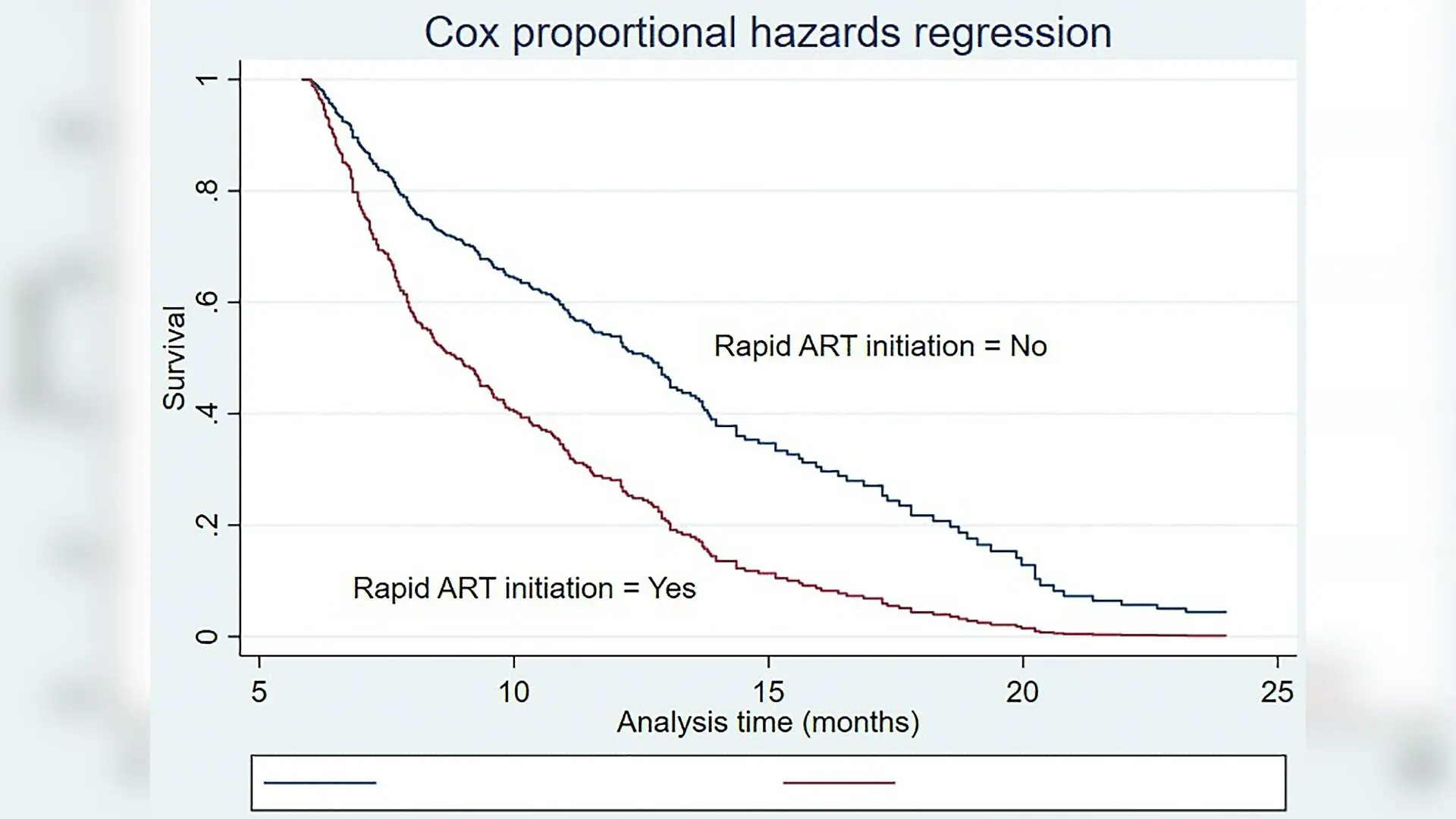
Adults and adolescents living with HIV in Ethiopia who start antiretroviral therapy within a week of diagnosis reach undetectable viral levels twice as fast as those who wait longer. Researchers tracking 414 patients in Shashemene City found that rapid treatment, good nutrition, and physical mobility are the main drivers of successful viral suppression, though overall suppression rates remain below global targets.
How Fast Does Treatment Work for HIV Patients in Ethiopia
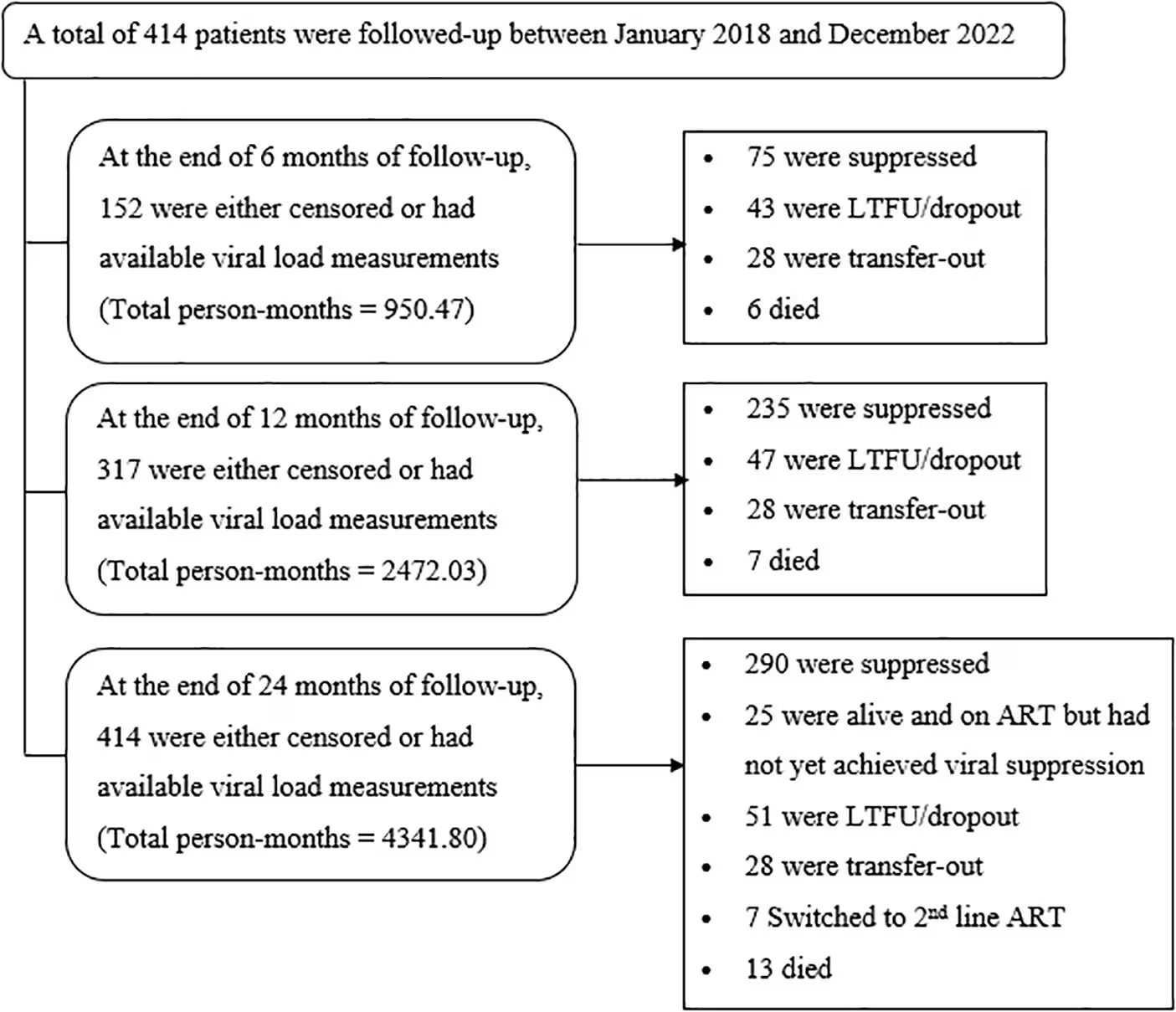
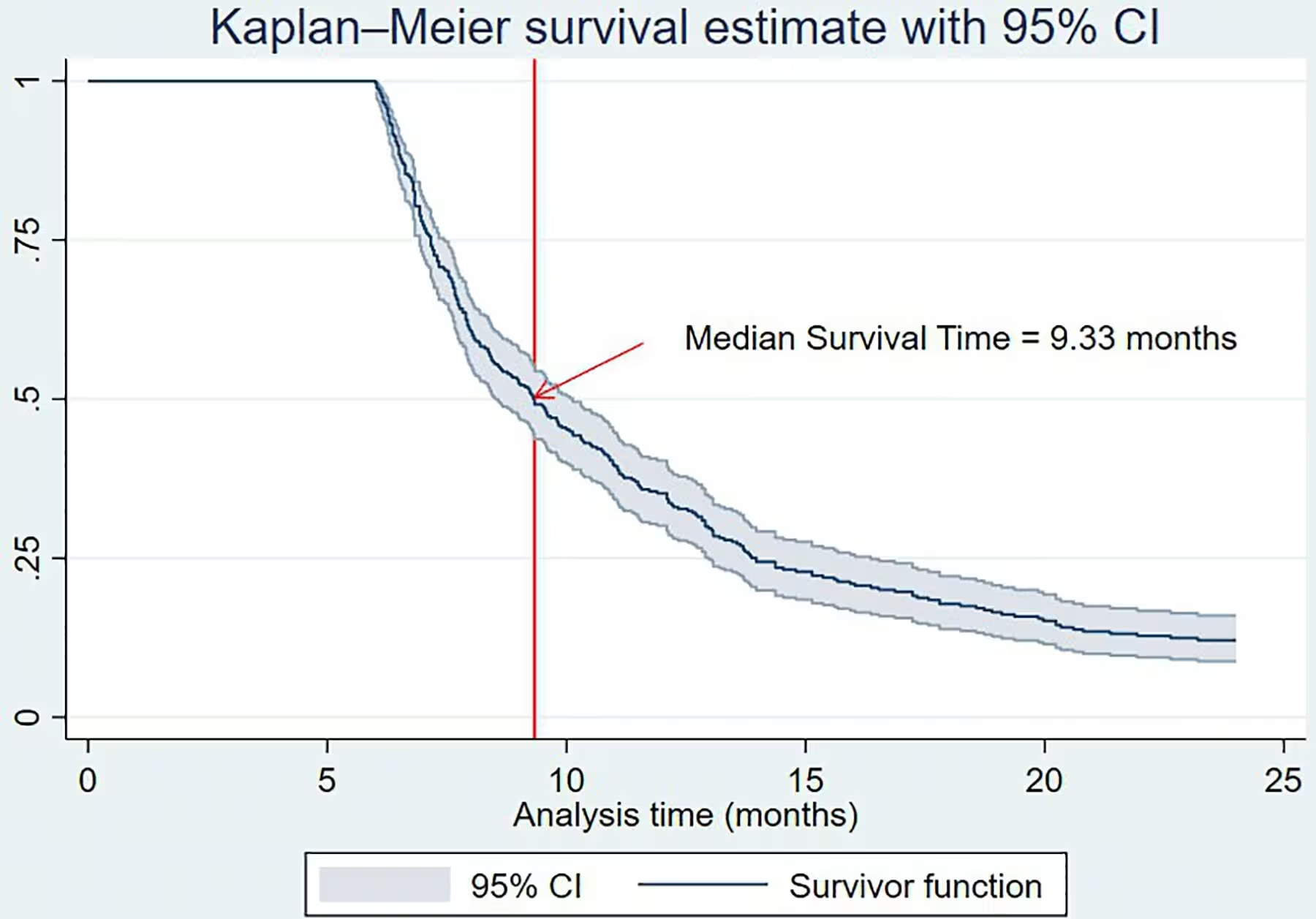
The study, published in PLOS One, examined medical records and electronic databases from January 2018 to December 2022. During this test-and-treat era, where medication is offered immediately regardless of disease stage, investigators followed patients aged 15 and older across four public health facilities. Out of the cohort analyzed, 70 percent of patients achieved viral suppression, meaning the virus fell to undetectable levels, within the two-year observation window. The median time required to reach this milestone was approximately 9.3 months.
Despite these positive outcomes, the overall suppression rate falls short of the target set by international health organizations to end AIDS by 2030. The authors noted that nearly half of the enrolled patients were censored before the study concluded due to factors such as transferring out of the area, dropping out of care, or death.
What Factors Shape Treatment Success and Viral Suppression
Statistical analysis revealed four key predictors that significantly influence how quickly a patient reaches viral suppression. Patients who initiated antiretroviral therapy on the same day or within seven days of their diagnosis showed a twofold higher chance of earlier viral suppression compared to those who started later. This underscores the clinical benefit of streamlining care to eliminate administrative and logistical barriers at health facilities.
Nutritional status also played a critical role in immune recovery. Undernourished individuals experienced a 46 percent lower chance of early viral suppression compared to those with adequate nutrition. Furthermore, physical strength at the start of treatment mattered immensely. Patients who were bedridden or ambulatory had an 87 percent lower chance of achieving early viral suppression than those who presented with a normal working functional status.
Self-reported adherence to medication regimens also correlated with success, as patients with suboptimal adherence lagged behind those who maintained good adherence. Interestingly, advanced clinical stages at baseline did not show a statistically significant effect in the final multivariable model, which the researchers attribute to the flexibility of functional status across different disease stages.
What Are the Limitations and Next Steps for Public Health
The study faced certain constraints inherent to retrospective record reviews. Baseline viral load measurements were not routinely available for every patient, preventing the research team from accounting for initial viral quantities in their final models. Additionally, reliance on self-reported missed doses may have introduced social desirability bias, potentially overestimating true medication adherence.
The authors suggest that health authorities should expand nutritional support programs to include individuals with mild malnutrition, rather than waiting for severe wasting to occur. Strengthening same-day treatment protocols and providing intensified counseling for patients with limited physical mobility will be essential for closing the gap toward international health targets.
The research was published in PLOS One on November 11, 2026.
This article has been fact checked for accuracy, with information verified against reputable sources. Learn more about us and our editorial process.
Last reviewed on .
Article history
- Latest version
Reference(s)
- Jarso, Habtemu., et al. “Viral suppression among adolescents and adults living with human immunodeficiency virus in Ethiopia during the test-and-treat era.” PLOS One, vol. 21, no. 11, November 11, 2026, pp. e0362375 Public Library of Science (PLoS), doi: 10.1371/journal.pone.0362375. <https://doi.org/10.1371/journal.pone.0362375>.
- Posted by Hassan Raza