Archaeologists Discover 25 Ancient Stone Turtle Figurines Buried in Turkish Cave Ritual
Archaeologists have unearthed dozens of mysterious turtle-shaped stone carvings in a Turkish cave, sparking questions about their ancient, ritualistic purpose.
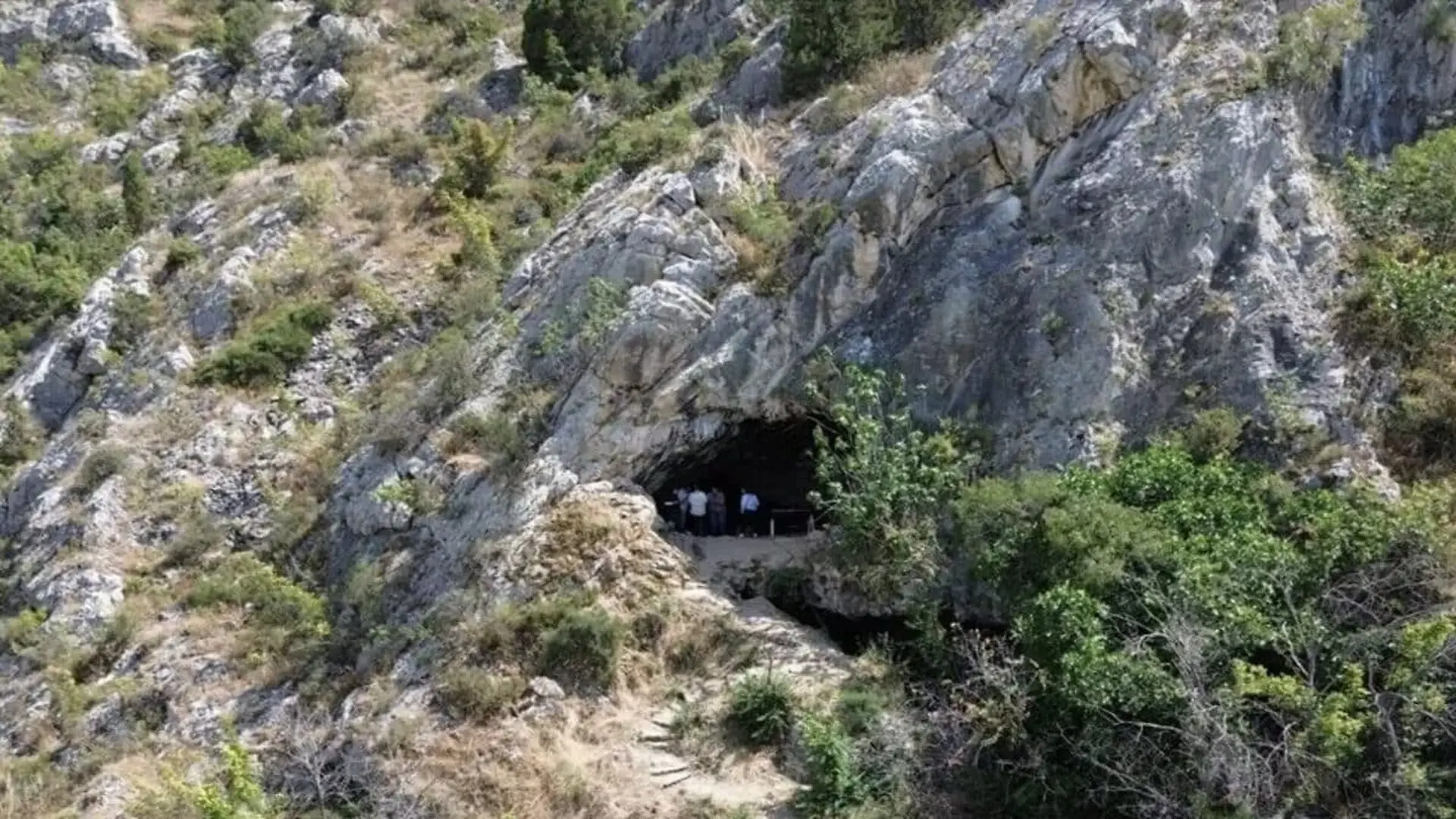
Archaeologists working within a cavern system beneath Turkey’s Gedikkaya Hill have unearthed a collection of 25 intentionally placed, limestone-carved turtle figurines. These artifacts, dating back as far as 14,500 B.C.E., were discovered encircling a specific architectural feature, suggesting a sophisticated ritual practice that predates the construction of the Great Pyramids by several millennia.
The cave, which has been the focus of intense investigation since its identification in 2017, contains evidence of human habitation across three distinct prehistoric eras: the Epipaleolithic, the Neolithic, and the Chalcolithic. While the site itself has been known since the 1960s, these latest findings provide a unique glimpse into the symbolic world of the region’s ancient inhabitants.
A Multi-Millennial Tradition
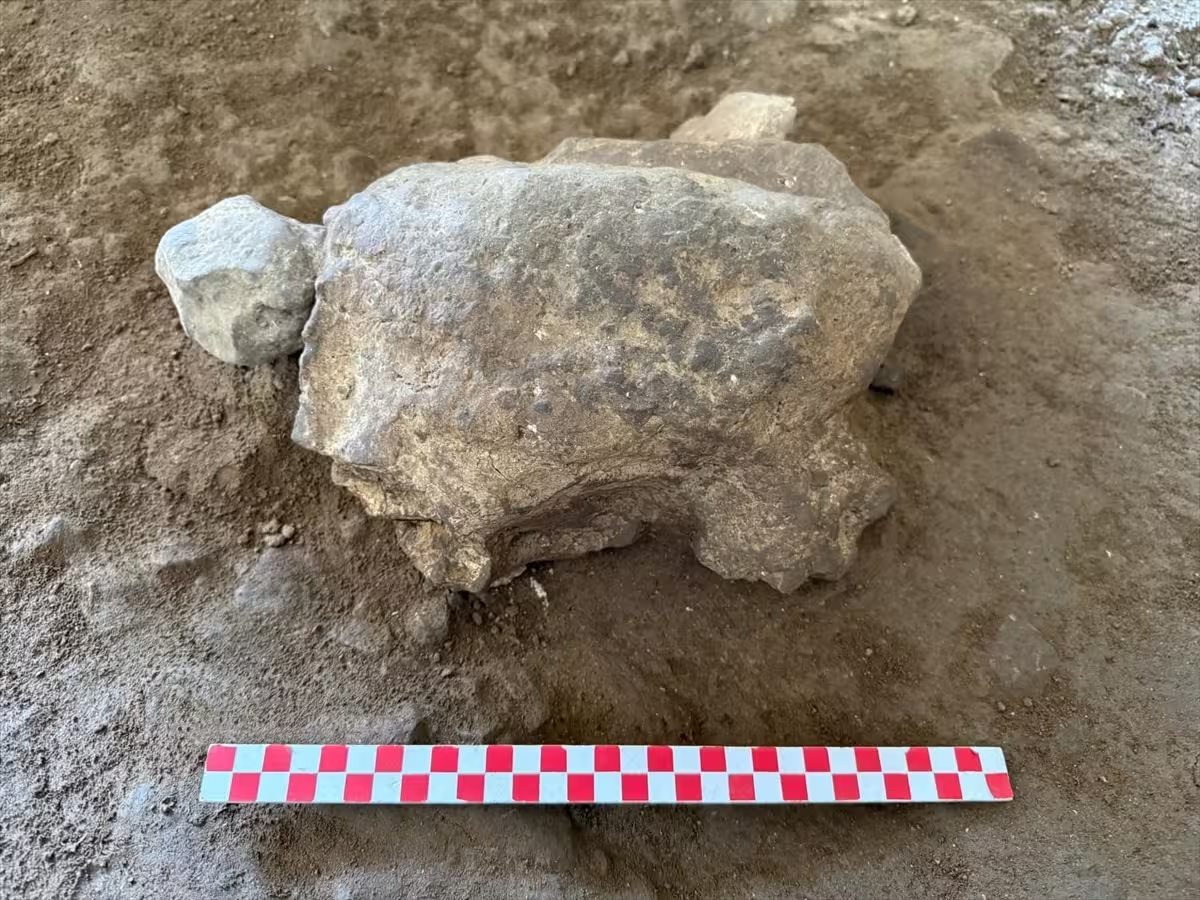
Radiocarbon analysis indicates that the turtle figurines were deposited over an extensive period, spanning from roughly 14,500 B.C.E. to 11,200 B.C.E. According to Deniz Sarı, a professor of archaeology at Bilecik Şeyh Edebali University, the persistence of this practice over three thousand years implies that the ritual was not a singular event but a recurring cultural tradition passed down through generations. The artifacts, which measure up to a foot in length, exhibit a deliberate, if somewhat rustic, aesthetic, and many were coated with clay.
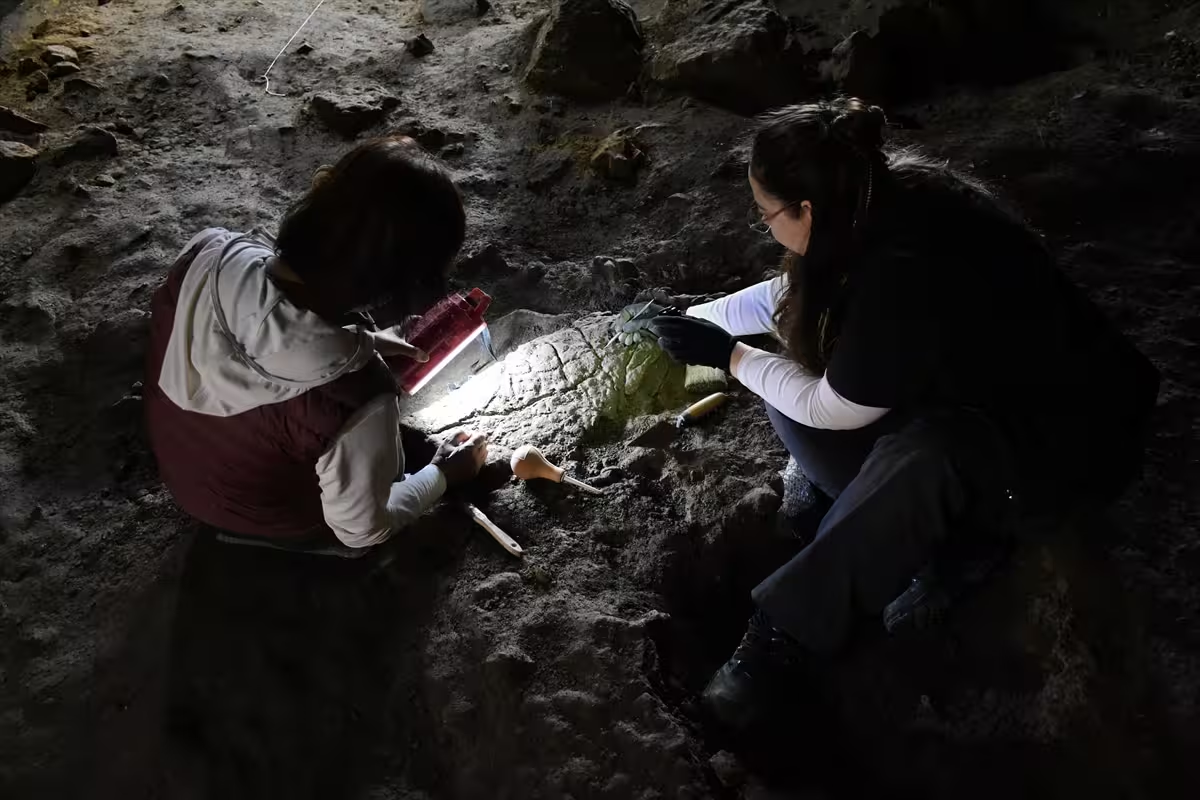
Ancient Roots of Modern Rituals
Researchers have drawn parallels between these ancient stone arrangements and the modern-day festival of Hıdırellez, still celebrated across Turkey and the Balkans. During this spring event, participants frequently write wishes on slips of paper and bury them in the earth. The careful placement of the turtle figurines—often found half-formed or hastily fashioned—mirrors this historical impulse to anchor human desires or offerings into the ground through a structured, circular arrangement.
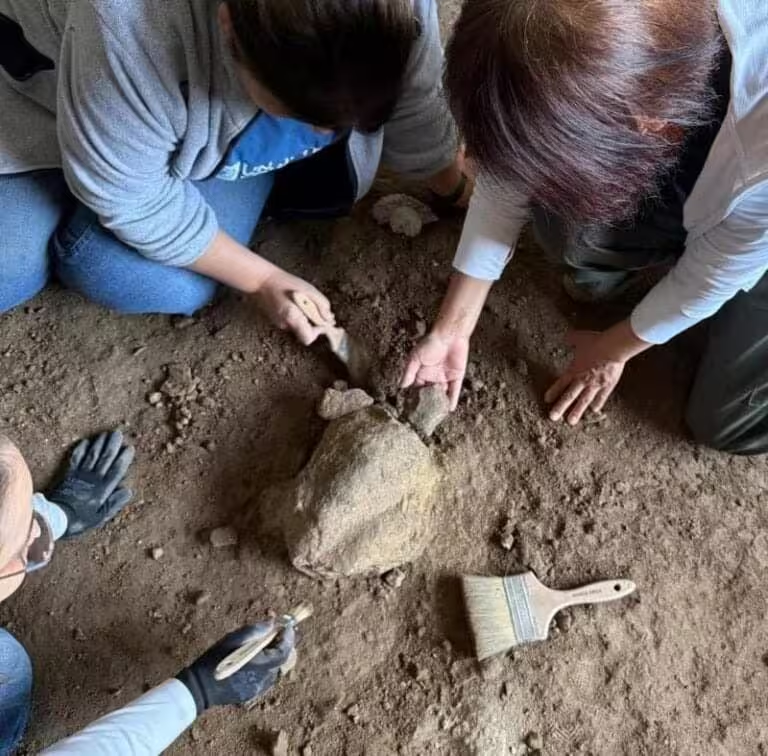
Geographic Symbolism and the “Mountain Cult”
Prior to the discovery of these figurines, excavations within the cave had revealed two curved rows of stones surrounding a large natural stalagmite, forming a space experts interpret as a ritual pit. The finding of animal remains, such as a raptor claw, and previous evidence of tortoise shells suggest that fauna played a central role in the spiritual life of the site’s inhabitants.
One leading theory suggests that the residents perceived the physical silhouette of Gedikkaya Hill as resembling a turtle. This observation may have fostered a localized “mountain cult,” where the figurines served as symbolic manifestations of the hill itself. Whether the turtles represented a broader cultural reverence for longevity or a specific connection to the landscape, the findings offer a rare glimpse into the symbolic continuity of human belief systems at the dawn of civilization.
This article has been fact checked for accuracy, with information verified against reputable sources. Learn more about us and our editorial process.
Last reviewed on .
Article history
- Latest version
Cite this page:
- Posted by Hassan Raza