Industrial Soot From Brick Kilns Is Accelerating The Melting Of Himalayan Glaciers
Himalayan glaciers are melting at an alarming rate. Scientists have identified a specific pollution source that could be addressed faster than climate change.
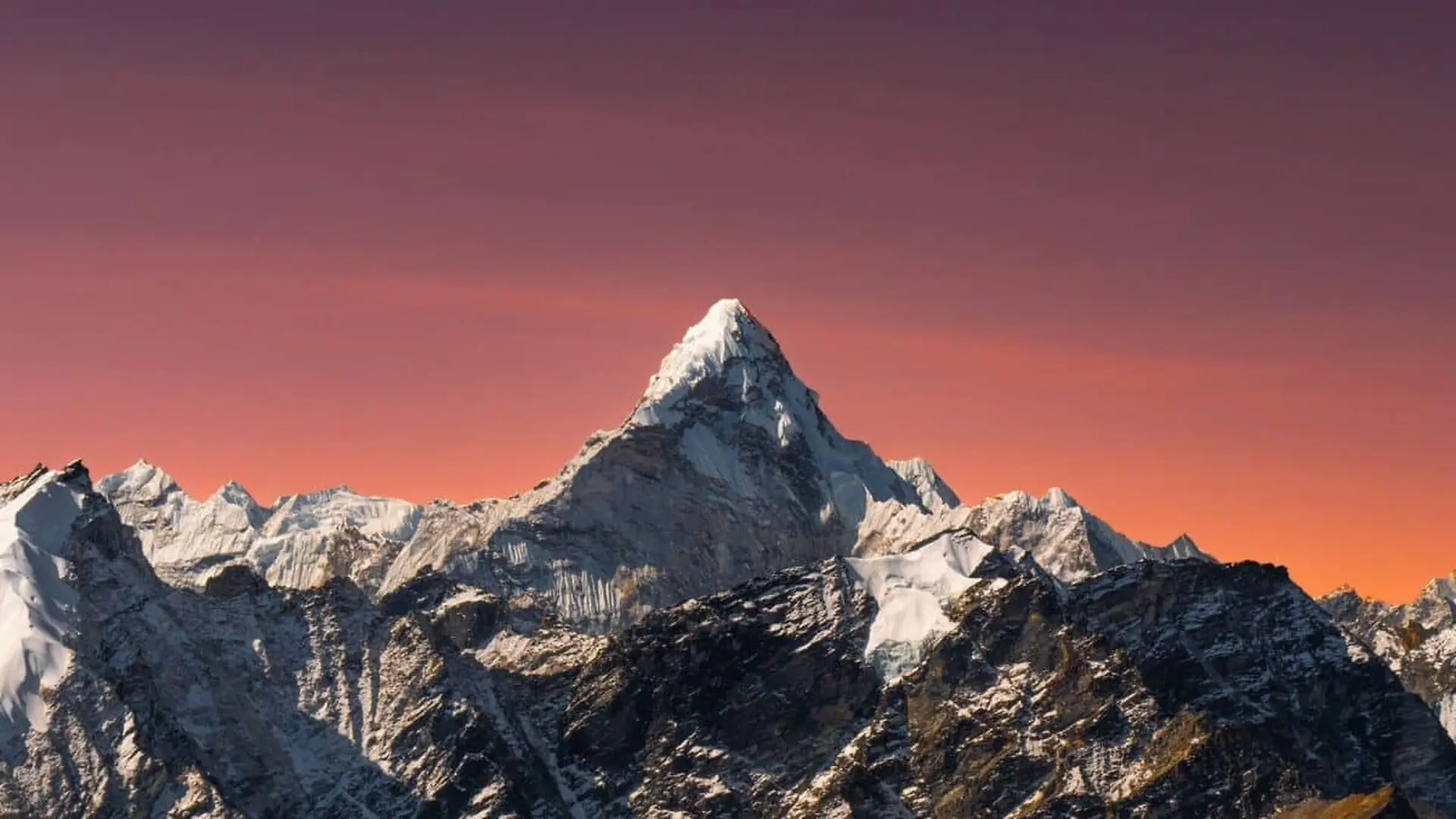
The Himalayan mountain range holds more glacial ice than any other region outside the polar circles, serving as a massive, frozen reservoir that sustains millions. However, this critical water supply is under duress. Decades of sustained melting have significantly altered the landscape, exacerbating the risks posed by the region’s inherently volatile geology. As glaciers shrink and mountain slopes lose their stability, communities living downstream face a growing threat from landslides, debris flows, and sudden flooding.
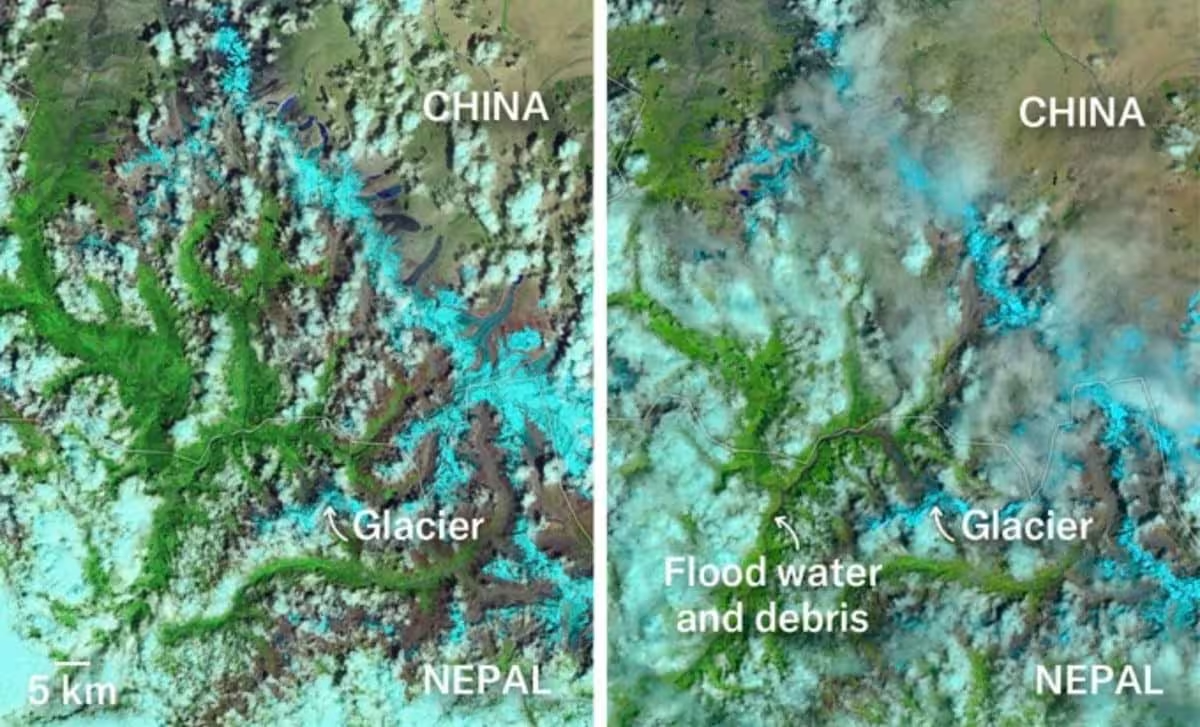
Recent events have underscored the urgency of these environmental shifts. A catastrophic landslide along the border of Nepal and China this past August resulted in significant loss of life and destruction of infrastructure. Experts indicate that the disaster was the result of a “perfect storm” of conditions, where geological instability from a 2015 earthquake collided with the compounding pressures of a changing climate. Within this context, scientists are now highlighting a specific, potent form of pollution that, while short-lived compared to carbon dioxide, is acting as a major accelerant for glacial decline.
Industrial Soot Is Darkening Himalayan Ice
A new collaborative analysis led by the global consultancy Systemiq, in partnership with the Integrated Mountain Initiative and technical contributions from the International Centre for Integrated Mountain Development (ICIMOD) and the GB Pant National Institute of Himalayan Environment, identifies black carbon as a primary driver of regional ice loss.
Black carbon—the soot byproduct of incomplete fuel combustion—has surged in South Asia alongside rapid industrial growth. The report points specifically to the vast network of brick kilns across India’s southern plains as a primary culprit. Particles emitted from these sites are carried by winds to the high-altitude peaks of the Himalayas, where they settle on the surface of glaciers. According to the study, this industrial output is responsible for roughly one-third of the glacier mass loss observed in the region, with brick kilns alone contributing between 32 and 42 percent of human-generated black carbon in the area.
While these findings characterize black carbon as a significant and, crucially, a locally manageable accelerant, researchers maintain that global warming remains the overarching driver of the region’s long-term environmental degradation.
The Physics of Melting: Albedo and Absorption
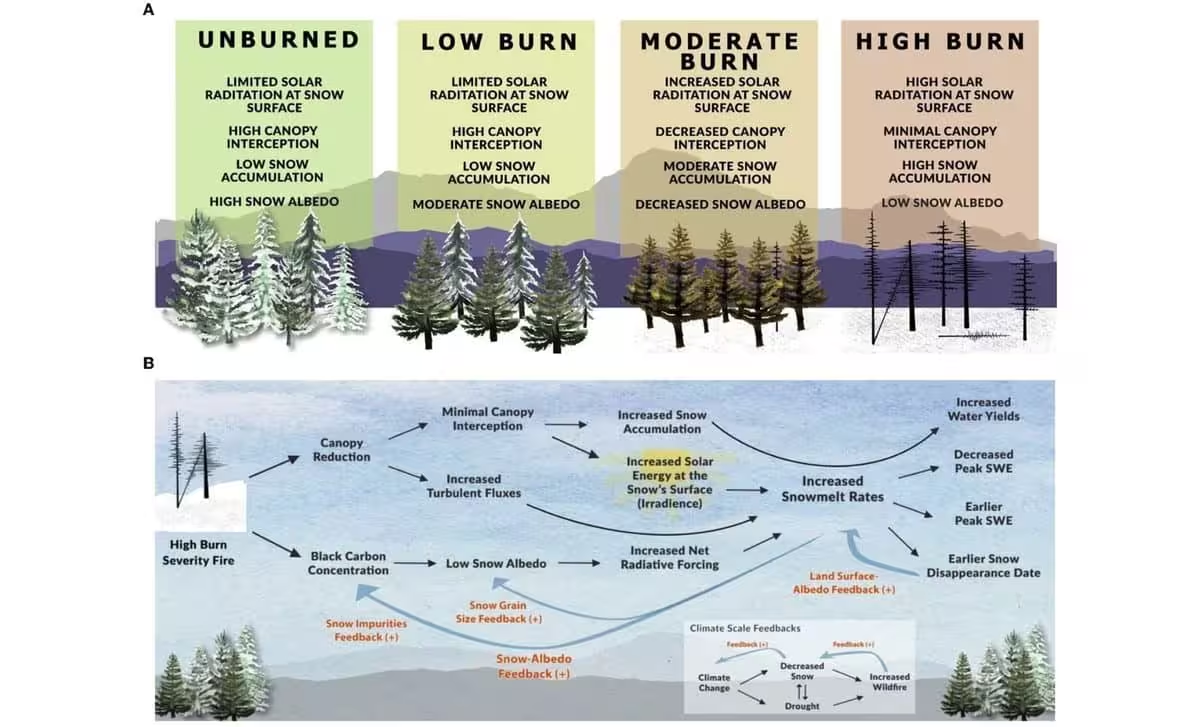
The impact of soot on snow is a matter of basic physics. When black carbon lands on pristine snow and ice, it drastically lowers the surface’s albedo, or its ability to reflect sunlight. Instead of reflecting solar radiation back into the atmosphere, the darkened, soot-covered ice absorbs heat, triggering faster melting.
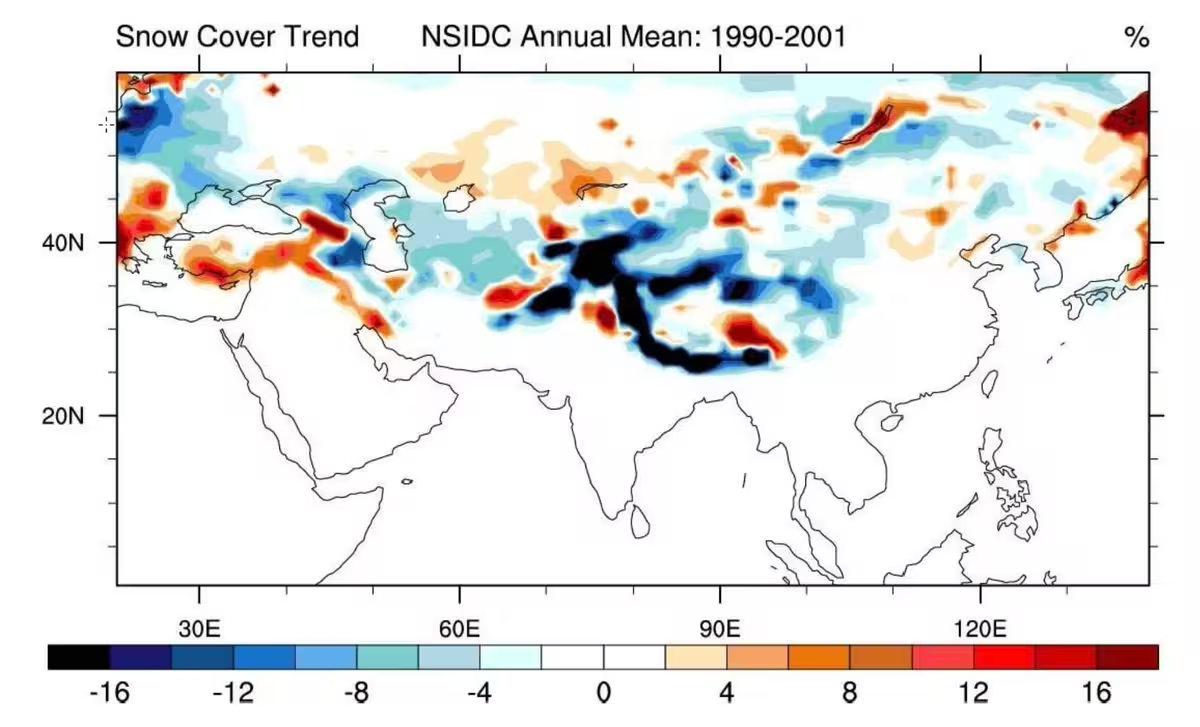
This process is not unique to the Himalayas. Research from Lawrence Berkeley National Laboratory and studies on wildfire-affected regions in the western United States have documented how soot can reduce snowpack albedo by up to 40 percent. In the Himalayan context, this phenomenon acts in tandem with rising ambient air temperatures to accelerate ice retreat by 65 percent over the last decade.
Rising Hazards in a Geologically Fragile Zone
The Himalayan range is a result of the ongoing, violent collision between the Indian and Eurasian tectonic plates, making the area naturally prone to seismic events and steep-slope instability. As climate change thaws permafrost and removes the ice that effectively “glues” mountain slopes together, these natural hazards are becoming more frequent and severe.
ICIMOD Director General Pema Gyamtsho has emphasized that the degradation of the cryosphere is creating a dangerous intersection of hazards for downstream communities. The recent tragedy on the Nepal-China border serves as a stark warning, showing that even in remote, high-altitude regions, the combined effects of seismic activity and warming-induced instability can be devastating.
Unlike carbon dioxide, which can persist in the atmosphere for centuries, black carbon is a short-lived climate pollutant. Its atmospheric lifetime is measured only in weeks. This distinction offers a glimmer of hope: targeted regional efforts to clean up industrial processes and modernize brick kilns could lead to relatively rapid improvements in atmospheric concentration. While India has already observed a downward trend in black carbon emissions, experts emphasize that aggressive, continued action is essential to slow the melting of the “Third Pole.”
This article has been fact checked for accuracy, with information verified against reputable sources. Learn more about us and our editorial process.
Last reviewed on .
Article history
- Latest version
Reference(s)
- juliechao, “Black Carbon a Significant Factor in Melting of Himalayan Glaciers.”, February 3, 2010 Lawrence Berkeley National Laboratory <https://newscenter.lbl.gov/2010/02/03/black-carbon-himalayan-glaciers/>.
- Manoj, M. R.., et al. “Decreasing Trend in Black Carbon Aerosols Over the Indian Region.” Geophysical Research Letters, vol. 46, no. 5, March 9, 2019, pp. 2903-2910. American Geophysical Union (AGU), doi: 10.1029/2018GL081666. <https://agupubs.onlinelibrary.wiley.com/doi/full/10.1029/2018GL081666>.
Cite this page:
- Posted by Vikram Desai