Scientists Finally Trace Mysterious Solar Magnetic Twists Back To Their Source
A spacecraft discovery deep within the solar wind has revealed unexpected data that could reshape our understanding of the Sun’s most mysterious phenomena.
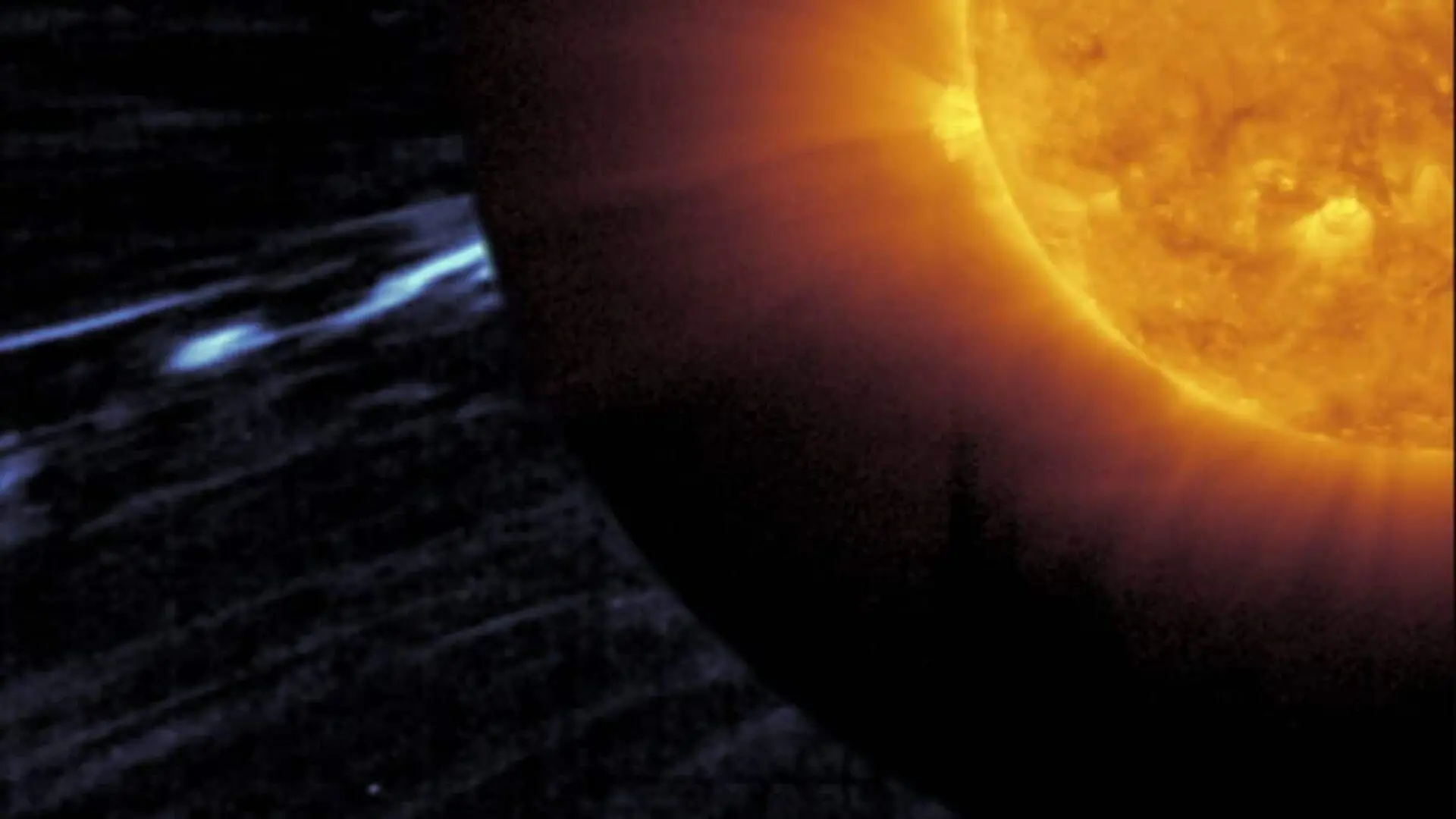
Researchers have successfully traced the origin of enigmatic magnetic disturbances in the solar wind back to their source on the sun’s surface. By utilizing data from the Solar Orbiter spacecraft, a team of scientists has clarified how these distinct S-shaped structures, known as magnetic switchbacks, are born and how they evolve as they propagate through the heliosphere.
The sun’s atmosphere is a turbulent environment where magnetic field lines are constantly reconfigured, driving the solar wind—a stream of charged particles—outward into the solar system. Occasionally, these field lines twist and fold back on themselves, creating the switchbacks that have long been a subject of intense scientific study. While researchers have observed these phenomena frequently in the inner solar system, their specific formation mechanism has remained elusive.
Tracing Magnetic Twists to Their Solar Source
A breakthrough occurred in 2022 when the Solar Orbiter observed a magnetic switchback with a clear S-shape, confirming theoretical models regarding their geometry. The mission’s proximity to the sun allowed the team to fly directly through one of these large structures, providing a rare opportunity to sample the plasma within.
Led by Jesse Coburn of the French National Centre for Scientific Research (CNRS), the team utilized the Solar Wind Analyser to perform a detailed chemical analysis. While positioned roughly halfway between the sun and Earth, the craft detected a precise, signature cocktail of carbon and oxygen particles. According to a report from the European Space Agency, this chemical fingerprint serves as a diagnostic tool, indicating that the plasma originated within hot, closed-loop magnetic regions on the sun’s surface.
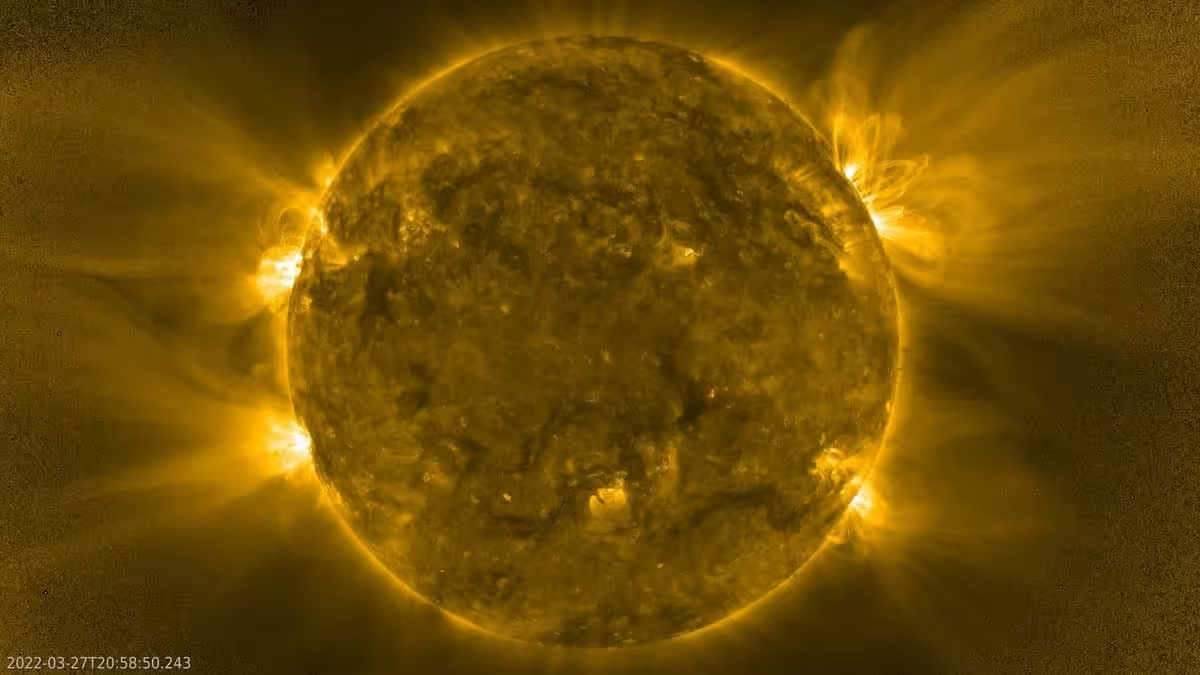
Coburn noted that the ability to sample these particles with such specific isotopic signatures allowed the researchers to effectively map the structure back to its birthplace. These findings, now published in Nature Astronomy, reconcile long-standing debates about how these switchbacks arise.
Resolving a Long-Standing Solar Mystery
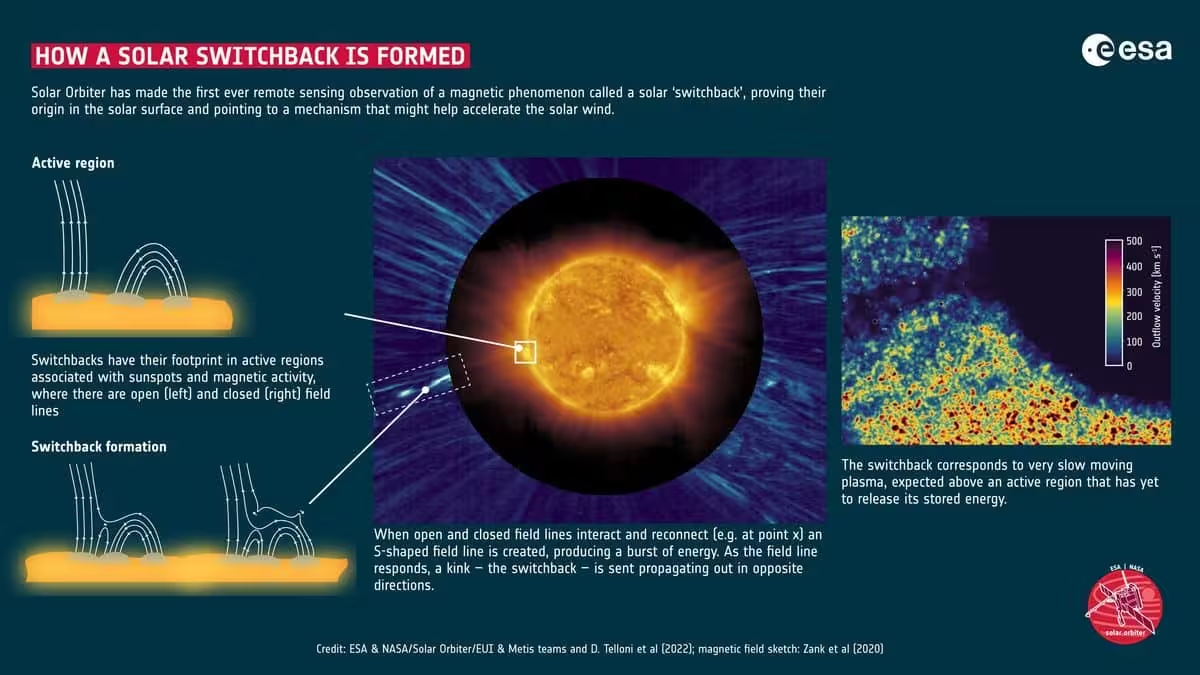
For years, the scientific community was split between two primary hypotheses: one involving interchange reconnection—where open and closed magnetic field lines break and swap—and another attributing the bends to turbulence and wave propagation in the solar wind. The new evidence suggests that neither theory is wrong; rather, they describe different phases of the same life cycle.
The observation of the unique oxygen and carbon mixture provides the “smoking gun” for the interchange reconnection process at the start of the switchback’s journey. Once the reconnection occurs and the structure is launched, secondary processes take over.
Implications for Space Weather Resilience
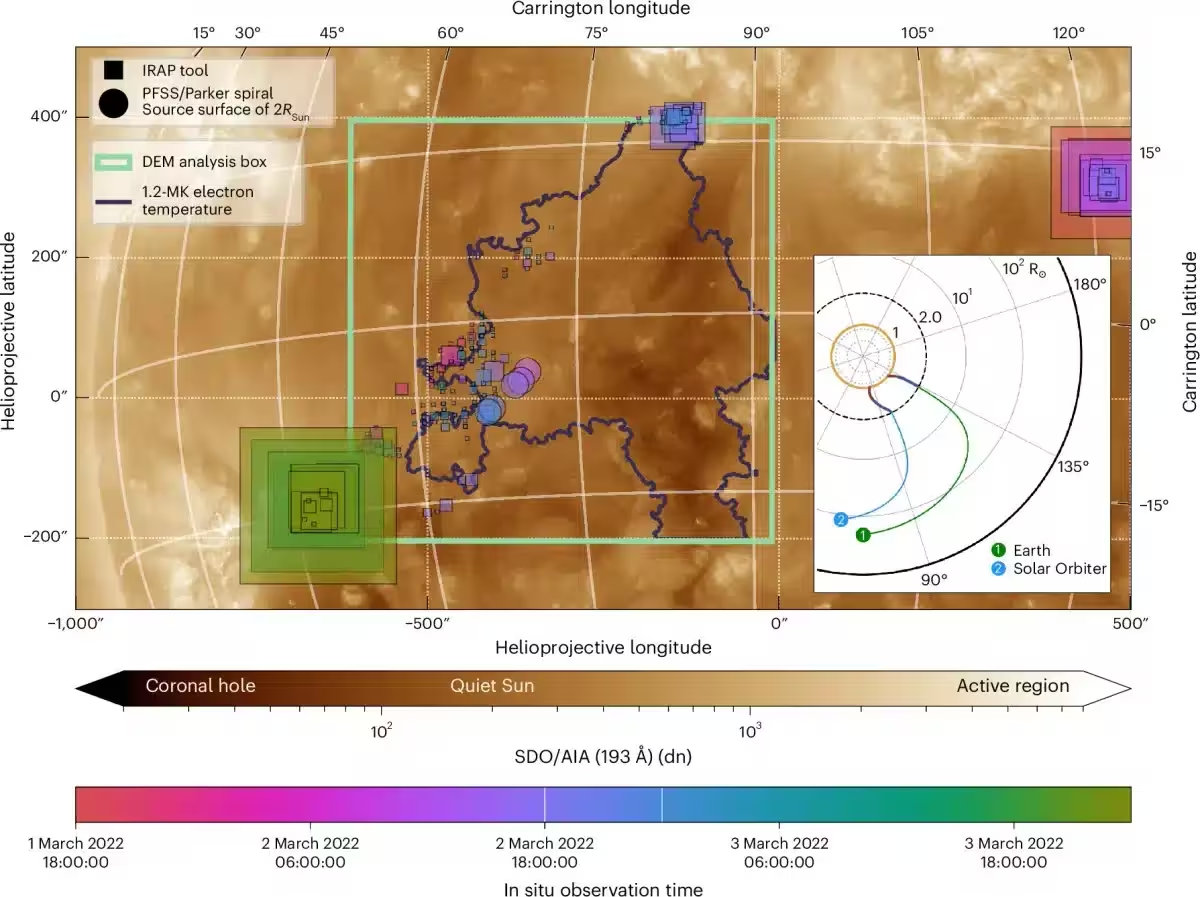
This research required a multi-instrument approach, integrating Solar Orbiter’s in-situ measurements with imaging from NASA’s Solar Dynamics Observatory to build a comprehensive model of the solar magnetic landscape. By confirming that solar particles carry a permanent record of their environment, scientists have gained a powerful new tool for tracking the evolution of solar plasma.
ESA project scientist Daniel Müller highlighted the necessity of the mission in this discovery, noting that Solar Orbiter’s unique combination of proximity and instrument capability provided a vantage point no other craft could match. Understanding these magnetic structures is essential for better predicting solar storms, which can pose significant risks to satellites and critical infrastructure on Earth.
This article has been fact checked for accuracy, with information verified against reputable sources. Learn more about us and our editorial process.
Last reviewed on .
Article history
- Latest version
Reference(s)
- <https://www.esa.int/Science_Exploration/Space_Science/Solar_Orbiter>.
- “Jesse Coburn.” <https://scholar.google.com/citations?user=CgSOU7wzkogC&hl=en>.
- <https://www.esa.int/Science_Exploration/Space_Science/Solar_Orbiter/Solar_Orbiter_tracks_origin_of_mysterious_magnetic_switchbacks>.
- Coburn, Jesse. “On the coronal origin of magnetic switchbacks in the solar wind - Nature Astronomy.”, October 8, 2026, pp. 1-13. Nature, doi: 10.1038/s41550-026-02928-0. <https://www.nature.com/articles/s41550-026-02928-0>.
- Cermak, Alicia. “SDO - NASA Science.”, June 16, 2023 NASA <https://www.nasa.gov/mission_pages/sdo/main/index.html>.
- “Daniel Müller - Personal Profiles - Cosmos.” Personal Profiles <https://www.cosmos.esa.int/web/personal-profiles/daniel-mueller>.
Cite this page:
- Posted by Karan Das