The Tragic History and Potential Future of the Billion Trees That Vanished From American Forests
Once a dominant forest giant, the American chestnut was devastated by a fungal blight. Discover the story of its near-extinction and ecological impact.
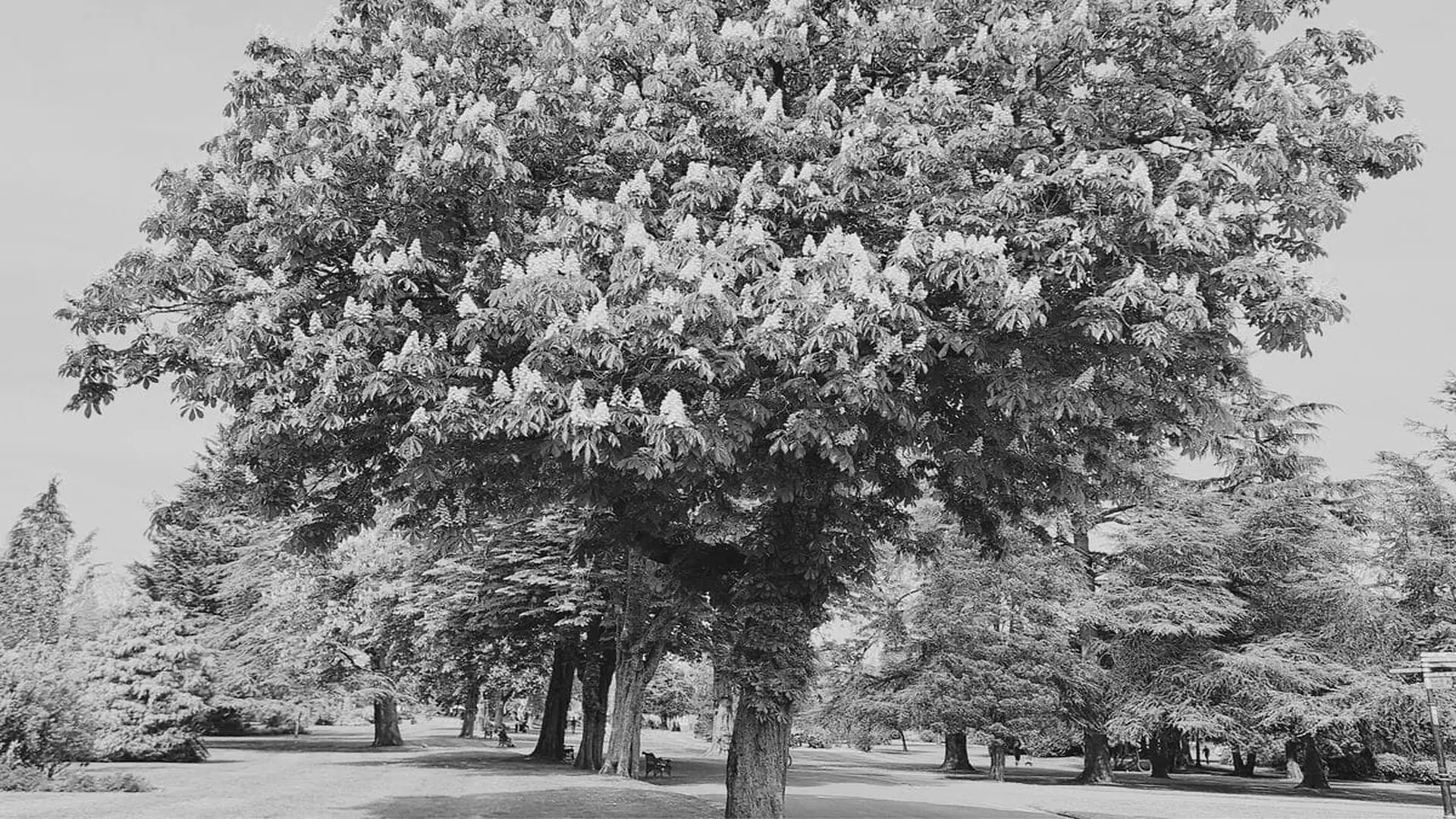
For centuries, the American chestnut (Castanea dentata) served as a foundational pillar of eastern North American forests. Stretching from the coast of Maine to the Florida Panhandle, these trees once comprised nearly one-quarter of the hardwood canopy. Beyond their ecological dominance, they provided essential resources for wildlife and humans alike, offering rot-resistant timber for infrastructure and a reliable food source for local communities, including Indigenous groups who utilized the leaves for medicinal purposes.
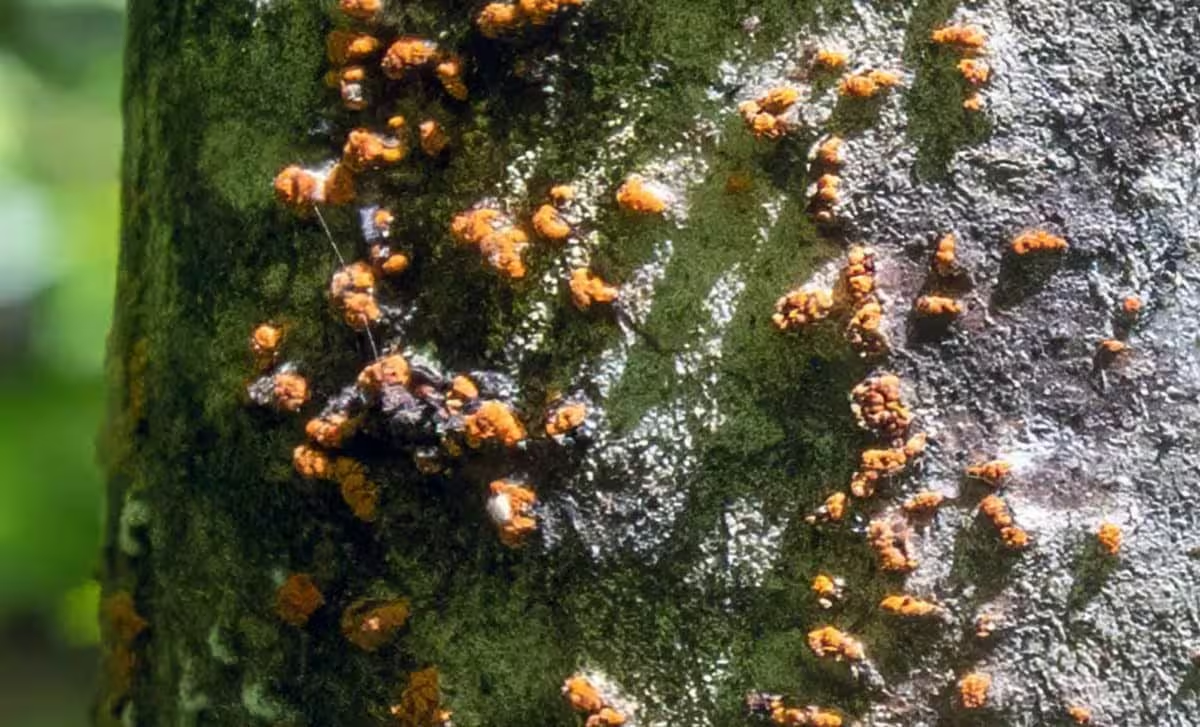
This ecological landscape changed rapidly following the introduction of Cryphonectria parasitica, a fungal pathogen likely brought to the United States via imported Japanese chestnut trees in 1876. First identified at the Bronx Zoo in 1904 by mycologist William A. Murrill, the blight spread with devastating efficiency at an average rate of 50 miles per year. By girdling the trunks and choking the flow of nutrients, the fungus systematically eliminated an estimated four billion trees, fundamentally altering the composition of the Appalachian wilderness and beyond.
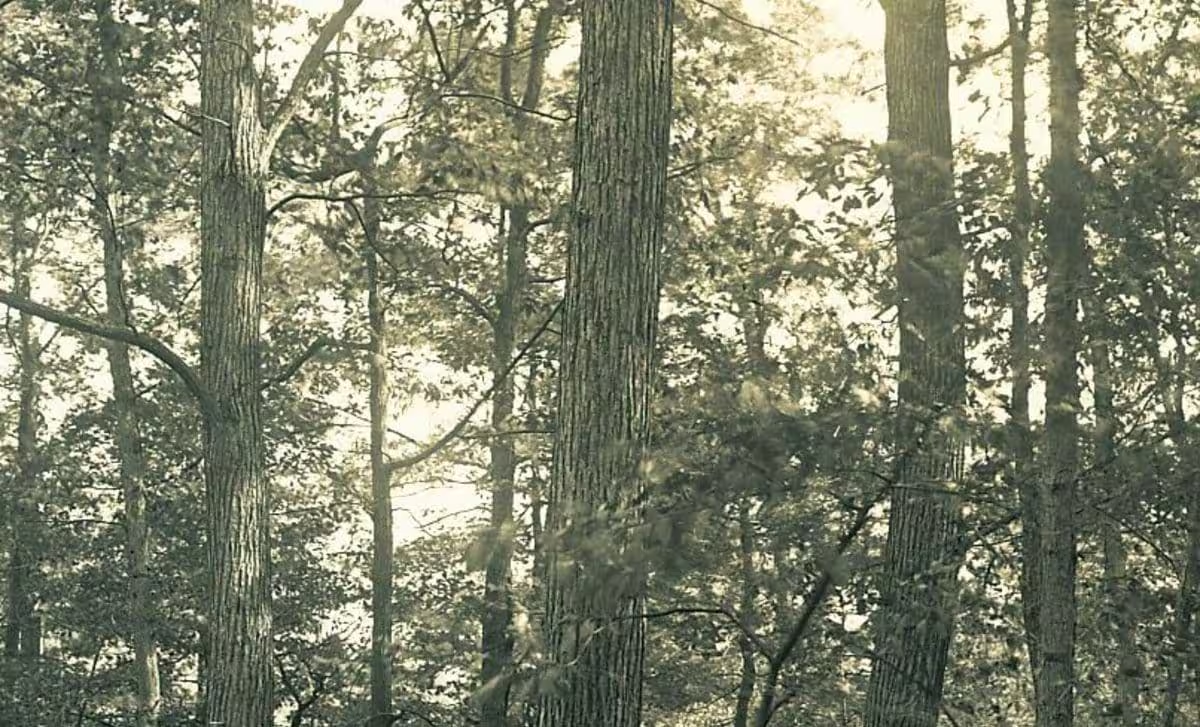
Despite this catastrophic loss, the species has not vanished. While the blight kills mature above-ground growth, it often leaves the deep, expansive root systems intact. These roots continue to produce small shoots, which persist in the forest understory, usually reaching less than an inch in diameter before succumbng to infection. According to reporting by the Sierra Club, approximately 430 million of these wild American chestnuts remain within their historic range, serving as the biological bedrock for modern restoration efforts.
Scientists are currently pursuing two primary pathways to return the American chestnut to its former stature. Since 1989, the American Chestnut Foundation has operated a rigorous breeding program, attempting to introduce blight resistance by hybridizing the American tree with Asian varieties. The process involves multiple generations of back-crossing, though achieving consistent resistance while maintaining the desired American traits has proven difficult, with some experimental lines seeing only a 20 percent survival rate.
Parallel to these efforts, researchers at the State University of New York College of Environmental Science and Forestry have turned to biotechnology. Their creation, dubbed “Darling 58,” is a genetically modified chestnut designed to express an enzyme that neutralizes the oxalic acid used by the fungus to breach the tree’s defenses. Field trials, including those conducted on reclaimed coal-mining lands in Pennsylvania, provide a testing ground for these trees under actual forest conditions.
Experts acknowledge that the road to full recovery is measured in generations rather than years. Even with successful intervention, re-establishing a self-sustaining population that mirrors the ecological density of the past could take centuries. For now, the focus remains on leveraging the lingering survival of wild shoots and the promise of laboratory-grown resistance to ensure the American chestnut eventually finds its place back in the wild.
This article has been fact checked for accuracy, with information verified against reputable sources. Learn more about us and our editorial process.
Last reviewed on .
Article history
- Latest version
Reference(s)
- “Demise And Potential Revival American Chestnut.” <https://www.sierraclub.org/sierra/2021-2-march-april/feature/demise-and-potential-revival-american-chestnut>.
Cite this page:
- Posted by Linda Wilson