The Mystery of the World’s First Computer and the Shipwreck That Hid It for Millennia
For 2,000 years, the bronze gears of an ancient Greek shipwreck device have baffled scientists. Discover the mystery behind this early astronomical computer.
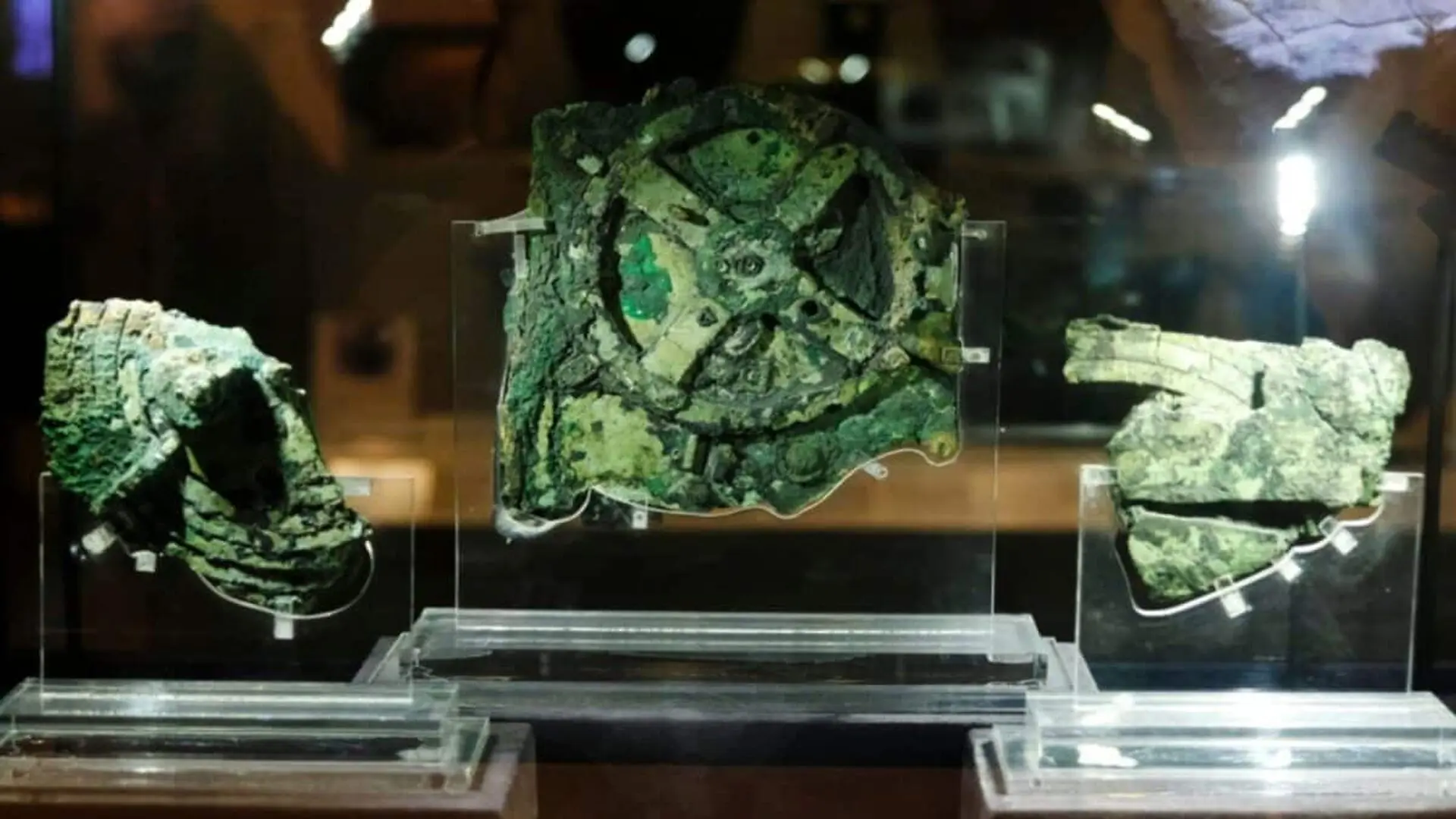
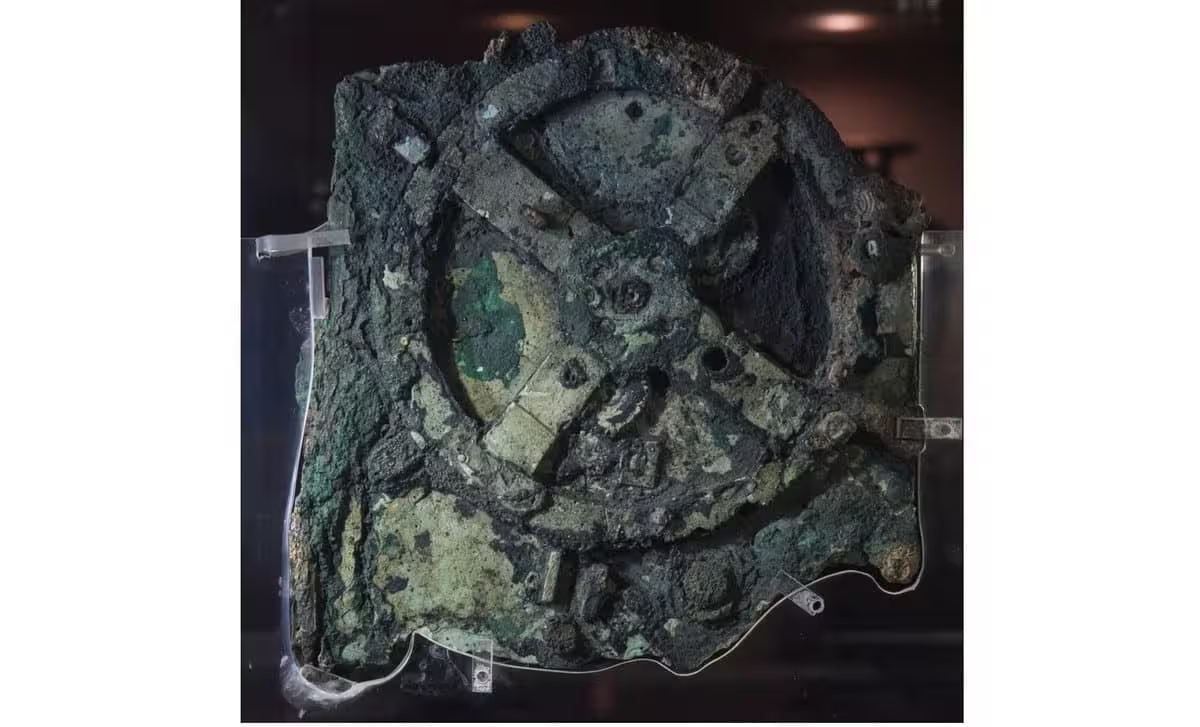
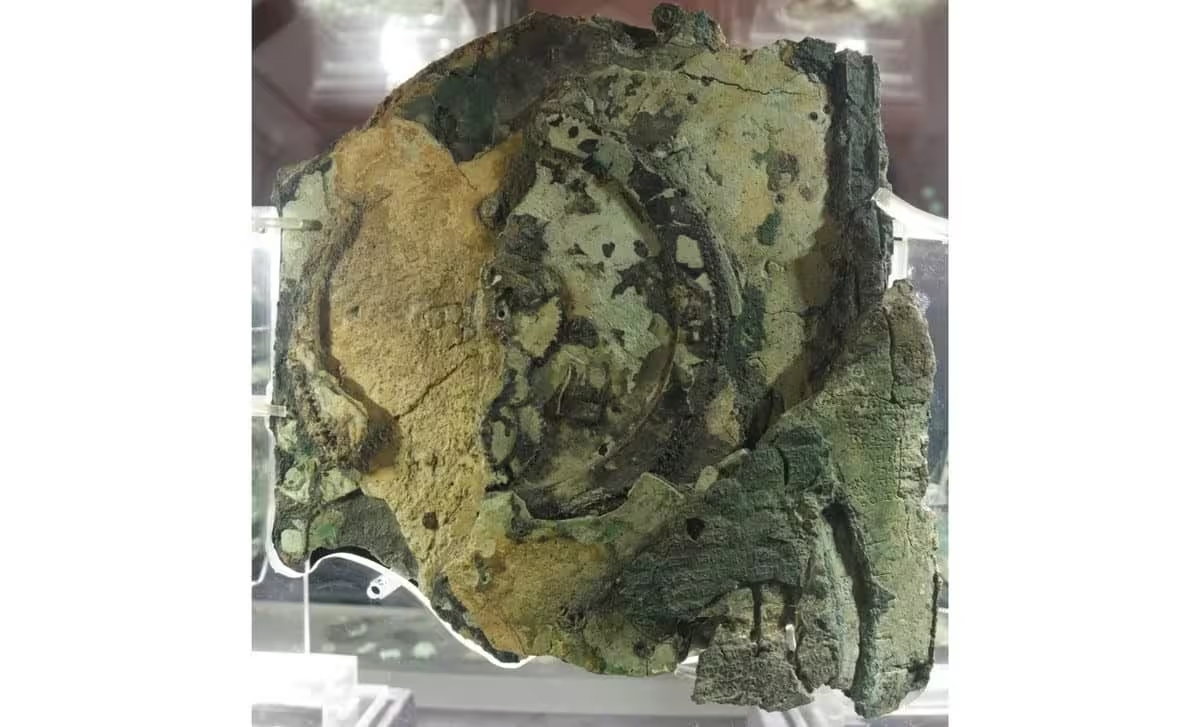
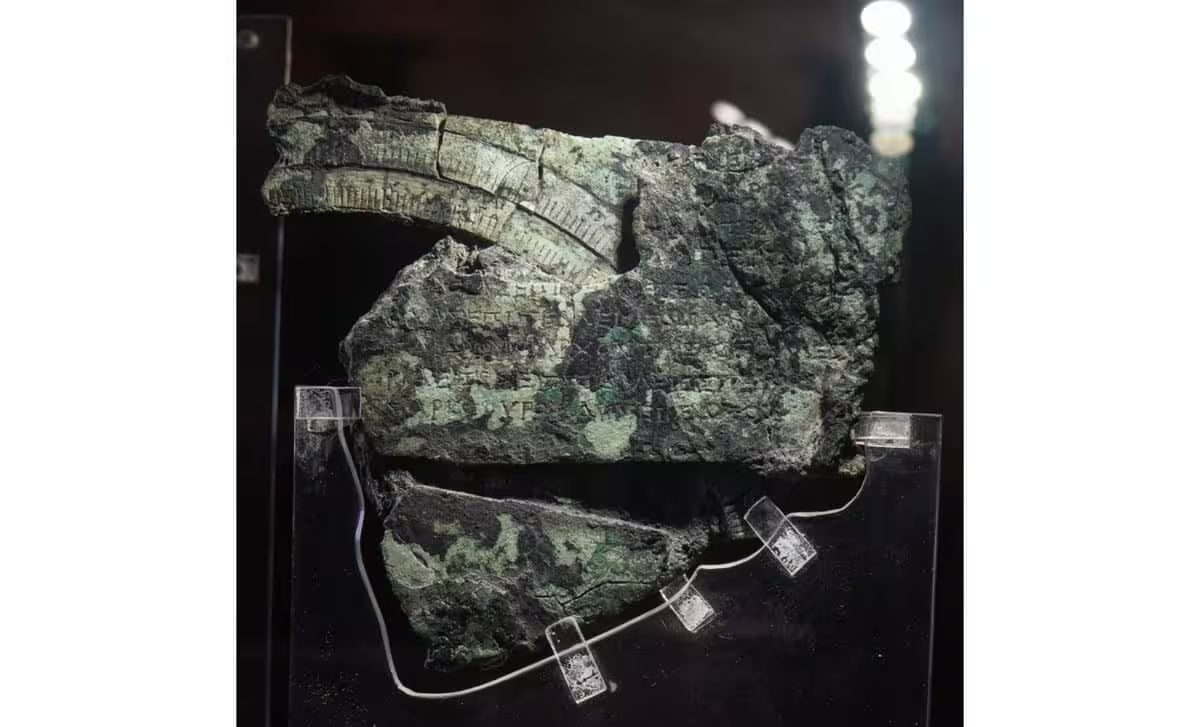
Hidden beneath the Aegean Sea for two millennia, the Antikythera mechanism remains one of archaeology’s most profound puzzles. Often described as the world’s earliest analog computer, this sophisticated device—likely an astronomical calendar—represents a pinnacle of ancient engineering that challenges our understanding of first-century B.C.E. technology. Today, 82 heavily corroded bronze fragments, currently housed at the National Archaeological Museum in Athens, serve as the only physical record of a machine that once tracked the heavens with remarkable precision.
The Accidental Discovery of a Deep-Sea Treasure Trove
The story of the mechanism began in 1900, when a fleet of sponge divers sought refuge from a gale off the coast of Antikythera. While exploring the seabed after the storm, diver Elias Stadiatis was startled by what he believed to be a collection of human and horse remains scattered across the ocean floor. His captain, Dimitrios Kontos, descended to investigate and quickly realized the “bodies” were, in fact, an extraordinary collection of ancient bronze and marble statuary. The site, situated on a precarious 45-degree slope, proved to be one of the most significant archaeological finds in history.
Excavating the wreck was a grueling feat. Divers operating with primitive equipment could only remain submerged for roughly ten minutes at a time, struggling against turbulent currents and depth. Despite these limitations, they managed to retrieve an array of artifacts, including perfume jars, coins, jewelry, and the mysterious mechanical fragments that would eventually captivate the scientific community.
“What they did was almost superhuman,” said underwater archaeologist Brendan Foley, noting the immense difficulty of the early recovery efforts.
Mapping the Depths with Modern Technology
Between 2011 and 2017, intensive expeditions revisited the site to map the wreck with sub-millimeter precision. These missions utilized autonomous underwater vehicles and advanced diving gear, such as the bulky, pressure-resistant “exosuit.” Despite recurring interference from the Aegean’s volatile weather, the team successfully recovered further sculptures, skeletal remains, and a massive 100-kilogram lead object known as “the dolphin,” likely used in ancient maritime combat.
These modern efforts have provided critical context for the shipwreck, confirming the hazardous environmental conditions that likely doomed the vessel centuries ago. By studying the site, researchers have gained a better understanding of the chaotic final moments of a ship that would carry the most sophisticated piece of clockwork technology until the 14th century.
Corrosion and Preservation of a Bronze Masterpiece
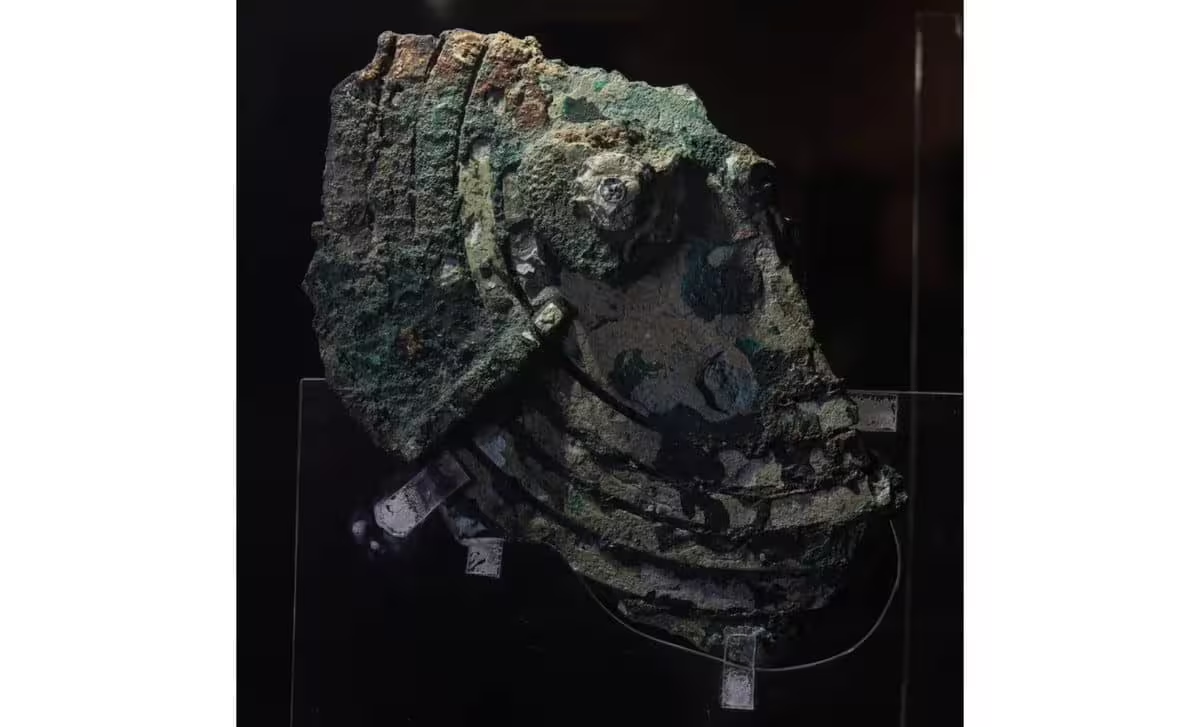
The survival of the Antikythera mechanism is a historical fluke. In antiquity, bronze was a highly recyclable commodity. Foley notes that many statues were lost to time because they were melted down for weapons or church bells as cultural values shifted. The mechanism, by resting under more than 100 feet of seawater, escaped this fate, though the ocean exacted its own toll.
Over two millennia, chemical reactions between salt water and the copper-rich alloy transformed much of the metal into green atacamite. Silt and debris infiltrated the gear train, hardening over the centuries into solid rock-like masses. Today, only about one-third of the original device remains, encased in its fragmented, corroded state. Despite this degradation, the surviving pieces offer an unparalleled look at the advanced mathematical and mechanical aptitude of ancient civilizations, keeping the mystery of the Antikythera mechanism at the forefront of archaeological research.
This article has been fact checked for accuracy, with information verified against reputable sources. Learn more about us and our editorial process.
Last reviewed on .
Article history
- Latest version
Cite this page:
- Posted by Vikram Desai