Major Archaeological Discovery Under Paris May Finally Reveal the Origins of Lutetia
Archaeological discoveries beneath the Hôtel-Dieu, including Gallic ruins and fire traces, are challenging long-held theories about the birthplace of Paris.
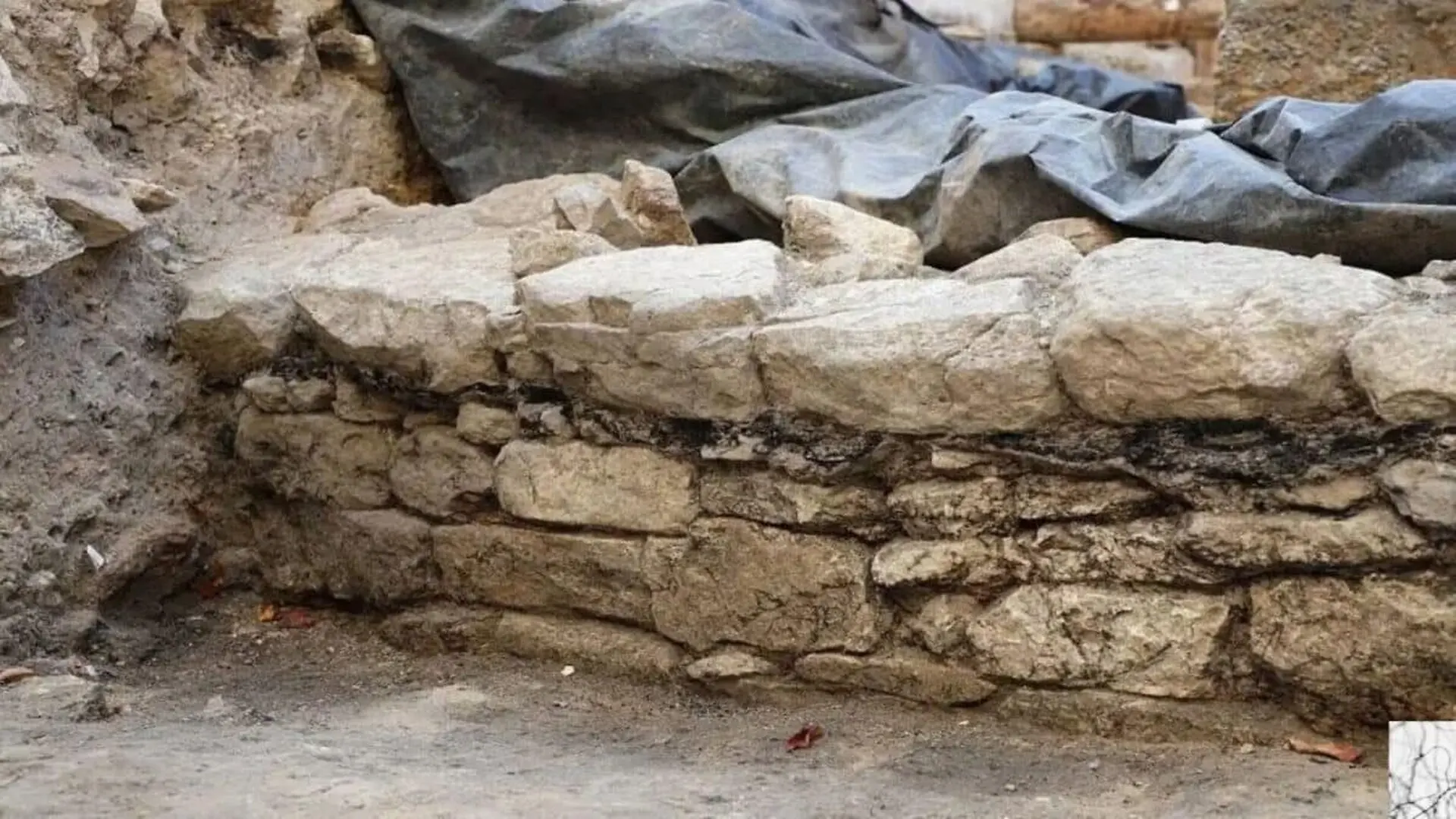
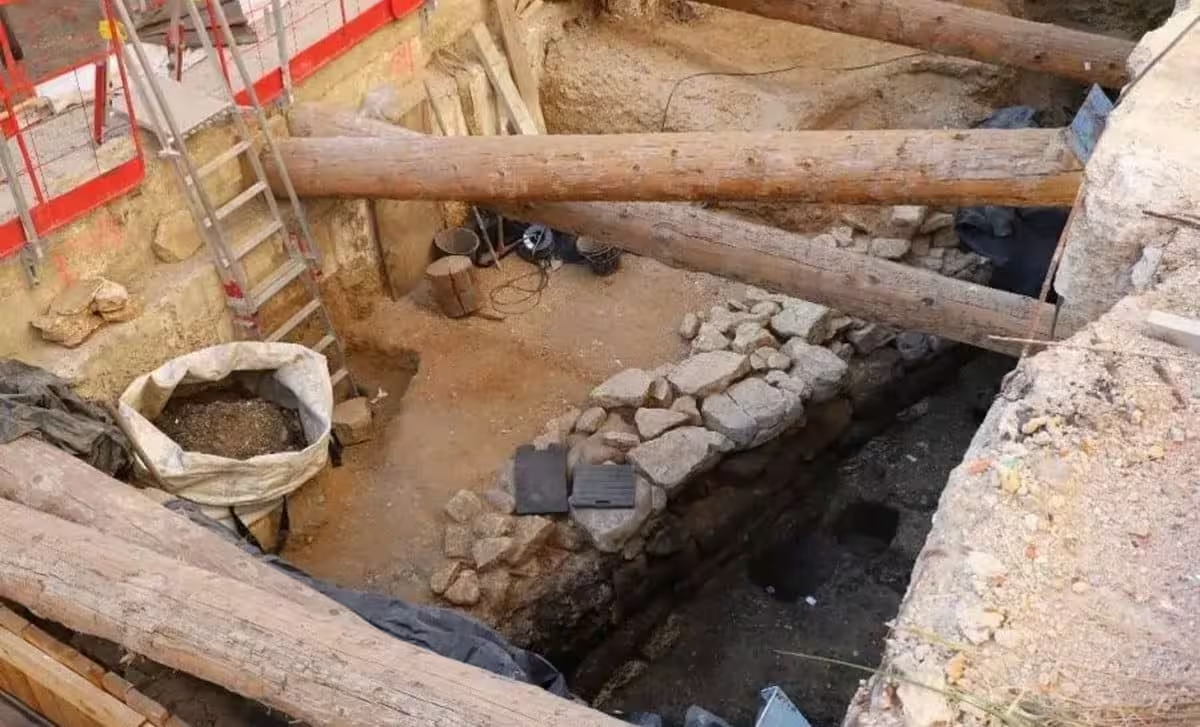
Archaeologists working beneath the courtyard of the Hôtel-Dieu hospital in Paris have unearthed a significant structural remnant that may finally resolve a centuries-old debate regarding the origins of the city. Buried roughly 12 feet below the surface, the 20-meter-long, 6-foot-high wall features large stone blocks integrated with complex wooden beams, a design characteristic of Gallic fortification techniques.
Preliminary carbon-14 dating places the construction of the wall between 200 and 10 B.C.E., a window of time that aligns with the era of Gallic Lutetia. The excavation, led by David Couturier of the city’s Department of the History of Architecture and Archaeology in partnership with the National Institute for Preventive Archaeological Research, has also yielded period-accurate pottery and a Gallic spearhead found at the base of the structure.
Bridging the Gap in Parisian History
The discovery is poised to reshape historical narratives concerning the location of the pre-Roman settlement. While the Île de la Cité has long been assumed to be the site of ancient Lutetia, the lack of definitive archaeological data previously led some scholars to propose the town of Nanterre, located west of Paris, as the more likely candidate. This new find brings the focus firmly back to the central island.
Dorothée Chaoui-Derieux, a heritage curator at the Île-de-France Regional Archaeology Service, noted that the site’s construction style and associated artifacts offer compelling evidence for the island’s ancient importance. “The wall’s architecture, with its large blocks and systems of interlocking beams, very quickly reminded us of a wall built in the Gallic tradition,” she said.
“This discovery fills an archaeological gap,” said Stéphane Deschamps, regional curator of archaeology for DRAC Île-de-France. “The location of Lutetia has been debated for centuries. Due to the lack of tangible evidence on the Île de la Cité, some had even hypothesized that it was located in Nanterre. Today, with this wall and its context, we may well hold the key to the mystery.”
Traces of Conflict in the Archaeological Record
Beyond the wall itself, excavators discovered signs of a significant fire, including charred remnants of nearby wooden structures. This detail resonates with historical accounts provided by Julius Caesar in his Commentaries on the Gallic Wars. Caesar famously documented his campaign in Gaul, specifically describing how the Parisii burned their own settlement to prevent it from falling into Roman hands during the conflict of 52 B.C.E.
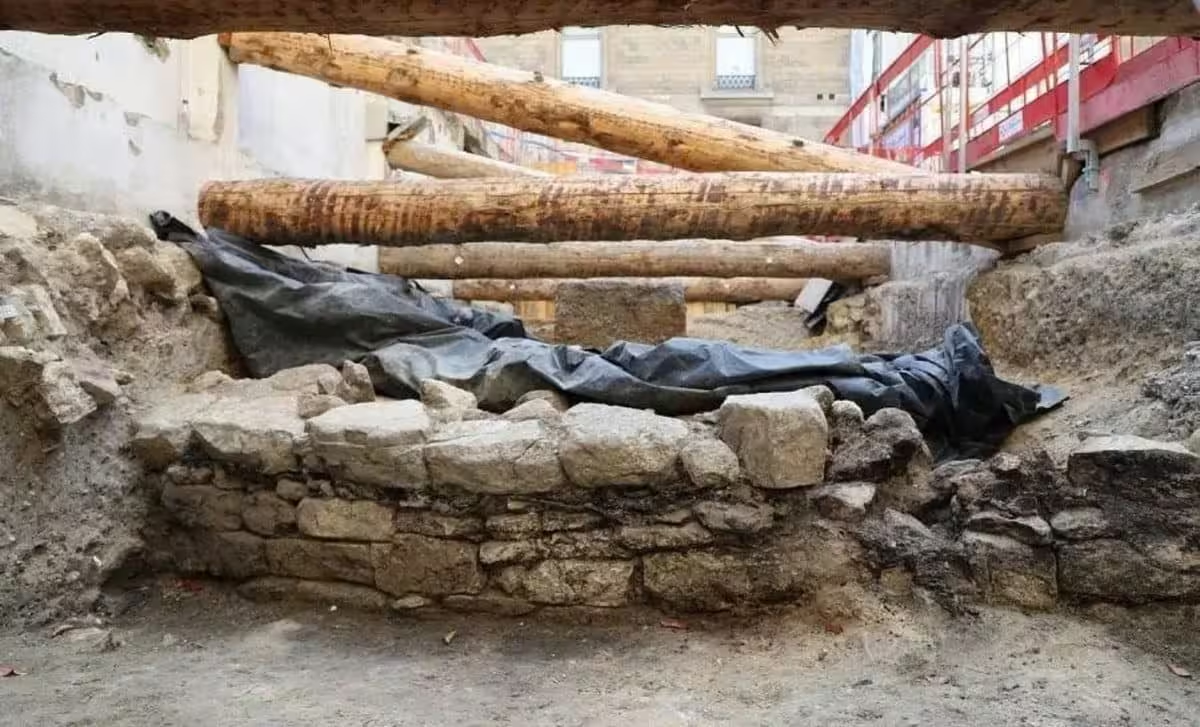
While researchers remain cautious, emphasizing that the exact chronology and function of the wall require further verification, the convergence of fire damage, period-appropriate artifacts, and strategic location provides a tantalizing link to the ancient texts. As Catherine Pégard, France’s Culture Minister, noted, the evidence is remarkable, marking the find as potentially one of the most vital for understanding the formative years of Lutetia.
For city officials, the excavation has provided a rare, tangible connection to the deep past. Paris Deputy Mayor Emmanuel Grégoire remarked on the gravity of the find, describing it as a “dizzying” encounter with the likely origins of the French capital.
This article has been fact checked for accuracy, with information verified against reputable sources. Learn more about us and our editorial process.
Last reviewed on .
Article history
- Latest version
Cite this page:
- Posted by Vikram Desai