Scientists Discover Why Some Ancient Brains Are Preserved After Death
Scientists have discovered why over 4,400 ancient brains survived for millennia: a unique decay process makes specific brain proteins unexpectedly durable.
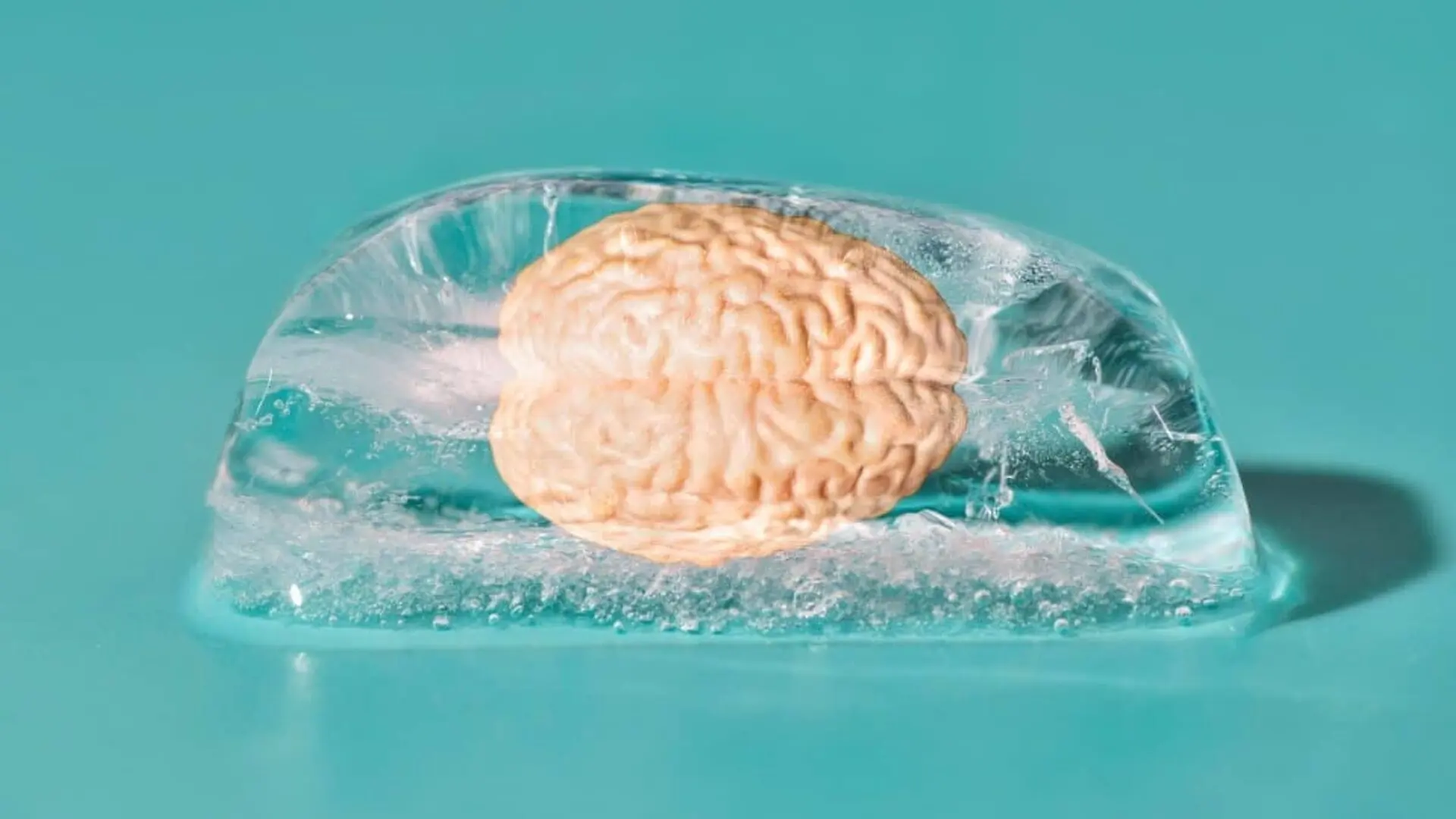
Archaeologists have long been puzzled by the brain preservation paradox, a phenomenon where human brain tissue persists in ancient, skeletonized remains discovered in oxygen-depleted, waterlogged environments. While soft tissues typically vanish rapidly after death, these rare specimens seem to defy the laws of decay. A new study published in the Journal of Proteome Research suggests that this anomaly is not a failure of decomposition, but rather a unique chemical shift that locks the brain’s molecular structure in place.
How Oxygen Depletion Rewrites the Rules of Decay
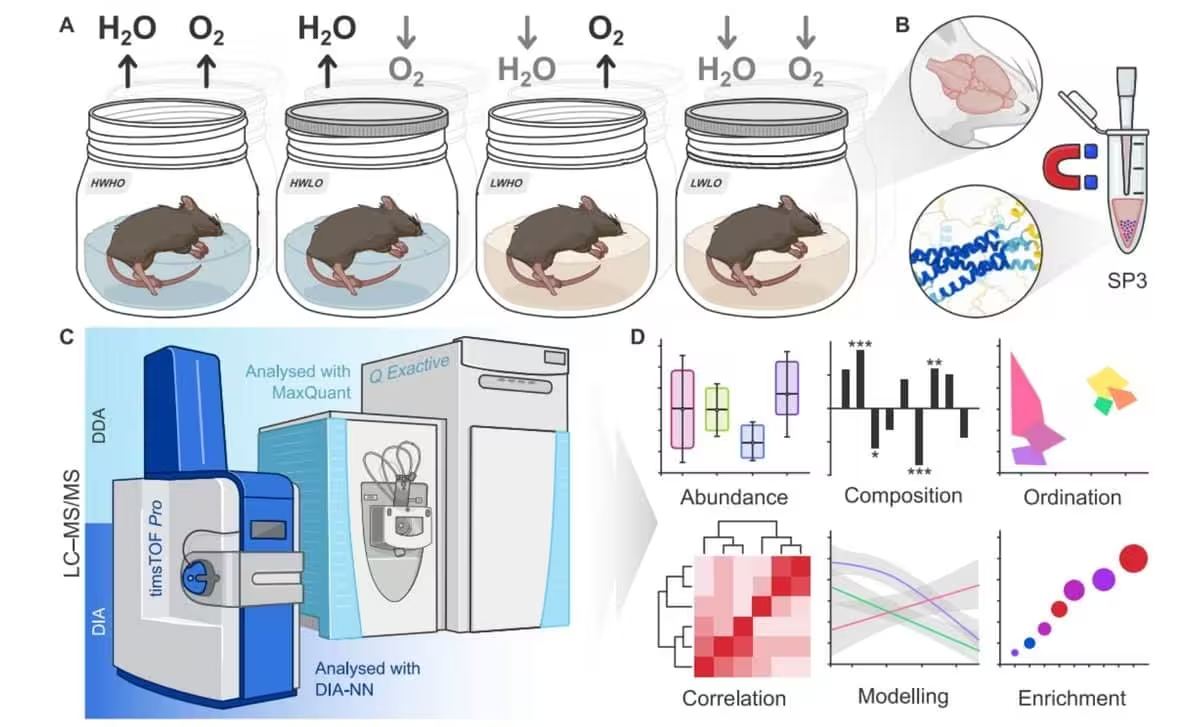
To uncover the mechanism behind this survival, a research team led by Alexandra Morton-Hayward conducted a controlled experiment using 72 mouse carcasses. The specimens were placed in varying environments with different water and oxygen levels, then analyzed at intervals ranging from 24 hours to six months. Using high-resolution mass spectrometry, the researchers mapped over 1.26 million individual protein decay trajectories.
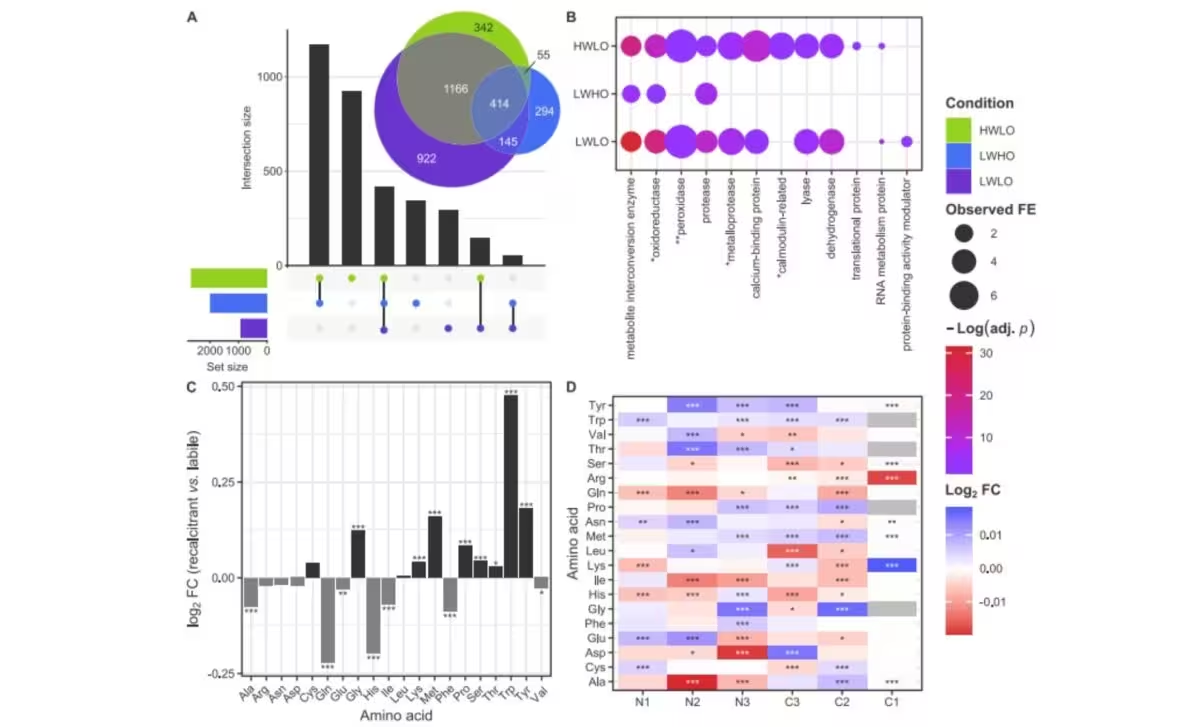
The study revealed that while initial decomposition proceeds uniformly, the pathways diverge sharply based on oxygen availability. In oxygen-rich settings, proteins inevitably break down. However, in wet, hypoxic conditions, the team identified a surge of “recalcitrant” or decay-resistant peptides, which accounted for more than 37 percent of the material detected in those specific environments.
The key appears to be a process known as oxidative cross-linking. When oxygen is scarce, chemical reactions that would normally dismantle proteins instead turn inward, causing molecules to form covalent bonds with their neighbors. This creates a dense, insoluble mesh that resists enzymatic breakdown and environmental degradation, effectively turning the process of decay into a mechanism for stabilization.
A Molecular Fortress Within the Skull
The research indicates that the brain is uniquely equipped for this transformation. Nervous tissue is dense with lipids, membranes, and redox-active metals like iron. Upon death, the collapse of cellular integrity releases these components, facilitating the localized chemical reactions necessary for cross-linking. The skull acts as an additional protective barrier, limiting fluid exchange and maintaining the precise micro-environment required for these structural changes to take hold.
The team noted that the surviving peptides shared specific structural traits, such as an abundance of amino acids like tryptophan, tyrosine, and methionine, alongside a prevalence of organized beta-sheet structures. Interestingly, these characteristics mirror those found in proteins associated with age-related neurodegenerative conditions like Alzheimer’s disease. While the two processes are distinct, the study highlights a shared chemical principle: certain structural configurations can render proteins remarkably resilient against degradation.
Although the experiment acknowledged limitations, such as the initial freezing of the specimens, the findings provide a robust molecular explanation for why ancient brain tissue remains one of archaeology’s most enduring mysteries. Rather than escaping the natural cycle of decomposition, these brains endure because the environmental conditions force that cycle to take a rare, stable, and protective path.
This article has been fact checked for accuracy, with information verified against reputable sources. Learn more about us and our editorial process.
Last reviewed on .
Article history
- Latest version
Reference(s)
- “Alexandra Morton-Hayward.” <https://palaeobiology.web.ox.ac.uk/people/alexandra-morton-hayward>.
- <https://pubmed.ncbi.nlm.nih.gov/42396998/>.
Cite this page:
- Posted by Hassan Raza