Exquisite Fossil Skeleton Reveals Decades of Tooth-Based Evolutionary Assumptions Were Wrong
A tiny fossil unearthed in the Gobi Desert is challenging evolutionary theories and reshaping the known family tree of early mammal groups.
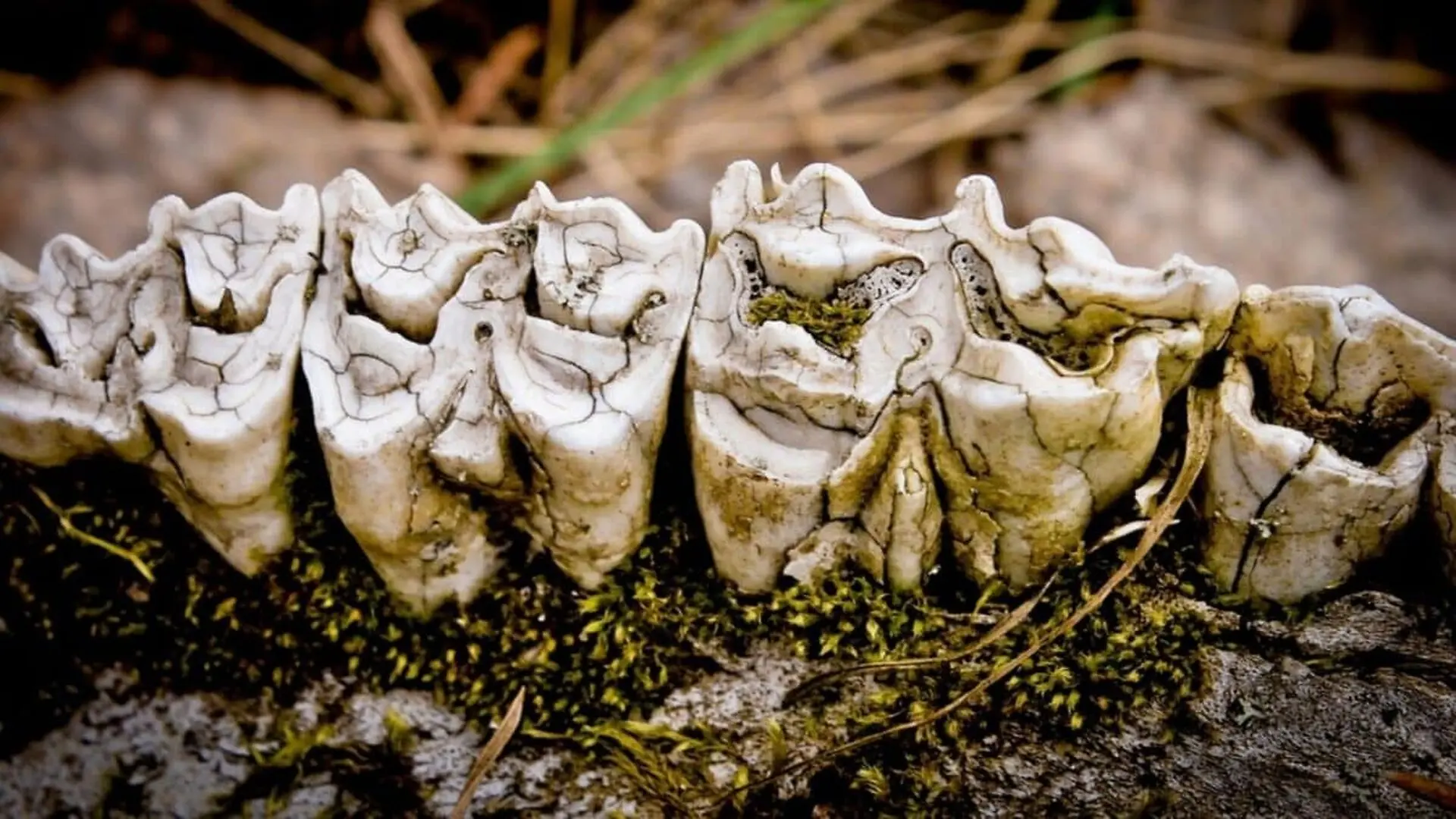
For decades, paleontologists have relied on a handful of rounded teeth to chart the evolutionary history of an entire group of ancient mammals. However, the discovery of a remarkably complete skeleton in Mongolia has upended those long-standing assumptions, proving that dental anatomy can be a deceptive guide to an animal’s true lineage.
The specimen, identified as Tamirkhan balcarceli, is a small creature dating back to the Cretaceous period. Its discovery, detailed in a new study published in Nature, forces a reclassification of zhelestids. Rather than being early ancestors of modern placental mammals—a theory built almost entirely on tooth morphology—these creatures have been reassigned to the Zalambdalestoidea, an extinct lineage of small mammals that thrived during the same era.
Dental Deception in the Fossil Record
The confusion surrounding zhelestids dates back nearly 40 years. Because these animals are frequently found as isolated teeth or fragmented bones, researchers were forced to make broad evolutionary claims based on their bunodont molars. These low, rounded cusps looked strikingly similar to the teeth of later herbivorous ungulates, leading scientists to link them to the placental group that eventually gave rise to today’s bats, primates, and whales.
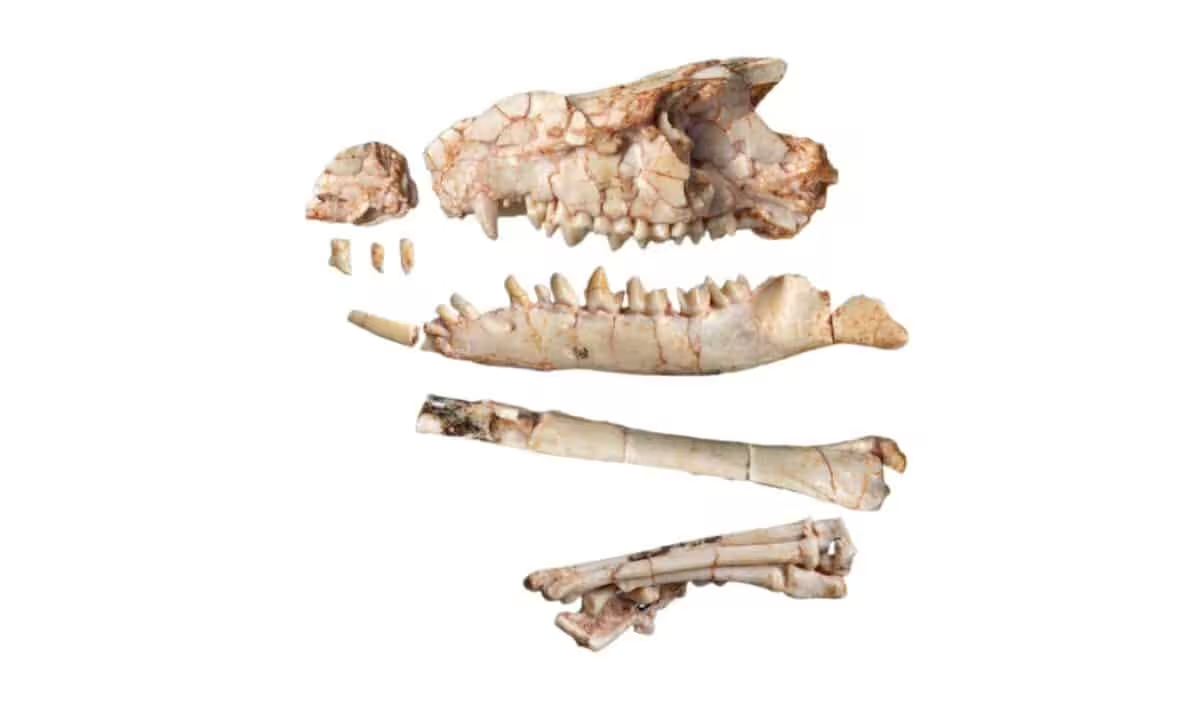
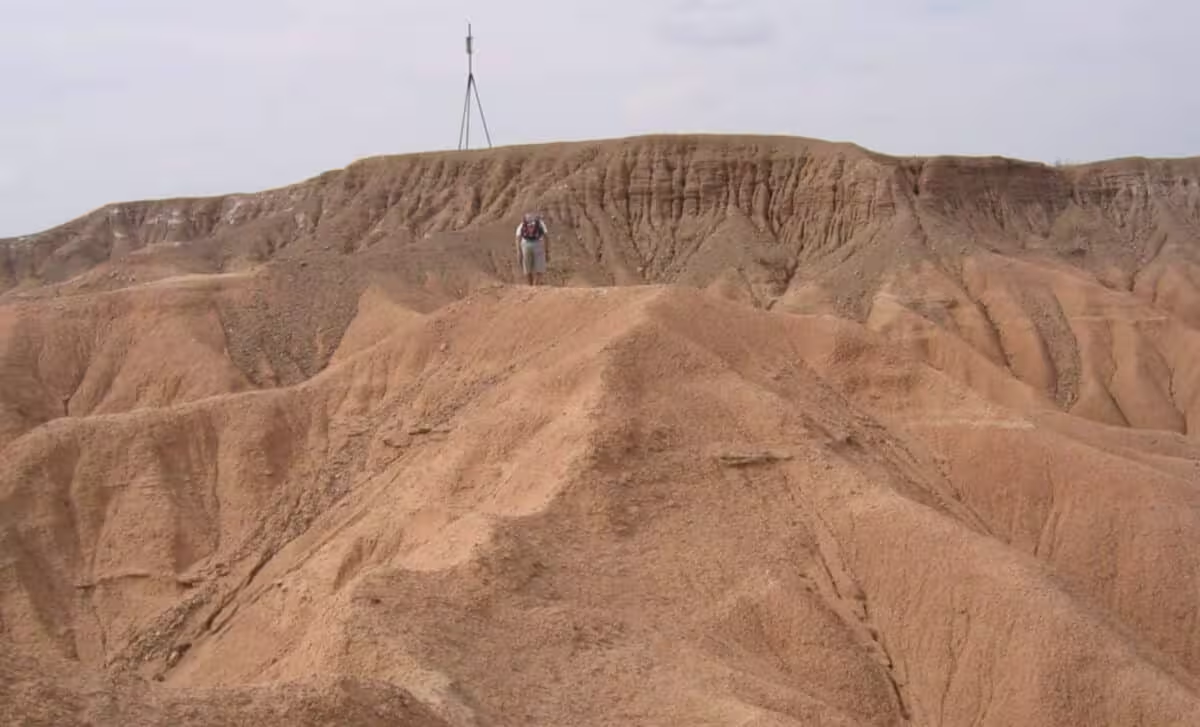
The narrative shifted in 2004 when Andres Giallombardo recovered a nearly intact skeleton from the eastern Gobi Desert. This specimen provided the missing anatomical evidence required to test the existing dental-based theories.
Anatomy Trumps Teeth
When examined alongside the rest of the skeleton, the zhelestid teeth were clearly an evolutionary outlier. Study author Shawn Zack noted that the animal’s limbs and skull were distinctly zalambdalestoid. The creature possessed long, slender legs with fused lower-leg bones, elongated metatarsals, and specific skull structures like translacrimal canals—all of which contradicted the placental link suggested by the molars.
This discovery serves as a cautionary tale regarding convergent evolution. It appears that zhelestids developed feeding adaptations that mimicked those of later placental herbivores, even though the two groups were not closely related. The similarity was a functional response to environmental pressures rather than a sign of shared ancestry.
Rethinking Mammal Paleontology
The reliance on teeth in fossil studies is a pragmatic necessity, as enamel is often the only part of a mammal that survives the fossilization process. Maureen O’Leary of Stony Brook University highlights that Tamirkhan serves as a stark reminder of the limitations inherent in these fragmentary remains.
By utilizing the MorphoBank platform, the research team was able to synthesize a broader range of skeletal data to correct the record. The reconstructed Tamirkhan, which stood about 6 to 7 inches long with rabbit-like hind limbs, now provides a robust reference point for future studies. The team’s work effectively closes the chapter on the “placental” theory of zhelestids, replacing a fragmented, tooth-centric view with a more complete, evidence-based picture of Cretaceous life.
This article has been fact checked for accuracy, with information verified against reputable sources. Learn more about us and our editorial process.
Last reviewed on .
Article history
- Latest version
Reference(s)
- Giallombardo, Andres. “Cretaceous zhelestid mammals are zalambdalestoids - Nature.”, July 29, 2026, pp. 1-8. Nature, doi: 10.1038/s41586-026-10861-5. <https://www.nature.com/articles/s41586-026-10861-5>.
- “Giallombardo A - Search Results - PubMed.” PubMed <https://pubmed.ncbi.nlm.nih.gov/?term=Giallombardo+A&cauthor_id=42527610>.
- “Zack SP - Search Results - PubMed.” PubMed <https://pubmed.ncbi.nlm.nih.gov/?term=Zack+SP&cauthor_id=42527610>.
- “Maureen A. O'Leary | Renaissance School of Medicine at Stony Brook University.” <https://renaissance.stonybrookmedicine.edu/anatomy/people/facultypage/oleary>.
Cite this page:
- Posted by Hassan Raza