Forgotten Fossil Sitting In A Museum For 150 Years Reveals A Massive New Ice Age Species
A forgotten museum skull has revealed a surprising secret about one of South America’s lost prehistoric giants, rewriting its evolutionary history.
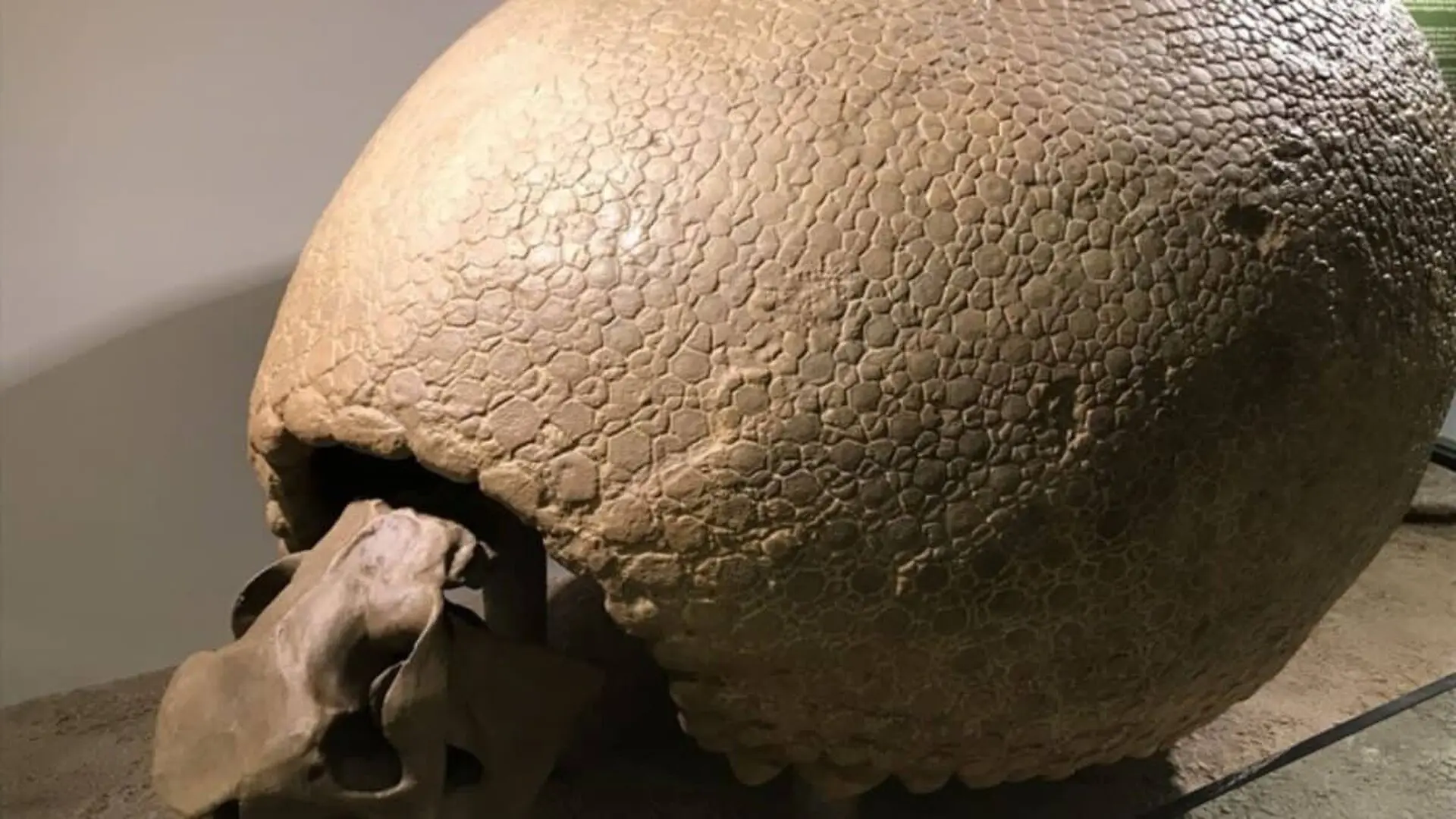
A fossil skull, left largely unnoticed within a Danish museum collection for over a century, has been identified as a previously unknown species of giant armored mammal. The specimen, originally unearthed in Brazil during the 19th century, was misidentified for generations before a modern reassessment uncovered its true nature. The findings, published in the Journal of Mammalian Evolution, clarify the history of the glyptodonts, the heavily shielded, extinct cousins of the modern armadillo.
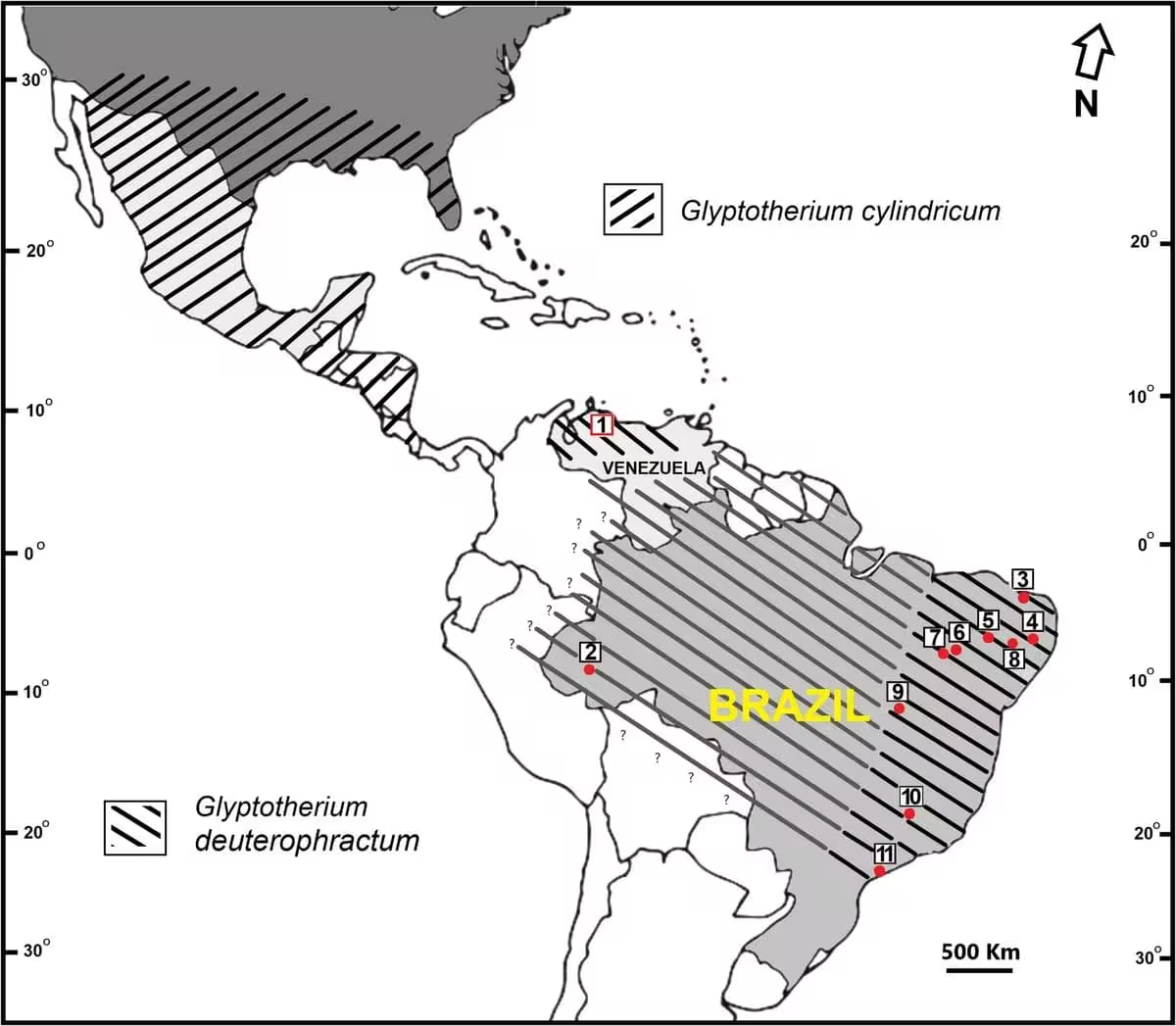
The newly classified Glyptotherium deuterophractum roamed a vast range extending from Brazil to Venezuela. The discovery underscores how museum archives continue to serve as vital, untapped reservoirs for paleontological research, allowing scientists to identify long-lost species through the application of contemporary analytical techniques.
A Forgotten Specimen Reclaimed by Modern Science
The skull was originally collected by Danish naturalist Peter Wilhelm Lund during his expeditions to the Lagoa Santa caves in Brazil. For decades, it remained mislabeled in the scientific record; in 1875, researcher Johannes Reinhardt categorized the remains as Schistopleurum euphractum. A thorough re-examination, however, revealed that the specimen did not belong to any previously cataloged animal.
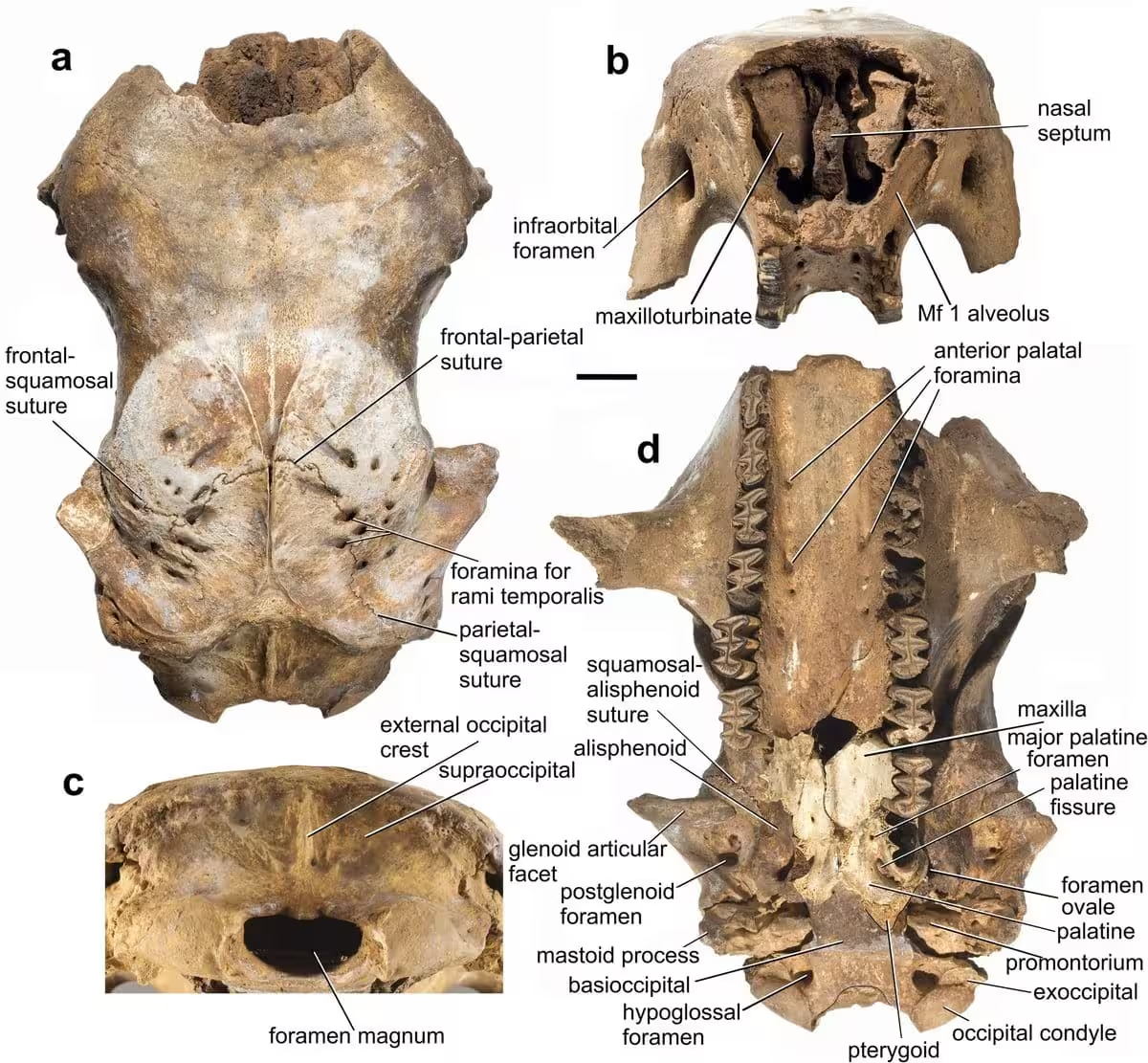
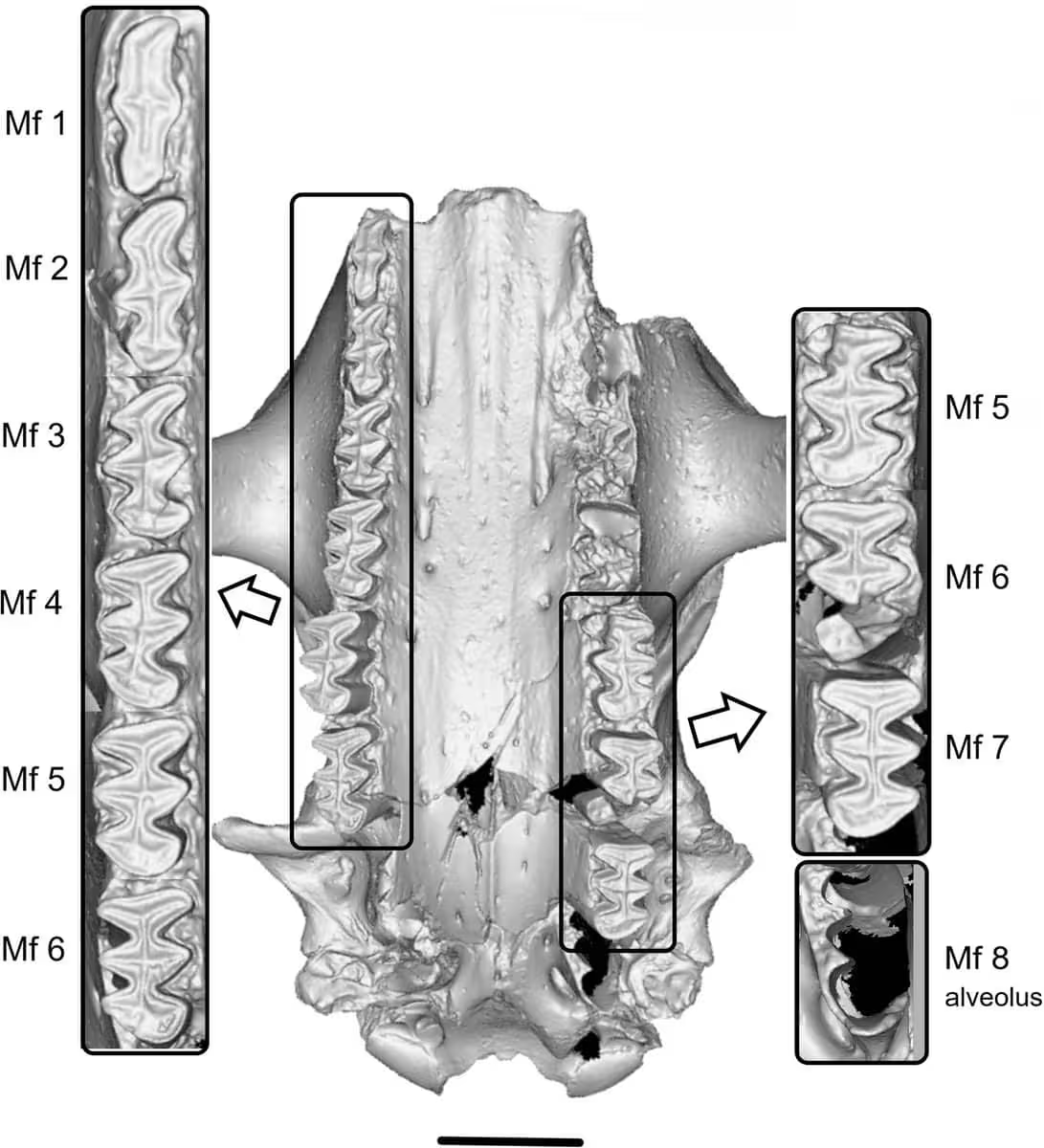
By comparing the fossil’s morphology—including its distinct skull structure, dental arrangement, ankle bones, and characteristic osteoderms (armor plates)—against other glyptodont specimens, the research team identified a unique combination of traits. These defining characteristics warranted the designation of a new species: Glyptotherium deuterophractum. This megafauna thrived during the late Pleistocene, roughly 60,000 to 17,000 years ago.
The Ecological Impact of Armored Megafauna
Glyptodonts represent some of the most striking creatures of the Ice Age. These plant-eating giants, which could reach the size of small vehicles, were protected by thick, fused bony plates. As members of the Xenarthra superorder, they share an evolutionary lineage with modern armadillos and sloths.
“Among the mammals of the Xenarthra clade known from the Brazilian Pleistocene, giant sloths and glyptodonts stand out in the fossil record,” noted Édison Vicente Oliveira of the Universidade Federal de Pernambuco, who led the study. Their reliance on heavy shells for defense rather than active predation highlights the unique environmental pressures these animals faced in prehistoric South America.
Unfolding the Evolutionary Record
The wide geographic footprint of Glyptotherium deuterophractum, evidenced by fossils across multiple Brazilian states and in Falcón, Venezuela, suggests a highly adaptable animal. However, scientists emphasize that this is only the beginning of their investigation into the lineage.
Moving forward, the team advocates for a comparative analysis between this new species and the existing Glyptotherium cylindricum hypodigm. “The description of this new Brazilian glyptodontine species highlights the need for a more detailed comparison of the Venezuelan and Brazilian materials,” the authors concluded, emphasizing the necessity of re-evaluating legacy collections to piece together the broader evolutionary puzzle.
This article has been fact checked for accuracy, with information verified against reputable sources. Learn more about us and our editorial process.
Last reviewed on .
Article history
- Latest version
Reference(s)
- Oliveira, Édison Vicente., et al. “The neglected Reinhardt’s glyptodontine from Lagoa Santa, Brazil: a reassessment of taxonomic status and description of a new species of Glyptotherium.” Journal of Mammalian Evolution, vol. 33, no. 3, August 15, 2026 Springer Science and Business Media LLC, doi: 10.1007/s10914-026-09836-0. <https://link.springer.com/article/10.1007/s10914-026-09836-0>.
- projects, Contributors. “Danish zoologist (1816-1882).”, August 11, 2006 Wikimedia Foundation, Inc. <https://en.wikipedia.org/wiki/Johannes_Theodor_Reinhardt>.
- <https://ufpe.academia.edu/EdisonVicenteOliveira>.
Cite this page:
- Posted by Hassan Raza