Archaeologists Discover 120 Ancient Inscriptions Revealing a Mysterious Forgotten Goddess
Archaeologists have discovered 120 Latin inscriptions in a Spanish cave, revealing new insights into Roman religious rituals and a previously unknown goddess.
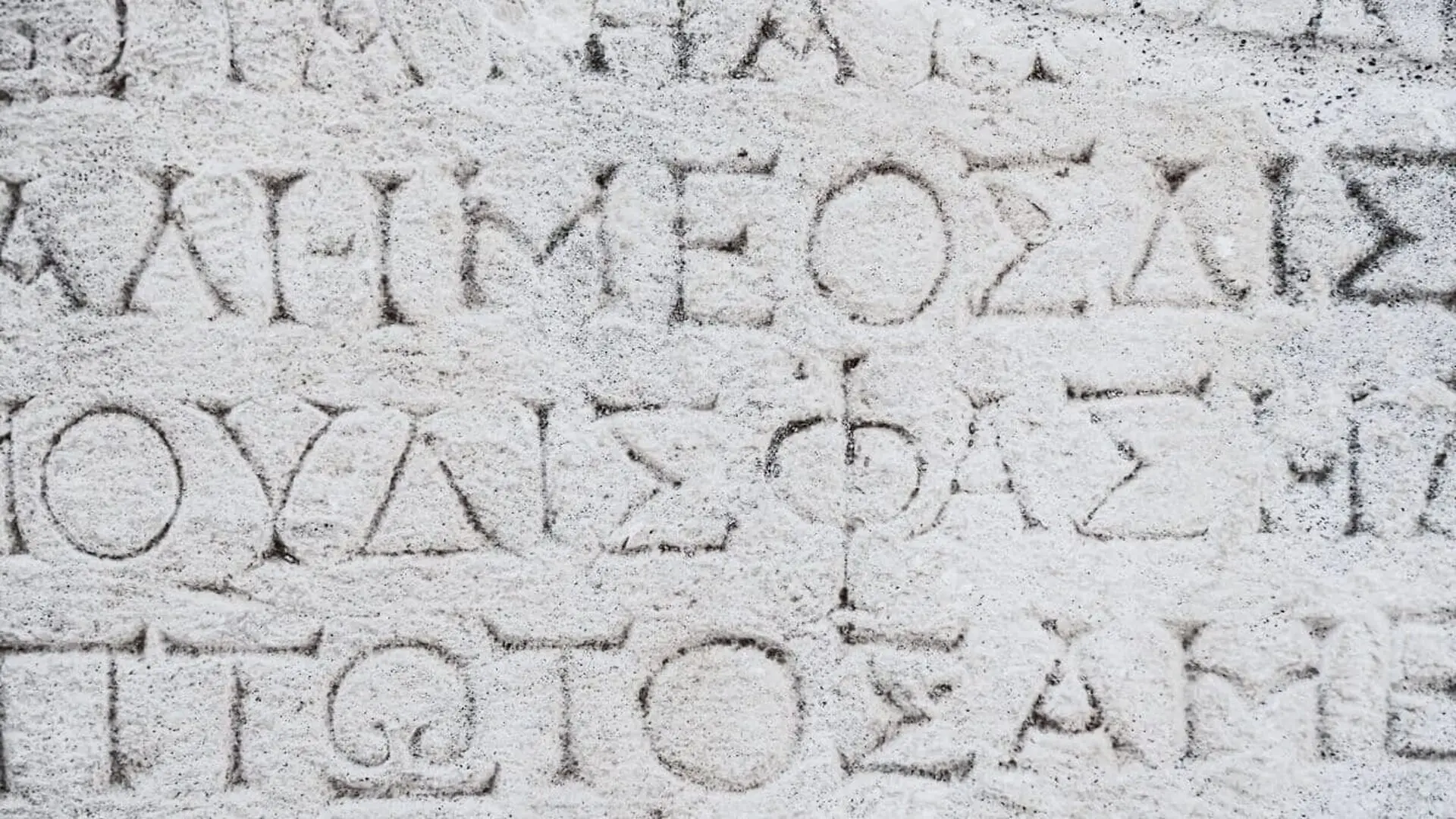
Archaeologists working deep within the Cova Dones cave system in Spain have unearthed a significant cache of Roman-era evidence, revealing a complex underground sanctuary dedicated to a previously unknown deity. During an intensive excavation conducted in May and June 2026, a collaborative team from the universities of Alicante and Zaragoza documented more than 120 Latin inscriptions carved into the cavern walls, vastly expanding the known archaeological footprint of the site.
Evidence of an Organized Cult
The inscriptions were discovered in a remote chamber located more than 200 meters beneath the surface. According to Sergio García-Dils, director of the Spanish School of Speleology, the high density of carvings in this specific area suggests the cave served as a structured, formal sanctuary rather than a location for sporadic religious observance. The texts focus on a goddess referred to as Domina—Latin for “the Lady”—to whom at least five distinct votive messages were dedicated.
Among the findings, Silvia Alfayé, a professor of Ancient History at the University of Zaragoza, highlighted three inscriptions featuring the name Malaci. This mysterious invocation remains under investigation, though researchers suspect it may be tied to the presence of water within the cavern.
Ritual Practices and the Role of Women
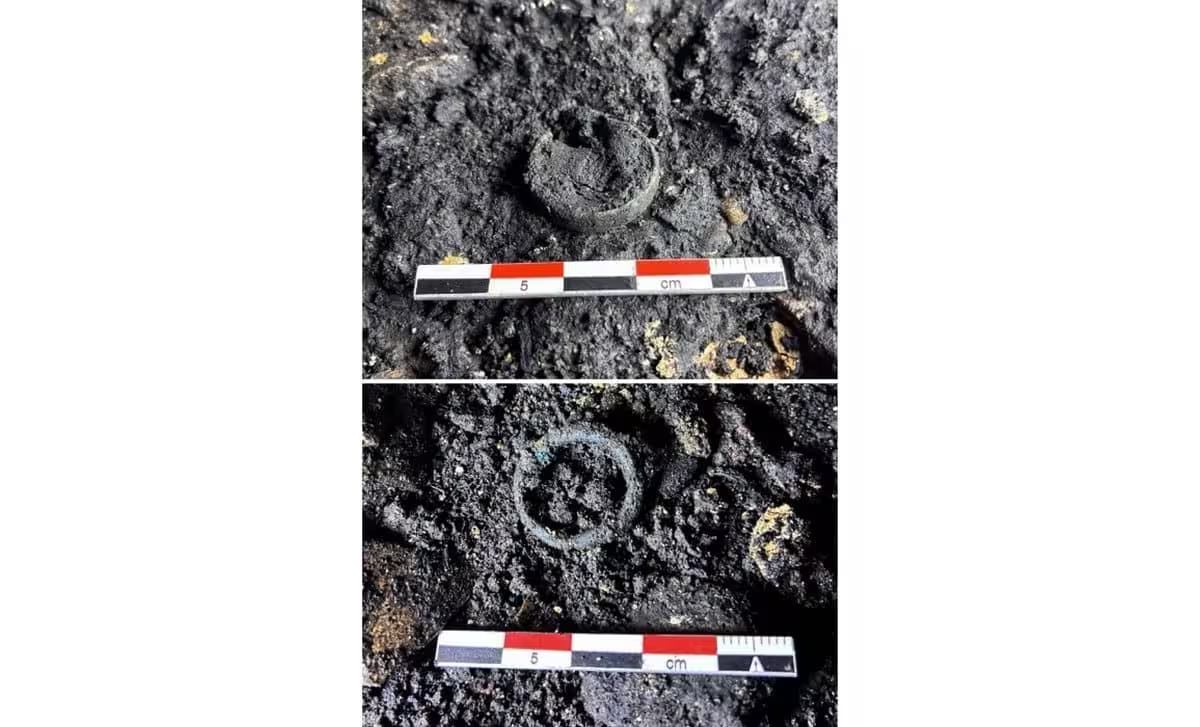
The sanctuary was situated around natural, water-filled basins known as gours. The archaeological team discovered a variety of offerings deposited in and around these pools, including bronze jewelry, ceramic vessels, animal remains, and spindle whorls. The discovery of the latter is particularly telling; as these tools were traditionally linked to textile production and domestic labor performed by women, they suggest that women were primary participants in the religious life of the cave.
Virginia Barciela of the University of Alicante noted that these artifacts provide critical evidence for the active, central role women held in the site’s ritual traditions during the first and second centuries AD.
A Multi-Layered Historical Site
Cova Dones has long been recognized for its archaeological importance, having previously yielded one of the most significant collections of Paleolithic art in eastern Iberia. This includes over 100 paintings and engravings dating back 24,000 years, alongside evidence of prehistoric modifications to the cave’s stalagmites.
The Roman period was first confirmed at the site in 2024, when researchers identified 15 Latin inscriptions and a coin depicting Emperor Claudius. The 2026 expansion of this project has now provided a more comprehensive view of how human activity persisted within the cave across millennia.
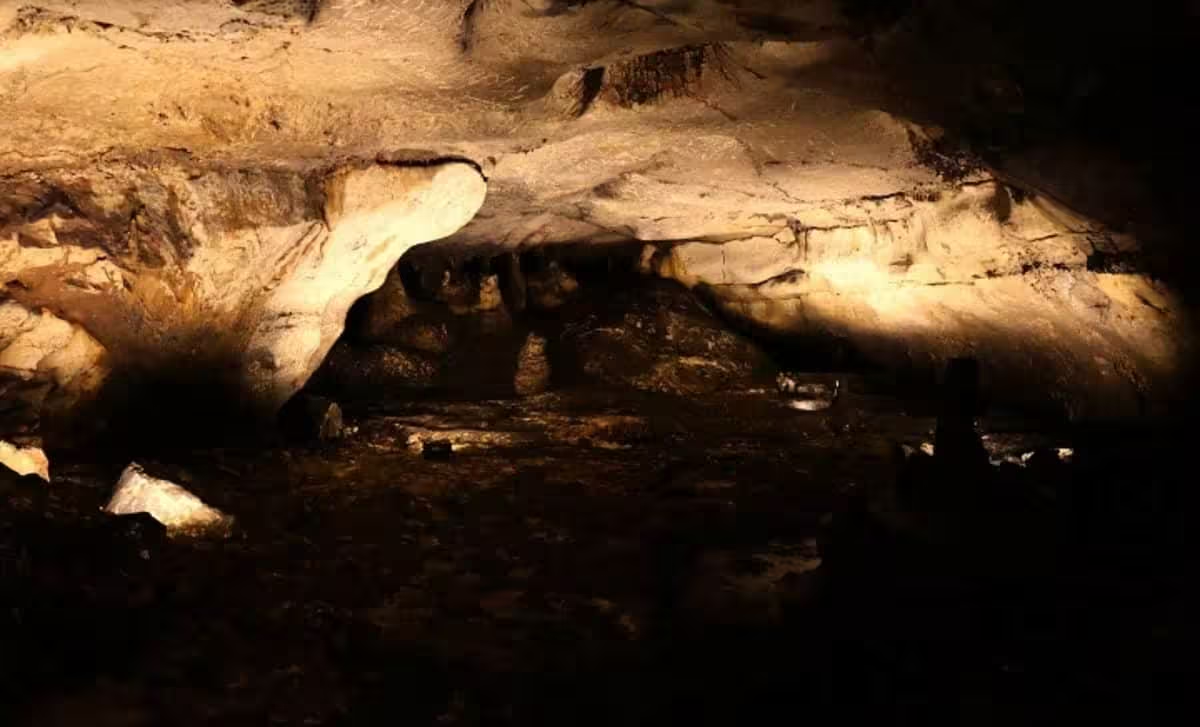
Looking ahead, the research team plans to continue their work at the cave. Future objectives include the detailed study of remaining, uncatalogued inscriptions, the creation of a digital twin of the site, and the implementation of robust conservation and security measures to protect both the prehistoric art and the unique Roman sanctuary.
This article has been fact checked for accuracy, with information verified against reputable sources. Learn more about us and our editorial process.
Last reviewed on .
Article history
- Latest version
Cite this page:
- Posted by Hassan Raza