Common Earth Bacteria And Fungi Could Survive In The Shadows Of The Moon
A new study reveals a critical hidden challenge NASA must address before returning astronauts to the lunar surface to ensure mission safety and success.
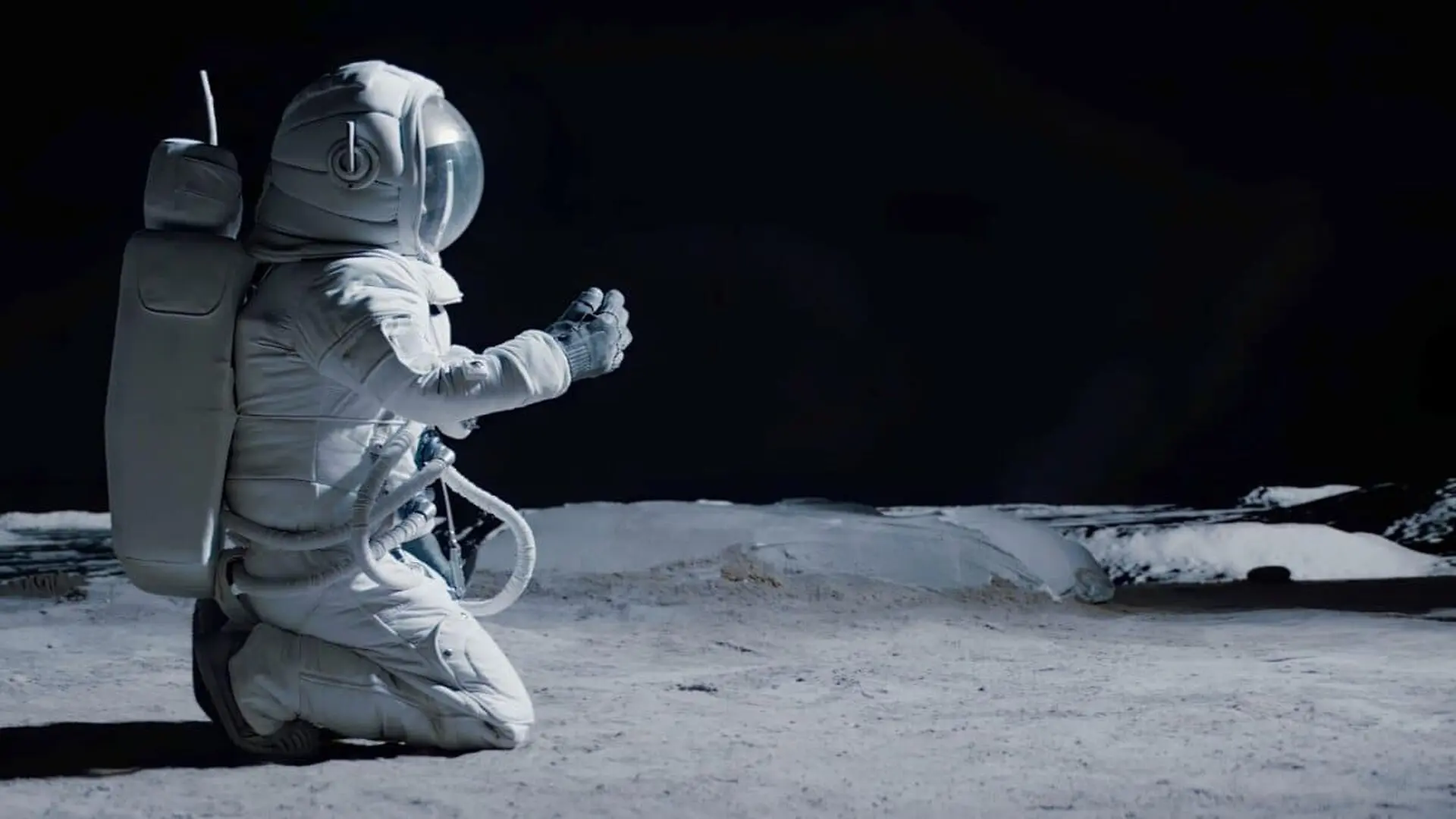
Tiny stowaways from Earth might be capable of enduring the harsh conditions of the Moon, according to new research published in Science Advances. The study suggests that specific bacteria and fungi are resilient enough to survive in the frigid, shadowed pockets of the lunar south pole. This discovery presents a significant hurdle for upcoming crewed missions, as space agencies work to ensure that Earth-based biological contamination does not compromise the integrity of future scientific findings.
While the lunar surface is notoriously inhospitable, characterized by a lack of atmosphere and extreme temperature fluctuations, the permanently shadowed regions at the south pole function differently. These areas never see sunlight, with temperatures hovering near -200 degrees Celsius and significantly lower exposure to ultraviolet radiation. Researchers found that these conditions could allow certain microbes to enter a dormant, freeze-dried state, effectively “hiding” in the lunar cold.
Microbial Endurance Under Simulated Lunar Conditions
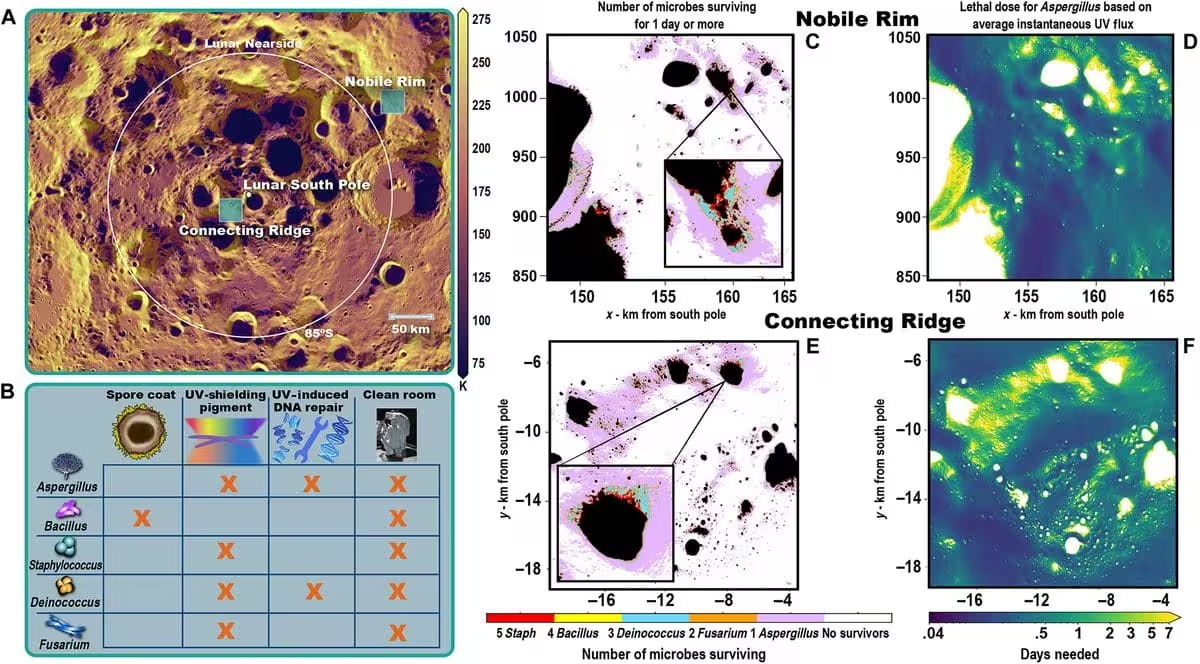
A team at NASA’s Goddard Space Flight Center examined five microorganisms—three bacteria and two fungi—commonly associated with human presence in environments like the International Space Station or on spacesuits. By recreating the extreme conditions of the lunar south pole, the team demonstrated that all five species could remain viable for at least 24 hours. The study, titled Potential survivable niches for microbial life on the lunar south pole, highlights that certain protected lunar zones provide enough of a shield to allow these organisms to remain stable for even longer durations.
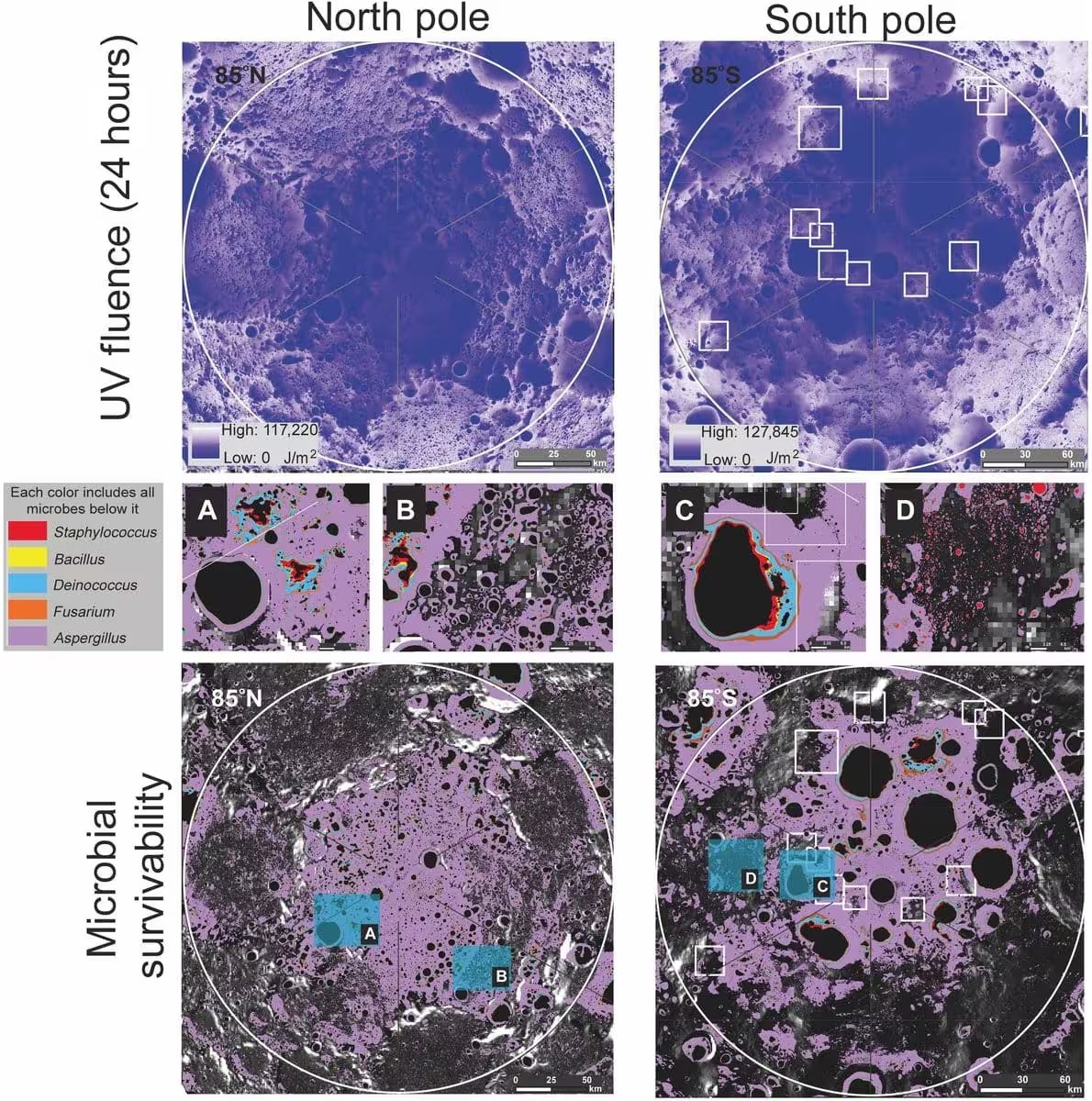
Organic geochemist Heather Graham notes that the lunar polar environment mimics the processes used in terrestrial laboratory settings to freeze-dry and preserve microorganisms. In this dormant state, the microbes do not reproduce, but they remain a persistent presence that could leave chemical signatures behind, potentially confusing future analysis of lunar material.
Unexpected Hardiness of Common Fungi
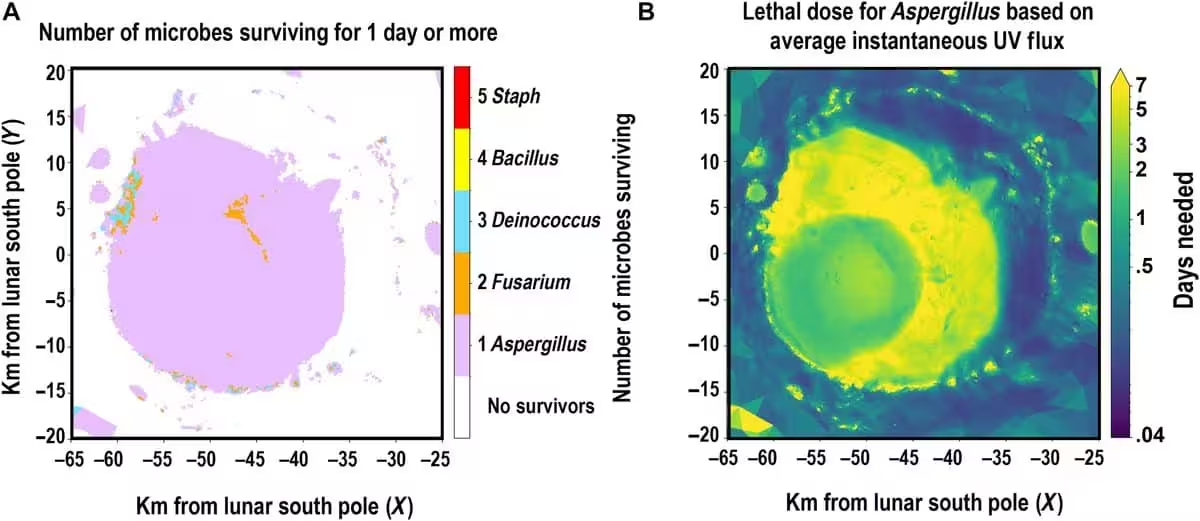
The standout performer in the study was Aspergillus niger, a fungus often found in household settings like showers and water heaters. The organism demonstrated a remarkable ability to survive the simulated lunar environment, likely due to its robust cell walls and effective DNA repair mechanisms. Researchers estimate that in certain shadowed niches, this fungus could persist for over a week. While the Moon will not support an active ecosystem, the presence of these organisms could lead to false positives when scientists search for chemical clues regarding the Moon’s formation.
Strengthening Planetary Protection for Future Missions
As NASA prepares for the Artemis IV mission, which will target the previously unexplored lunar south pole, the challenge of biological contamination has moved to the forefront of mission planning. This region is of immense scientific interest due to the potential presence of water ice and ancient, preserved materials. However, the presence of human explorers inherently introduces the risk of cross-contamination.
Improving decontamination protocols is essential not only for lunar missions but for the long-term goal of human exploration of Mars. “The better we get at clean exploration on the moon, the much better position we’ll be in on a place like Mars,” Graham explains. By refining how equipment and spacesuits are managed, NASA aims to protect the integrity of extraterrestrial samples, ensuring that discoveries are based on native lunar chemistry rather than biological traces from Earth.
This article has been fact checked for accuracy, with information verified against reputable sources. Learn more about us and our editorial process.
Last reviewed on .
Article history
- Latest version
Reference(s)
- “Goddard Space Flight Center - NASA.”, February 8, 2023 NASA <https://www.nasa.gov/goddard/>.
- “Heather Valeah Graham - Sciences and Exploration Directorate.” NASA Goddard Sciences and Exploration Directorate <https://science.gsfc.nasa.gov/sci/bio/heather.v.graham>.
Cite this page:
- Posted by Hassan Raza