Move Over Lycopene This Hidden Tomato Compound Could Protect Your Liver From Disease
Phytoene, a colorless precursor to lycopene, may help protect the liver against chronic fatty liver disease, according to new research on tomatoes.
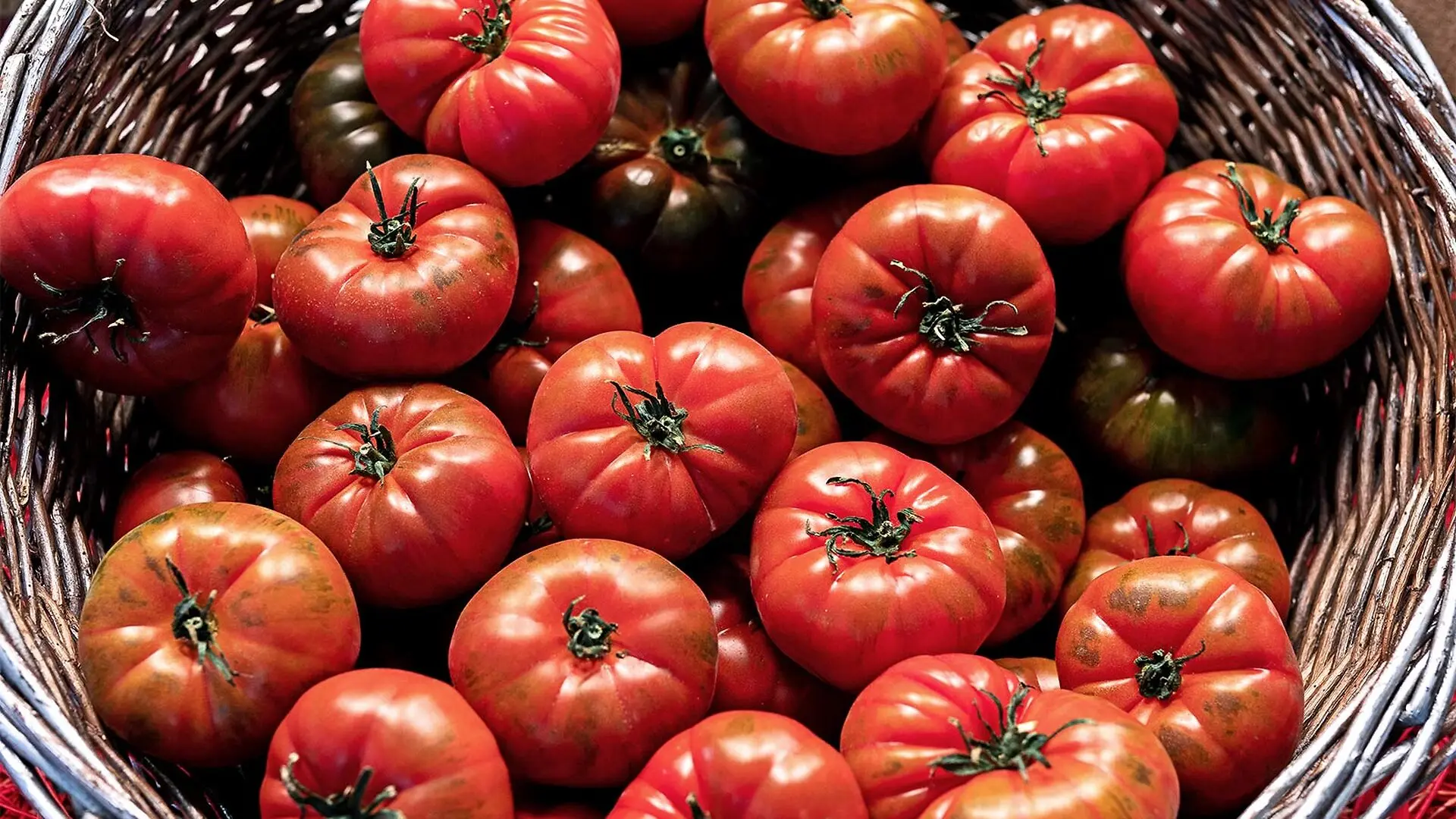
Unveiling a Hidden Tomato Compound That Could Combat Fatty Liver
A specific, often overlooked nutrient found within tomatoes may hold the key to mitigating metabolic dysfunction-associated steatotic liver disease, a condition that currently impacts over one-third of the American adult population. While lycopene has long been celebrated as the primary health-boosting pigment in tomatoes, new findings from researchers at Tufts University suggest that a colorless precursor known as phytoene may play a more significant role in protecting liver health than previously understood.
The research, published in the journal Molecular Nutrition & Food Science, highlights how this precursor to carotenoids—the pigments responsible for the vibrant hues of fruits and vegetables—helps regulate metabolic processes that prevent the dangerous accumulation of fat within liver cells.
Metabolic dysfunction-associated steatotic liver disease is a pressing health concern, affecting approximately 100 million people in the United States. The condition is particularly prevalent among individuals living with obesity or diabetes, with estimates suggesting that up to 75% of this group may suffer from excessive fat buildup in the liver. If left unchecked, this accumulation can trigger chronic inflammation and tissue damage, eventually progressing to cirrhosis.
For years, the scientific community has observed that whole tomato products often outperform purified lycopene in clinical and animal studies, hinting that other bioactive compounds are at play. According to Na Youn Lee, lead author of the study and a doctoral candidate at the Friedman School of Nutrition Science and Policy at Tufts, the body appears to absorb phytoene more efficiently than lycopene, making it a potent candidate for nutritional intervention.
To test the efficacy of this compound, investigators conducted a six-month study using mice fed a diet high in refined carbohydrates, designed to mimic human dietary habits associated with liver disease. One group received a daily dose of phytoene comparable to a human consuming approximately 100 grams of tomato paste—roughly one-third of a cup—or three to four medium-sized raw tomatoes.
The results showed a marked reduction in the severity of fatty liver disease among the mice treated with phytoene. Unlike other dietary interventions that rely on shifting the gut microbiome, the study indicates that phytoene functions by activating specific proteins that regulate liver metabolism, effectively encouraging the organ to burn excess fat for fuel rather than storing it.
Intriguingly, the researchers discovered that the protective benefits were not triggered by phytoene itself, but rather by the smaller metabolites created as the body breaks the compound down. In experiments involving mice lacking the enzymes required for this conversion, the liver-protective effects vanished, despite high concentrations of the compound accumulating in the body. The data also pointed to sex-based differences, with female mice showing higher levels of phytoene accumulation in their livers compared to their male counterparts.
Senior author Xiang-Dong Wang, a researcher at the Jean Mayer USDA Human Nutrition Research Center on Aging, emphasizes that these findings have far-reaching potential. Because phytoene is found in a wide variety of common foods—including red peppers, carrots, apricots, watermelon, and pink grapefruit—it represents a versatile nutritional target for public health strategies.
“Should further research validate our findings, encouraging people to eat more phytoene-rich fruits and vegetables could be a useful strategy to help prevent metabolic liver disease or slow its progression in high-risk individuals,” Wang stated.
Future investigations are expected to delve deeper into the specific genetic variations in human enzymes that process these metabolites, which may clarify why some individuals might derive greater health benefits from phytoene than others. The study was supported by the US Department of Agriculture’s Agricultural Research Service and the National Institute of Food and Agriculture.
This article has been fact checked for accuracy, with information verified against reputable sources. Learn more about us and our editorial process.
Last reviewed on .
Article history
- Latest version
Reference(s)
- Lee, Na Youn., et al. “Phytoene, a Precursor of Lycopene in Tomatoes, Protects Against Metabolic Dysfunction‐Associated Steatotic Liver Disease in Mice.” Molecular Nutrition & Food Research, vol. 70, no. 16, August 23, 2026 Wiley, doi: 10.1002/mnfr.70596. <https://doi.org/10.1002/mnfr.70596>.
Cite this page:
- Posted by Hassan Raza