Ancient Teeth Found in Alaska Reveal the Arctic Was Creating New Mammal Species While Dinosaurs Still Ruled
Small mammals thrived millions of years ago in harsh conditions now barely imaginable
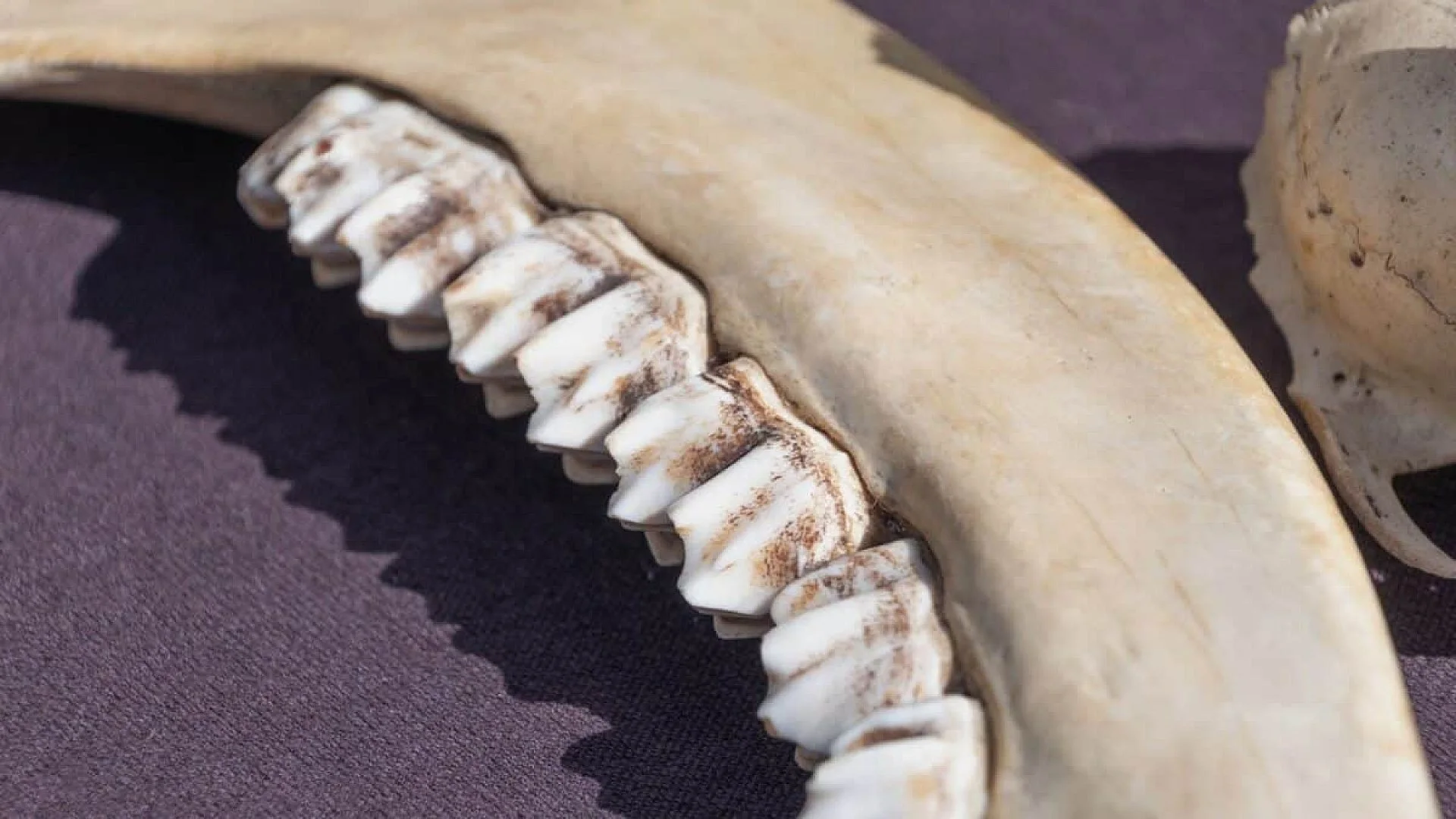
Fossilized teeth unearthed in Alaska’s far‑north have identified three previously unknown mammal species that lived about 73 million years ago during the Late Cretaceous. The finds bolster the notion that severe polar conditions may have driven evolutionary innovation rather than merely allowing survival.
Popular depictions of Cretaceous ecosystems usually emphasize warm, forested habitats, relegating high‑latitude realms to marginal status with limited evolutionary impact.
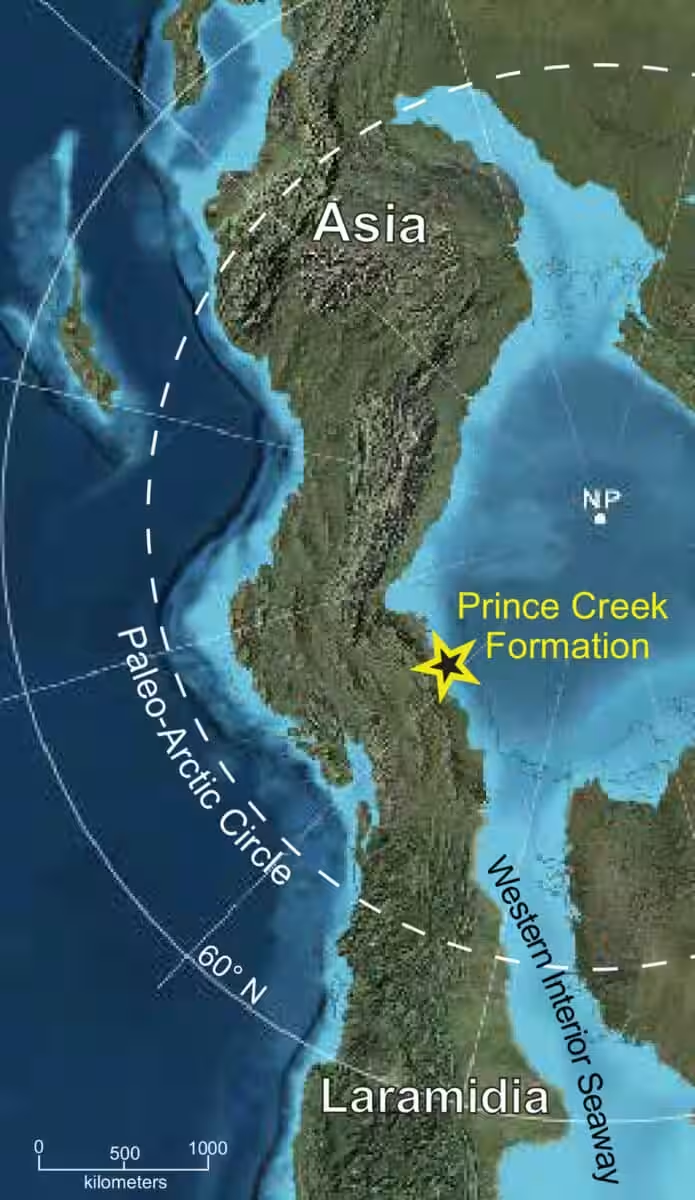
New analysis of specimens from the Prince Creek Formation overturns that assumption. By examining dental anatomy, researchers distinguished three extinct mammals that occupied distinct ecological roles within the same polar setting. The study, appearing in the Proceedings of the National Academy of Sciences, suggests the ancient Arctic played a more pivotal part in mammalian evolution than previously recognized.
Small Arctic Mammals Show Varied Ecological Strategies
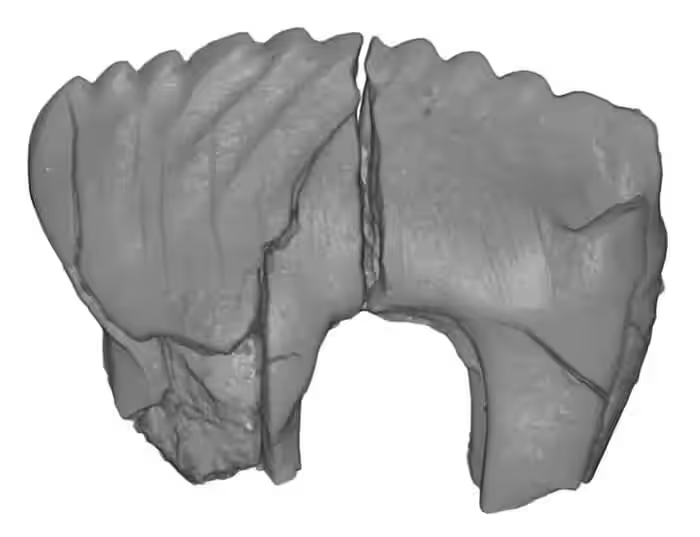
All three belong to the extinct order multituberculates, named for the rows of tiny cusps on their molars. The newly described taxa are Camurodon borealis (“Northern curved‑tooth”), Qayaqgruk peregrinus (“the little wandering hero”), and Kaniqsiqcosmodon polaris (“polar frost ornamented tooth”).
Dental microwear and morphology point to distinct feeding habits. The PNAS paper indicates Camurodon borealis was primarily herbivorous, while Qayaqgruk peregrinus likely combined plant material with insects. Kaniqsiqcosmodon polaris appears to have been an omnivore with a strong vegetative component.
Life Under Arctic Darkness
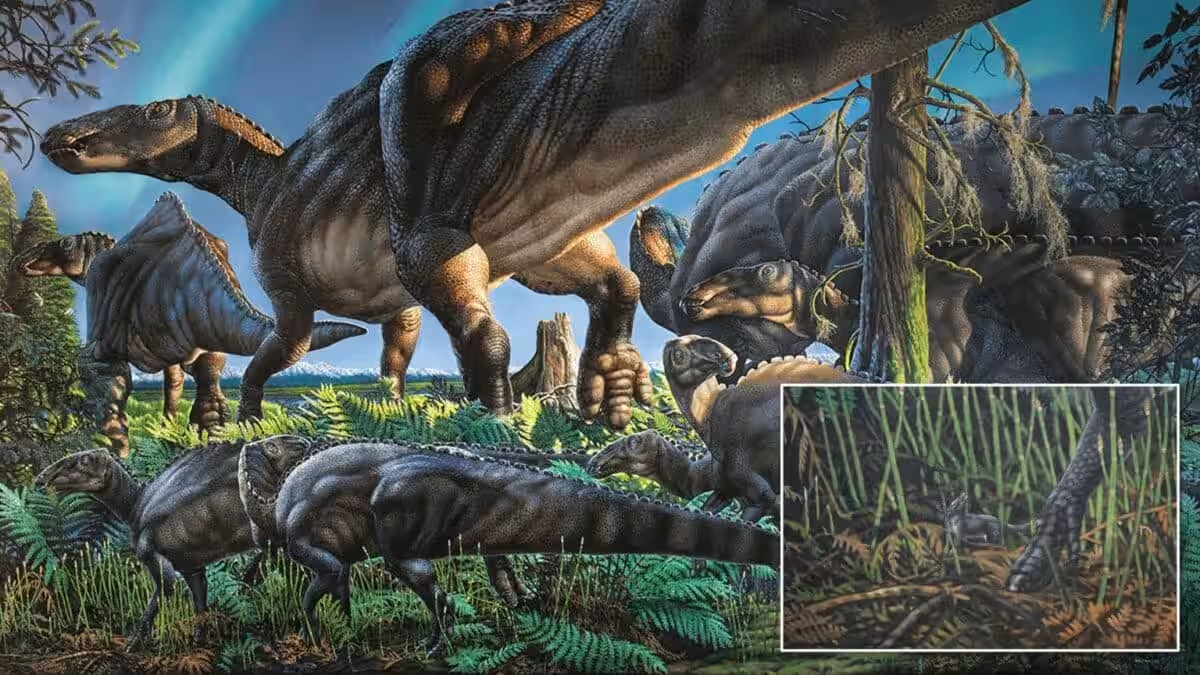
The Cretaceous Arctic was far from today’s barren ice sheet. Researchers describe a landscape marked by substantial snowfall, mean annual temperatures hovering around 6 °C (42 °F), and winter darkness that could extend for up to four months. Despite these stresses, the small mammals not only persisted but diversified.
Sarah Shelley of the University of Lincoln notes that polar zones have fostered biological activity for far longer than many assume.
“There’s a lot of diversity in the multituberculate group. They lived for an incredibly long time, and I think they can reveal a lot about the resilience of mammals, not just to the mass extinction, but also to climatic stresses that many organisms are facing today,” she explained in a statement available on The University of Lincoln’s website.
Early Cross‑Continental Mammal Migration
One of the new taxa stands out for its biogeographic ties. Phylogenetic analysis links it to multituberculates previously recorded in present‑day Mongolia, suggesting that its ancestors may have traversed a Beringian land bridge around 92 million years ago—potentially one of the earliest documented mammalian dispersals between continents.
The species name even nods to its Mongolian heritage; many regional multituberculates carry the term bataar (“hero”), inspiring the moniker “the little wandering hero.”
Multituberculates enjoyed an extraordinary evolutionary tenure, persisting for over 100 million years from the Jurassic until the late Eocene, roughly 35 million years ago. Patrick Druckenmiller, a paleontologist at the University of Alaska Fairbanks, remarked:
“These three new mammal species add to a growing body of evidence that this ancient Arctic region was home to unique, polar‑adapted species.”
Together with earlier discoveries of predators, large herbivores, and an expanding suite of small mammals, the Prince Creek record paints a picture of a vibrant, ecologically complex Arctic world far richer than once imagined.
This article has been fact checked for accuracy, with information verified against reputable sources. Learn more about us and our editorial process.
Last reviewed on .
Article history
- Latest version
Reference(s)
- <https://www.researchgate.net/profile/Sarah-Shelley-2>.
- shelliwell, “Ancient Arctic Mammals Offer Clues to How Early Species Survived Extreme Conditions | News and Press | University of Lincoln.”, May 20, 2026 News and Press <https://news.lincoln.ac.uk/2026/05/20/ancient-arctic-mammals-offer-clues-to-how-early-species-survived-extreme-conditions/>.
- “Dr. Pat Druckenmiller | Museum | Museum of the North.” <https://www.uaf.edu/museum/collections/earth/staff/curator/>.
Cite this page:
- Posted by Hassan Raza