New AI Software Can Now Track Your Exact Location Using Only Photos of Your Home Interior
A new AI system can now identify a home’s location and listing by analyzing a single photo of an ordinary room, raising significant privacy concerns.
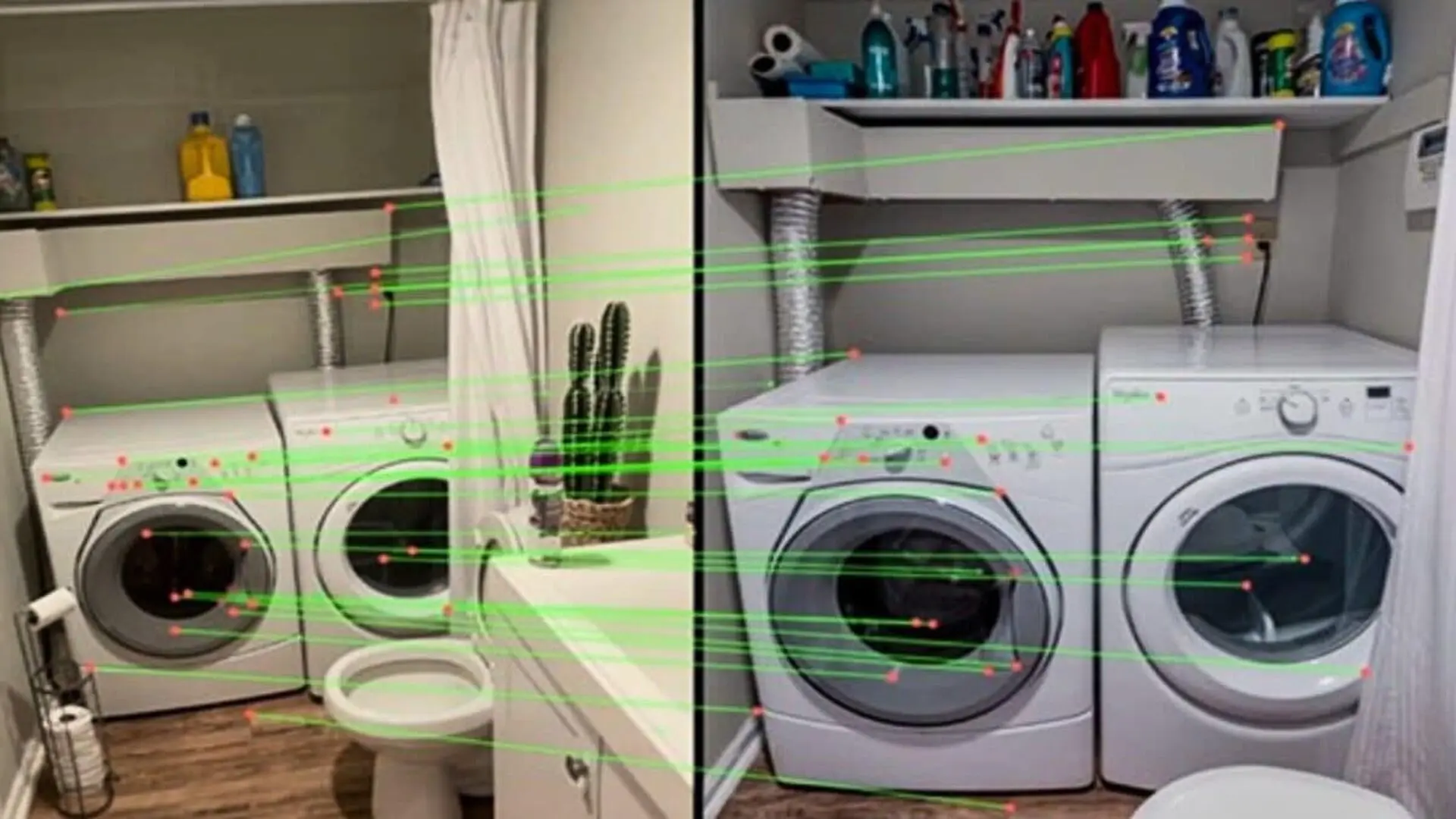
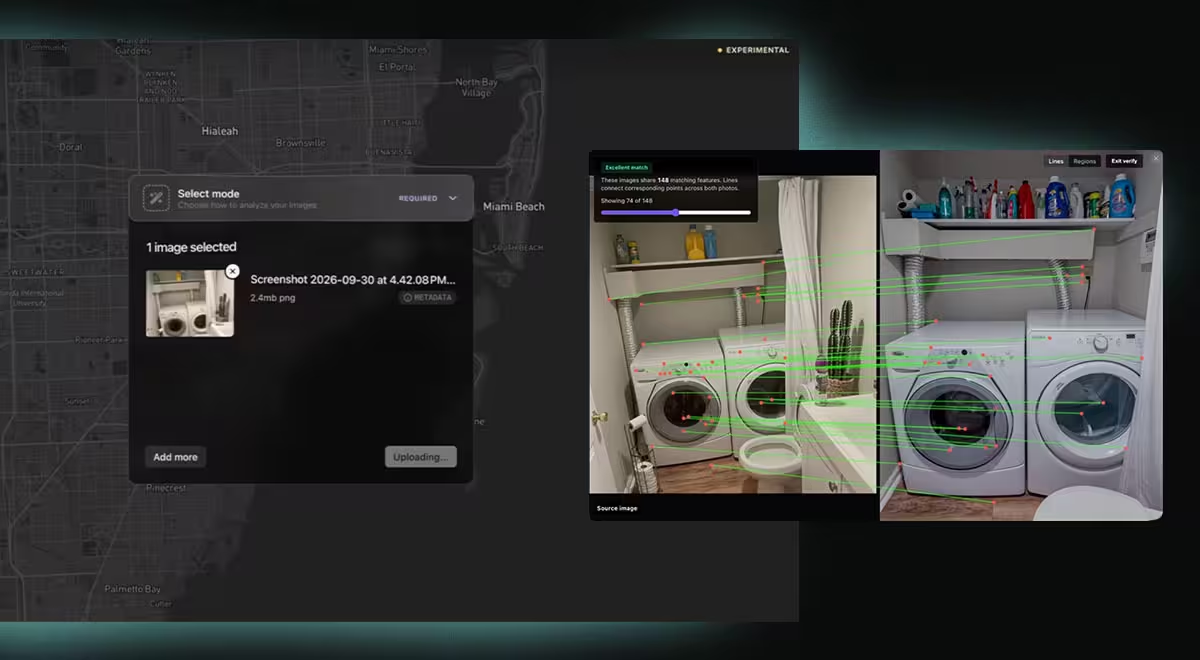
A new breed of artificial intelligence software is changing how investigators track locations, moving beyond traditional satellite imagery to pinpoint precise indoor environments. Known as Raven, the tool—formerly marketed as GeoSpy—can now identify the physical address of a room using only a photograph taken from inside a building. Whether it is a kitchen corner, a tiled bathroom, or a collection of toiletries, the software analyzes architectural details and interior design cues to cross-reference them against a massive database of online property listings.
Developed by Graylark Technologies, the software has already been adopted by several law enforcement agencies, including the Los Angeles Police Department and the Miami-Dade Sheriff’s Office. Graylark CEO Daniel Heinen recently highlighted the company’s progress in expanding the tool’s reach to include millions of short-term rental properties worldwide.
From Accidental Discovery to Targeted Tool
The capability to geolocate indoor spaces was not originally part of the product’s roadmap. According to Heinen, the functionality emerged serendipitously when he tested an early version of the software with a casual bathroom mirror selfie. To his surprise, the system successfully identified the city in which the photo was taken. Subsequent tests involving screenshots from Zillow listings reportedly achieved a high success rate, prompting the company to pivot toward formalizing this feature.
Unlike standard reverse image search engines, which look for identical digital files, Raven functions by interpreting the visual “fingerprint” of a space. By training the model on millions of geotagged images—ranging from outdoor landscapes to indoor scenes—the AI learned to associate regional architectural styles, fixture brands, and even interior construction techniques with specific geographic coordinates. The result is an engine that can find a property even if the only available evidence is a photo taken from an unusual angle or a different point in time.
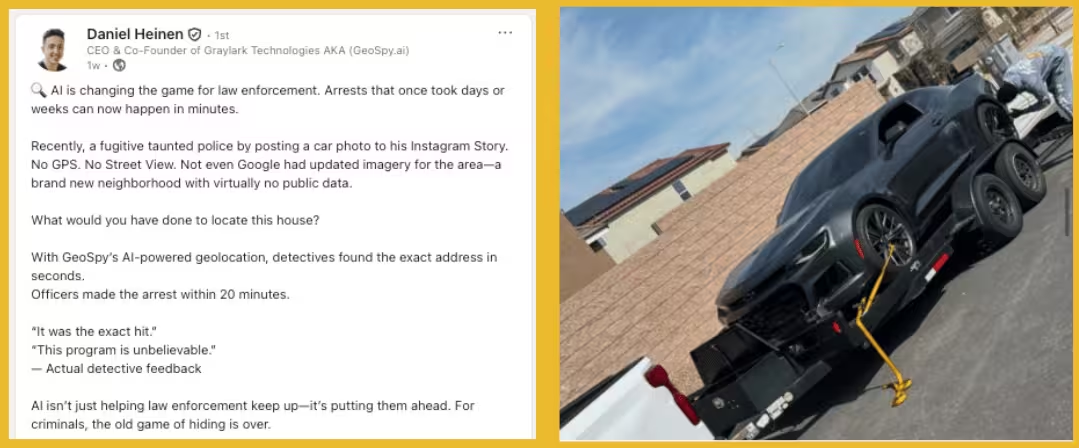
High Stakes and Uncertain Accuracy
Law enforcement agencies using the tool report varied experiences. The Miami-Dade Sheriff’s Office, which even commissioned a custom-trained version of the model, described its internal usage as largely exploratory. As of now, the agency has not reported any major breakthroughs or arrests attributed directly to the platform.
Platform Pushback and Access Restrictions
The reliance on scraped data has put Graylark in the crosshairs of major real estate and rental platforms. Airbnb and Zillow have both raised concerns regarding the use of their property imagery, noting that such data scraping violates their terms of service. While Graylark previously offered public access to its technology, the company restricted the service to government and enterprise clients in early 2025 following reports of unauthorized individuals using the tool to track people.
Despite the restrictions, the software continues to evolve. Graylark is reportedly investing heavily in refining its “HotelID” feature, which aims to identify specific hotels based on mundane details like bathroom toiletries. As these technologies become more sophisticated, the debate over the balance between investigative necessity and digital privacy is likely to intensify.
This article has been fact checked for accuracy, with information verified against reputable sources. Learn more about us and our editorial process.
Last reviewed on .
Article history
- Latest version
Cite this page:
- Posted by Zara Tariq