Scientists Uncover 200,000-Year-Old Grass Beds in South African Cave
Decades of excavation finally uncover 200,000‑year‑old evidence of a familiar human habit in a cave, shedding new light on our ancestors.
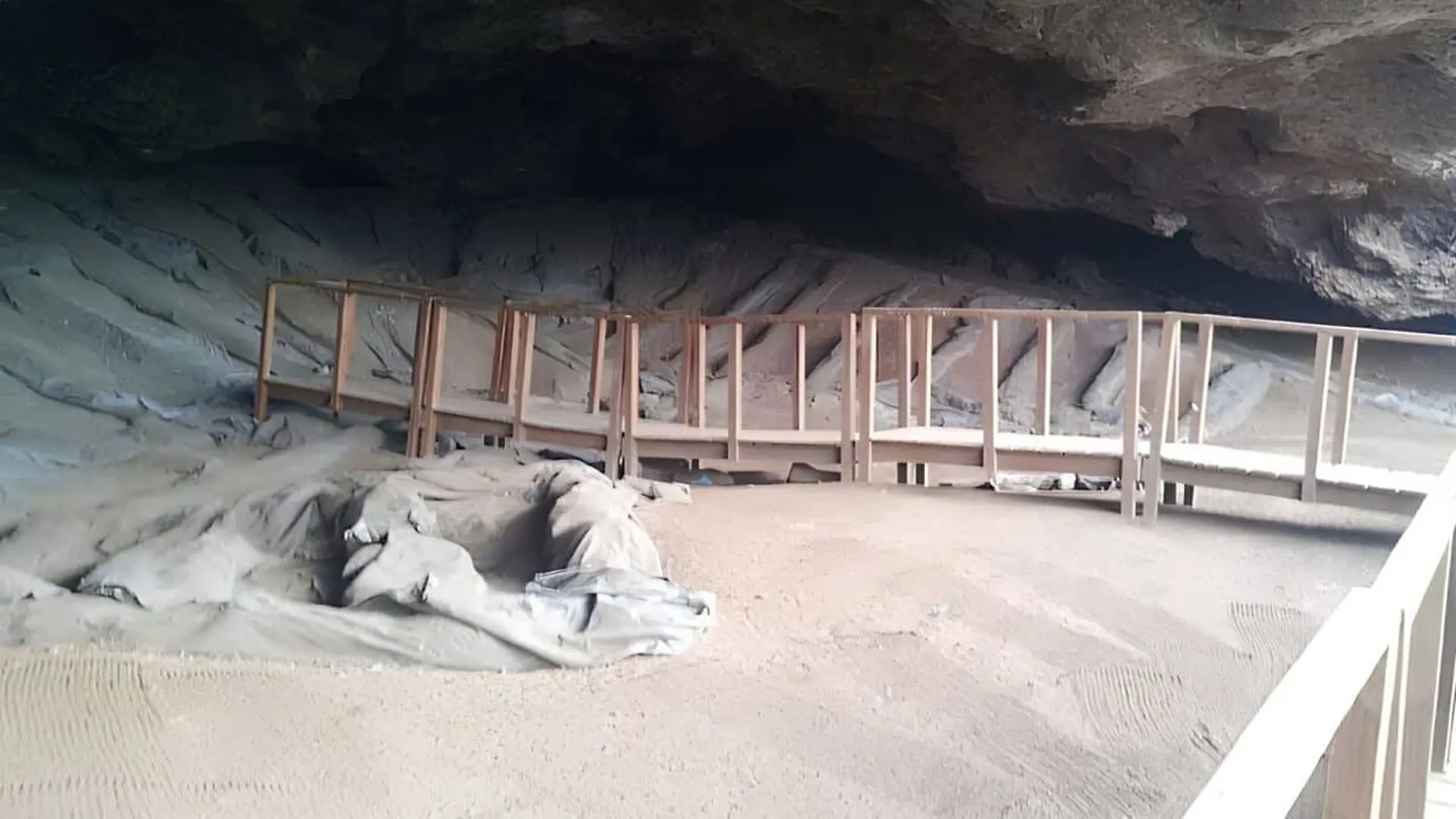
Long before the invention of wooden frames or woven mattresses, early humans paid careful attention to where they rested. New analysis from Border Cave, straddling South Africa and Eswatini, provides fresh insight into a routine of daily life that rarely survives in the archaeological record.
Because plant‑based sleeping surfaces decompose quickly, evidence of ancient bedding is scarce. Grass, leaves and other vegetation normally disappear long before they can be studied, making finds of prehistoric sleep areas exceptionally uncommon.
A 2026 article in the Journal of Archaeological Science reports that occupants of the cave repeatedly constructed and refreshed plant bedding from 200,000 to 43,000 years ago. By spreading grass over layers of ash, they maintained dedicated sleeping platforms over many generations.
Microscopic Survey Identifies Six Distinct Bedding Forms
Border Cave has been the focus of archaeological work for nearly nine decades, yet researchers continue to reveal new aspects of its past inhabitants. Situated in the Lebombo Mountains, the site preserves a sequence that extends from the Paleolithic through the Iron Age.
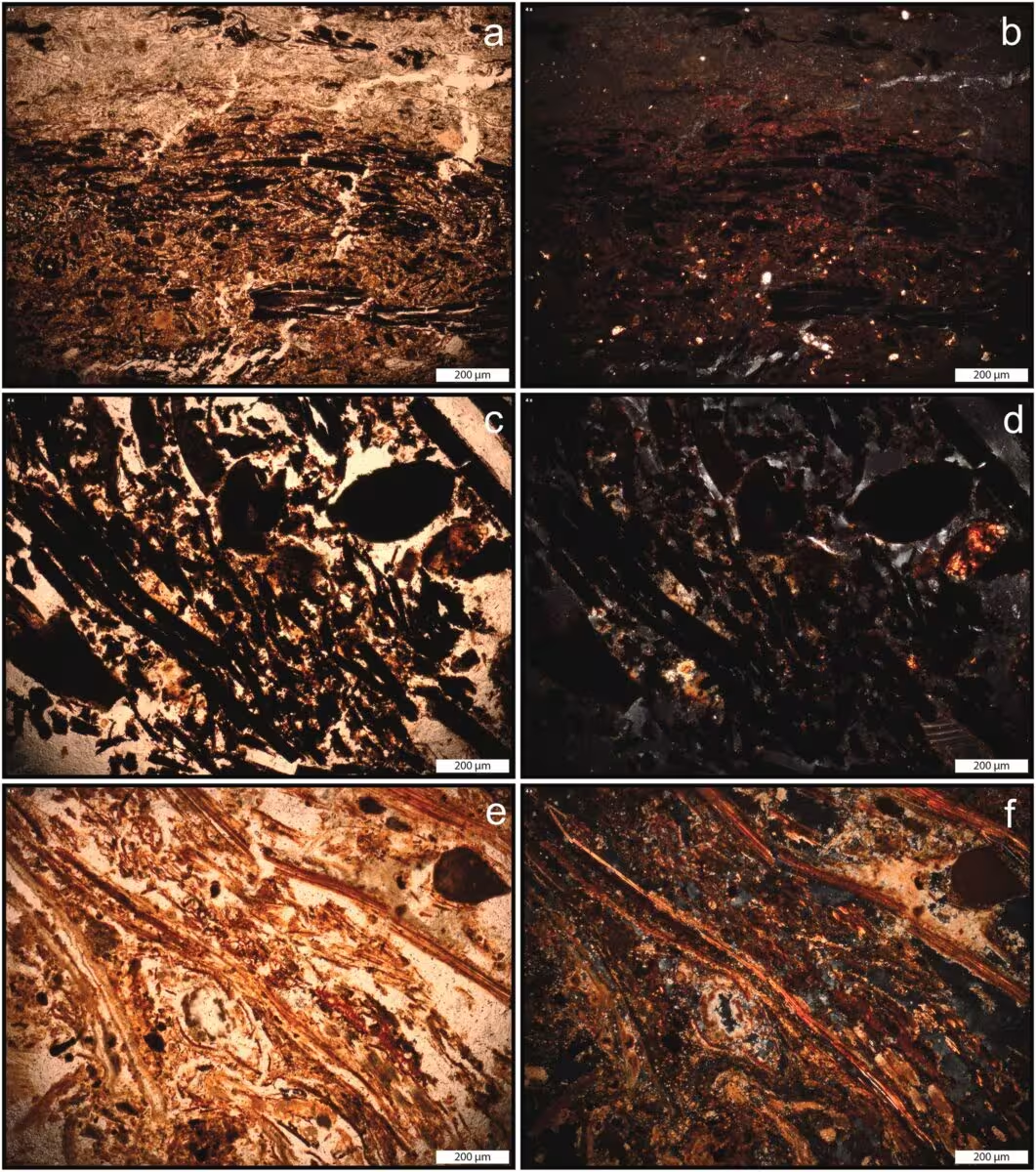
By examining thin sections of sediment under a microscope, the team distinguished six microfacies, each reflecting a separate bedding style. These microscopic layers demonstrate that the cave’s residents altered their sleep‑area construction methods over the long span of occupation.
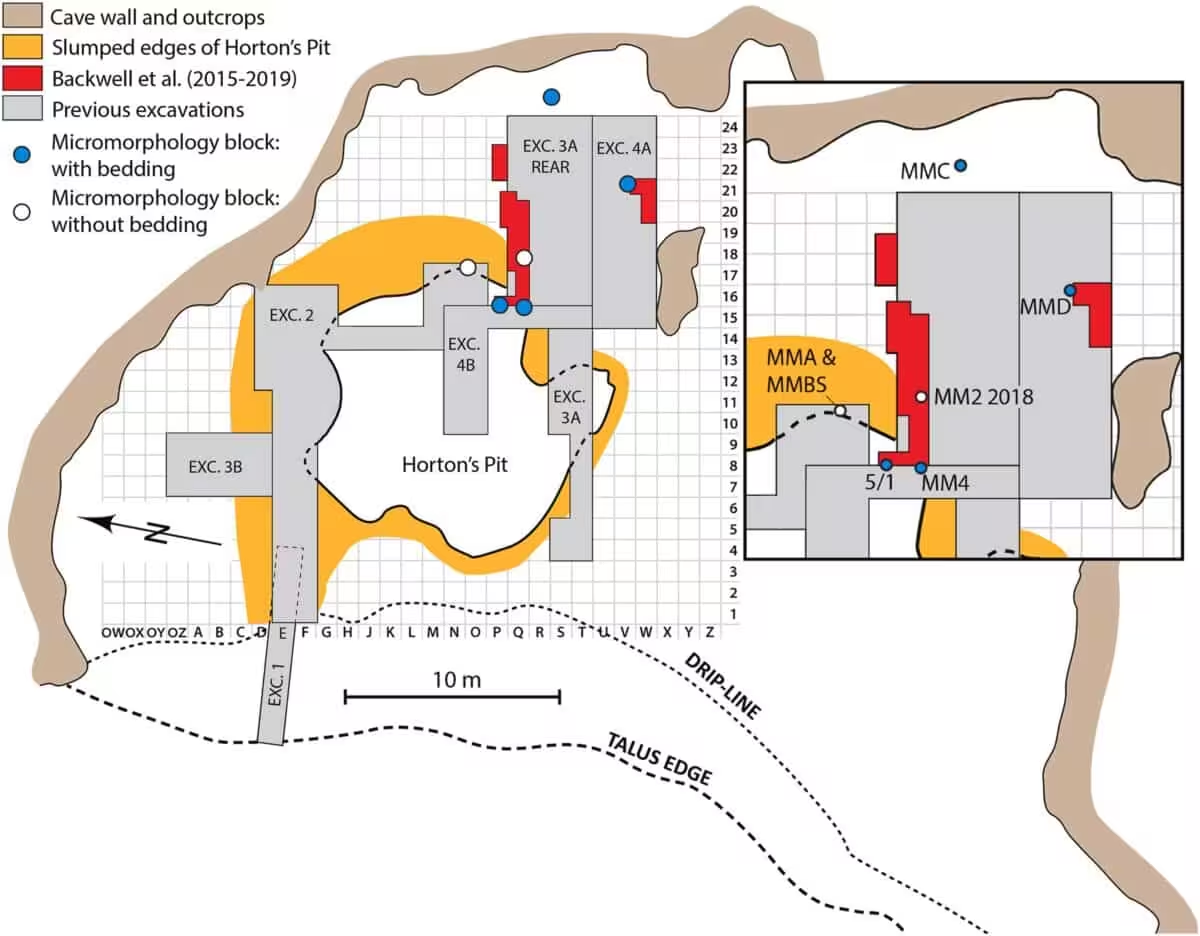
The bedding was primarily composed of grasses from the Panicoideae subfamily, interwoven with reeds placed directly on the ground. Three of the newer bedding types lack parallels in earlier publications, while the remaining examples resemble materials uncovered at nearby South African sites such as Sibudu and Diepkloof, albeit with notable differences.
“These differences could reflect inter-site variations in bedding construction and/or maintenance or be due to the plant material utilised,” wrote the authors.
Ash Layers Served as Insulation and Insect Barrier
The grass was not laid directly on the cave floor. Instead, archaeologists uncovered substantial ash deposits beneath the bedding throughout the sequence, indicating that this practice persisted for thousands of years.
The study suggests that ash helped keep the bedding dry and warm while also deterring crawling insects. Evidence also shows that old bedding was periodically burned before fresh plant material was added atop a new ash layer.
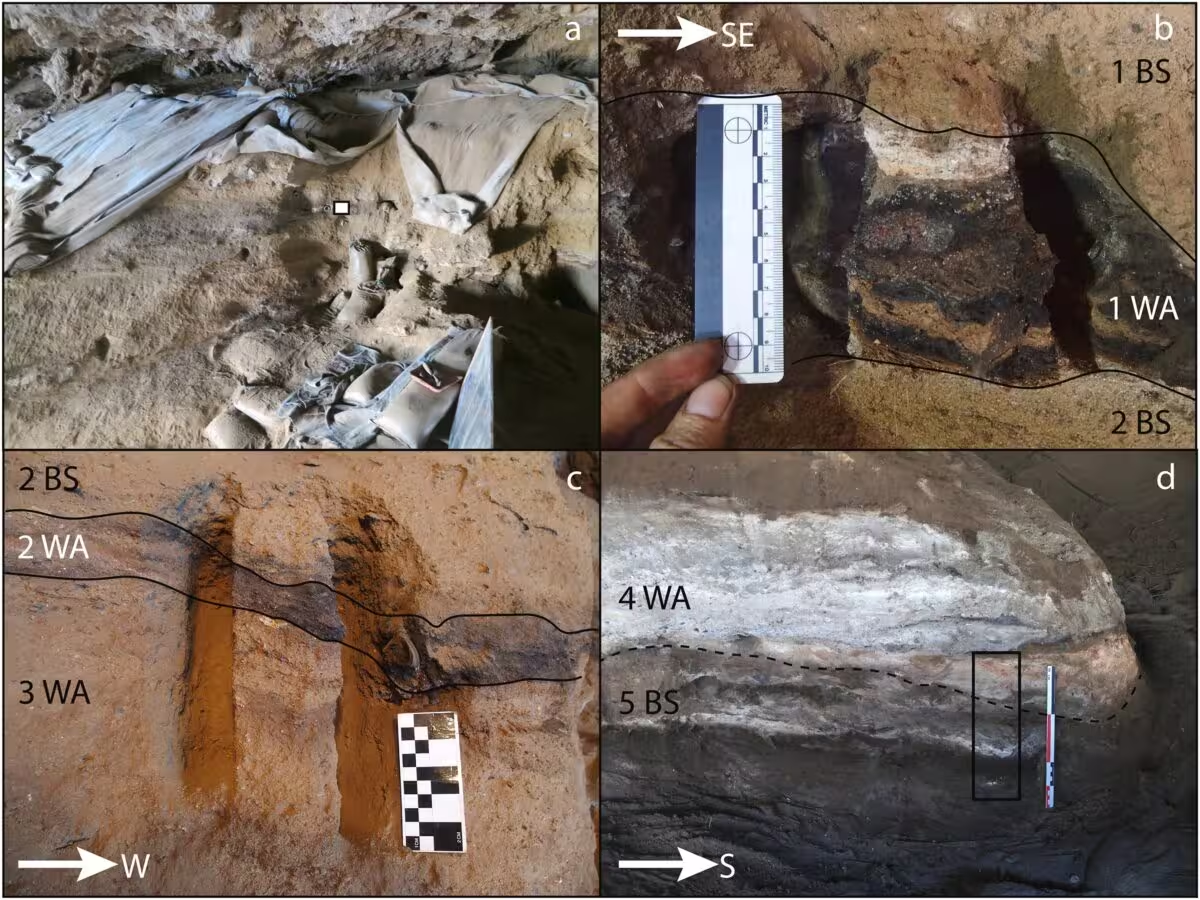
This cycle of discarding worn bedding and laying fresh grass was repeated over thousands of years, indicating that upkeep of sleep areas was a routine part of daily life rather than a sporadic activity.
Changing Sleep Practices Across Millennia
Variations in burned plant residues and in the distribution of phytoliths—microscopic mineral particles left by plants—reveal that bedding was not produced by a single method. Instead, it was continually rebuilt and adapted, reflecting shifts in material choice, maintenance routines, and perhaps the function of sleeping spaces.
The most recent bedding layers, dated to 60,000–43,000 years ago, are less fragmented, show fewer burn marks, and bear fewer trampling signs than older examples. These characteristics suggest alterations in how the sleeping areas were prepared or used over time.
Overall, preserved bedding spans roughly 161,000 to 43,000 years ago, while some associated deposits date back nearly 200,000 years. Throughout that extensive interval, the practice of laying fresh grass over ash remained a constant element of life inside the cave. Three of the identified bedding types have no known counterparts elsewhere, offering archaeologists an additional piece of the puzzle as they continue to investigate one of Africa’s most significant prehistoric locales.
This article has been fact checked for accuracy, with information verified against reputable sources. Learn more about us and our editorial process.
Last reviewed on .
Article history
- Latest version
Reference(s)
- Morrissey, Peter., et al. “New microscale insights into plant-based bedding construction and maintenance between 200 000 and 43 000 years ago at Border Cave, South Africa.” Journal of Archaeological Science, vol. 191, July 1, 2026, pp. 106592 Elsevier BV, doi: 10.1016/j.jas.2026.106592. <https://www.sciencedirect.com/science/article/pii/S0305440326001226>.
Cite this page:
- Posted by Zara Tariq