France Unveils Fourth Barracuda Nuclear Sub Boosting Stealth Strike Power in Europe
France unveils the De Grasse, a stealthy nuclear submarine that promises a generational leap in underwater warfare, from anti-sub patrols to land strikes.
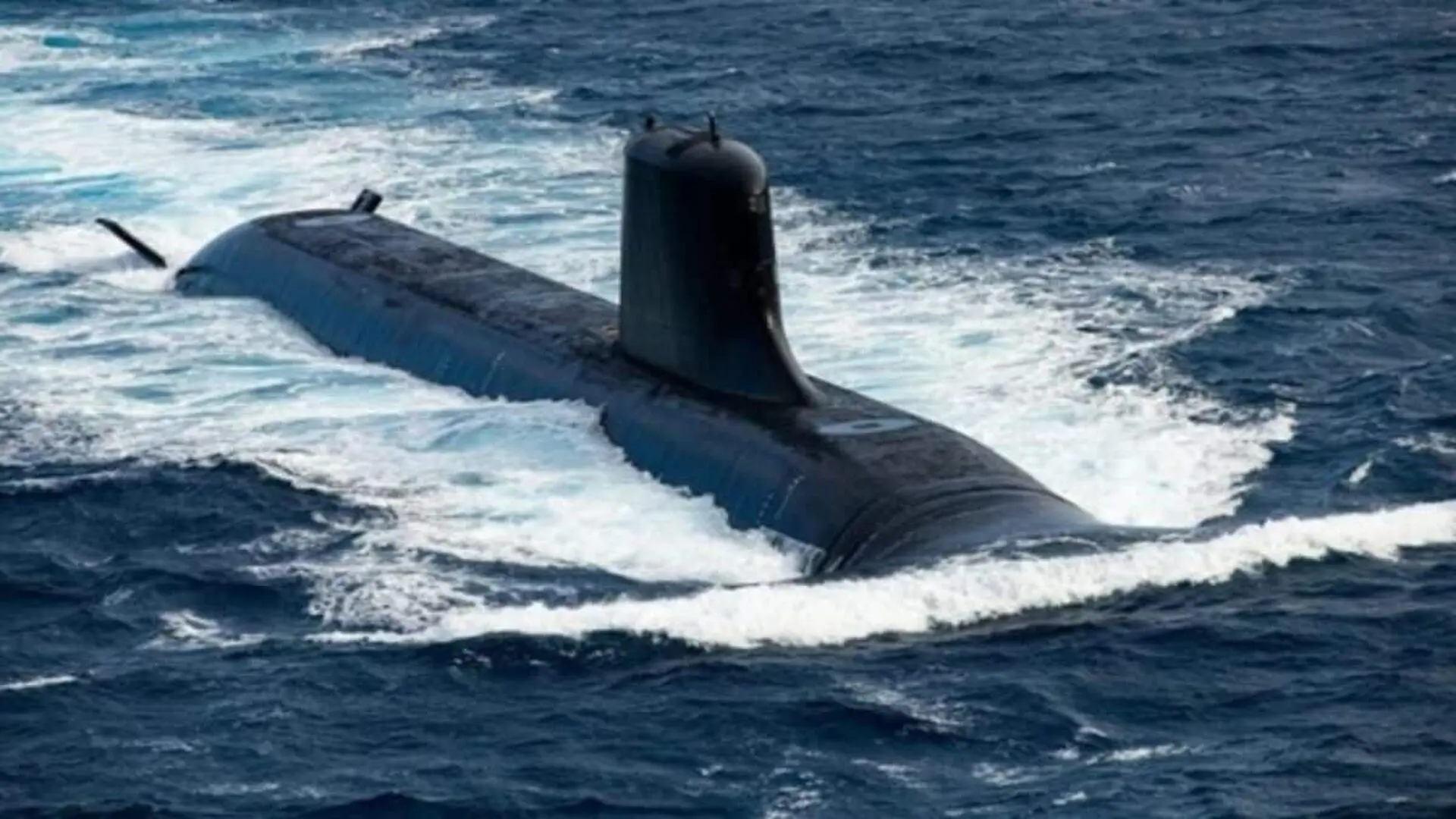
On 24 June 2026 the French Navy took delivery of its fourth Barracuda‑class nuclear attack submarine, the De Grasse, from Naval Group. The hand‑over followed a four‑month sea‑trial period and underscores a decade‑long effort to overhaul France’s underwater strike force.
Constructed in Cherbourg, the vessel displaces roughly 5,200 tonnes submerged and joins a fleet of six submarines that will ultimately supplant the ageing Rubis‑class boats. The initiative, coordinated by the French Defence Procurement Agency, blends nuclear propulsion with a broad suite of offensive, surveillance and special‑operations functions.
Progressive Roll‑out of the Barracuda Fleet
Naval Group reports that the first three units—Suffren, Duguay‑Trouin and Tourville—entered service in June 2022, April 2024 and July 2025. Feedback from those platforms was incorporated into the construction of the De Grasse, allowing the sea‑trial phase to be trimmed to just four months.
The submarine emerged from its assembly hall in May 2025, underwent dockside assessments, and saw its nuclear boiler compartment become operational in December 2025. It embarked on its inaugural voyage on 24 February 2026, and the formal delivery took place at the end of June without any schedule slip.
Two further hulls—named Rubis and Casabianca—are currently under construction, with commissioning slated before 2030. Upon program completion, all six Barracuda vessels will be stationed at the naval base in Toulon.
On 24th June 2026 and 4 months after the first sea trials, Naval Group delivered the De Grasse, 4th of 6 SSNs built for the @MarineNationale.
De Grasse benefited from the experience gained from the first 3 submarines of the Barracuda programme managed by the @DGA.
© REA pic.twitter.com/WeNNAjm5Am— Naval Group (@navalgroup) June 26, 2026
Versatile Weaponry and Enduring Power Plant
The De Grasse’s combat suite features F21 heavyweight torpedoes, upgraded Exocet SM39 anti‑ship missiles and long‑range naval cruise missiles capable of land‑target strikes. It can also deploy naval mines and host special‑forces teams, positioning it as one of Europe’s most adaptable undersea platforms.
According to Naval Group, the submarine employs a hybrid drive centred on a pressurised‑water reactor derived from the power units fitted to France’s Triomphant‑class ballistic‑missile subs and the Charles‑de‑Gaulle aircraft carrier. The reactor powers a single turbine, supplemented by two turbo‑generators and a pair of electric motors, enabling the craft to stay on station for more than 270 days annually with a crew of 65 plus embarked commandos.
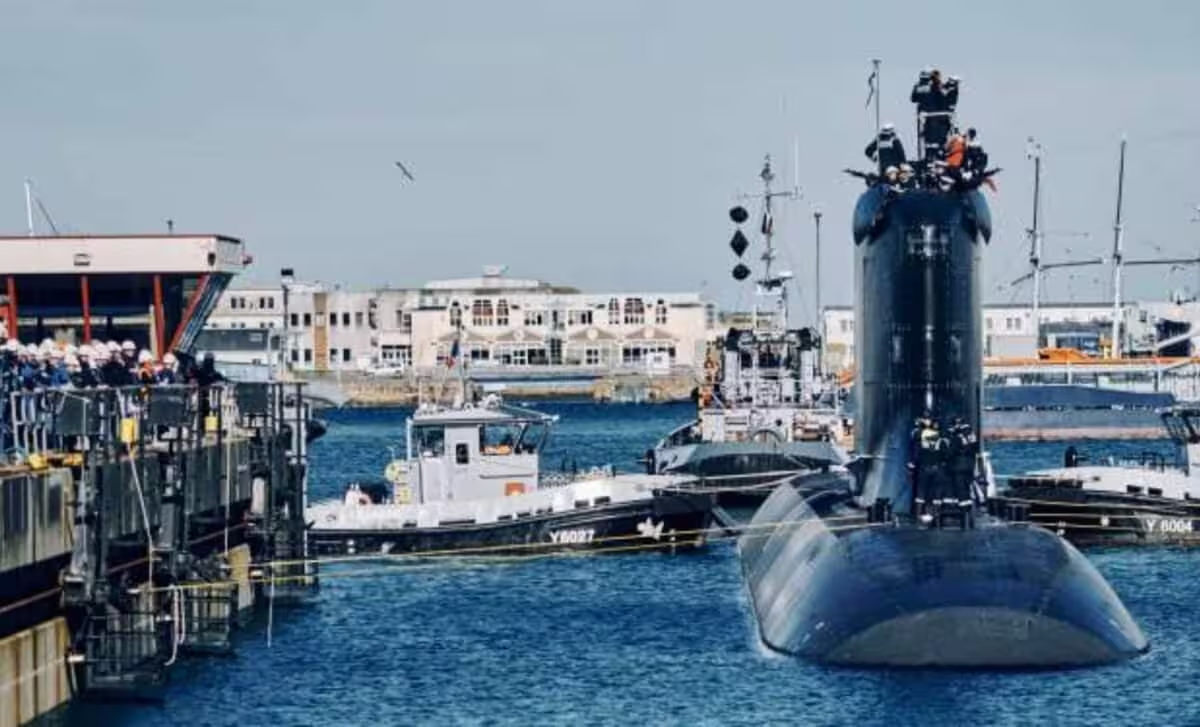
Measuring 99 metres in length and 8.8 metres in beam, the De Grasse ranks among the larger nuclear attack submarines operating in Europe, yet it remains more compact than the U.S. Virginia class. Designers prioritized a minimal acoustic signature, and the class is widely regarded as one of the quietest nuclear‑powered submarines in service worldwide.
Naval Group not only constructs the hulls but also oversees lifecycle support and maintenance for the entire Barracuda fleet. The nuclear reactors are produced in partnership with TechnicAtome, with the Atomic Energy and Alternative Energies Commission contributing to the program’s nuclear components.
With the De Grasse now in French hands, the navy operates four Barracuda‑class submarines, significantly enhancing its strike and patrol reach amid growing strategic focus on the Atlantic and Mediterranean undersea domains.
This article has been fact checked for accuracy, with information verified against reputable sources. Learn more about us and our editorial process.
Last reviewed on .
Article history
- Latest version
Reference(s)
- “https://twitter.com/navalgroup/status/2070518135929606288/photo/1.” <https://t.co/WeNNAjm5Am>.
Cite this page:
- Posted by Zara Tariq