New Jurassic Ichthyosaur Species Uncovered in Germany Shows 9,000‑km Link to Mexican Relatives
An ancient marine creature’s fossils, once thought lost at sea, were unexpectedly discovered in Germany’s renowned fossil site.
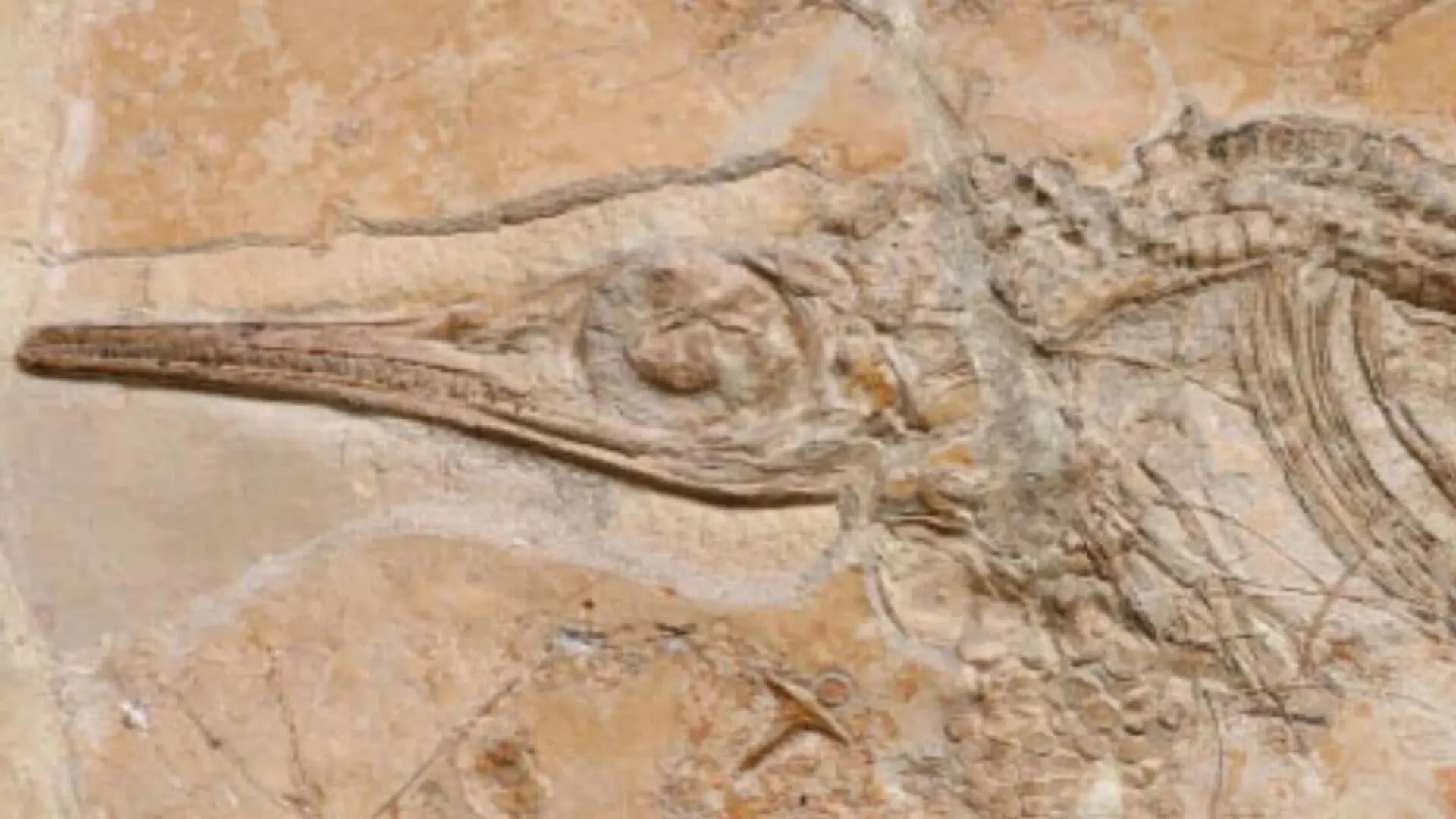
A team of paleontologists has revealed a second ichthyosaur species hidden among decades‑old specimens from Germany’s famed Plattenkalk limestone. The newly recognized taxon, Jabalisaurus tethyensis, was previously lumped with Aegirosaurus leptospondylus, and its nearest relatives are now known from deposits in Mexico, nearly 9,000 km away.
The fine‑grained Plattenkalk formation, celebrated for yielding the iconic Archaeopteryx fossil, long seemed to host only a single ichthyosaur species during the Late Jurassic. This view shaped the broader perception that marine reptiles of that interval were relatively uniform compared with earlier epochs.
New Ichthyosaur Species Uncovered in German Collections
The research, spearheaded by Dr Erin Maxwell of the Staatliches Museum für Naturkunde Stuttgart, did not involve a fresh field excavation. Instead, the team re‑examined material already stored in several German institutions and identified diagnostic features that separate the new taxon from previously known ichthyosaurs.
The primary specimen is a diminutive, juvenile skeleton curated at the Bavarian State Collection for Palaeontology and Geology in Munich. It originated from the Geisberg quarry near Apfelthal, Bavaria. Two further examples—one from the Stuttgart museum and another from the Jura‑Museum Eichstätt—complement the description, the latter preserving an exceptionally complete soft‑tissue outline.
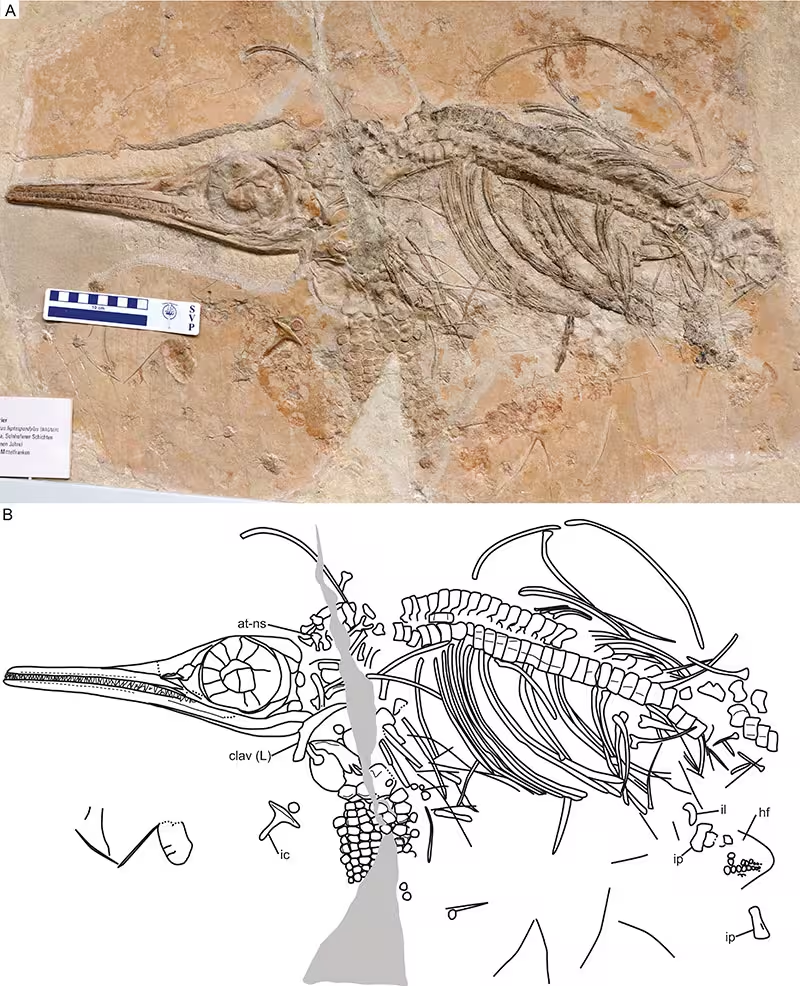
Jabalisaurus tethyensis falls within the ophthalmosaurian lineage and is estimated to have measured between 2 and 2.9 meters (6.6–9.5 feet) in length. According to the study published in Palaeontologia Electronica, the animal possessed a slender, high‑crowned skull and finely ridged teeth, traits that imply a diet of small bony fish. Its integument appears to have been smooth, consistent with other members of its clade, and it inhabited the warm waters of the Tethys Ocean around 150 million years ago.
Late Jurassic Marine Reptiles Show Greater Diversity
Maxwell and colleagues placed the new taxon within the broader ichthyosaur evolutionary narrative, noting that these marine reptiles emerged in the Early Triassic and persisted until the early Late Cretaceous. The group achieved peak diversity and morphological disparity during the first 8.7 million years of its history, a period marked by rapid adaptation to varied marine habitats and prey types.
“By the Jurassic, and especially by the end of the Aalenian (early Middle Jurassic), ichthyosaurs occupied a reduced range of ecomorphotypes, and historically were viewed as being correspondingly reduced in taxonomic diversity,” the authors explained.
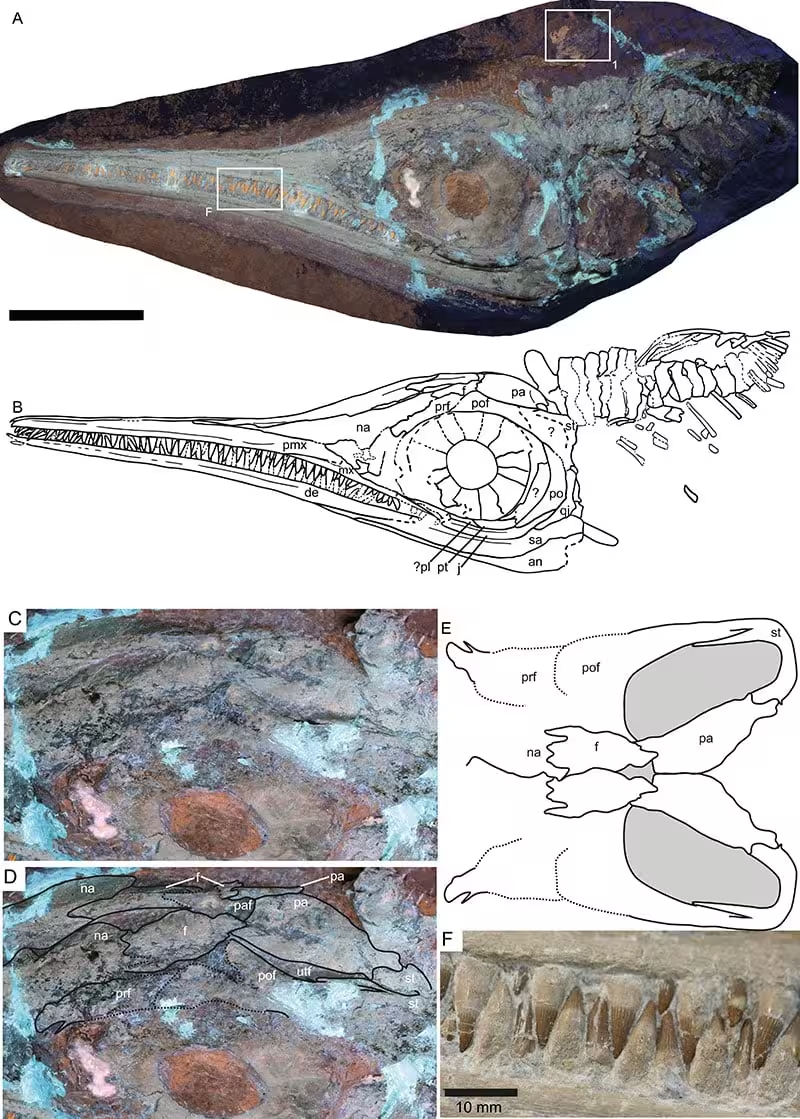
Recognizing Jabalisaurus tethyensis effectively doubles the count of ichthyosaur taxa identified from Germany’s Plattenkalk deposits, indicating that the region hosted a richer assemblage of these predators than previously appreciated. Earlier catalogues likely missed additional forms because they were assigned to the wrong genus.
Evidence Links Bavarian and Mexican Ichthyosaurs Across Ancient Oceans
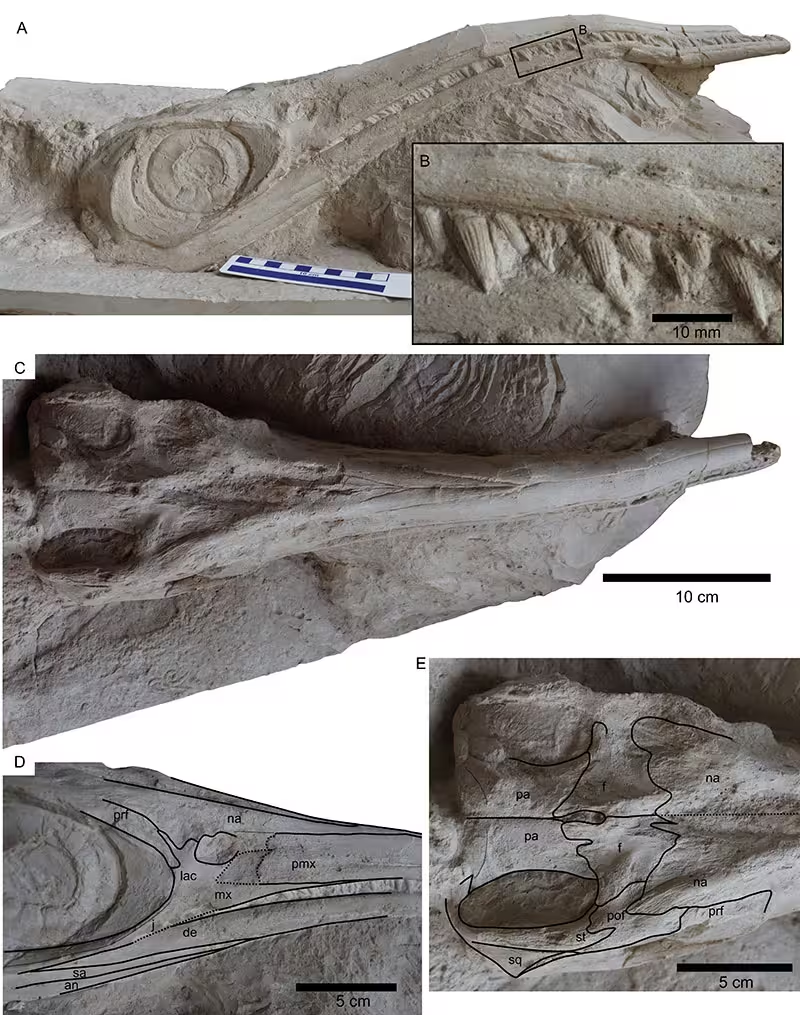
Perhaps the most striking implication of the discovery lies in its biogeographic context. Prior to this work, the genus Jabalisaurus was known exclusively from the Gulf of Mexico region. Its presence in Bavaria suggests that the species spanned a far‑wider expanse of the ancient Tethys Ocean, bridging proto‑Caribbean seas.
The authors identify two closely related species pairs distributed across these realms: Jabalisaurus meztli with Jabalisaurus tethyensis, and Parrassaurus yacahuitztli alongside Aegirosaurus leptospondylus.
“Despite the apparent high Late Jurassic marine habitat connectivity, the Late Jurassic ichthyosaurian fauna from the proto‑Gulf of Mexico has been interpreted as being highly endemic,” the paper noted.
These findings imply that Late Jurassic ichthyosaurs were distributed across a considerably broader tropical belt, extending from the northwestern Tethys to proto‑Caribbean waters. By contrast, specimens recovered from cooler settings—such as the United Kingdom, Svalbard, eastern Europe, and Argentina—appear to belong to distinct, more temperate or polar lineages.
This article has been fact checked for accuracy, with information verified against reputable sources. Learn more about us and our editorial process.
Last reviewed on .
Article history
- Latest version
Reference(s)
- “Erin Maxwell.” <https://www.naturkundemuseum-bw.de/en/research/paleontology/department-paleontology/erin-maxwell>.
- Maxwell, Erin. “Late Jurassic ichthyosaurs from Germany.”, vol. 29, no. 2, August 3, 2026, pp. 1-44. Palaeontologia Electronica, doi: https://doi.org/10.26879/1676. <https://palaeo-electronica.org/content/2026/5919-late-jurassic-ichthyosaurs-from-germany>.
Cite this page:
- Posted by Vikram Desai