Scientists Discovered a Bizarre Insect Deep Inside a Greek Cave, and It Was Unlike Anything They Expected
Un mystérieux crustacé découvert dans une grotte inexplorée d’une île grecque
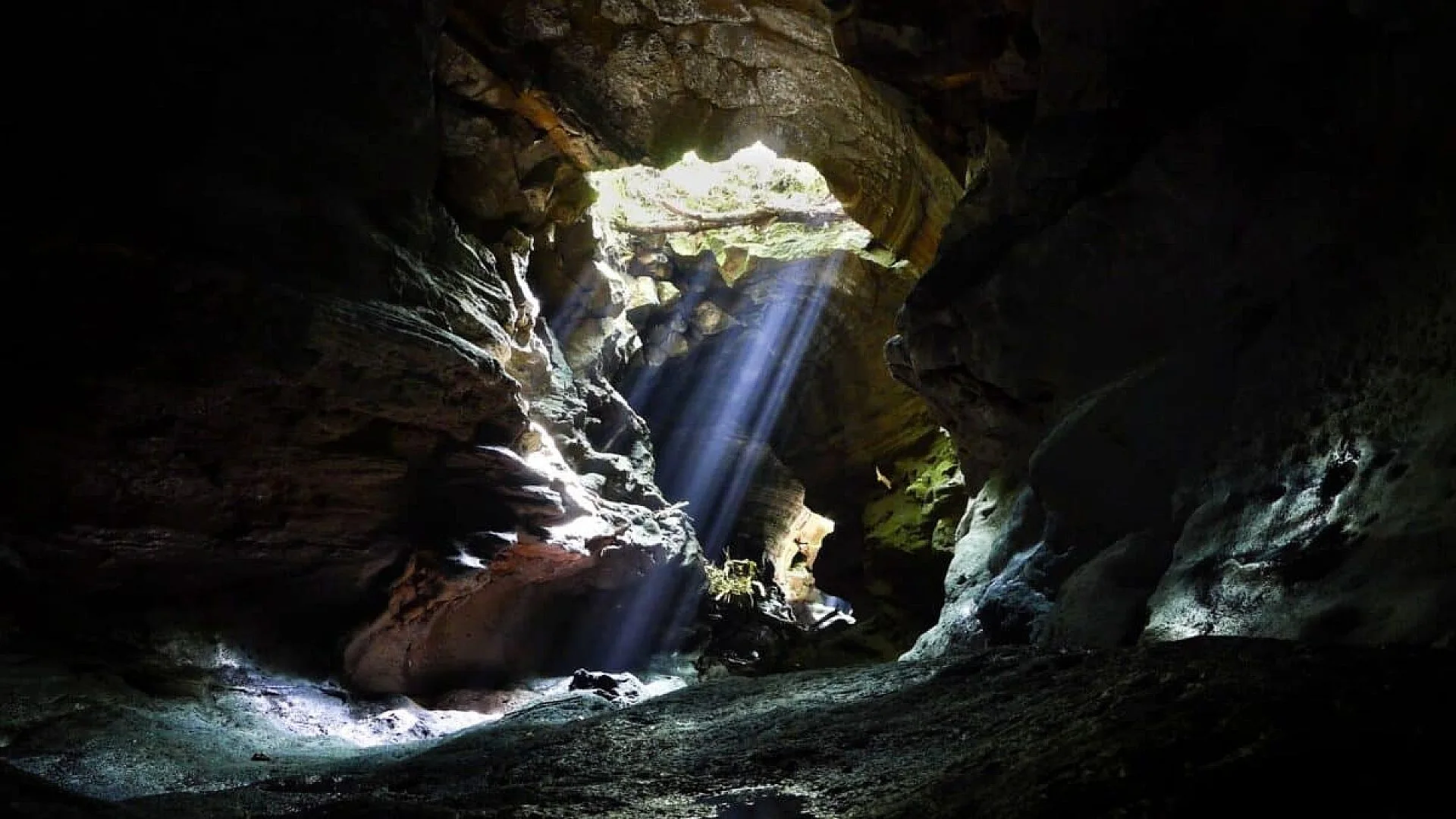
Researchers from Greece have documented a previously unknown species of cave‑dwelling cricket on the island of Kastellorizo. The insect, officially designated Dolichopoda balrogi, was uncovered at depths exceeding 25 metres and detailed in a recent peer‑reviewed study.
Kastellorizo, a compact Greek island positioned just off Turkey in the Levantine Basin, is celebrated for its craggy terrain, natural caverns, olive groves and pine‑crowned slopes. Though its land area totals only about 9 km², the island shelters a mosaic of subterranean niches, many of which remain poorly surveyed because of their inaccessibility.
The breakthrough occurred inside an artificial passage on Mount Vigla, where scientists encountered a group of crickets that did not match any known taxa. Subsequent morphological examinations and DNA sequencing confirmed the specimens represented a distinct species, prompting its formal entry into the scientific record.
Tolkien‑Inspired Naming Highlights the Depths of Discovery
The new taxon bears the epithet Dolichopoda balrogi, invoking the Balrog—a fearsome entity from J.R.R. Tolkien’s legendarium. The choice reflects more the setting of the find than the insect’s appearance, as explained by the researchers.
In Tolkien’s narratives, Balrogs awaken when miners tunnel too deep beneath mountains. The scientists drew a parallel, noting that their cricket emerged from a human‑made tunnel carved into the island’s limestone, echoing the mythic motif of hidden dangers below the surface.
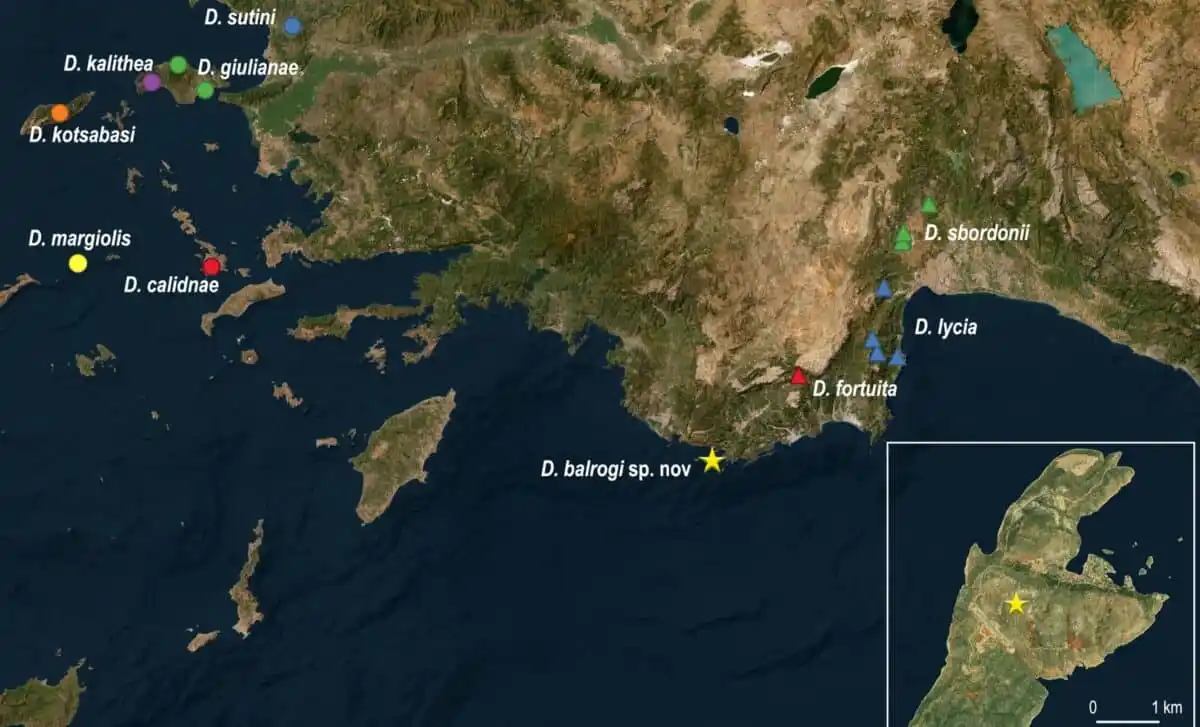
Specimens were observed clinging to the damp rock walls well beyond 25 metres beneath the ground. Despite the dramatic namesake, the cricket poses no threat to humans.
A Hidden Community Thrives Below the Surface
The investigation uncovered more than a solitary individual; multiple adults of both sexes and several juveniles were collected, indicating a self‑sustaining population inhabiting the tunnel.
Classified as a cave cricket, Dolichopoda balrogi displays adaptations typical of the Rhaphidophoridae family, which favors humid, dark environments. The insects measure roughly 16.2 mm in body length and exhibit no obvious sexual dimorphism.
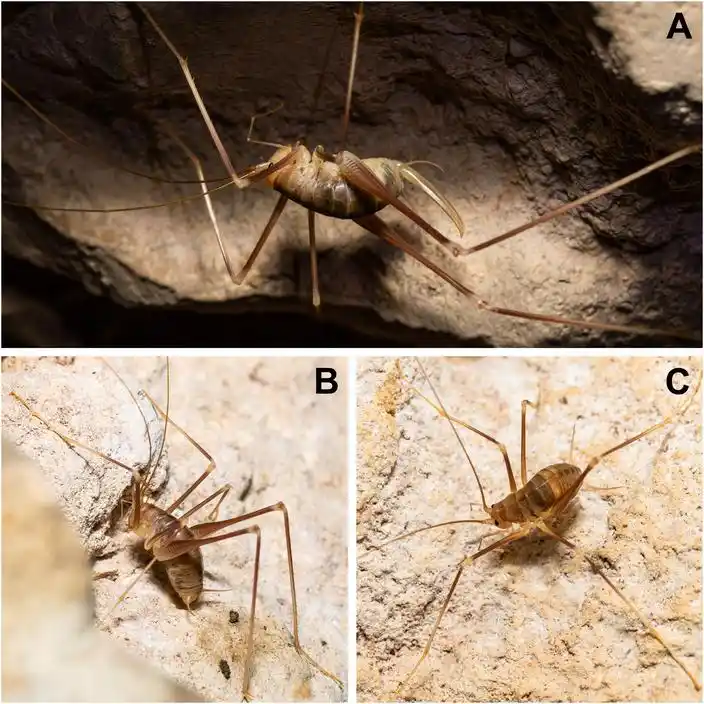
Field notes from October 17, 2025 record the capture of both mature and immature individuals, underscoring active reproduction within the subterranean niche.
Expanding the Mediterranean Cricket Checklist
The addition of Dolichopoda balrogi raises the known count of species in the genus from 67 to 68. Members of Dolichopoda populate the Mediterranean basin, Anatolia and portions of the Caucasus, frequently occupying isolated cave systems.
According to the authors, Greece—particularly its Aegean islands—represents a hotspot for the genus. The national tally of described species has nearly doubled in two decades, climbing from around 20 in 2008 to roughly 40 today.
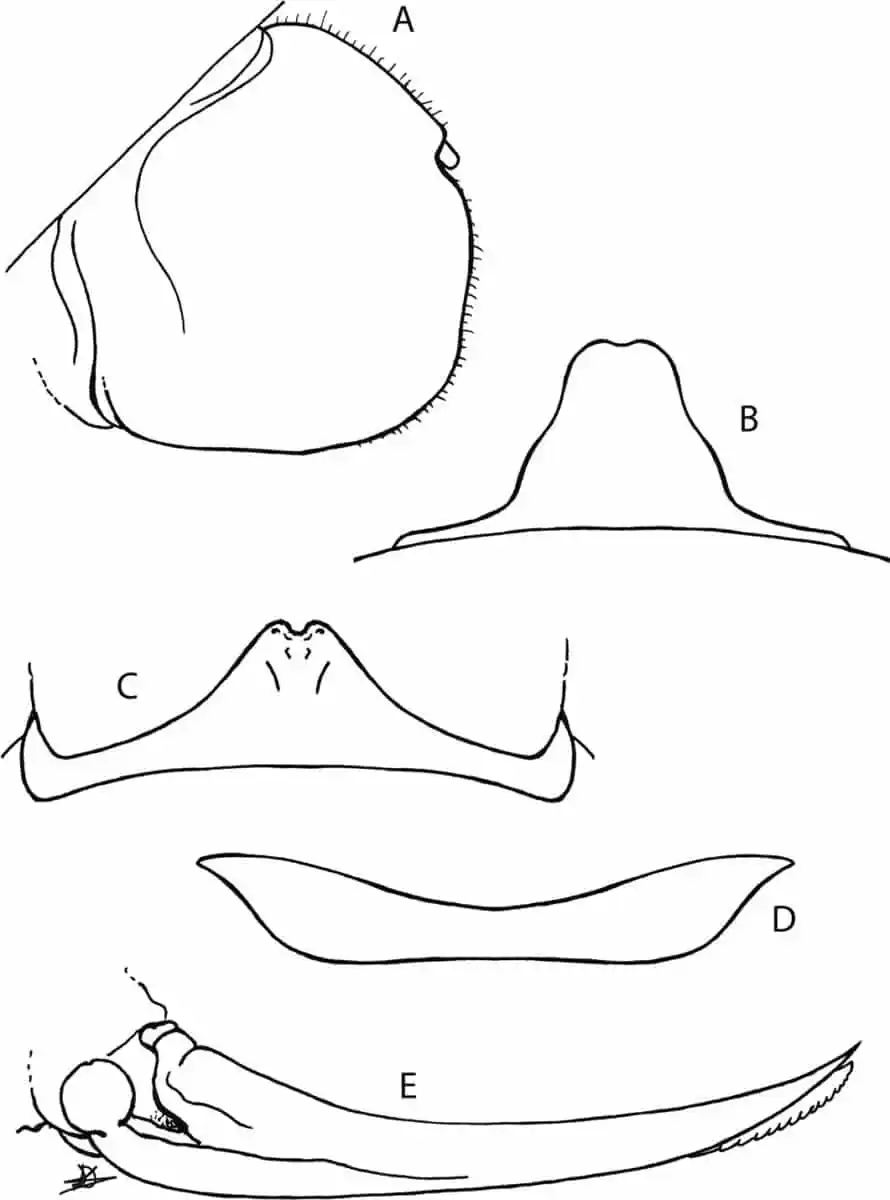
Kalaentzis and his team stress that the true extent of Dolichopoda balrogi distribution remains uncertain. They recommend further exploration of Kastellorizo’s cave networks to ascertain whether additional populations inhabit the island.
“These findings remind us that biodiversity discoveries are not limited to remote tropical forests or deep oceans. Even familiar landscapes and human-made structures can harbor species that have remained unnoticed,” said Konstantinos Kalaentzis, lead researcher.
This article has been fact checked for accuracy, with information verified against reputable sources. Learn more about us and our editorial process.
Last reviewed on .
Article history
- Latest version
Cite this page:
- Posted by Zara Tariq