Scientists Discovered an Island That Vanished Beneath the Ocean Millions of Years Ago, and It’s Contains Rare Earth Deposits
Lost tropical island discovered beneath the Atlantic seafloor
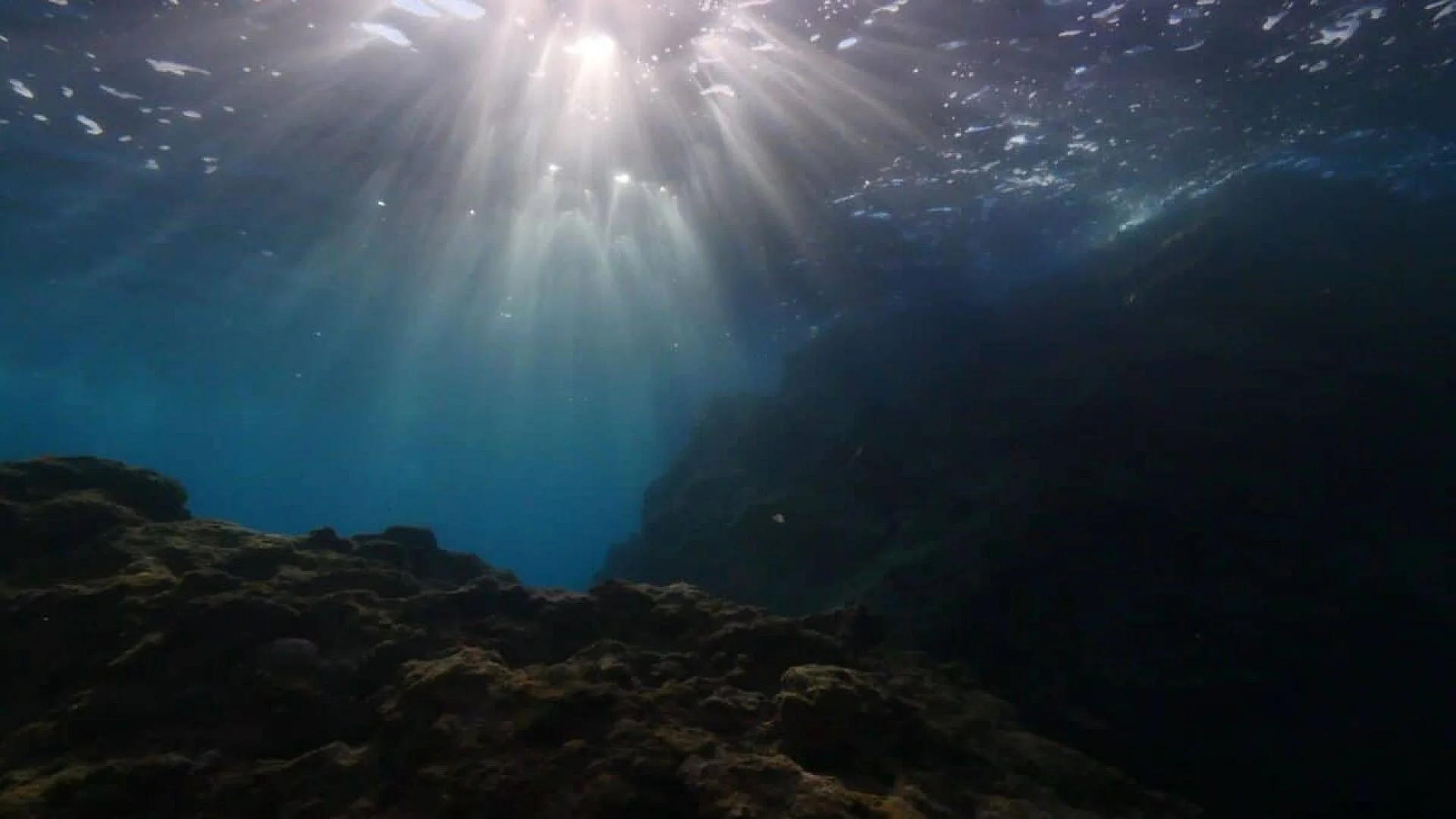
New analysis of rock cores from the Rio Grande Rise has revealed that a portion of this deep‑sea volcanic plateau once rose above the ocean surface as a tropical island during the Eocene, roughly 44‑47 million years ago. The finding rests on a suite of geochemical and mineralogical clues that point to prolonged exposure to warm, humid conditions.
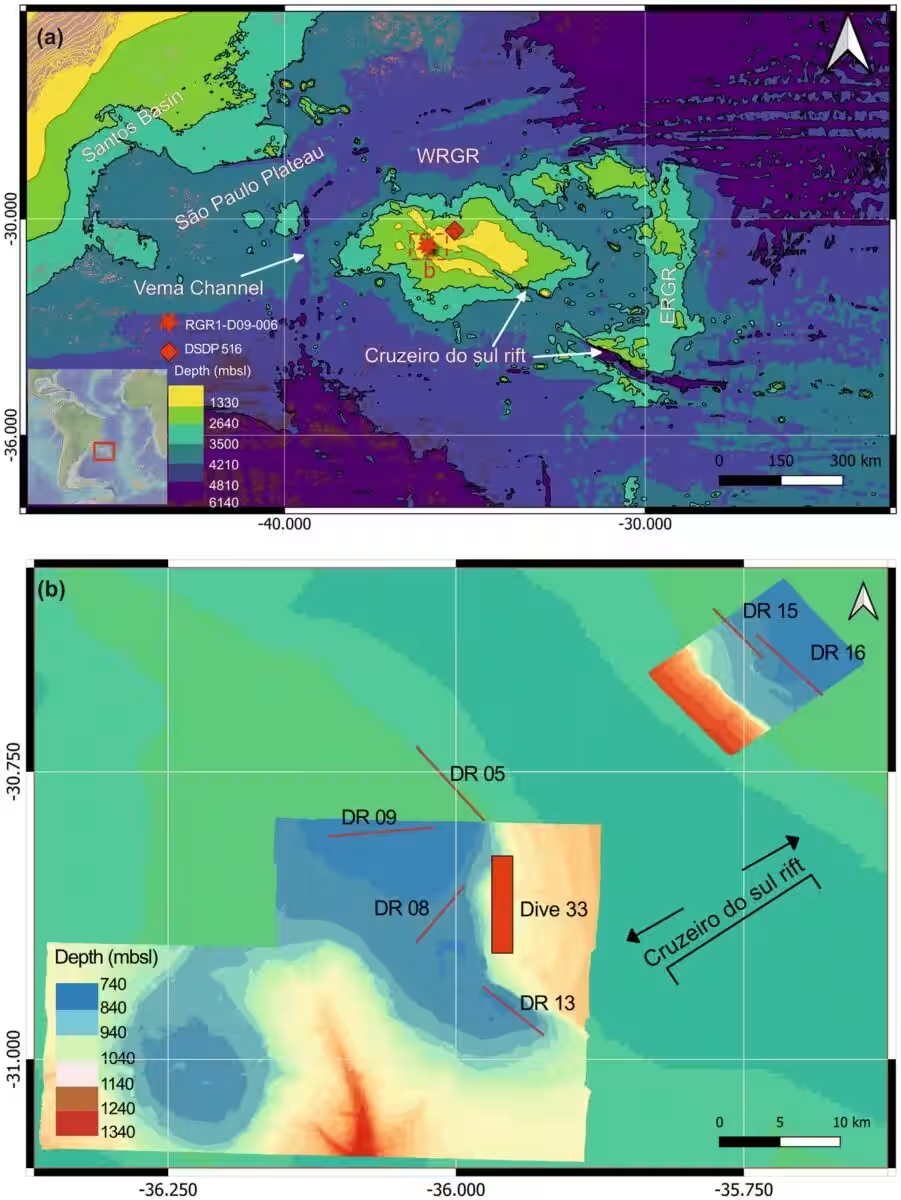
Located about 750 miles east of Brazil’s coastline, the Rio Grande Rise has been mapped for decades, yet its full geological story is still emerging. Researchers now argue that a segment of the rise was uplifted long enough to develop a weathered surface before it gradually subsided back into the South Atlantic.
The clue emerged in 2018 when a joint Brazilian‑British team examined drill cores taken from the western flank of the rise. Amidst the expected basaltic layers, the scientists encountered a striking layer of red clay that did not fit the typical seafloor profile.
Marine geologist Bramley Murton of the National Oceanographic Centre in Southampton remarked that such material is more characteristic of terrestrial soils than of deep‑sea sediments, noting, “You just don’t find red clay on the seabed.”
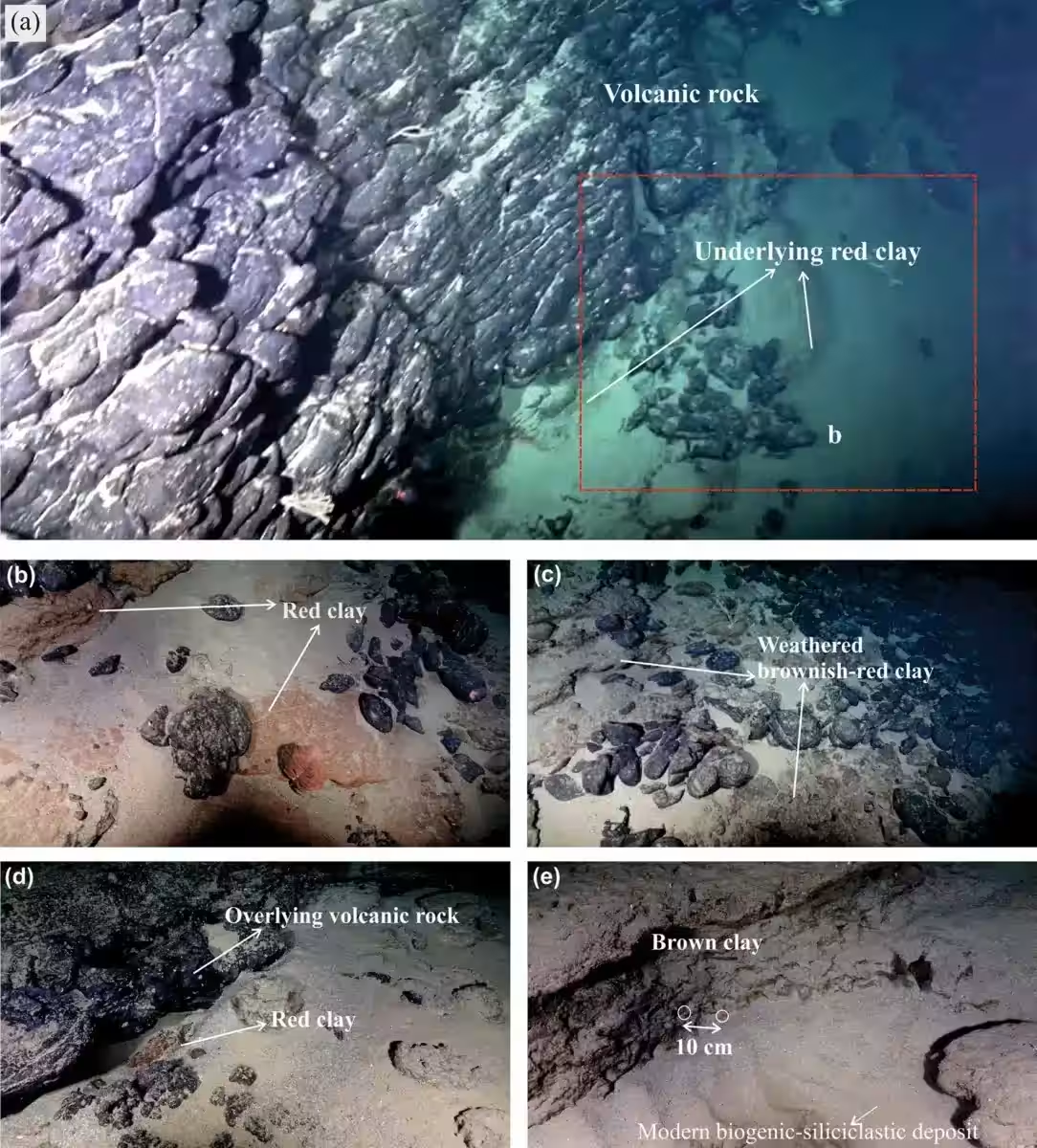
Subsequent laboratory work confirmed that the clay formed under atmospheric conditions, not beneath water. A 2023 article in Scientific Reports placed the emergence of this island in the early Eocene, a time when the Atlantic basin was still reshaping after the breakup of Gondwana.
Tropical Soil Signatures Confirm Island Past
Mineralogical analysis identified abundant kaolinite, hematite and goethite—minerals that typically develop in intensely weathered, wet environments. The composition mirrors the vivid “terra roxa” soils that blanket much of Brazil’s interior.
Co‑author Luigi Jovane, a marine geologist at the University of São Paulo, explained that the clay’s chemistry is indistinguishable from Brazil’s classic red earth, adding, “We are confident that they represent the in‑situ, weathered upper surfaces of the lavas.”
Further support comes from the Chemical Index of Alteration (CIA) measured at 93, a value that signals extensive chemical breakdown consistent with long‑term tropical exposure after volcanic activity ceased.
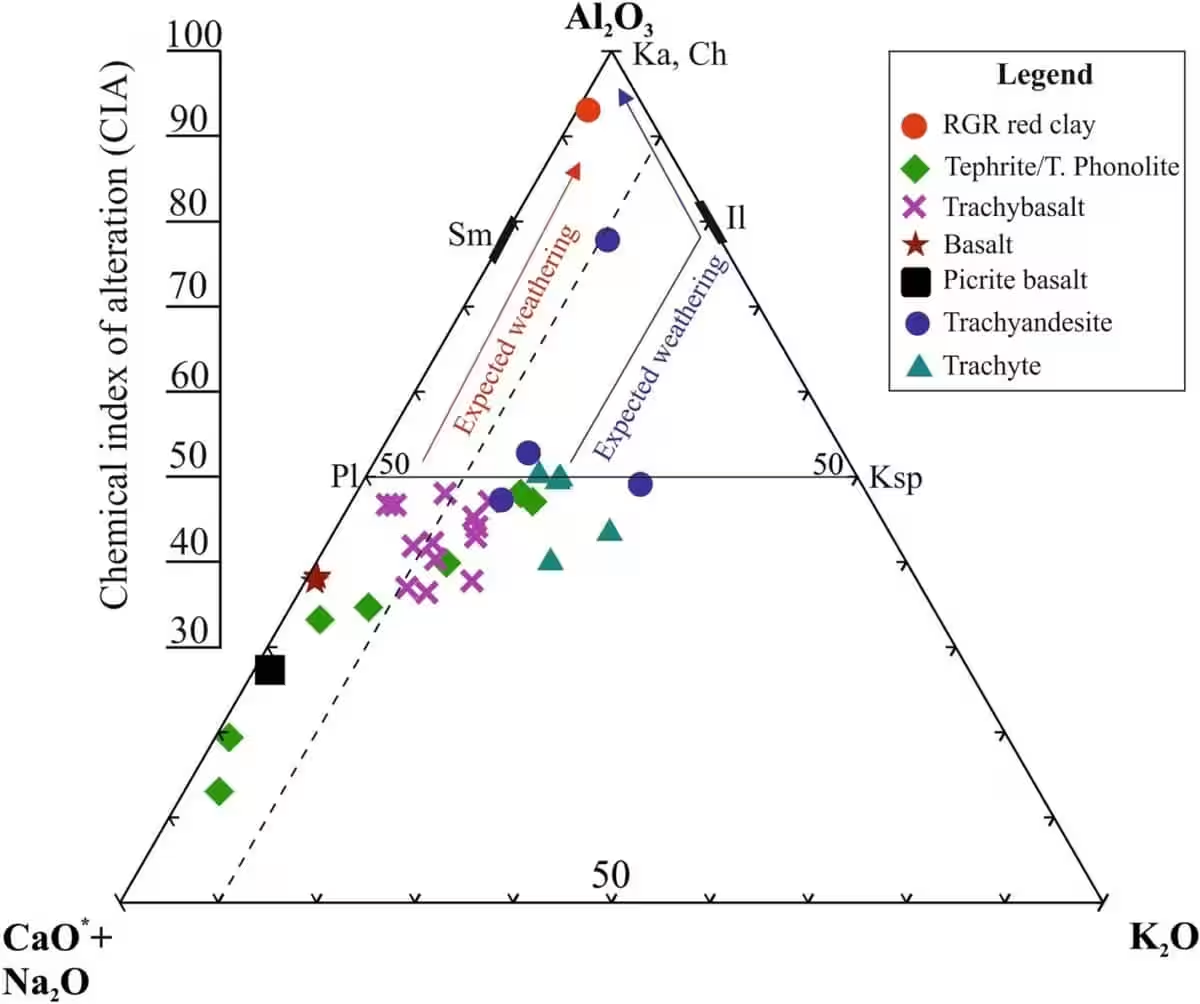
In comments to Scientific Reports, geochemist Priyeshu Srivastava emphasized that such red clays could only develop when the rise was exposed above sea level, reinforcing the notion of a now‑submerged island.
“The Rio Grande Rise and the continent have the same soil and climate,” pointed out Jovane. “In that sense there is a direct relationship between the two.”
Resource Potential of the Submerged Plateau
Beyond its paleogeographic intrigue, the rise hosts extensive ferromanganese crusts enriched with cobalt, nickel, lithium and a suite of rare‑earth elements such as yttrium. Yttrium underpins high‑performance alloys, superconductors, lasers, LED lighting and advanced optics, driving renewed interest in seabed deposits.
The presence of these mineral‑rich crusts, together with the newly documented island record, provides a unique window into the long‑term evolution of the South Atlantic basin and underscores the strategic importance of the Rio Grande Rise for future resource exploration.
This article has been fact checked for accuracy, with information verified against reputable sources. Learn more about us and our editorial process.
Last reviewed on .
Article history
- Latest version
Reference(s)
- “Prof. Bramley Murton | National Oceanography Centre.”, January 19, 2026 National Oceanography Centre <https://www.noc.ac.uk/n/Bramley%20Murton>.
- Srivastava, Priyeshu. “Red clays indicate sub-aerial exposure of the Rio Grande Rise during the Eocene volcanic episode - Scientific Reports.”, vol. 13, no. 1, November 4, 2023, pp. 19092 Nature, doi: 10.1038/s41598-023-46273-y. <https://www.nature.com/articles/s41598-023-46273-y>.
- <https://www.researchgate.net/profile/Luigi-Jovane>.
- “Dr. Priyeshu Srivastava | Indian Institute of Geomagnetism (IIG).” <https://iigm.res.in/content/dr-priyeshu-srivastava>.
Cite this page:
- Posted by Zara Tariq