If You Have Barbecue Ashes, You’re Holding a Hidden Treasure: How to Use Them Instead of Throwing Them Away
That ash in your fire pit holds hidden value, yet many gardeners discard it without a second thought.
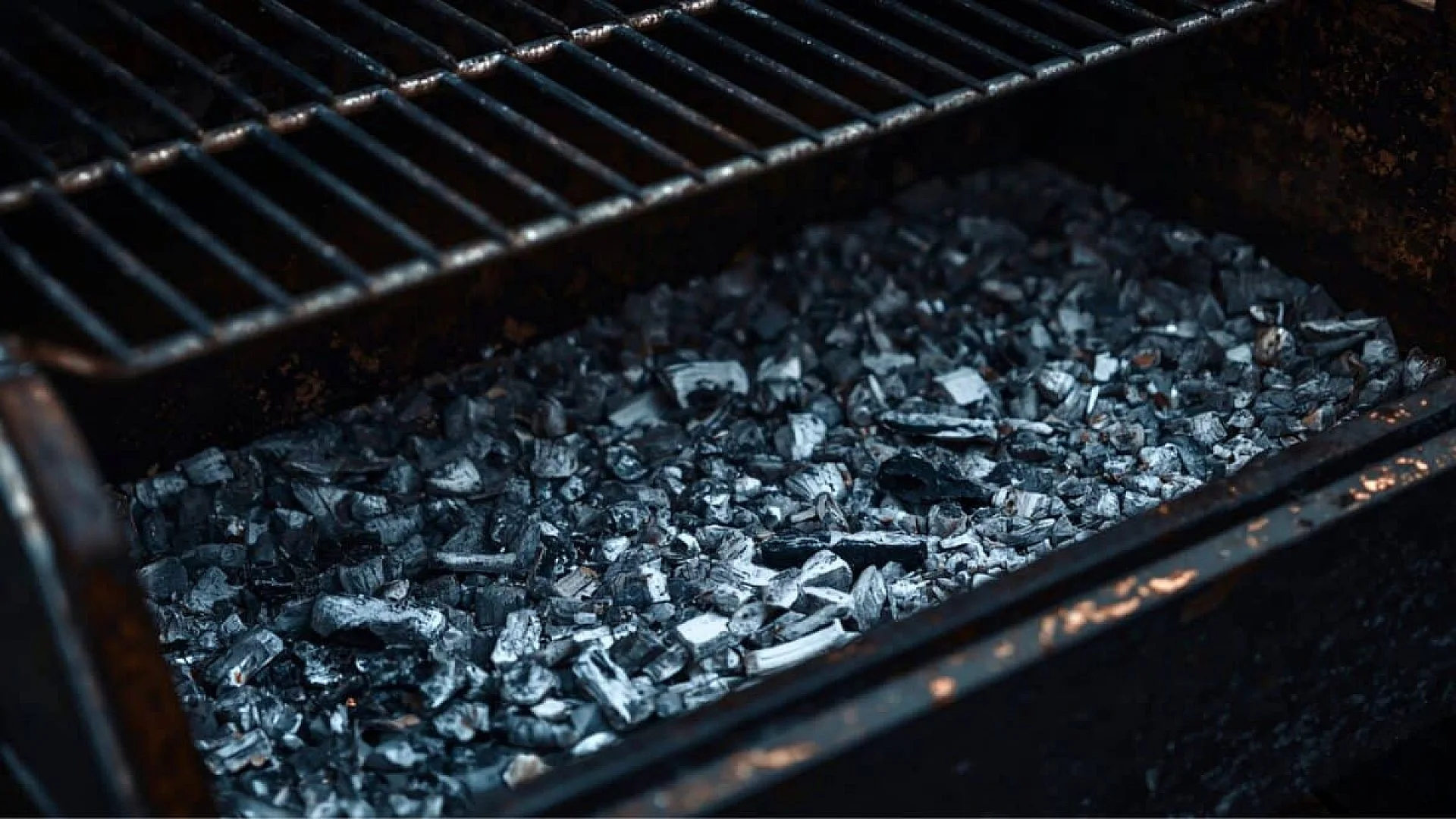
Don’t discard that ash from your backyard fire in the trash. Instead, use it to enrich your garden soil, suppress plant disease, and even replace store-bought lime at no cost. Each cord of firewood burned leaves behind approximately 20 pounds of ash, most of which ends up in landfills.
Wood ash is a nutrient-rich material containing calcium at concentrations above 20%, making it the dominant nutrient. Potassium, which drives flowering and fruit production in plants, is present at up to 5%. The ash also contains magnesium, phosphorus, sulfur, iron, zinc, and boron. When wood burns, nitrogen and sulfur escape as gas, but everything else stays behind in the ash.
One key distinction: hardwoods like oak and maple leave behind denser, more mineral-rich ash than softwoods. The younger and sappier the wood, the higher the potassium content in the resulting ash.
The Power of Wood Ash in Soil
When wood burns, it produces carbonates that react with acidic compounds in soil and raise the pH level. This effect mirrors agricultural lime, though at roughly half the neutralizing strength. According to the University of Wisconsin Extension, four cups of wood ash can replace one pound of agricultural lime. Unlike limestone, which can take six months or more to shift soil pH, wood ash is water-soluble and acts quickly.
This speed is part of its appeal, but it also demands more care. Limestone applied in excess takes time to damage soil, while wood ash can push pH in the wrong direction within a single season if used carelessly.
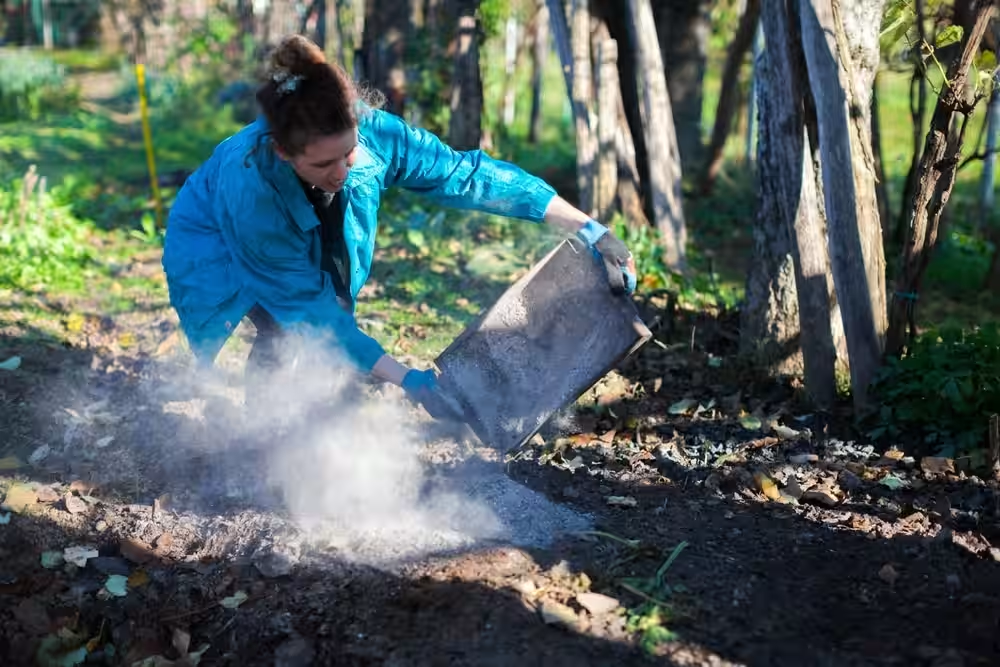
The Royal Horticultural Society points to one specific practical use: where club root keeps coming back in brassica beds, wood ash can raise soil pH toward 7.5, making conditions inhospitable for the pathogen that causes the disease. Club root deforms the roots of cabbages, Brussels sprouts, and kale, and it persists in soil for years. Raising pH is one of the few tools home gardeners have against it.
However, the potassium in wood ash dissolves in water. Rain strips most of it out before it reaches plant roots. Ash left outdoors in wet weather loses much of its value before it ever touches the soil.
Using Wood Ash Effectively
Linda Brewer of Oregon State University Extension advises that wood ash works best on acidic soils that are also low in potassium. A soil test before applying is the most reliable way to know whether your garden will actually benefit.
The University of Wisconsin Extension sets the annual limit at roughly 7 to 9 kilograms per 90 square meters. Spread it across garden beds in winter, work it into moist soil with a rake in early spring, and let the caustic compounds neutralize before seeds go in. Applying to dry soil on a windy day sends fine particles into the air and onto skin and eyes rather than into the ground.
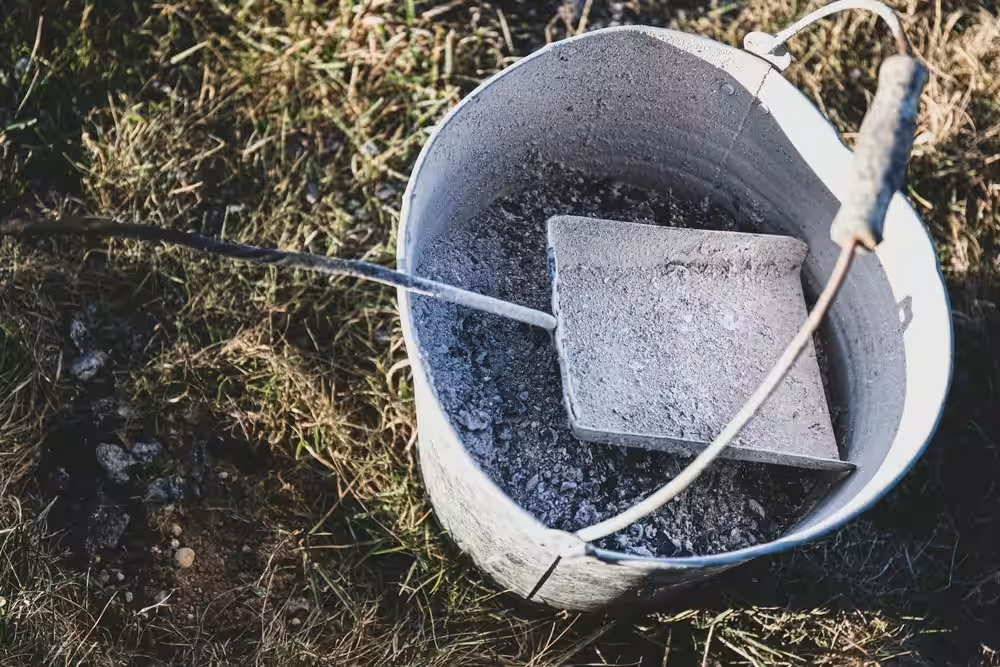
The RHS recommends a more precise rate for vegetable plots: 50 to 70 grams per square meter, forked in during late winter. For the compost heap, both sources agree on thin layers — no more than one ash layer per 15 centimeters of other material. Ash can also serve as a compost sweetener, cutting odor and preventing the pile from turning too acidic. Heavier additions risk spiking alkalinity to levels that slow decomposition and harm whatever the compost is eventually spread on.
Oregon State University Extension also cautions against leaving ash in concentrated piles, as the salts can leach directly into soil and damage plant roots.
Which Plants Can’t Tolerate Wood Ash
Wood ash is the wrong choice for any plant that needs acidic soil to thrive. The University of Wisconsin Extension names blueberries, azaleas, rhododendrons, birch trees, red maples, and pin oaks as species that will suffer rather than benefit. In these plants, rising pH triggers chlorosis, a condition where leaves turn yellow because the plant can no longer pull iron and other nutrients from the soil.
Potatoes belong on the avoid list too. Both the University of Wisconsin Extension and the RHS flag that alkaline soil encourages potato scab, a bacterial disease that roughens and disfigures the skin of the tuber.
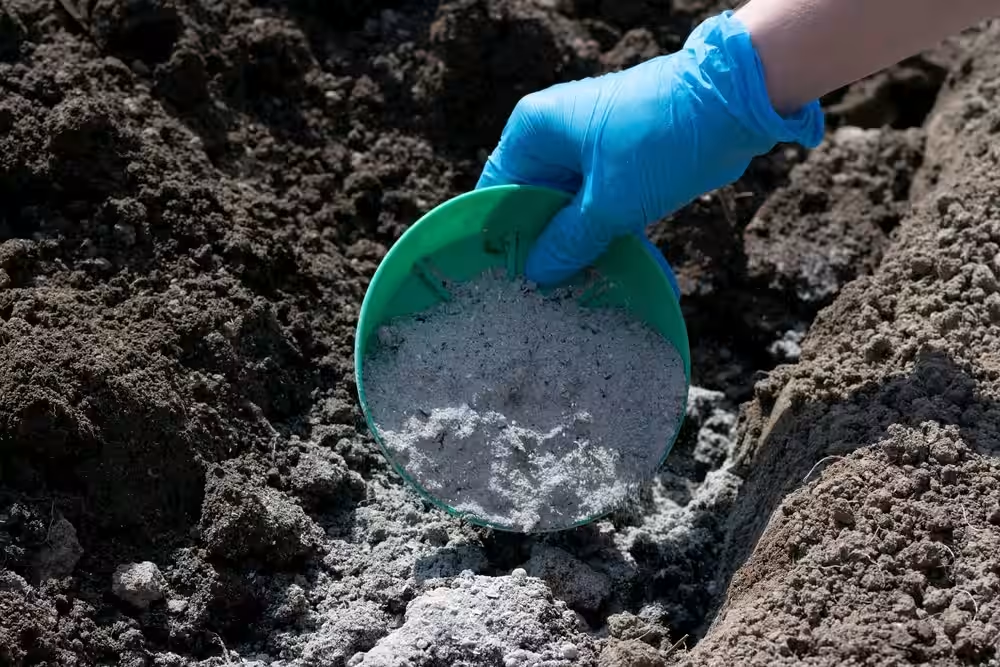
Potatoes are least susceptible to scab when soil pH stays between 5.0 and 5.2. Any bed earmarked for potatoes in spring should not receive wood ash. The same logic applies to most fruit crops, which perform best in slightly acidic ground.
Brewer also advises against applying wood ash at seeding time, since the salts it contains can burn tender seedling roots before they establish.
Not All Ash Belongs in the Garden
The source of the ash matters as much as how it is used. Only ash from natural, untreated timber should ever reach garden soil. Ash from painted wood, pressure-treated lumber, waste oil, plastics, or household garbage can carry heavy metals and toxic residues that accumulate in soil and transfer to edible crops.
The RHS draws a hard line at coal and anthracite: ash from those fuels has no nutritional value and poses a contamination risk. For barbecue ash specifically, lumpwood charcoal ash is safe to use the same way as wood ash. Ash from briquettes or composite fuels is not.
When handling any wood ash, wear gloves, long sleeves, eye protection, and a dust mask. The particles are fine and strongly alkaline. Direct contact irritates skin, eyes, and airways, in the same way household bleach or lye does. Gardeners applying wood ash year after year should test their soil pH annually to keep it below 7.5, the threshold at which nutrient availability begins to fall for most garden plants.
This article has been fact checked for accuracy, with information verified against reputable sources. Learn more about us and our editorial process.
Last reviewed on .
Article history
- Latest version
Cite this page:
- Posted by Zara Tariq