First Live Photos Reveal Elusive Ginkgo-Toothed Beaked Whale Linked to Mysterious BW43 Signal
Scientists finally solved a long‑standing deep‑sea mystery when a rare whale surfaced in 2024, revealing a hidden ocean signal.
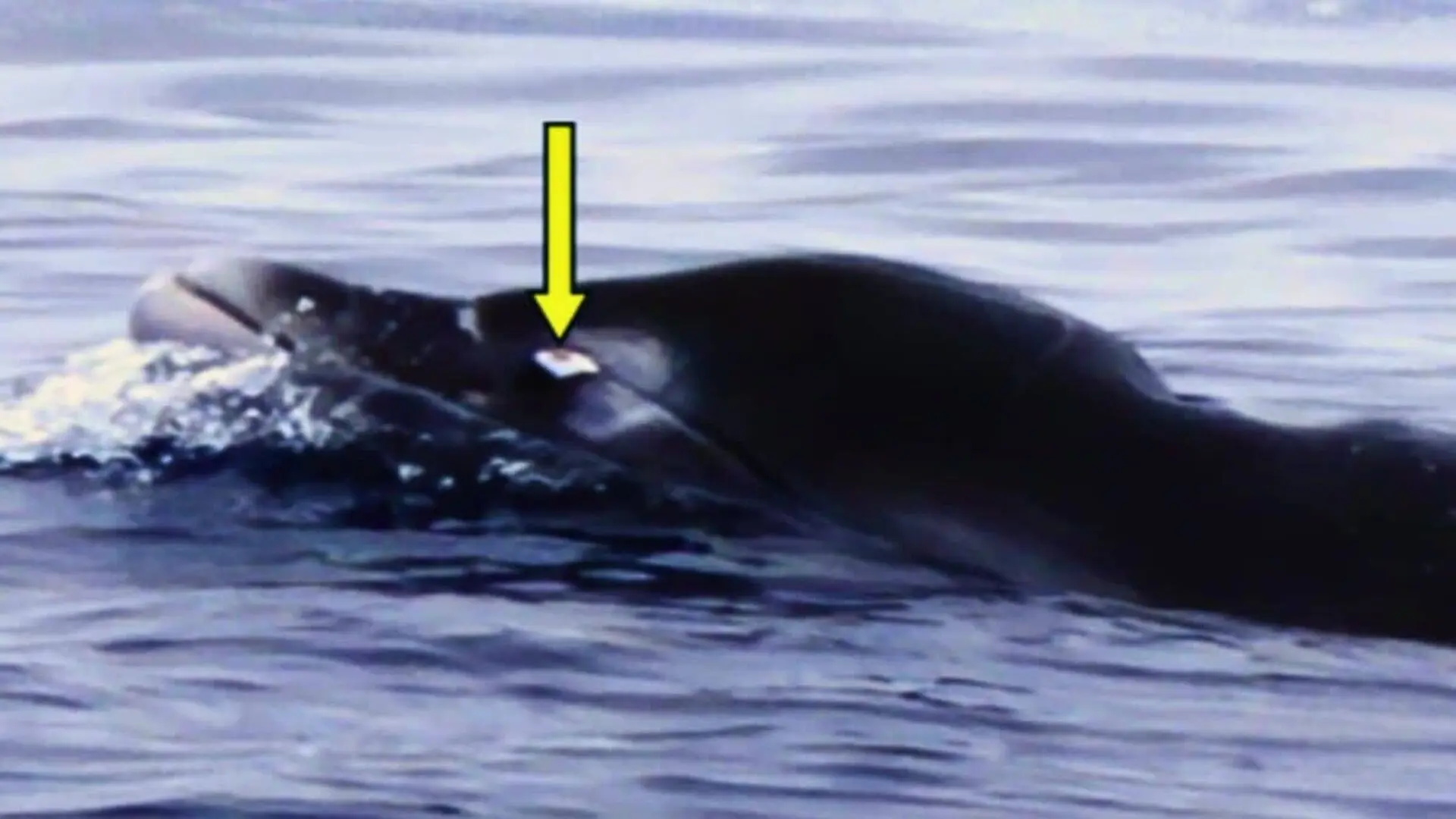
For more than ten years, hydrophone arrays picked up a distinctive click pattern in the deep waters off northern Baja California, Mexico. The signal, catalogued as BW43, showed a clear acoustic signature but its biological source remained unknown, leaving the source animal hidden beneath the surface.
In 2024 a research team from the U.S. Naval Information Warfare Center Pacific documented five groups of beaked whales in the same region, obtained a biopsy from a juvenile male, and through genetic testing identified the animal as Mesoplodon ginkgodens, the ginkgo‑toothed beaked whale. The results, published in Marine Mammal Science, represent the first confirmed live sighting and photograph of the species.
Beaked whales are among the most poorly known large mammals. Many species are known only from stranded carcasses, some have never been photographed alive, and their offshore, deep‑water habitats make routine visual observation extremely challenging.
Unidentified Echoes in the North Pacific
The BW43 label is part of a larger initiative to inventory unknown beaked‑whale echolocation calls across the North Pacific. A 2014 PLOS ONE analysis of nearly 11 years of autonomous recordings from 24 sites identified BW43 among several unexplained frequency‑modulated pulse types, with a concentration near the Southern California Bight and offshore Baja California. The study hypothesised a link to Perrin’s beaked whale—known from only five California strandings—but without tissue or visual confirmation the assignment remained speculative.
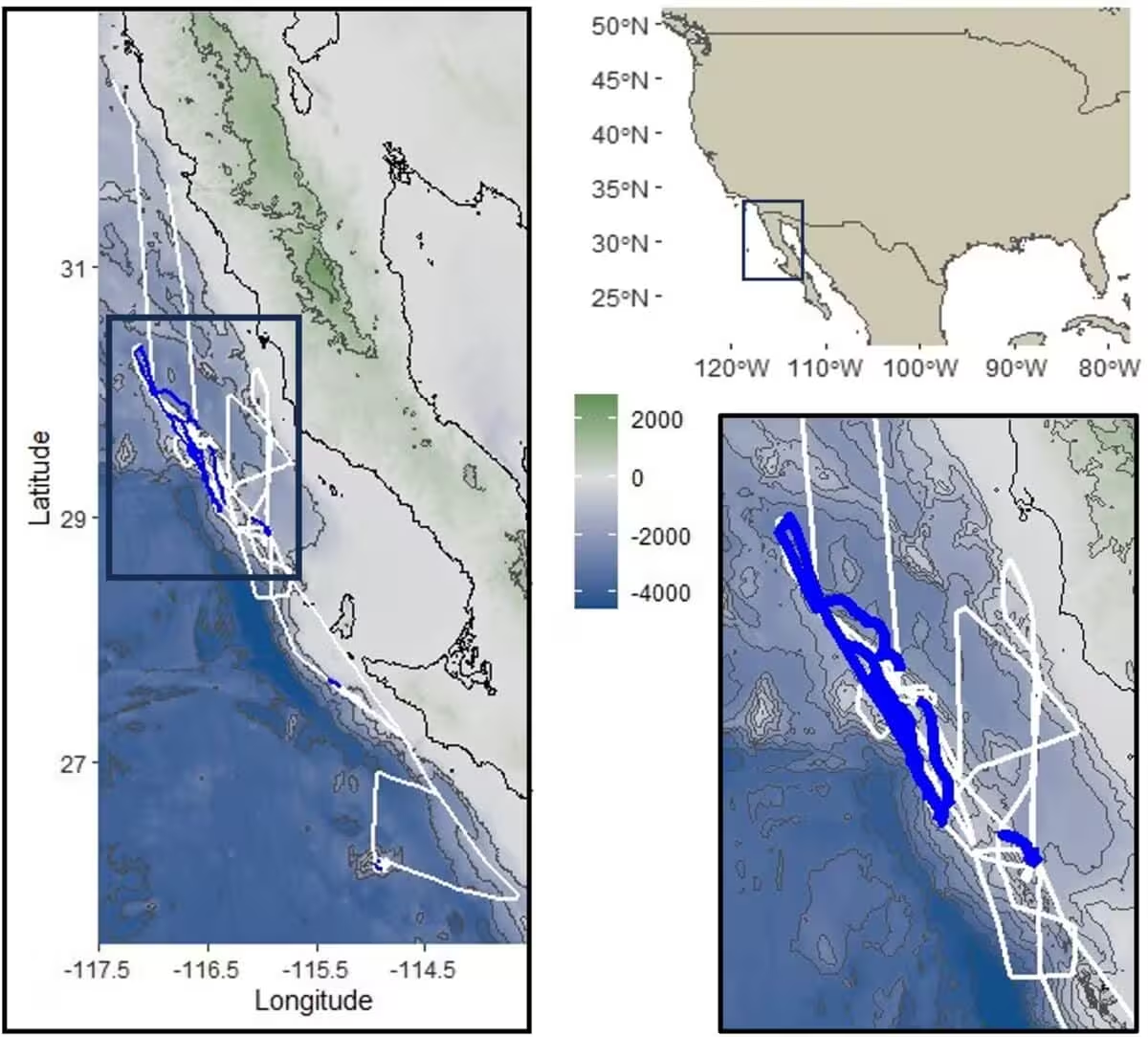
Without a genetic or photographic match to a living animal, the acoustic record offered little beyond a map of where BW43 appeared and a detailed description of its spectral properties. Researchers noted the signal’s persistent association with deep water along the continental slope, yet the species responsible remained unidentified.
Such uncertainty is common for the genus Mesoplodon. At least ten beaked‑whale species inhabit the North Pacific, and basic biological data for most are sparse. Prior records of the ginkgo‑toothed beaked whale came from strandings in Japan, Taiwan, California, and scattered locations across the Pacific and Indian Oceans, but no one had ever documented a live individual.
2024 Expedition Bridges the Knowledge Gap
The NIWC Pacific team revisited the same continental‑slope region off northern Baja California each summer, towing acoustic arrays and scanning the surface from elevated observation platforms. In 2024 the effort captured 21 BW43 detections and observed five beaked‑whale groups during the survey window.
A juvenile male approached within roughly 20 metres of the vessel, allowing researchers to retrieve a skin biopsy with a cross‑bow dart. Genetic analysis confirmed the sample as Mesoplodon ginkgodens, directly linking the species to the BW43 signal for the first time. Concurrently, environmental DNA (eDNA) collected from surrounding water matched the same species, providing independent verification.
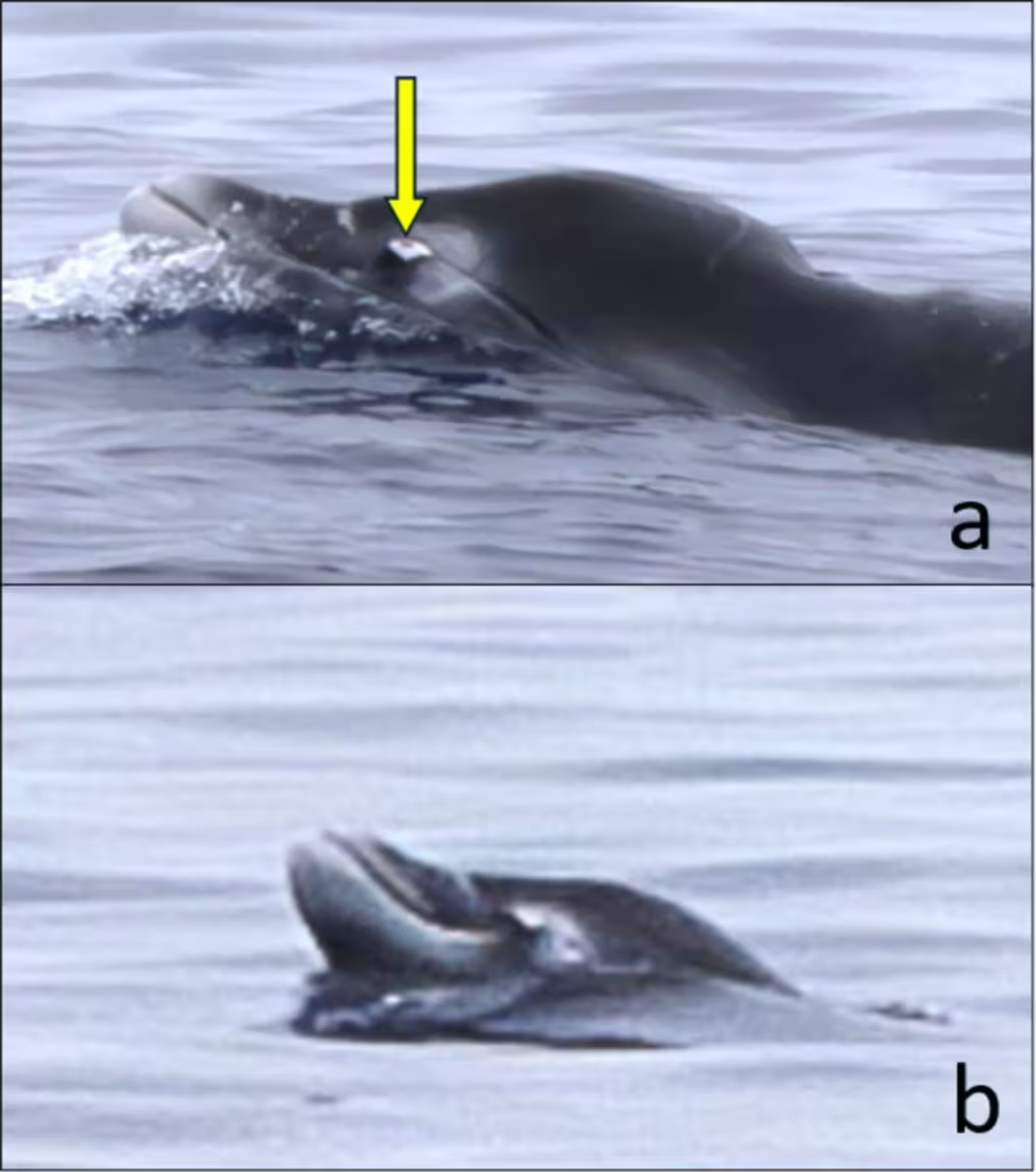
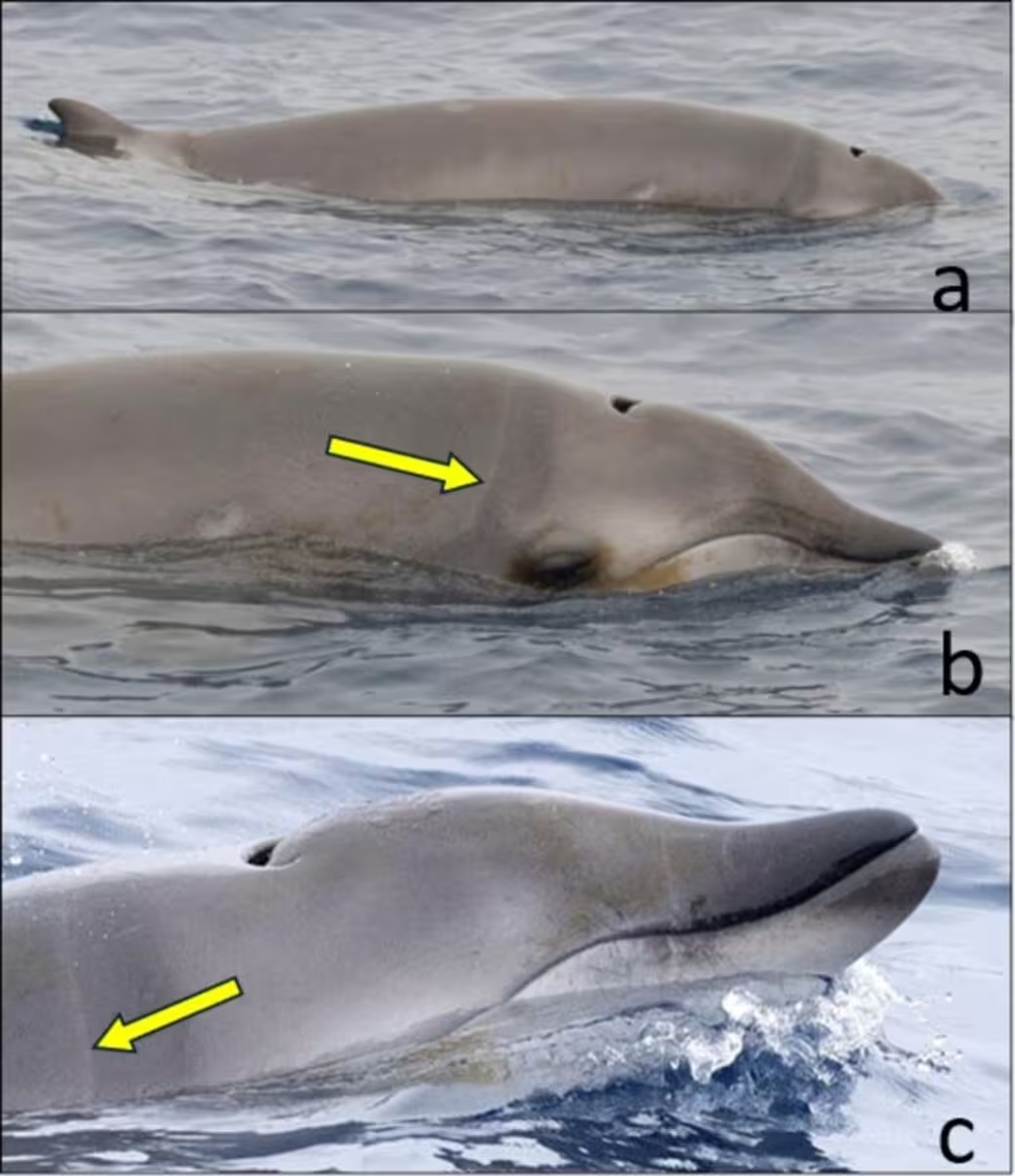
High‑resolution photographs captured pale facial markings, a dark eye patch, and early tusk eruption in the juvenile. Adult males displayed long white scars from intraspecific combat—where males clash with their leaf‑shaped teeth—as well as circular bite marks left by cookiecutter sharks. While any single line of evidence might have been inconclusive, the convergence of acoustic detection, visual documentation, a genetically verified biopsy, and matching eDNA established a definitive species identification.
The sightings occurred over seafloor depths ranging from 861 to 2,199 metres. Repeated detections across multiple seasons suggest the population may be resident to this deep‑water area rather than merely passing through.
Why Extreme Diving Keeps Them Elusive
The ginkgo‑toothed beaked whale, like other Mesoplodon species, forages at depths that place it well beyond routine observation. A 2006 study in the Journal of Experimental Biology reported related species regularly diving below 1,000 metres for nearly an hour, with maximum recorded depths of 1,885 metres—deeper and longer than any other air‑breathing marine animal documented at the time.
During most of each dive the whales engage in active echolocation, hunting prey in mesopelagic to bathypelagic zones and attempting roughly 30 captures per descent. Recovery intervals between deep dives average over an hour, limiting the time the animals spend at the surface.
This brief surfacing window explains why BW43 appeared so consistently in long‑term acoustic records while visual encounters were virtually nonexistent for more than a decade.
A New Acoustic Signature Enables Broad‑Scale Monitoring
Linking BW43 to M. ginkgodens transforms passive acoustic monitoring across the North Pacific. Existing hydrophone networks—whether seafloor‑mounted, vessel‑towed, or drifting—can now track the species by its confirmed echolocation pattern, even when the whales are too deep or distant for visual surveys.
The identification also carries implications for naval activities. Beaked whales are sensitive to mid‑frequency active sonar, and mass strandings have been recorded near military exercises. A 2014 review in Frontiers in Physiology highlighted how sonar exposure can alter diving behavior and raise nitrogen levels in whale tissues to harmful concentrations. With the ginkgo‑toothed beaked whale now acoustically traceable, its habitat can be flagged before exercises, allowing more precise mitigation.
The 2024 study also offers a template for solving other unidentified acoustic mysteries. A similar approach previously linked the BW37V signal to Hubbs’ beaked whale, as documented in the PLOS ONE North Pacific study. Ongoing work targeting signals such as BW29 could employ combined acoustic detection, biopsy sampling, and eDNA analysis to achieve comparable breakthroughs.
This article has been fact checked for accuracy, with information verified against reputable sources. Learn more about us and our editorial process.
Last reviewed on .
Article history
- Latest version
Reference(s)
- <https://www.niwcpacific.navy.mil/>.
- Henderson, E. Elizabeth., et al. “First At‐Sea Identifications of Ginkgo‐Toothed Beaked Whale (
Mesoplodon ginkgodens ): Acoustics, Genetics, and Biological Observations Off Baja California, México.” Marine Mammal Science, vol. 42, no. 1, July 28, 2025 Wiley, doi: 10.1111/mms.70052. <https://onlinelibrary.wiley.com/doi/full/10.1111/mms.70052>. - Baumann-Pickering, Simone. “Spatio-Temporal Patterns of Beaked Whale Echolocation Signals in the North Pacific.”, vol. 9, no. 1, pp. e86072, doi: 10.1371/journal.pone.0086072. <https://journals.plos.org/plosone/article?id=10.1371/journal.pone.0086072>.
- <https://journals.biologists.com/jeb/article/209/21/4238/16329/Extreme-diving-of-beaked-whales>.
- Fahlman, Andreas. “How man-made interference might cause gas bubble emboli in deep diving whales.” Frontiers in Physiology, vol. 5, January 28, 2014, pp. 66907 Frontiers, doi: 10.3389/fphys.2014.00013/full. <https://www.frontiersin.org/articles/10.3389/fphys.2014.00013/full>.
Cite this page:
- Posted by Elizabeth Taylor