Scientists Turn Mosquitoes Into Living Sensors That Reveal Hidden Wildlife
A new study shows mosquitoes can quietly collect DNA from dozens of animals, offering a surprisingly powerful way to monitor biodiversity and track elusive species in the wild.
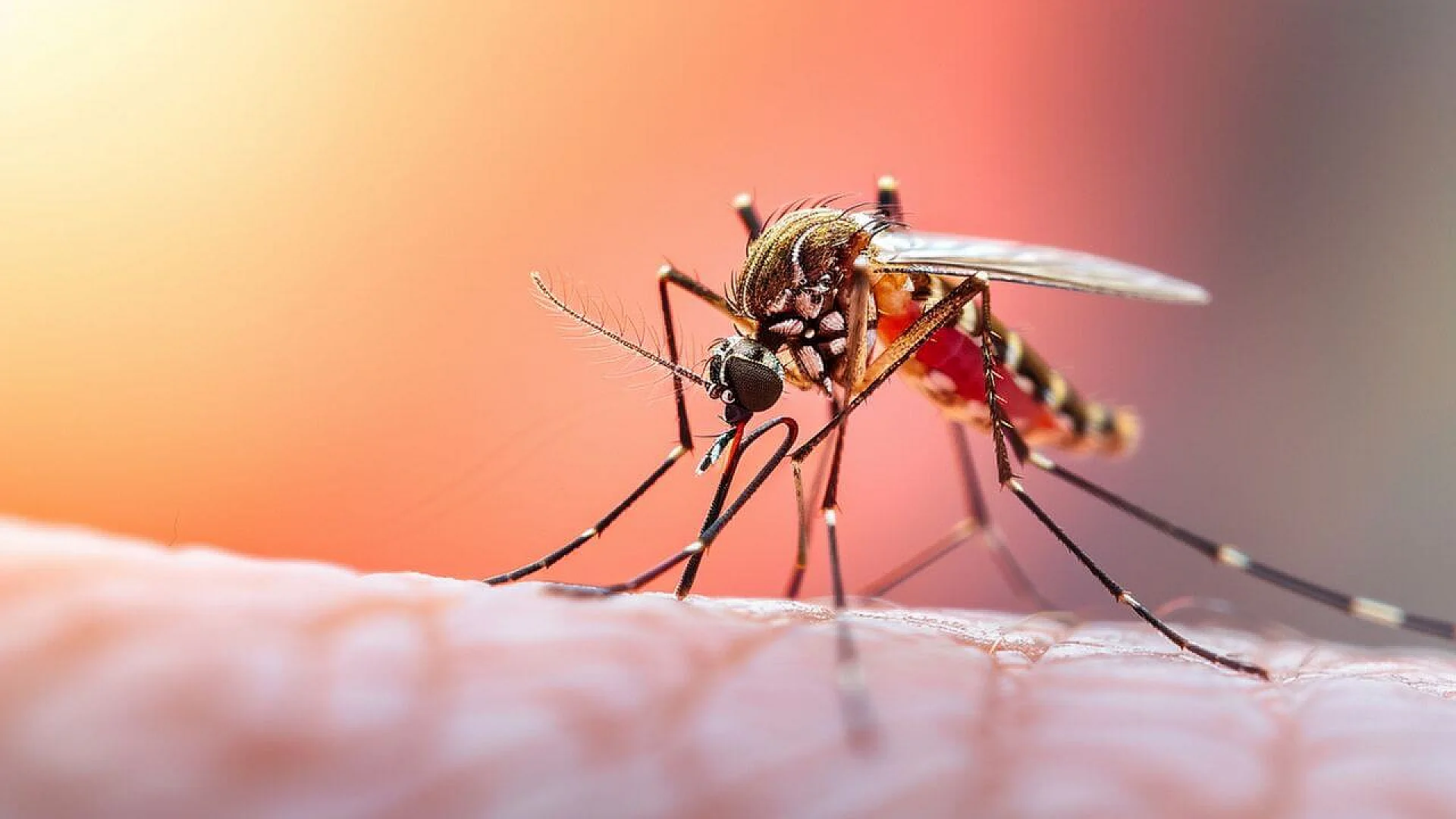
Most people swat mosquitoes without a second thought. They buzz, they bite, and they leave itchy reminders behind. But what if these tiny insects were doing something far more important while feeding?
According to new research, mosquitoes may be quietly sampling the wildlife around us, carrying genetic clues from animals that humans rarely see. By studying the DNA inside mosquito blood meals, scientists have uncovered a surprisingly detailed picture of local biodiversity.
The study, conducted in Florida and published in Scientific Reports, reveals that mosquitoes can function as living biological sensors. With minimal effort and cost, they can help scientists detect mammals, birds, reptiles, and amphibians that might otherwise go unnoticed.
At a time when ecosystems are changing rapidly and species are disappearing at alarming rates, this unconventional approach could reshape how scientists monitor life on Earth.
Why Tracking Wildlife Is Harder Than It Sounds
Understanding which species live in a given area is essential for conservation, land management, and ecological research. Yet accurately monitoring wildlife remains one of the biggest challenges in biology.
Many animals are nocturnal, secretive, or extremely rare. Others live in dense forests, wetlands, or underground habitats where human observation is difficult. Traditional survey methods such as visual counts, camera traps, and live trapping are expensive, time consuming, and often incomplete.
Even newer techniques like environmental DNA sampling, which detects genetic material in water or soil, have limitations. They may miss terrestrial species or fail to reveal which animals are actively using an area.
Scientists have long searched for a method that is affordable, scalable, and capable of capturing a broad snapshot of biodiversity. That search led researchers to an unlikely source.
How Mosquitoes Collect Wildlife DNA Without Trying
The Science Behind Invertebrate-Derived DNA
When a mosquito feeds on blood, it ingests genetic material from its host. That DNA remains inside the mosquito for a short period before being digested. Scientists can extract this DNA and compare it to reference databases to identify the species the mosquito fed on.
This technique is known as invertebrate-derived DNA, or iDNA. It has previously been explored using leeches and other blood-feeding organisms. Mosquitoes, however, offer a unique advantage because of their abundance, diversity, and widespread presence.
Inside the Florida Field Study
Researchers collected blood-fed mosquitoes from the DeLuca Preserve in central Florida over several months. Using specialized traps, they targeted mosquitoes that had already taken a meal, increasing the chances of detecting host DNA.
Each mosquito was identified by species. Scientists then analyzed the genetic material inside the blood meal using DNA barcoding techniques that match sequences to known vertebrates.
What they found exceeded expectations.
A Hidden Wildlife Census Revealed by Mosquitoes
Dozens of Species From a Single Method
From just over two thousand mosquito blood meals, the researchers identified 86 distinct vertebrate species. These included mammals, birds, reptiles, and amphibians, spanning more than twenty taxonomic orders.
Mosquitoes fed on common animals like deer and rodents, as well as migratory birds, secretive reptiles, and amphibians that are rarely observed directly. Some detected species are protected or declining, while others are invasive and of growing concern.
All of this biodiversity information came from one type of sampling effort, without cameras, traps, or direct observation.
Not All Mosquitoes Are Equal Detectives
The study also revealed that mosquito species differ in how useful they are for biodiversity monitoring. Some species fed on a wide range of animals and detected many vertebrate species. Others showed more selective feeding habits and contributed less information.
Understanding which mosquito species are present in an area and how they choose hosts is critical for using this method effectively. In some ecosystems, a few mosquito species may do most of the work.
Why This Discovery Matters for Conservation
A Low-Cost Tool With Global Potential
Mosquito trapping is inexpensive and widely used around the world for disease surveillance. By adding DNA analysis to existing programs, researchers could gather valuable biodiversity data with minimal additional cost.
This makes mosquito-based monitoring especially attractive for regions with limited resources, where traditional wildlife surveys are difficult to maintain.
Spotting Rare and Elusive Species
Because mosquitoes feed opportunistically, they can sample animals that humans rarely encounter. This includes nocturnal species, shy mammals, and animals that move through an area briefly.
The technique could help scientists detect endangered species before populations decline further, or identify invasive species early enough to intervene.
Complementing, Not Replacing, Other Methods
Researchers emphasize that mosquito iDNA should not replace traditional monitoring tools. Instead, it adds another layer of information, helping to fill gaps left by other methods.
Combined with camera traps, acoustic surveys, and environmental DNA, mosquito-based monitoring could provide a more complete picture of ecosystem health.
What Scientists Still Need to Figure Out
Like any new method, mosquito-based biodiversity monitoring has limitations. Not all animals are equally likely to be bitten by mosquitoes, which means some species may be underrepresented.
DNA quality can also vary depending on how recently a mosquito fed and how quickly samples are preserved. Environmental factors and seasonal changes influence mosquito behavior and availability.
Future studies will need to test this approach in different habitats, climates, and regions of the world. Researchers also hope to refine techniques to improve detection rates and reduce bias.
A New Role for One of Nature’s Most Hated Insects
Mosquitoes have spent centuries earning their bad reputation. Yet this research suggests they may also serve a surprising ecological purpose.
By acting as unwitting collectors of wildlife DNA, mosquitoes offer scientists a powerful new window into the natural world. They reveal animals that hide in shadows, move silently through forests, or pass unnoticed through fragile ecosystems.
In a time of rapid environmental change, creative tools like this could make the difference between losing species and protecting them.
Sometimes, the smallest creatures can tell the biggest stories about life on Earth.
The research was published in Scientific Reports on November 21, 2025.
This article has been fact checked for accuracy, with information verified against reputable sources. Learn more about us and our editorial process.
Last reviewed on .
Article history
- Latest version
Reference(s)
- Atsma, Hannah., et al. “Monitoring biodiversity and detection of diverse vertebrate species with mosquito blood meal analysis at the DeLuca Preserve, Florida, USA.” Scientific Reports, vol. 15, no. 1, 21 November 2025, doi: 10.1038/s41598-025-28062-x. <https://www.nature.com/articles/s41598-025-28062-x>.
Cite this page:
- Posted by Chetan Prem