Scientists Discover Bee Venom May Help Destroy Aggressive Breast Cancer Cells
Bee venom, best known for a painful sting, is now drawing attention for a very different reason, its key compound may rapidly kill certain hard to treat breast cancer cells and boost the effects of existing drugs.
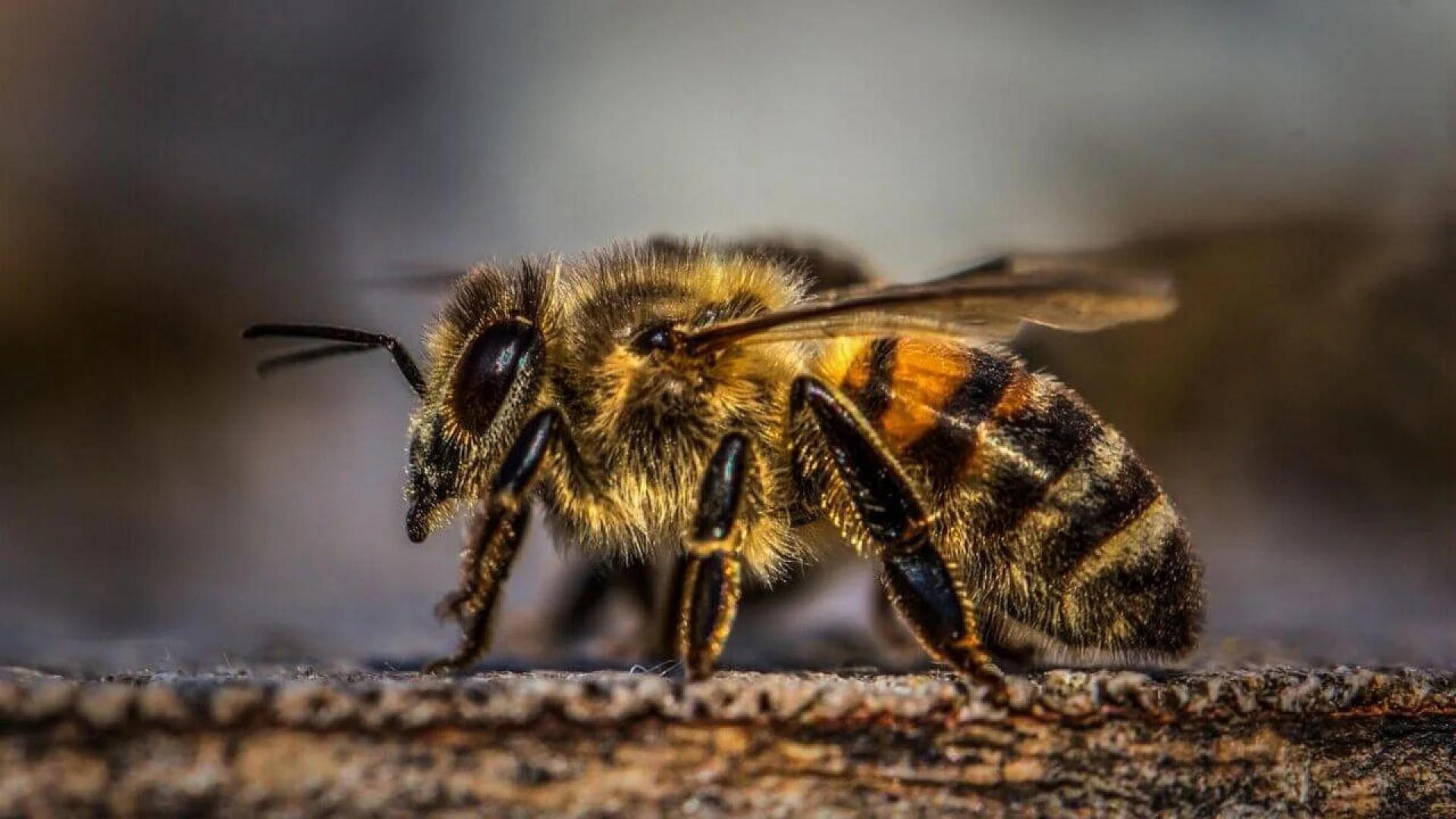
Most of us think of bee venom as a quick emergency: a sting, a welt, maybe a frantic search for an ice pack. But in labs around the world, scientists are looking at that same venom with a completely different mindset. What if a substance designed by nature for defense could be repurposed as a precision weapon against one of the most stubborn diseases humans face?
Breast cancer is not one single illness. It is a category of diseases with many subtypes, each behaving differently, responding differently to treatment, and posing different risks. Some are highly treatable. Others are aggressive, fast moving, and more likely to return after therapy. For patients and families, the big question is often painfully simple: what happens if standard treatments are not enough?
That is interest in bee venom comes in. Not as a folk remedy or a wellness trend, but as a source of molecules that may be able to damage cancer cells in ways that look distinct from many conventional drugs.
Breast Cancer Treatments Still Have Major Gaps
Modern breast cancer care has made enormous strides. Surgery, radiation, chemotherapy, hormone therapies, and targeted drugs have saved countless lives. Yet even with these tools, several challenges remain:
Some breast cancers are difficult to target
A major example is triple negative breast cancer, which lacks three common receptors that many therapies use as “handles” to latch onto tumor cells. Without those targets, treatment options can be fewer, and the disease can be more aggressive.
Side effects can limit treatment intensity
Chemotherapy and radiation can damage healthy tissue along with cancer cells. Even when treatment works, the cost in fatigue, nausea, pain, immune suppression, and long term health effects can be steep.
Resistance is a moving target
Cancer cells can evolve. A drug that works at first may become less effective as tumors adapt and find alternate biological pathways to survive.
So researchers keep searching for compounds that can either work in new ways, or help existing therapies work better with fewer harms.
Turning Bee Venom Into a Testable Anti Cancer Tool
Bee venom is not a single ingredient. It is a complex mixture of biologically active molecules, including peptides and enzymes. Scientists focus on isolating, measuring, and testing individual components, because a “natural” substance still needs precision dosing, clear mechanisms, and safety validation.
The star compound: melittin
One molecule gets the most attention: melittin, peptide that makes up a large fraction bee venom. Melittin is known for its ability to interact strongly with cell membranes. That matters because every cell, including a cancer cell, depends on its membrane like a protective skin that controls what gets in and out.
In research settings, scientists examine how melittin and whole bee venom affect:
- Cell survival (do cancer cells die, and how quickly?)
- Cell death pathways (do cells undergo apoptosis, a controlled self destruction process?)
- Cell movement and invasion (do treated cancer cells become less able to spread?)
- Key signaling systems (do growth and survival pathways get disrupted?)
- Potential synergy (does venom make chemotherapy work better?)
How the experiments generally work
To keep it simple, researchers often run studies in stages:
- Lab dish testing (in): Breast cancer cells are exposed to measured doses of venom or melittin. Scientists track viability, membrane damage, and molecular markers of cell death.
- Animal models (in vivo): If results look promising, researchers test whether similar effects appear in living systems, where immune responses, metabolism, and tissue barriers matter.
The goal is not to jump straight to “bee stings as medicine.” It is to see whether a venom derived molecule can be engineered into a safe, controllable therapy.
Bee Venom Can Rapidly Damage Certain Breast Cancer Cells
Across multiple investigations, one headline finding stands out: bee venom, and especially melittin, can kill certain breast cancer cells efficiently in experimental conditions.
1. A membrane attack that cancer cells struggle to
Many cancer therapies work by interfering with DNA replication or cell division. Melittin appears to do something more direct: it can disrupt the outer membrane of cells.
A helpful analogy is thinking of a cell like a water balloon. Some drugs try to stop the balloon from refilling. Melittin, in contrast, may act more like a pin that compromises the balloon’s surface, causing catastrophic failure.
This membrane disruption can lead to rapid loss of cellular integrity and kick off internal stress cascades that end in cell death.
2. Triggering apoptosis, the cell’s self destruct program
Researchers also report signals consistent with apoptosis, the body’s way of dismantling cells that are damaged or dangerous. In cancer, apoptosis is often broken or suppressed, allowing malignant cells to survive when they should not.
Compounds in bee venom have been associated with reactivating parts of this process in breast cancer cells, which is significant because apoptosis is generally a cleaner form of cell death than uncontrolled rupture and inflammation.
3. Interfering with growth signals linked to aggressive tumors
Aggressive cancers often rely on powerful growth pathways to keep dividing. In experimental research, bee venom components have been observed to disrupt key signaling systems involved in survival and proliferation.
While the exact pathways vary by study design and cell type, the overall theme is consistent: venom derived compounds may not only kill cells, but also reduce the activity of systems tumors use to grow and resist treatment.
4. Potential to work alongside chemotherapy
Another major finding is the possibility of synergy. Some experiments suggest bee venom components can make cancer cells more sensitive to standard chemotherapy drugsIf that effect holds up, it could matter in two ways:
- Better results at the same chemotherapy dose
- Similar results with lower chemotherapy doses, potentially reducing side effects
This is still early stage, but it is one of the most clinically meaningful angles, because combination therapy is often how cancer treatment improves in real life.
Why It Matters: A Natural Compound With a Very Unnatural Advantage
It is tempting to treat “natural” as automatically gentle, but that is not what makes bee venom exciting. Bee venom is exciting because it is biologically intense. It evolved to cause rapid, strong effects in living tissue. That same intensity, if harnessed safely, could become an advantage against cancer.
A possible path toward new targeted therapies
The future vision here is not crude venom injections. The more realistic direction is:
- isolating melittin or related peptides
- modifying them to reduce unwanted toxicity
- packaging them in targeted delivery systems (for example, nanoparticles or tumor seeking carriers)
- directing them toward cancer tissue while sparing healthy cells
Hope for difficult subtypes
Some of the strongest interest centers on breast cancers that lack common drug targets. If a therapy works through membranes and basic cell survival machinery, it might sidestep some of the limitations of receptor based drugs.
A new tool in the broader anti cancer toolbox
Even if melittin never becomes a stand alone treatment, it could still be valuable if it:
- enhances current therapies
- lowers resistance
- reduces recurrence risk when combined with other approaches
In oncology, progress is often incremental, and combination strategies are frequently where breakthroughs become practical.
Why You Should Not Think of as a Ready Made Cure
This is where responsible science communication really matters. Early findings can be real and still be far from clinical care.
1. Bee venom can cause severe allergic reactions
Bee venom is a well known trigger of anaphylaxis, a life threatening allergic response in some people. Any therapy derived from venom must address this risk with extreme seriousness.
2. Killing cancer cells is not the same as curing cancer
Lab dish results are a necessary first step, but they do not automatically translate into human benefit. In the human body, a compound must:
- reach the tumor in effective concentrations
- avoid being broken down too quickly
- avoid harming healthy organs
- behave predictably across diverse patients
3. Delivery is the central engineering challenge
Melittin’s membrane disrupting power is a double edged sword. It could harm healthy cells if it circulates freely. A major next step is developing delivery methods that keep it “inactive” until it reaches tumor tissue, or that concentrate it where it is needed.
4. Dosage and safety windows must be defined
A useful cancer drug needs a clear therapeutic window, meaning a dose that harms tumors more than it harms the patient. Determining that window requires careful preclinical toxicology and, eventually, phased human trials.
What Comes Next: The Research Roadmap
Based on how drug development typically proceeds, the next steps likely include:
- More comparative testing across breast cancer subtypes
- Researchers need to confirm which tumors respond best and why.
- Refined formulations
- Work on carriers and targeted systems that reduce off target membrane damage.
- Combination trials in models
- Determining which existing drugs pair best with venom derived compounds.
- Safety studies
- Detailed toxicology, immune response profiling, and allergy related risk management.
- Human clinical trials
- Only after safety and delivery are convincingly addressed.
Conclusion: Bee Venom Is Not a Home Remedy, but It Might Inspire a Future Drug
The most important takeaway is not that people should seek bee venom on their own. They should not. The takeaway is that modern cancer research is increasingly willing to look beyond traditional chemical libraries and into nature’s own arsenal for molecules with powerful biological effects.
Bee venom, especially melittin, appears to have a striking ability to damage certain breast cancer cells and disrupt the signals that help tumors survive. That does not mean a cure is around the corner. It means scientists have found a compelling lead, and leads are how future medicines begin.
If researchers can solve the hard parts, safe delivery, consistent dosing, and allergy risk, the sting that once sent us running might someday help medicine stand its ground against aggressive breast cancer.
The review was published in Cureus on February 25, 2024.
This article has been fact checked for accuracy, with information verified against reputable sources. Learn more about us and our editorial process.
Last reviewed on .
Article history
- Latest version
- Last updated by Dayyal Dungrela, MLT, BSc, BS
Reference(s)
- Bindlish, Aabhas., et al. “Bee Sting Venom as a Viable Therapy for Breast Cancer: A Review Article.” Cureus, vol. 16, no. 2, 25 February 2024, doi: 10.7759/cureus.54855. <https://www.cureus.com/articles/181839-bee-sting-venom-as-a-viable-therapy-for-breast-cancer-a-review-article>.
Cite this page:
- Posted by Nida Hayat Khan