Century-Old WWI Submarine Leaks TNT, Yet Microbes Are Turning the Poison Into Cleaner Water
Scientists discover resilient life thriving in TNT‑contaminated sediment from a century‑old WWI submarine still leaking explosives into the North Sea.
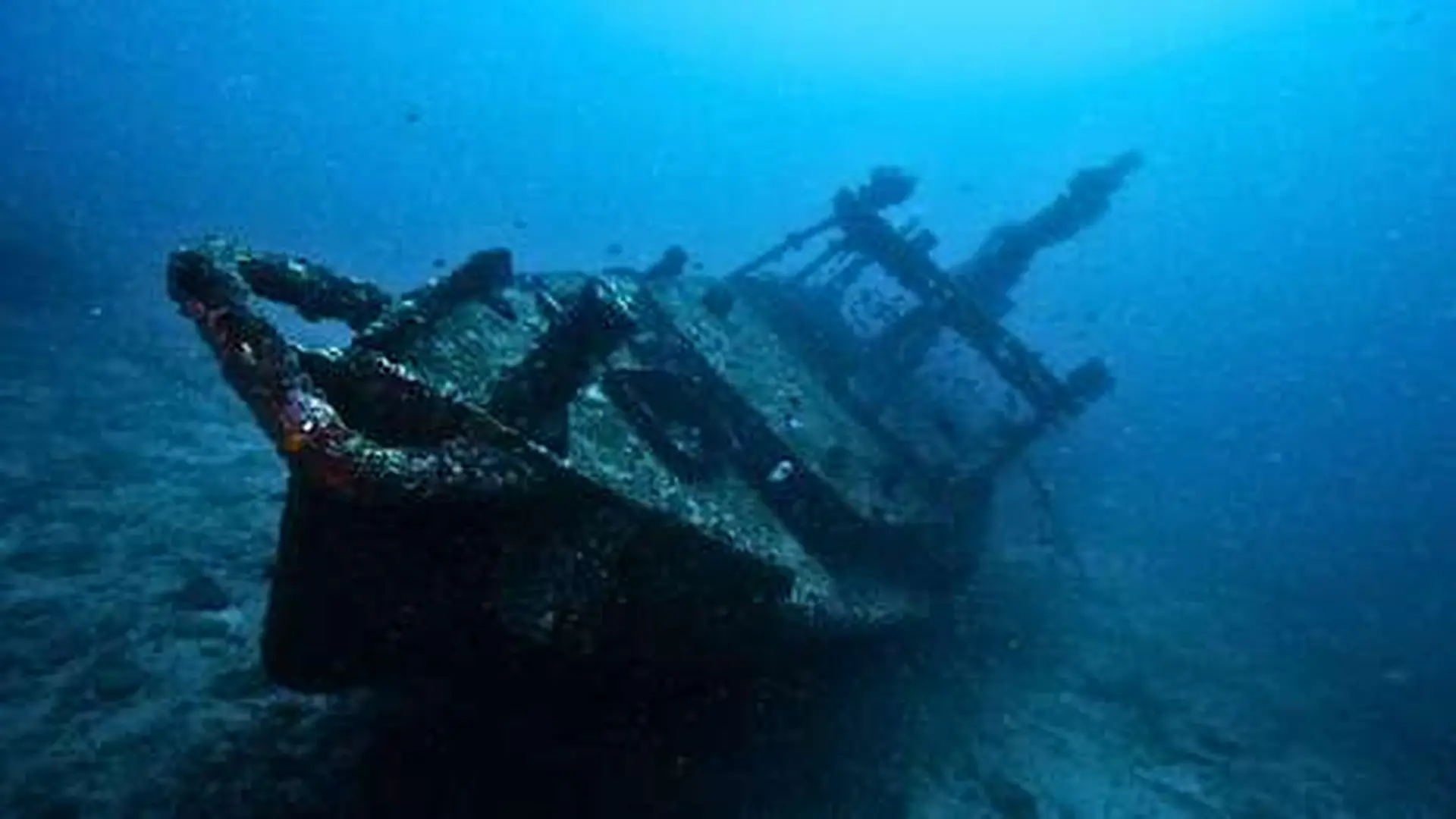
Beneath the waves lies a largely unexplored archive of wartime debris, with estimates indicating roughly three million shipwrecks scattered across the globe. A fraction of these—about 15,000—originated from the First and Second World Wars, and many continue to discharge hazardous substances into surrounding ecosystems. In U.S. waters alone, 87 wrecks are flagged as “potentially polluting,” underscoring the lingering environmental legacy of historic naval combat.
The Sunken Submarine UC‑30: A Century‑Old TNT Source
Commissioned in August 1916, the German mine‑laying vessel UC‑30 met its fate in April 1917 after colliding with a British defensive mine near Horns Reef, west of Jutland. The vessel sank with its crew of 27 and a cargo of 18 sea mines still loaded with TNT (2,4,6‑trinitrotoluene). Resting 66 nautical miles west of Nymindegab, Denmark, on a shallow, glacial‑derived sand reef, the wreck’s hull has been gradually eroded by saltwater for more than a hundred years, allowing the explosive to seep steadily into the seabed.
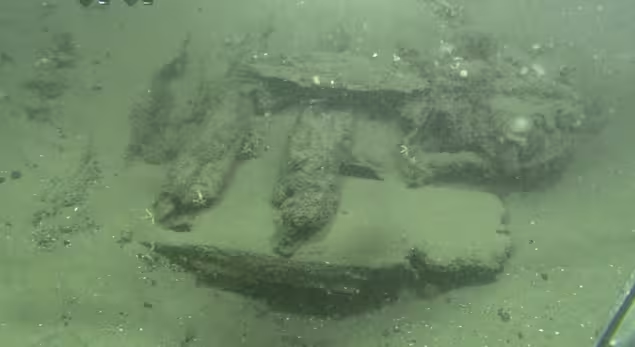
The submarine’s design features six vertical mine‑well shafts within the pressure hull, each originally housing three mines. These shafts have largely remained intact, creating a concentrated point of TNT contamination that can be examined with exceptional spatial precision—an opportunity rarely available in natural settings.
Researchers fear that progressive corrosion could eventually breach the hull, unleashing a sizable burst of explosive material into the water column. Meanwhile, the slow release from the mine‑wells has been subtly reshaping the microbial ecosystem in the adjacent sediment, a process this new investigation set out to characterize.
Mapping Microbial Life Around the Wreck
The project was coordinated by Kankana Kundu of the Royal Belgian Institute of Natural Sciences and Ghent University’s Center for Microbial Ecology and Technology, with partners from the Flanders Marine Institute, Aarhus University, and the University Medical School Schleswig‑Holstein. Divers from the Royal Danish Navy retrieved sediment cores directly from the UC‑30 site as part of the North Sea Wrecks initiative, financed by the Interreg North Sea Region program.
To profile the organisms inhabiting the contaminated layers, the team combined three complementary techniques. First, they amplified a universal bacterial gene marker to catalogue species present. Second, they applied shotgun metagenomics to sequence DNA fragments from the entire community, revealing functional genes across diverse taxa. Third, they employed GC‑MS/MS analysis to directly confirm the presence of TNT and its degradation products within the sediment.
Parallel to the field work, a 12‑week laboratory enrichment was conducted. Sediment samples from the wreck were incubated aerobically with added TNT, allowing scientists to monitor community dynamics in a controlled environment and assess the microbes’ capacity to process the explosive.
Distinctive Microbial Profiles in TNT‑Laden Sediment
Compared with nearby, less‑contaminated sediments, the mine‑well samples displayed a marked rise in Proteobacteria, especially the families Haliaceae and Rhodobacteraceae. These groups are known for hydrocarbon degradation and resilience to harsh chemical conditions, indicating that TNT exposure selectively favors certain taxa.
Enzyme analyses revealed heightened levels of oxidoreductases and glutathione S‑transferases—key players in detoxification pathways that help organisms neutralize toxic compounds. Genes linked to TNT breakdown, such as those encoding Old Yellow Enzymes and nitroreductases, were also modestly enriched within the mine‑well sediments.
The authors concluded that the persistent chemical stress has driven a “selective pressure that shapes microbial assemblages toward enhanced stress tolerance and potential transformation capacity,” effectively reconfiguring the local ecosystem over the past century.
Laboratory Findings Echo Field Observations
During the enrichment phase, the same bacterial families that dominated the wreck’s sediments rose to prominence in the TNT‑exposed cultures, confirming that the site has already filtered for organisms adept at surviving the explosive. Measurable reductions in TNT concentrations were recorded throughout the experiment.
A notable enzyme detected in the lab cultures was N‑ethylmaleimide reductase, an Old Yellow Enzyme also identified in the field samples. Its presence linked the genetic signatures observed in situ to a concrete biochemical activity under laboratory conditions, supporting the notion of “shared adaptive capacities under TNT exposure.”
The researchers propose that sediments surrounding historic wrecks act as “reservoirs of bioremediation potential,” highlighting a previously underappreciated biological facet of marine sites burdened with wartime pollutants.
This article has been fact checked for accuracy, with information verified against reputable sources. Learn more about us and our editorial process.
Last reviewed on .
Article history
- Latest version
Cite this page:
- Posted by Bilal Abbasi