Germany Just Found a Massive 43-Million-Ton Lithium Reserve Hidden Beneath an Old Gas Field
Scientists explore brine beneath Saxony‑Anhalt plains for valuable minerals, turning old gas pipelines into a new resource.
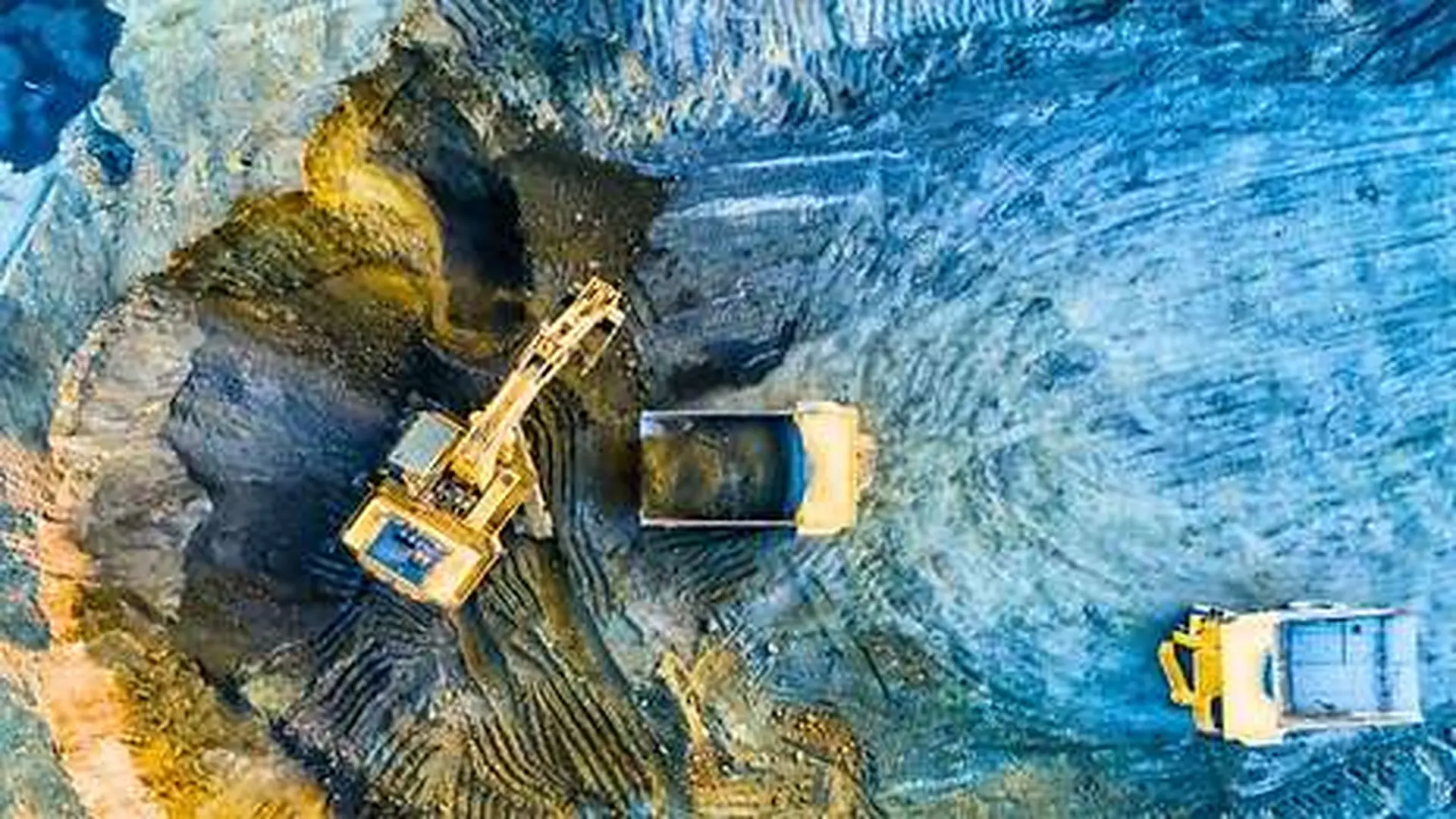
Deep beneath the flat farmlands of Saxony‑Anhalt in northern Germany, a brine that once serviced natural‑gas wells is now attracting attention for a very different reason: it contains lithium, the lightweight metal that powers electric‑vehicle batteries and large‑scale storage systems.
In September 2025, Neptune Energy disclosed that independent assessors had verified a resource of 43 million tonnes of lithium‑carbonate‑equivalent at its Altmark project, positioning the site among the world’s most sizable single‑point lithium deposits.
The evaluation, performed by Sproule ERCE under the internationally recognised CIM/NI 43‑101 framework, supports the company’s existing production licence (Jeetze‑L) and three exploration licences (Milde A‑L, B‑L and C‑L, the latter granted in August 2025). Neptune and its predecessor have operated in the area since 1969, originally extracting natural gas.
Geological Profile Shows Rich Lithium Brine
Unlike classic surface deposits or ancient evaporite basins, the Altmark lithium resides in highly mineralised brine trapped within Rotliegend sandstone and underlying volcanic formations at depths of roughly 3,200 – 4,000 metres. Research presented at the 86th EAGE Annual Conference reported an average lithium concentration of 375 mg L⁻¹, with a consistent geochemical signature that points to a single, long‑term enrichment process.
That process involves mica‑rich volcanic clasts embedded in the sandstone. Over millions of years and at temperatures above 120 °C, these minerals destabilise, releasing lithium into the surrounding groundwater through dissolution and chloritisation. The study concluded that most lithium was generated in‑situ from volcanic material, rather than being derived from seawater evaporation.
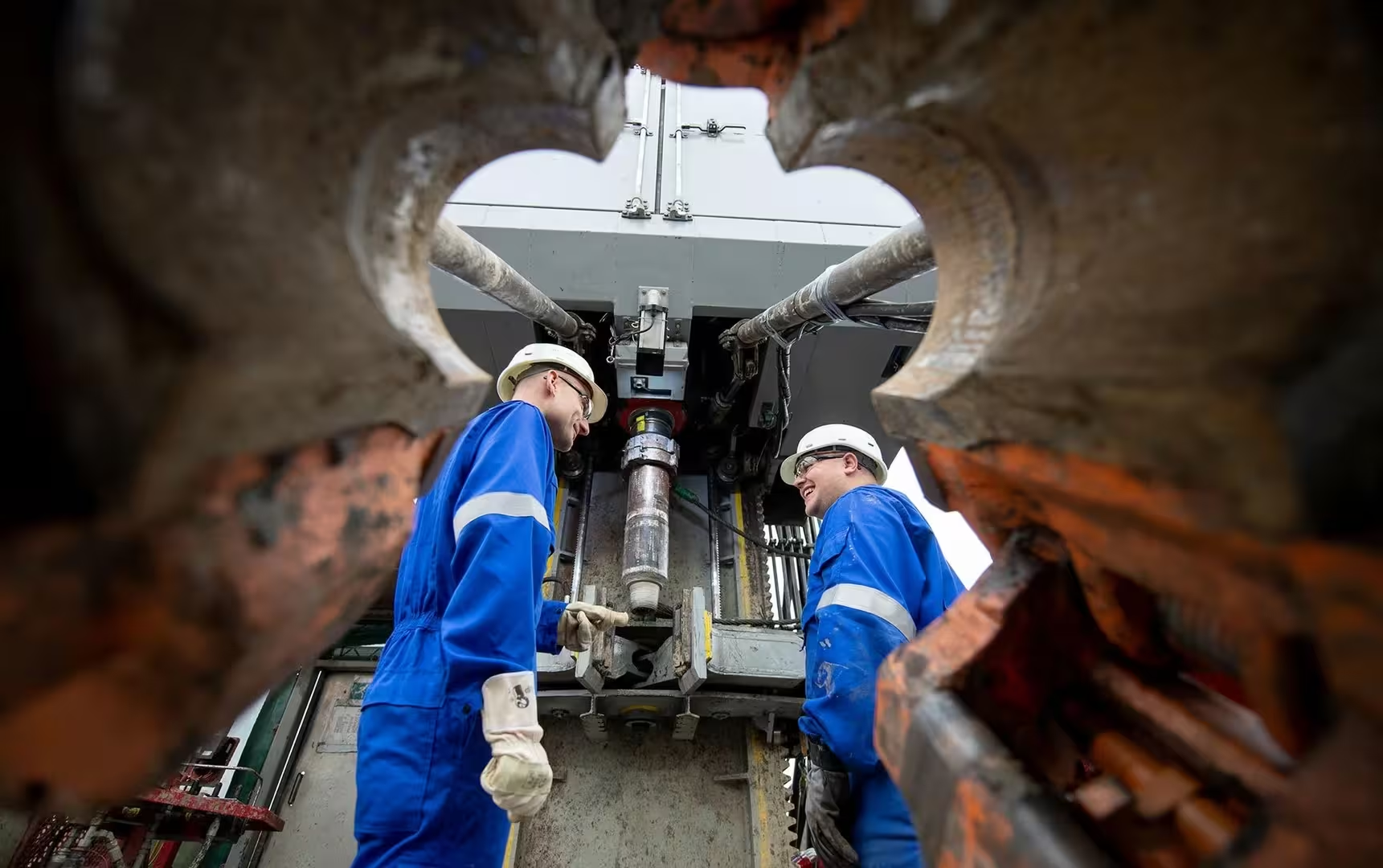
The region’s steep geothermal gradient—exceeding 120 °C at depth—also offers the prospect of co‑producing heat, potentially enhancing the economics of a combined lithium‑heat extraction scheme.
Novel Direct Extraction Approach vs Traditional Mining
Neptune’s plan diverges from the large‑scale brine evaporation ponds of South America and the open‑pit hard‑rock mines of Australia. Instead, the company is piloting direct lithium extraction (DLE), a technique that pulls brine from depth, isolates lithium chemically, and reinjects the depleted fluid back into the reservoir.
A second pilot, completed in August 2025, employed an ion‑exchange system developed with Lilac, yielding battery‑grade lithium carbonate. A third pilot launched in mid‑September 2025 tests an adsorption‑based variant of the same concept. Both trials rely on the legacy gas‑field infrastructure, limiting surface disturbance and eliminating evaporation ponds.
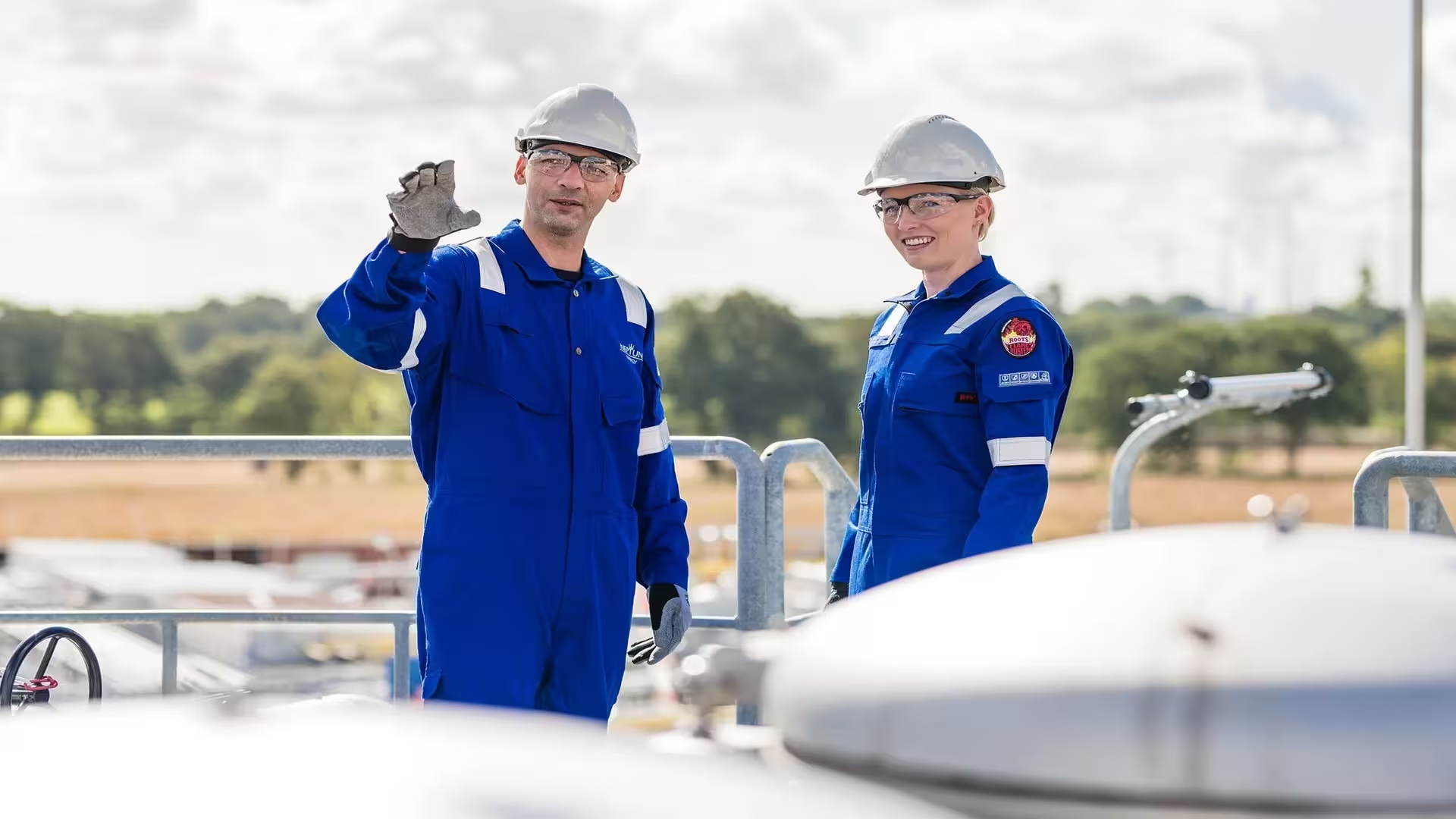
“Altmark blends strong geological endowment with existing wells and pipelines, creating a clear pathway for a low‑impact lithium operation,” explained Axel Wenke, Director of New Energy at Neptune, in the September 2025 announcement.
Position of Altmark Within Global Lithium Landscape
Today, roughly three‑quarters of global lithium output originates from the so‑called Lithium Triangle in Chile, Argentina and Bolivia, where solar‑driven evaporation of high‑altitude salt flats dominates. Those operations, while productive, are land‑intensive and have sparked concerns over water usage, ecosystem disruption, and community compensation.
Europe imports virtually all of its lithium, a reliance that the European Critical Raw Materials Act seeks to curb. The legislation aims for at least 10 % of the EU’s annual strategic‑minerals consumption to be sourced domestically by 2030, with lithium listed as a priority material. Altmark’s closed‑loop extraction concept and its use of pre‑existing industrial sites could help meet these policy goals.
Path to Commercialization and Regulatory Hurdles
Neptune has not yet moved beyond pilot testing. The next milestone is a demonstration plant that will require permits addressing groundwater impacts, fluid disposal, and long‑term site stewardship. German authorities will review these applications before any full‑scale operation can proceed.
While DLE technology shows promise in Germany, the United States and parts of China, scaling from pilot to commercial scale demands consistent feedstock quality, efficient processing chemistry, and cost‑effective operation. The ongoing Altmark pilots are intended to answer those questions, each trial probing a different extraction chemistry under real subsurface conditions.
Once the demonstration phase receives approval, Neptune plans to operate a fully integrated extraction facility as a precursor to commercial rollout. No definitive production schedule has been announced; progress will hinge on regulatory clearance and the outcomes of the current adsorption pilot.
This article has been fact checked for accuracy, with information verified against reputable sources. Learn more about us and our editorial process.
Last reviewed on .
Article history
- Latest version
- Last updated by Dayyal Dungrela, MLT, BSc, BS
Reference(s)
- Böcker, J.. “Findings on the Origin of Lithium Enrichment in Brines in the Altmark Gas Field Area, Germany.” 86th EAGE Annual Conference & Exhibition, January 1, 2025, pp. 1-5. European Association of Geoscientists & Engineers, doi: 10.3997/2214-4609.2025101398. <https://www.earthdoc.org/content/papers/10.3997/2214-4609.2025101398>.
- Ahmad, Samar. “The Lithium Triangle: Where Chile, Argentina, and Bolivia Meet.”, January 15, 2020 Harvard International Review <https://hir.harvard.edu/lithium-triangle/>.
- “Critical Raw Materials: ensuring secure and sustainable supply chains for EU’s green and digital future.” European Commission <https://ec.europa.eu/commission/presscorner/detail/en/ip_23_1661>.
Cite this page:
- Posted by Bilal Abbasi